A Renovated Park, the Same Old Filth: Četkar Wants Cameras for Ohrid's Dutch Park
23.06.2026



23.06.2026

22.06.2026

21.06.2026

09.03.2026

27.02.2026

19.02.2026

23.06.2026

22.06.2026

21.06.2026

23.04.2026

23.04.2026

12.04.2026

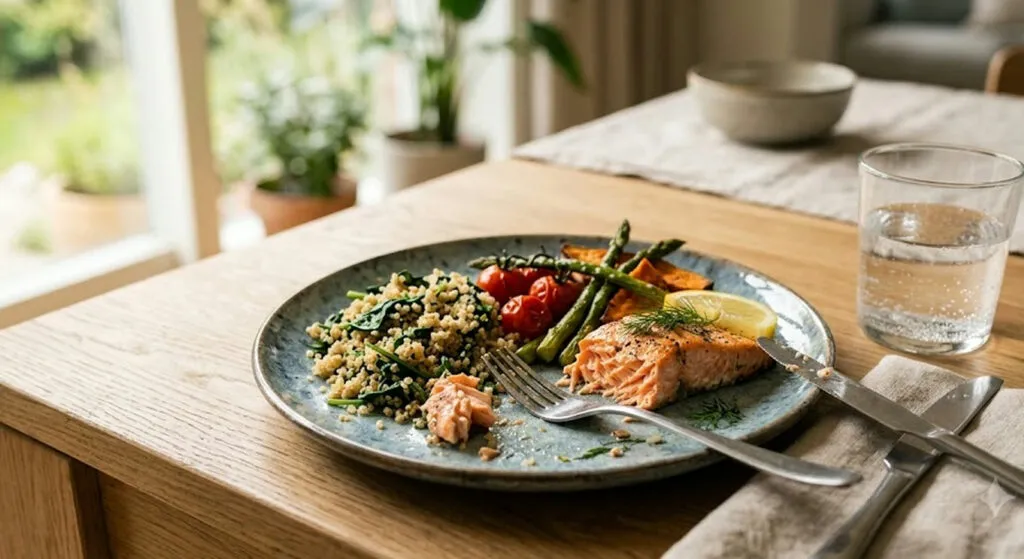
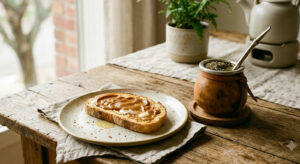
"Hara hachi bu" - a Japanese habit that means stopping eating when you're about 80 percent full. It comes from Okinawa, a region famous for the longevity of its inhabitants, and it demands no diets, no bans, no counting calories. Just one thing: stop before you're stuffed.
Behind it lies clear physiology. Nutritionist Paloma Quintana explains that the brain needs time to receive the signals of fullness - through neurotransmitters in the gut, through the stretching of the stomach, through the rise in insulin and leptin. Those signals travel slowly, usually a few minutes. If you eat fast and down to the last bite, the body hasn't had time to tell you it's already enough.
And why do we keep eating when we're not hungry? "The typical 'there's always room for dessert' shows we often eat for pleasure, not because the body needs more energy," Quintana says. The test: if the salad that's left looks boring to chew, real hunger has probably passed. But dessert and processed food artificially wake the appetite again.
The practice is simple, but it takes attention. Eat slowly, pause between bites and ask yourself halfway: would I take another portion of the main course? If the answer is no, then you don't need the dessert either. It's no magic or rarity you have to buy - it's a habit that costs nothing, and one our grandmothers knew for decades under another name: get up from the table a little hungry.
The latest 10 news from this category
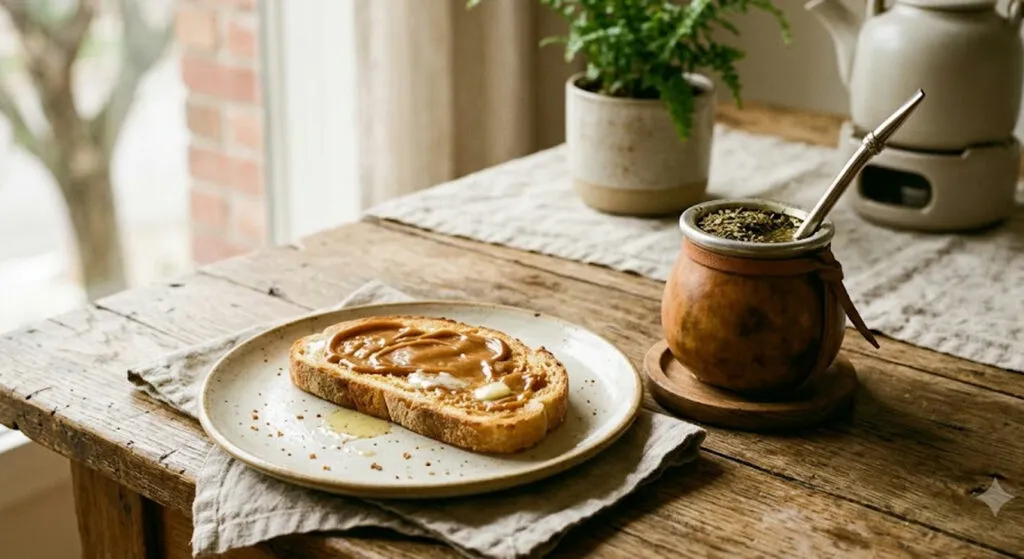
The man breaking World Cup records starts every morning at home with something utterly ordinary. A table culture that doesn't...
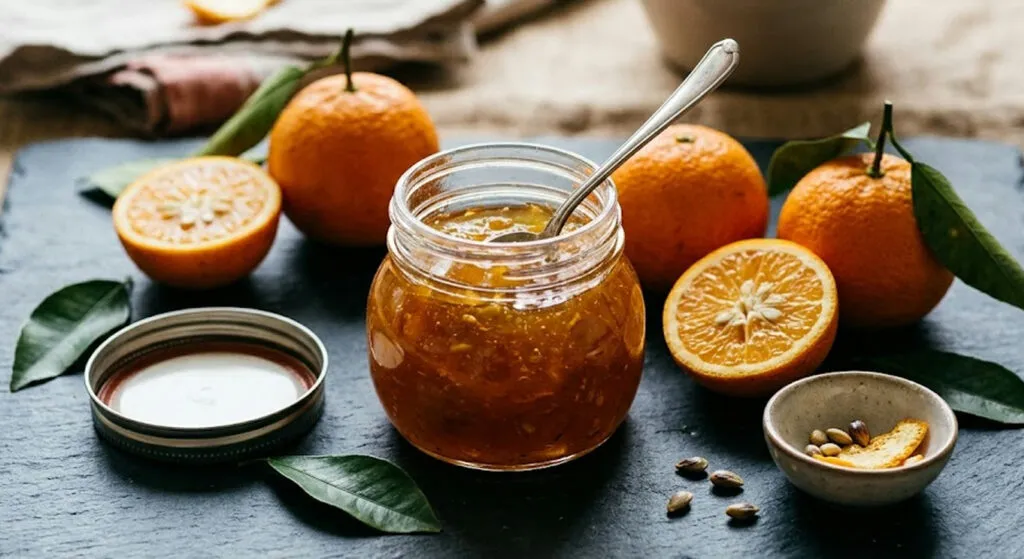
Bitter oranges from Seville have travelled to London for over a century to become marmalade on the royal table -...
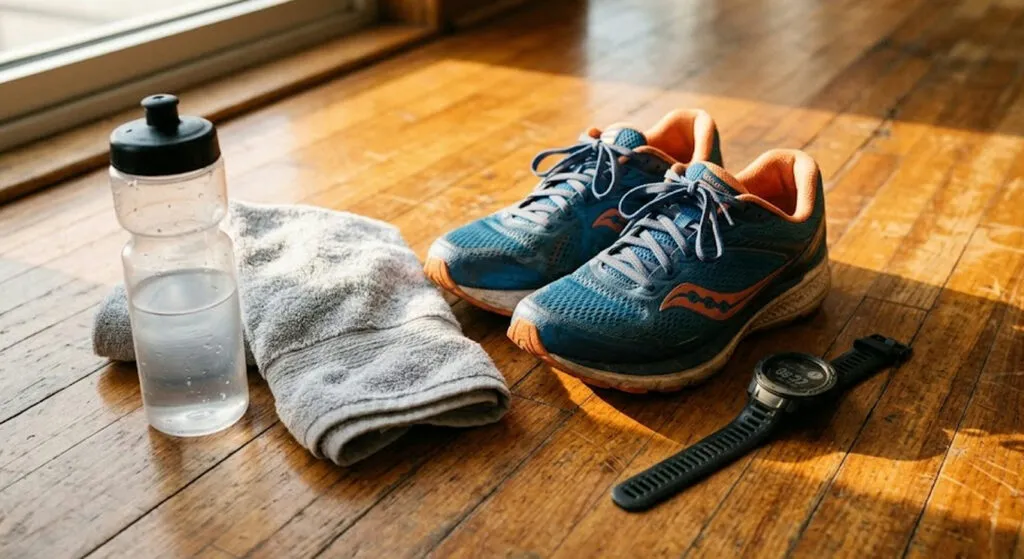
Short, brutal intervals promise fast results, but trainers warn - there's no magic trick, only hard work in a neat...
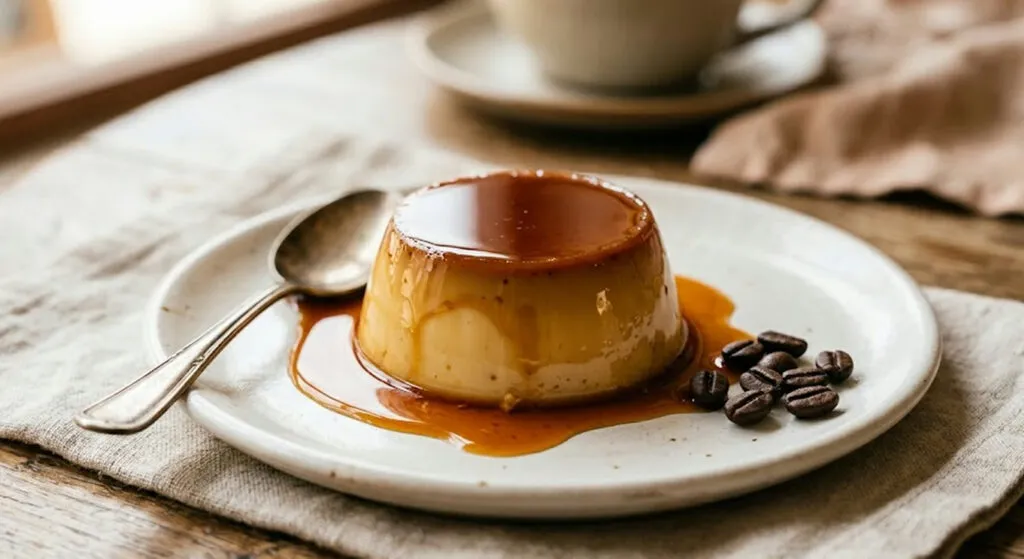
A silky flan with no holes doesn't call for an expensive ingredient, but for patience and indirect heat. A five-ingredient...

A pastry and juice in the morning teach the body to demand fast fuel every two hours. Nutritionists explain why...
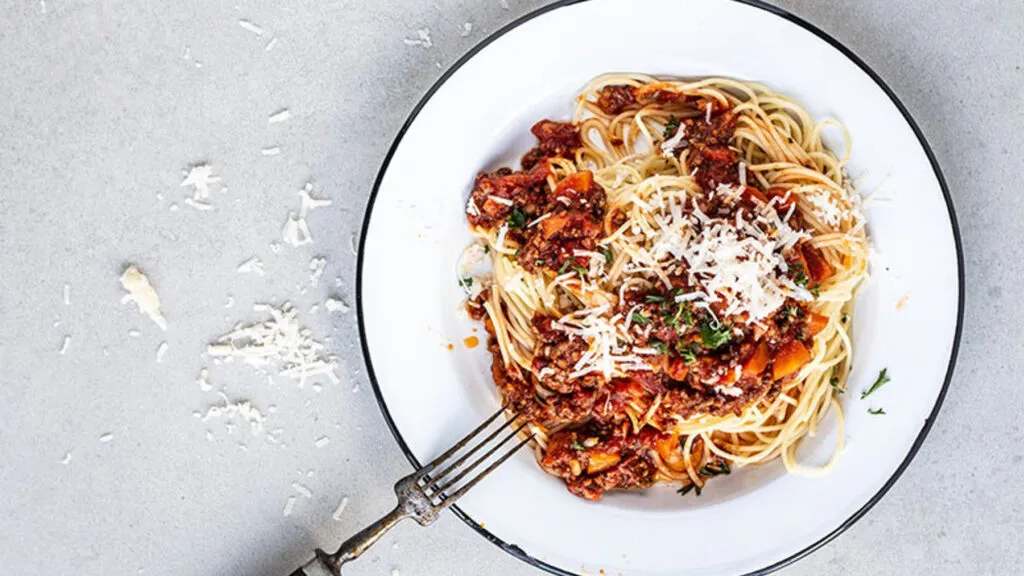
In a world where we want everything ready in ten minutes, bolognese is a reminder that some things simply can't...

The smartest purchase is the one you didn't make - because you paused for a minute and asked yourself what...
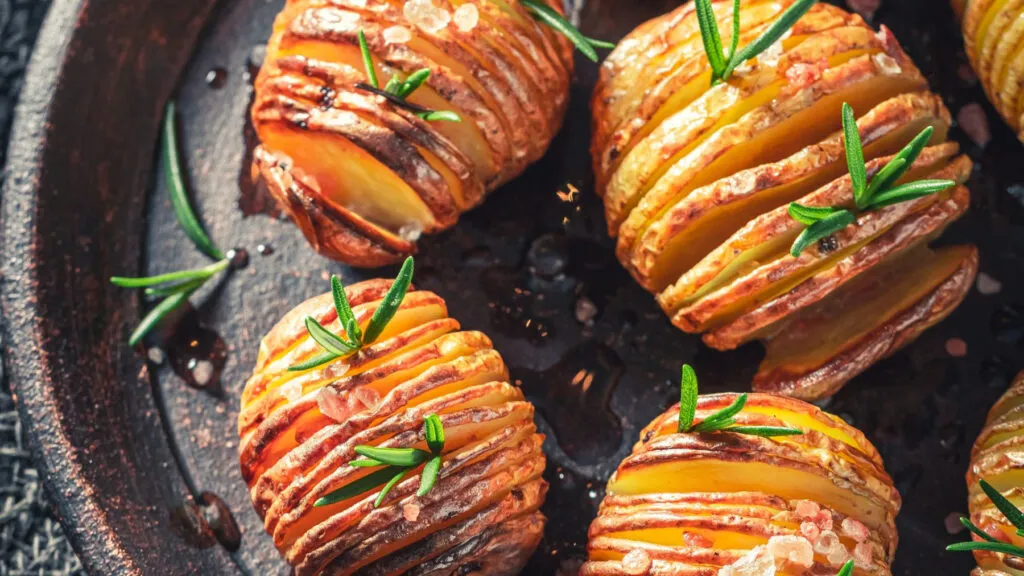
The whole secret isn't in the ingredients, but in a single move with the knife. A dish that looks like...

A full plate doesn't mean a nourished body. Nutritionists explain why we take in calories but lack vitamins - and...
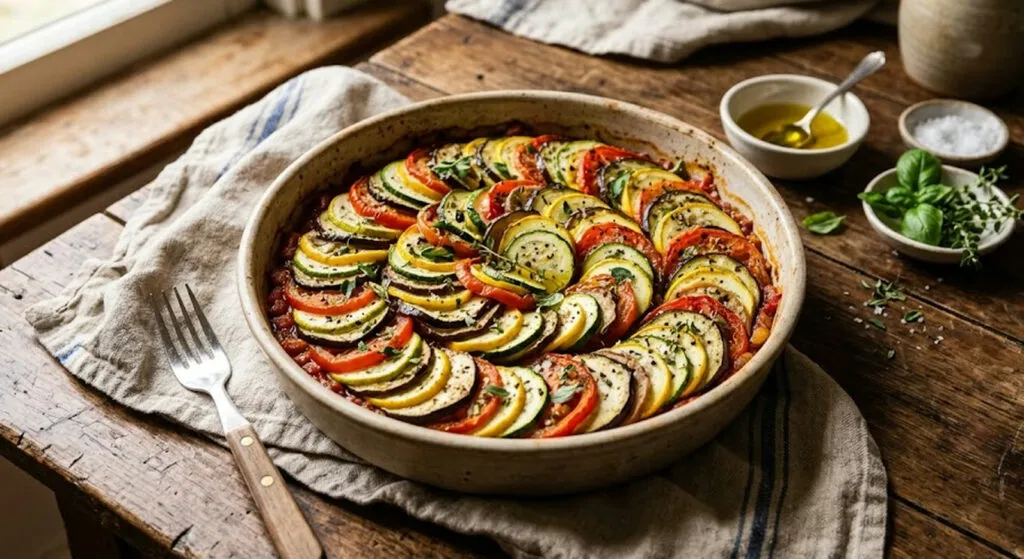
Proof that the best summer cooks the cheapest. Vegetables in a spiral, olive oil and patience - everything else is...