
The "Lottery" Trial: 231 Pieces of Evidence, and So Far Not a Single Message Between Grubi and Bajrami
24.09.2026


24.09.2026

24.09.2026

24.09.2026

24.09.2026

24.09.2026

24.09.2026

24.09.2026

23.09.2026

22.09.2026

24.09.2026

24.09.2026
23.09.2026

24.09.2026

24.09.2026

24.09.2026
24.09.2026
23.09.2026
22.09.2026

24.09.2026

24.09.2026

24.09.2026

24.09.2026
23.09.2026

23.09.2026

09.03.2026

27.02.2026

19.02.2026

24.09.2026

23.09.2026

22.09.2026

23.04.2026

23.04.2026

12.04.2026

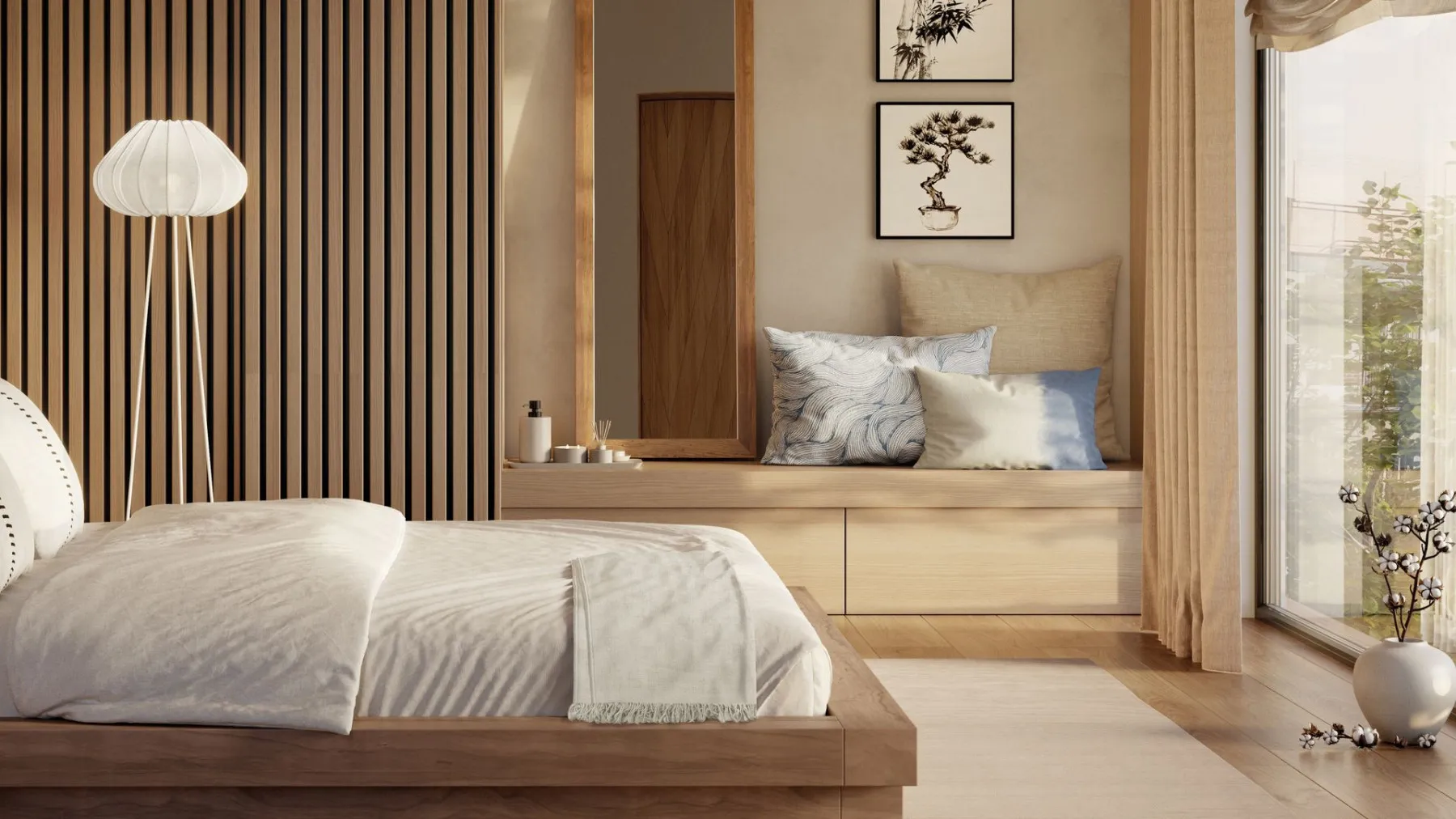
There are decorating styles that shout, and styles that whisper. Japandi is the latter - a blend of the Japanese and Scandinavian approaches, two traditions that already believe in the same thing: less is more. When you combine Japanese calm and Scandinavian warmth, you get a bedroom in which the body simply relaxes, without even knowing why.
The basic rule is the absence of excess. In an interior with a Japandi spirit you won't find clutter, nor superficial decoration - every object has a reason to be there. The furniture has straight lines and clean forms, natural finishes, and wood as the main material. A tip rarely given: mix different kinds of wood - oak, ash, light walnut - so the space gains depth instead of looking like a catalog.
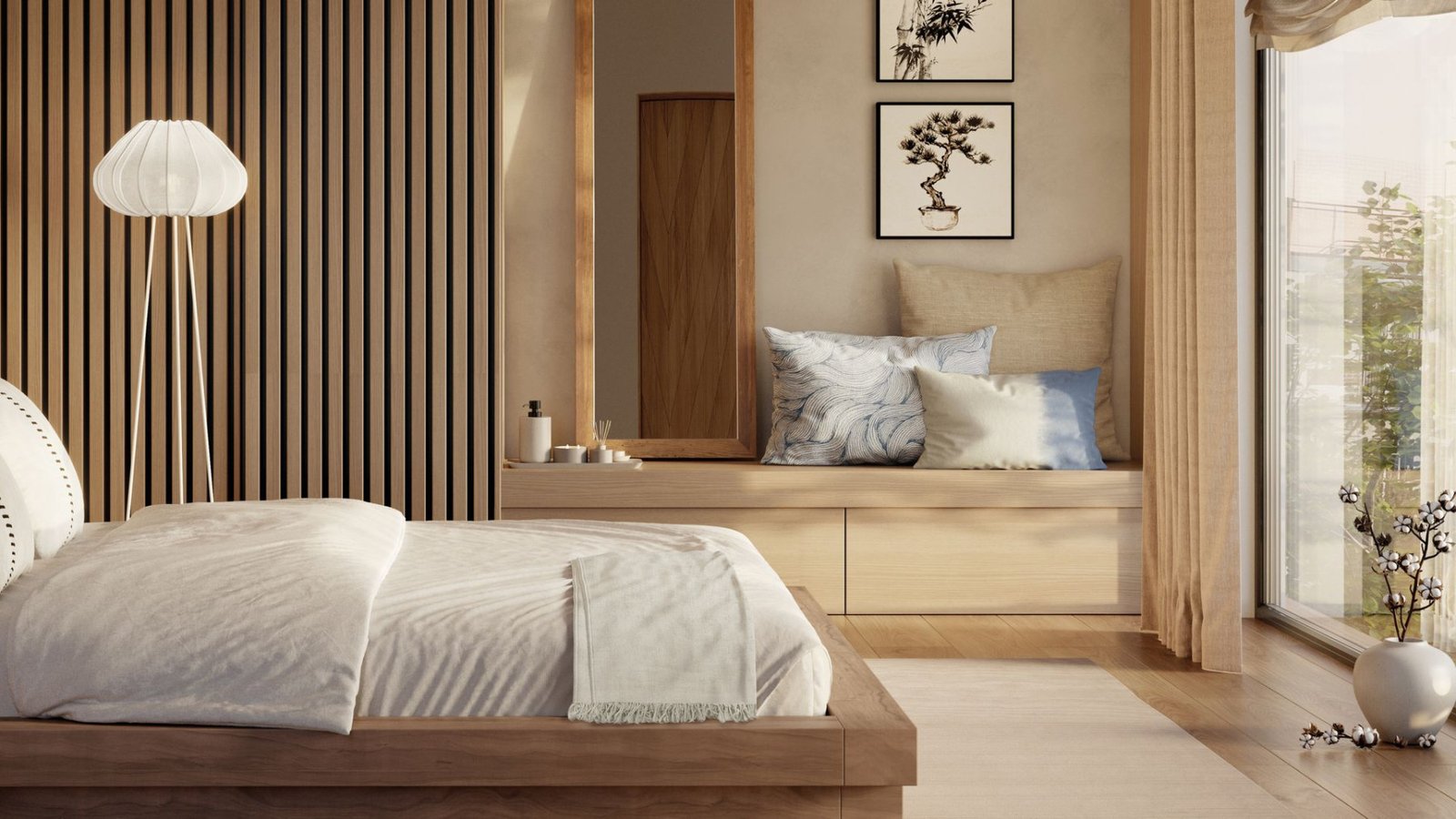
The bed is the star of the room. Simple lines, a discreet design, a headboard of natural material - wood if possible - and a low profile inspired by Japanese futons. Pine or oak are ideal. Around it, the palette stays neutral: white, ivory, beige, sand, and stone tones, with the occasional accent in olive green, warm gray, or terracotta.
Textiles are where many go wrong. Japandi calls for natural fibers - linen, organic cotton, wool - never glossy synthetic materials. Long floor-length curtains, in a single neutral shade or with a subtle pattern, soften the light, and a jute or wool rug warms the room without drawing attention to itself.
Light is the final, but perhaps the most important, layer. Warm light sources (2,700 to 3,000 kelvin), simple lamps with fabric or paper shades, and gentle illumination instead of a harsh ceiling light. Add a few handmade ceramic objects - a vase, a bowl, a tray - and one or two medium to large green plants that need little care: a ficus, a sansevieria, or a zamioculcas. Not ten small pots, but one or two plants with presence.
In the end, Japandi isn't only aesthetics - it's an attitude. At a time when everything pushes us to buy more, this style says the real luxury is emptiness, quiet, and a few good objects instead of many mediocre ones. For a home where things often pile up "just in case," that's an almost rebellious idea: a room breathes when you let it be half-empty.
The latest 10 news from this category
Luxury isn't about showing off, it's about detail, says the architect. That's why the best light in this flat went...
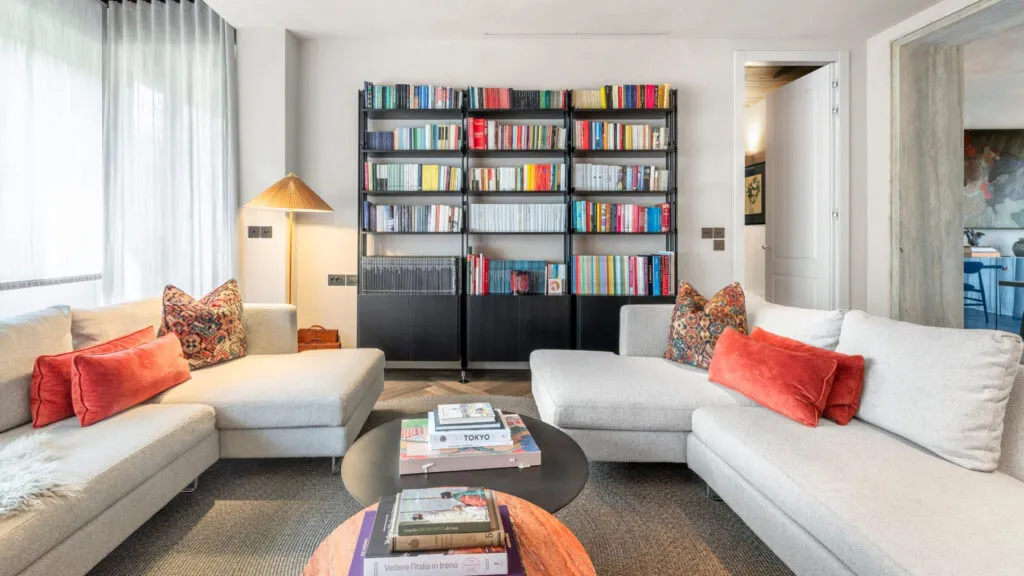
The exposed brick and ribbon windows stayed, and the entire palette came out of a single painting above the sideboard....

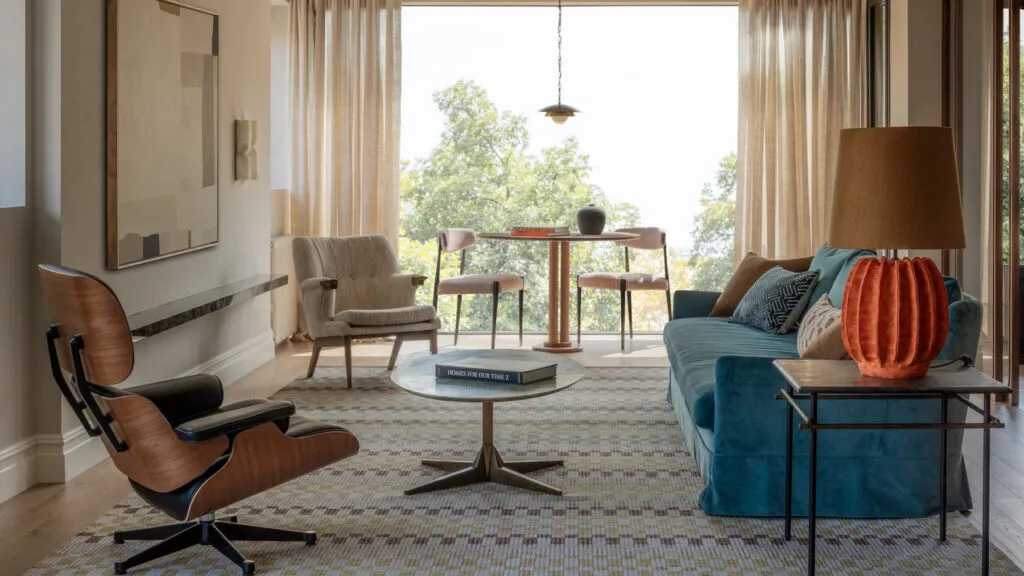
An Eames lounge chair from 1956, a Fratini shelving unit and a concave cobalt mirror that reflects the room curved....
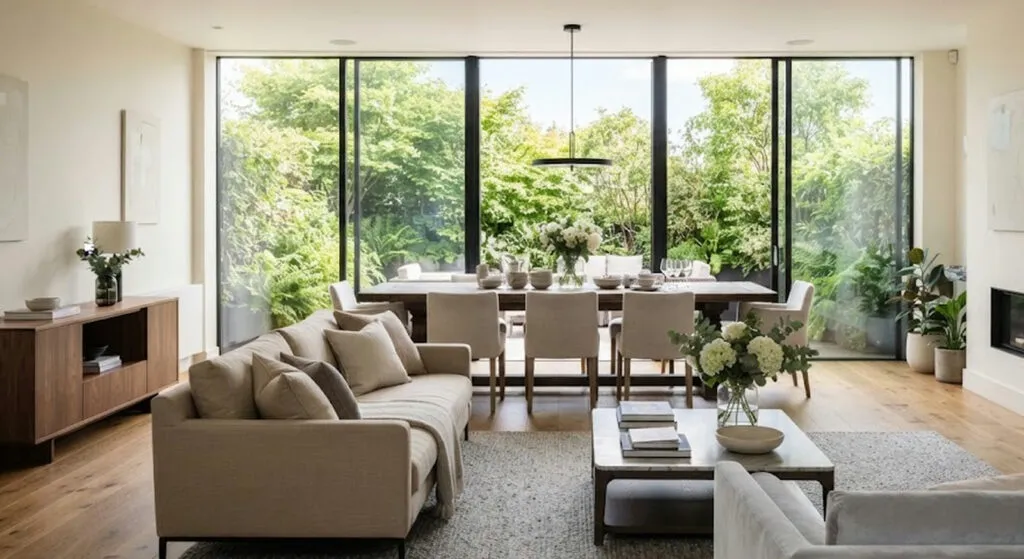
Four bedrooms, four bathrooms and one rug that keeps the dining area separate without a wall. Three things in this...

She did not decorate a house - she built a world. And behind all that fantasy there is no inheritance,...
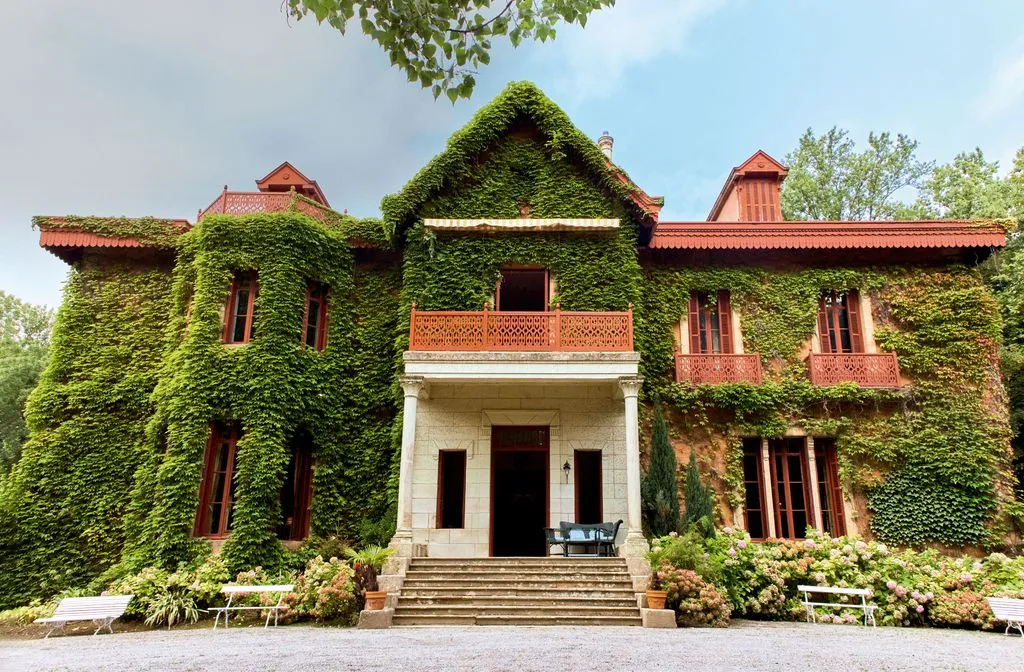
The stairwell has been turned into a gallery, and in the bedroom there is not a single attempt at an...

In the vast majority of flats the ceiling stays white because that is how it was found - not because...
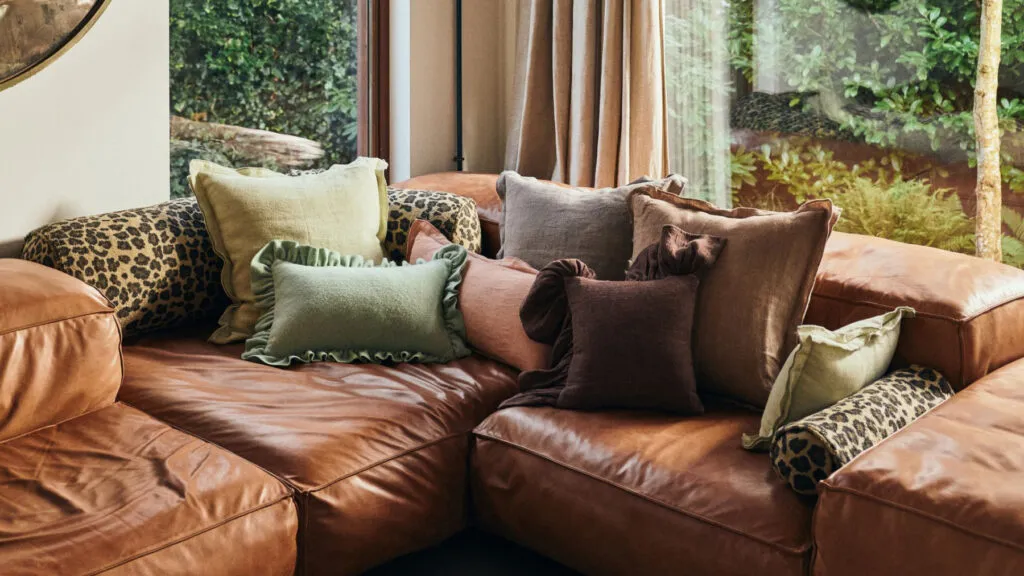
It is not hoarding and it is not maximalism. Ten things that used to be hidden when guests came and...
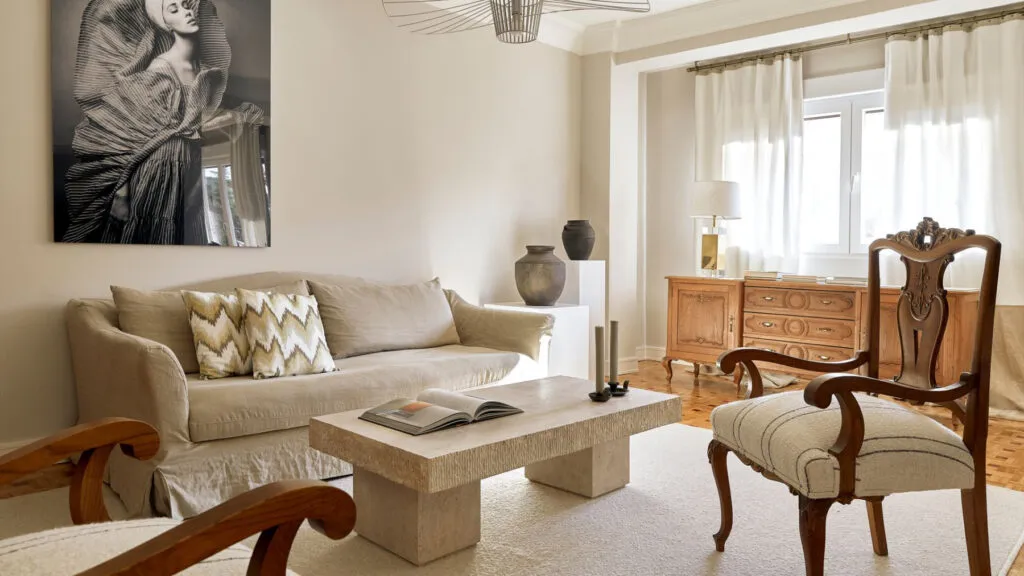
A bespoke console, reupholstered armchairs and wallpaper hung like art. The most expensive thing in the flat is the decision...
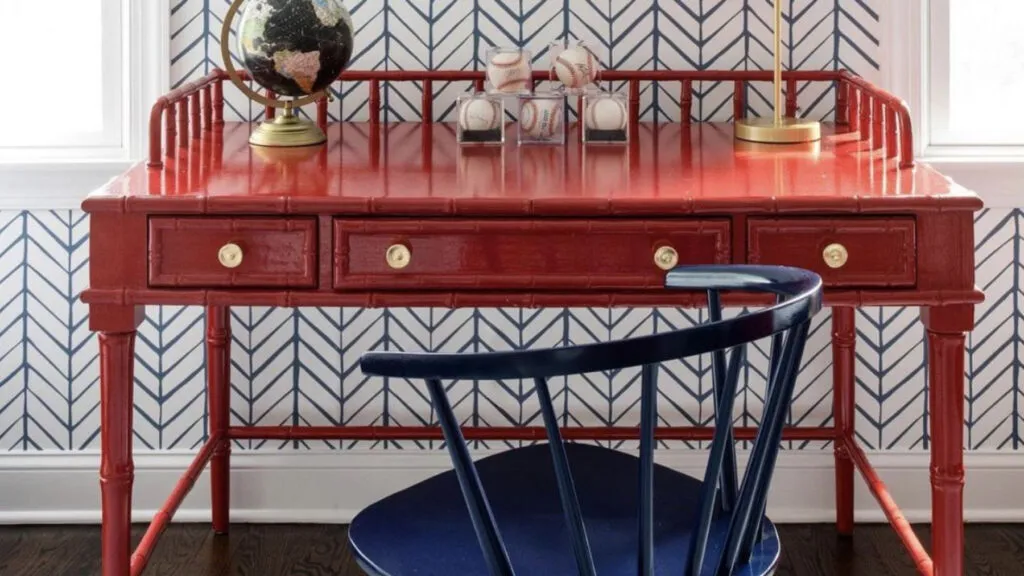
For years the rule was everything neutral and everything from the same collection. The result is a living room that...
This site uses cookies - is that okay? Learn more
Be the first to know when Metla launches something new
Leave your email and we will write when there is a new guide or something new on Metla.