
New Benches and Restored Pavilions in Skopje's Park Makedonija: Will They Survive a Single Winter Intact?
13.06.2026


13.06.2026

13.06.2026

13.06.2026

13.06.2026

13.06.2026

13.06.2026

13.06.2026

13.06.2026

13.06.2026

13.06.2026

13.06.2026

12.06.2026

13.06.2026

12.06.2026

11.06.2026

13.06.2026

13.06.2026

13.06.2026

13.06.2026

12.06.2026
12.06.2026

09.03.2026

27.02.2026

19.02.2026

09.06.2026

22.05.2026

19.05.2026

14.04.2026

07.11.2025
07.11.2025

23.04.2026

23.04.2026

12.04.2026

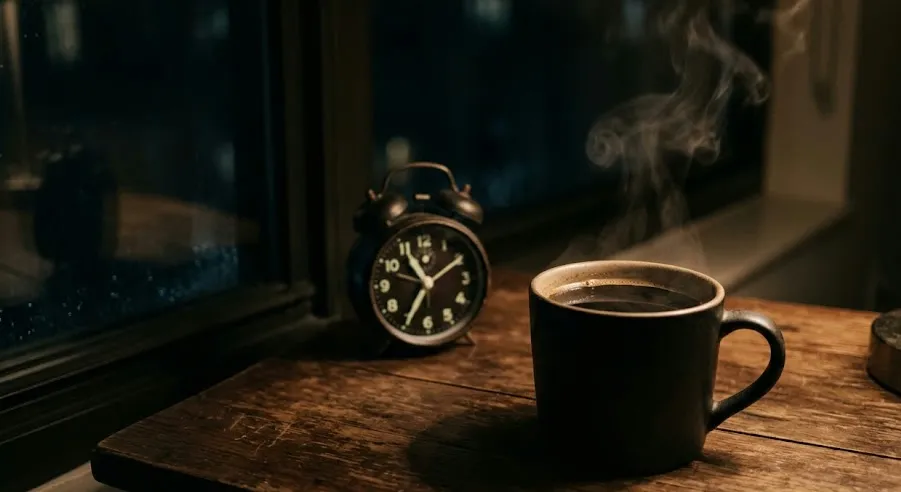
The problem with coffee in the evening isn't just that you can't fall asleep - it's that even when you do, your brain doesn't actually rest the way you think. Researchers at the Medical University of Wrocław found that caffeine changes the very way the brain sleeps, not just whether it sleeps. And that's the more dangerous part, because you don't notice it.
The key concept is shallow sleep. The body can spend eight hours in bed while the brain doesn't fully recover - and the person has no idea, because there's no obvious symptom like insomnia. You sleep as long as you should by the clock, you wake up tired, and you don't know why. The answer might be in the cup you drank in the afternoon.
The researchers used electroencephalography - recording brain activity - to measure sleep quality deeper than the surface. "EEG lets us see not just whether a person is asleep, but how the brain is sleeping," explains professor Donata Kurpas. The analysis showed reduced slow-wave activity, an important indicator of the depth and restorative power of sleep.
But here the research doesn't fall into the easy trap of saying "coffee is bad." Quite the opposite. The effects depend heavily on age, metabolism, health, stress level and personal sensitivity - morning coffee for one person can be just as problematic as evening coffee for another. "Caffeine is neither good nor bad," says Kurpas, "but a biologically active substance whose effects depend on the dose, the time of day, age, lifestyle, sleep quality and personal sensitivity." In other words: don't ask whether coffee harms you, ask when and how much - the answer is different for everyone.
The latest 10 news from this category
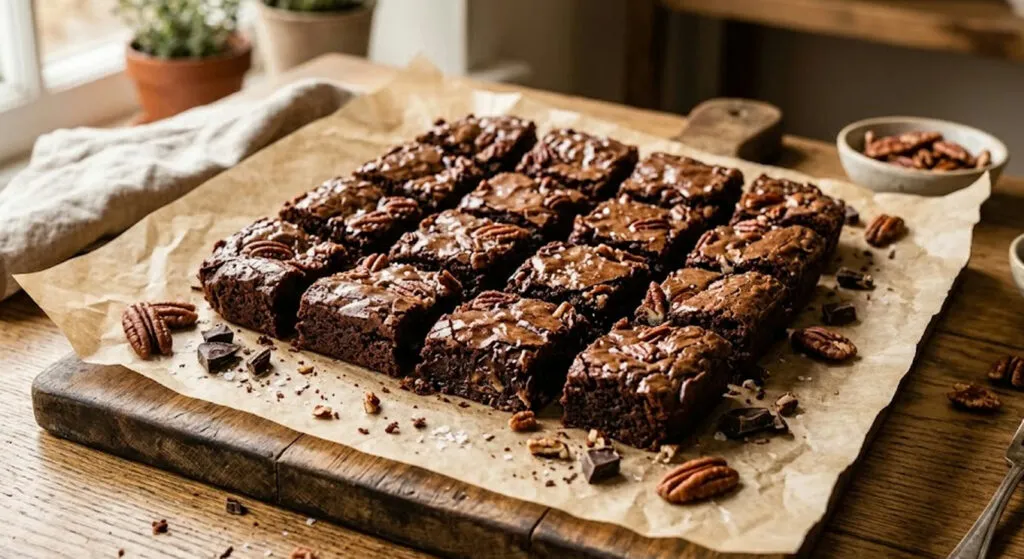
Двајца врвни шпански слаткари се препираат за најобичното чоколадно колаче - а вистинската разлика ја прави трпението.

Марија Бранјас доживеа 117 години со биолошка возраст 20 години помлада - а вистинската причина не се вика јогурт.

American cabbage salad looks complicated, yet it's one of the easiest things to make at home. The whole secret isn't...

A famous singer admits she spent years thinking she couldn't sing. Doctors and engineers carry the same thing - people...

The secret isn't a mystical technique, but a handful of ingredients that change everything. One of the rare cuisines where...

Doctors say one minute of conscious breathing breaks the stress cycle. The way you breathe isn't a consequence of your...

The dish Greece defends as national is actually an Ottoman inheritance with a French floor on top. The whole secret...

At a time when every sad afternoon gets a diagnosis, the profession says: sadness is a tool, not a defect....
Jaw pain and a morning headache often share a hidden cause. But the first step is a doctor, not the...

The whole secret is one restaurant technique - smashing the meat while it's still soft. Crispy, juicy and fresh, no...