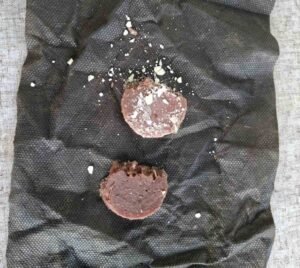
Poisoned Salami Laced With Lanate Next to a Children's Playground in Kisela Voda: One Gram Kills a Person
12.06.2026


12.06.2026

12.06.2026

12.06.2026

12.06.2026

11.06.2026

10.06.2026

12.06.2026

12.06.2026
11.06.2026

12.06.2026

11.06.2026

10.06.2026

12.06.2026

12.06.2026
11.06.2026

09.03.2026

27.02.2026

19.02.2026

09.06.2026

22.05.2026

19.05.2026

14.04.2026

07.11.2025
07.11.2025

23.04.2026

23.04.2026

12.04.2026


One of the most recognisable Spanish singers, with decades of sold-out halls and millions of records sold behind her, recently admitted something that hardly fits into that biography: for years she felt like she was lying. "I felt that I couldn't sing, that I was lying," said Malú, describing a state psychologists know well, but the public rarely sees behind the scenes.
When one of her albums succeeded and they proposed a tour, instead of joy came tears - she told her mother she had deceived them all. Behind her performances, she admits, she built a protective character: a "character, a mask" to survive the exposure before so many eyes. Shy and insecure by nature, on stage she had to be someone else.
What she describes has a name - impostor syndrome. Psychologists define it as the feeling that you're deceiving others, that you don't deserve it all even though you have all the qualifications, and as a constant fear of a mistake that will expose you. It isn't reserved for singers and stars; doctors, professors and engineers carry it - people with proof all around them who still don't believe in themselves.
According to the psychologist commenting on the case, the relationship with yourself is built early - from how others looked at us at the start. If instead of compassion we were met with demands and expectations, a feeling of permanent dissatisfaction is planted in us, no matter how much we achieve later. The bill from childhood is paid in adulthood.
Malú says therapy gave her tools and helped her understand the roots of the insecurity. And here is the point worth more than any star's statement: healthy self-confidence doesn't mean insecurity vanishes, but that the relationship with doubt changes. You don't stop doubting - you stop letting doubt decide instead of you.
The latest 10 news from this category
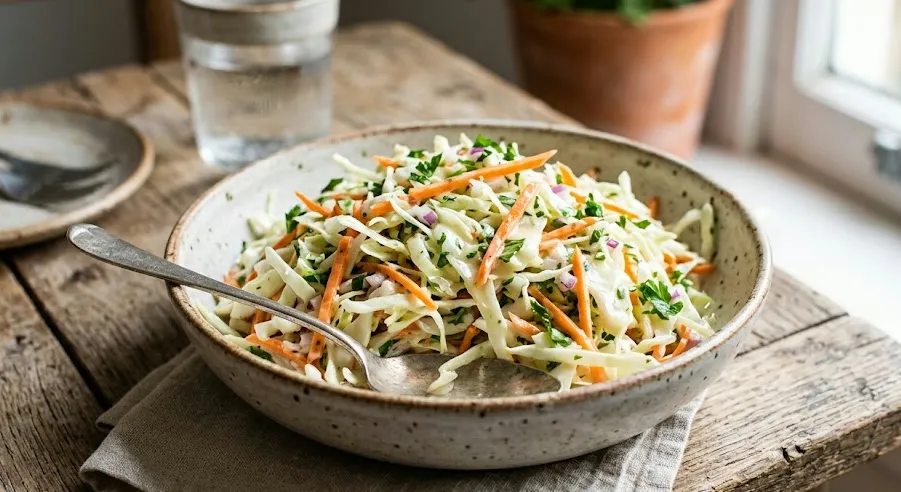
American cabbage salad looks complicated, yet it's one of the easiest things to make at home. The whole secret isn't...
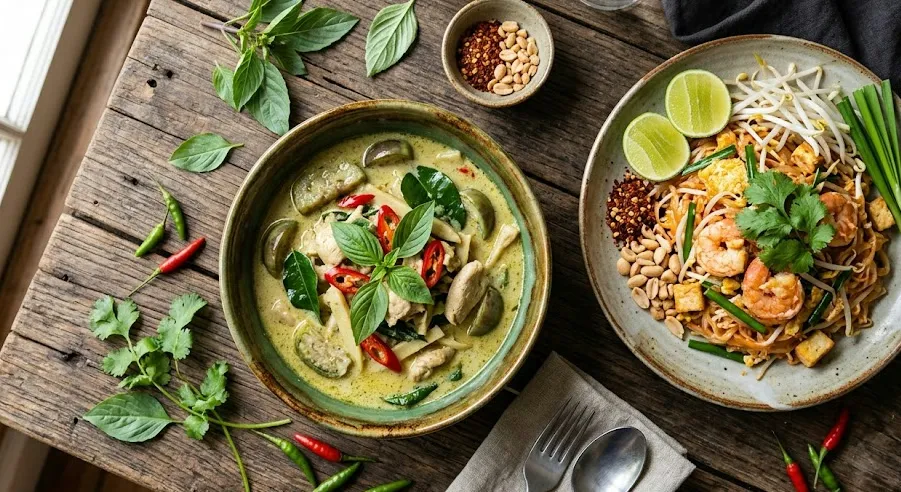
The secret isn't a mystical technique, but a handful of ingredients that change everything. One of the rare cuisines where...

Doctors say one minute of conscious breathing breaks the stress cycle. The way you breathe isn't a consequence of your...
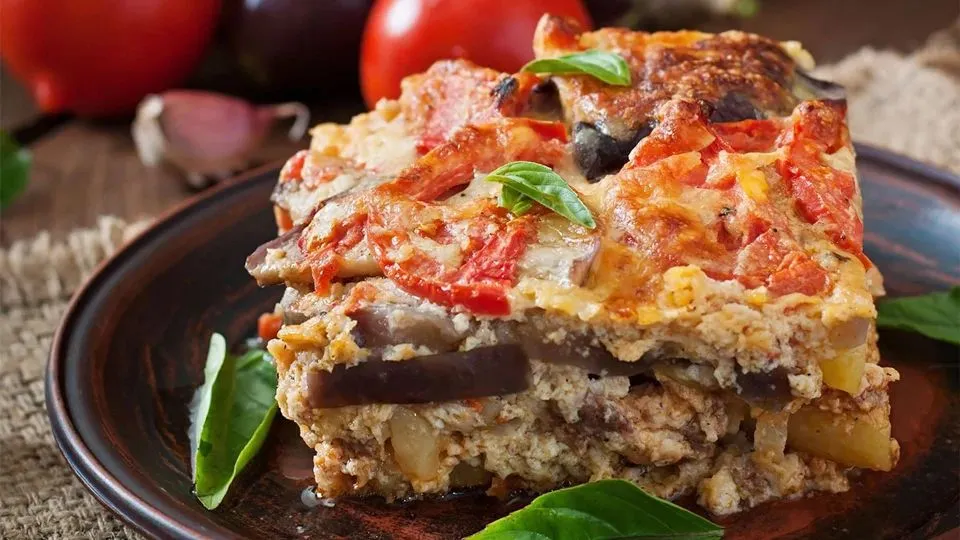
The dish Greece defends as national is actually an Ottoman inheritance with a French floor on top. The whole secret...

At a time when every sad afternoon gets a diagnosis, the profession says: sadness is a tool, not a defect....
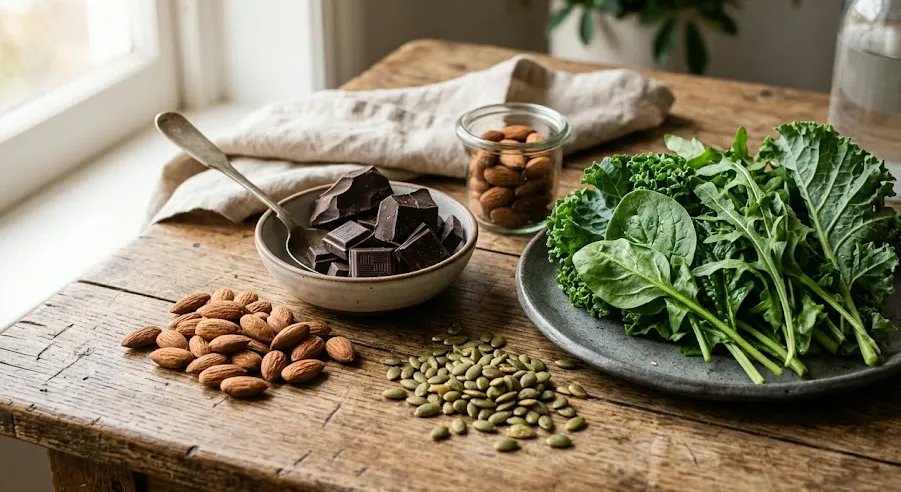
Jaw pain and a morning headache often share a hidden cause. But the first step is a doctor, not the...
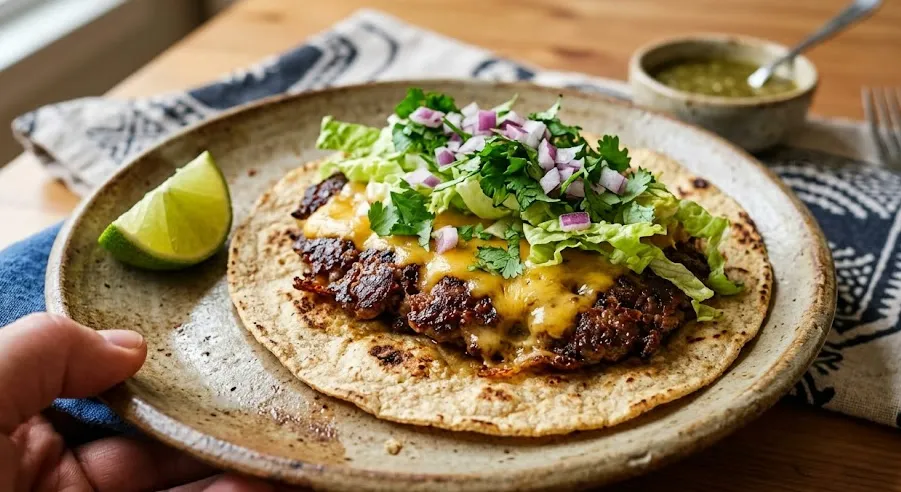
The whole secret is one restaurant technique - smashing the meat while it's still soft. Crispy, juicy and fresh, no...
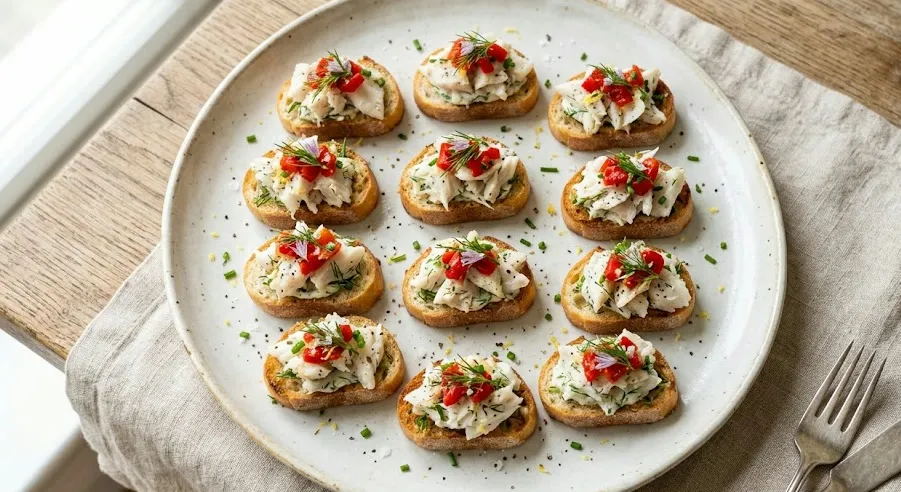
The secret isn't in the technique, it's in the fish. The less you add, the more the cod itself comes...

Not one of them is remembering everything. And the good news - most of it isn't inherited, it's built.
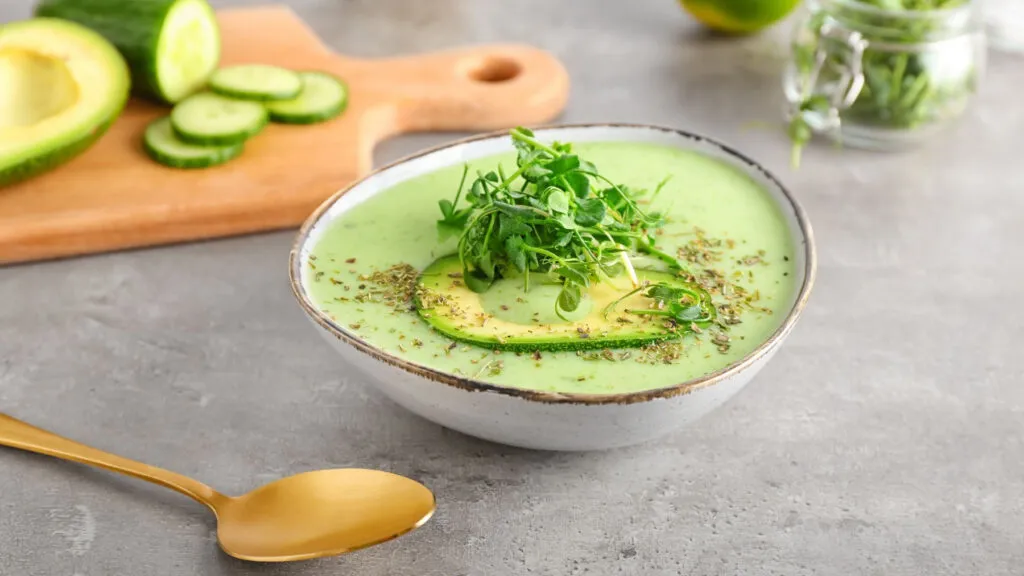
When the hot days arrive, nobody looks at the stove. This gazpacho changes the rule - instead of red from...