
Three of Four Sensors Were Dead: Skopje's Vodno Cable Car Ran Fifteen Years Without a Real Service
17.09.2026


17.09.2026

17.09.2026

17.09.2026

17.09.2026

17.09.2026

17.09.2026

17.09.2026

16.09.2026

15.09.2026

17.09.2026
17.09.2026
16.09.2026

17.09.2026

17.09.2026

17.09.2026

17.09.2026

16.09.2026

15.09.2026

17.09.2026

17.09.2026

17.09.2026

17.09.2026

17.09.2026

17.09.2026

09.03.2026

27.02.2026

19.02.2026

23.04.2026

23.04.2026

12.04.2026

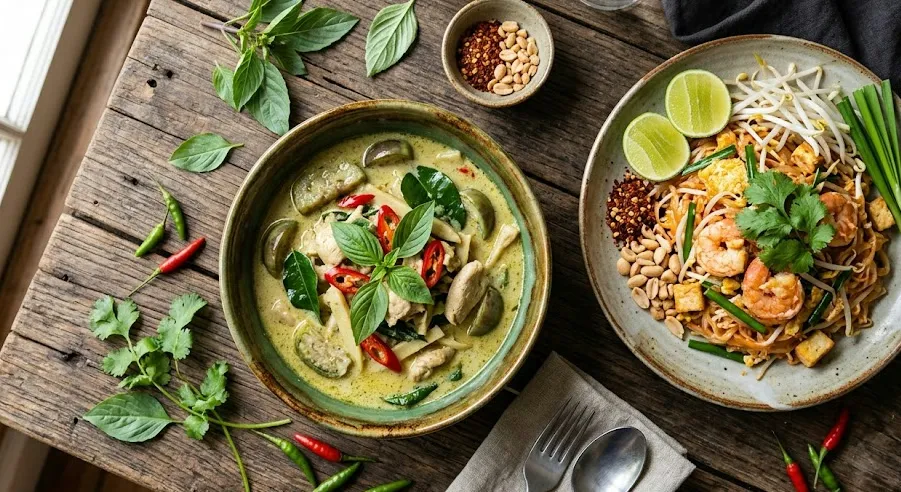
Few cuisines in the world balance so many opposites on one plate as Thai. Sweet, salty, sour, bitter and spicy - all at once, in the same bite. And contrary to its reputation for being complicated, much of it can be made at home in about twenty minutes, if you have the right ingredients and the patience for a first try.
The heart of Thai flavor isn't in some mystical technique, but in a handful of ingredients that change everything. Lemongrass gives a citrusy breath, galangal - a root similar to ginger - carries a resinous sharpness, kaffir lime leaves smell of something that can't be described, and Thai basil (different from the Mediterranean kind, with a note of anise) is added at the end to stay fresh. Fish sauce gives umami, tamarind - that characteristic sour-sweet backdrop.
To start, a few classics are worth the effort. Tom Kha Gai is a creamy coconut soup with chicken, refined enough for guests and simple enough for home. Som Tam, a green papaya salad, is pounded in a mortar and plays on every flavor at once. Pad Thai with shrimp - rice noodles with egg, sprouts, peanuts - is probably the most famous Thai dish in the world. And for those who like fish, salmon in red curry with coconut milk is ready faster than you'd think.
The technique, if it can even be called that, comes down to layering. You start with a curry paste of hot chilis, onion, galangal and spices; the fresh herbs go in last, while the coconut soups only simmer, not boil hard. Quick frying at high heat does the rest.
And it's not just the taste - there's a healthy bonus here too. The vegetables carry vitamins and minerals, galangal aids digestion, lemongrass calms, and the hot chilis wake up the circulation. In other words, it's one of the rare cuisines where "tasty" and "good for you" don't argue on the same plate.
The latest 10 news from this category
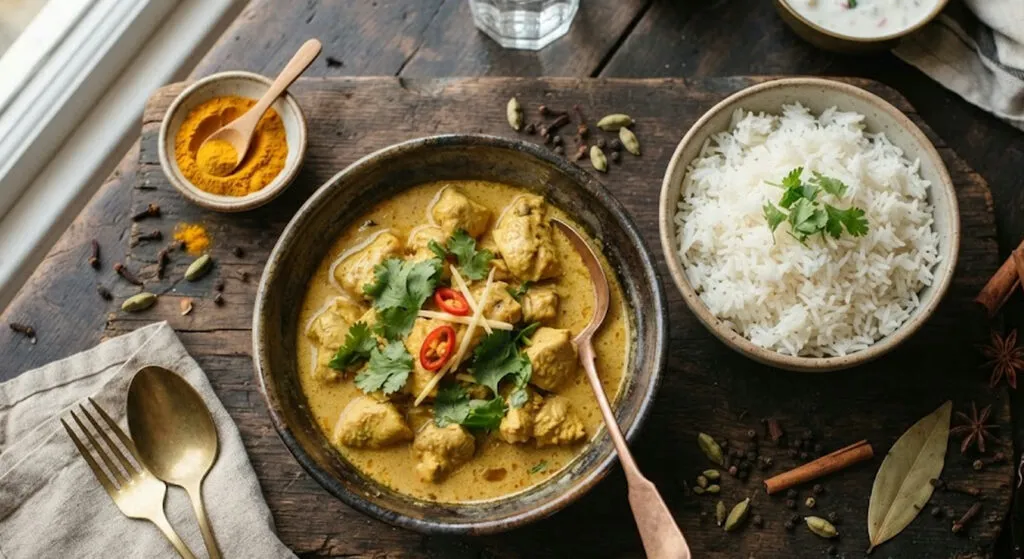
Home-made chicken curry fails at the same point for everyone. The difference is made by one step that has nothing...
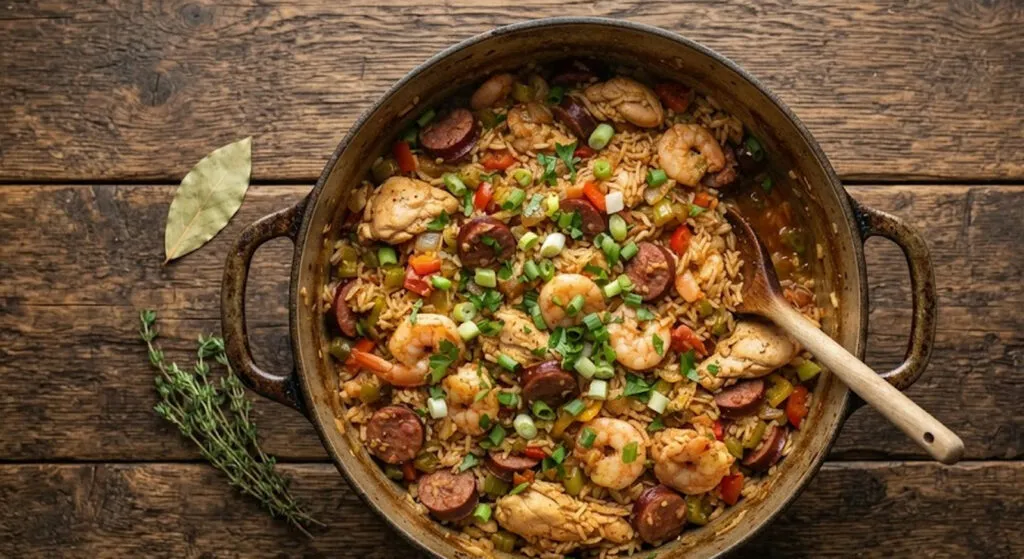
Jose Andres has lived in America for over thirty years, and when asked for his favourite American dish he named...
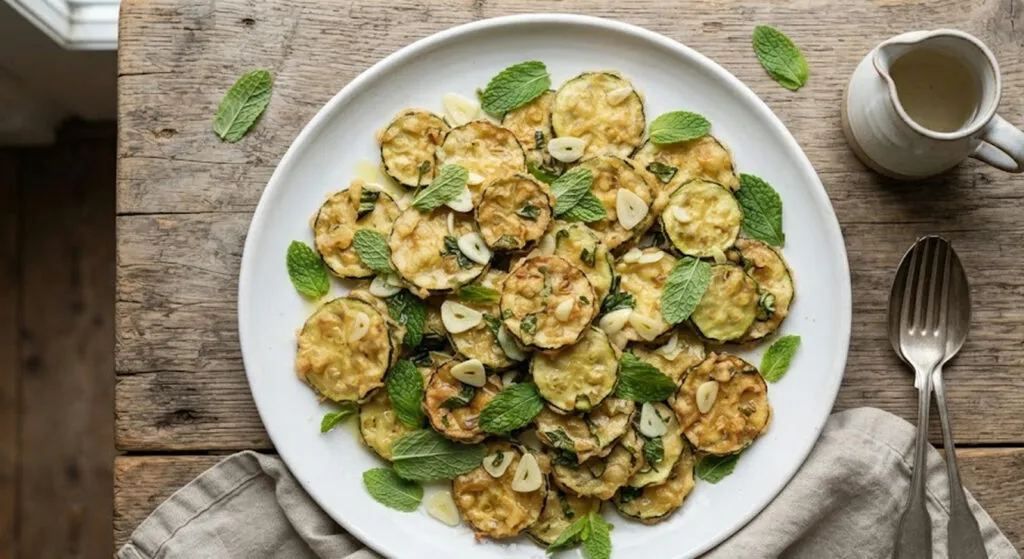
A kilo of courgettes, mint, garlic and eighty millilitres of vinegar. Not one expensive ingredient - and the water you...

Whoever beat all the eggs together made a different cake. And the glaze must not pass 45 degrees, or the...
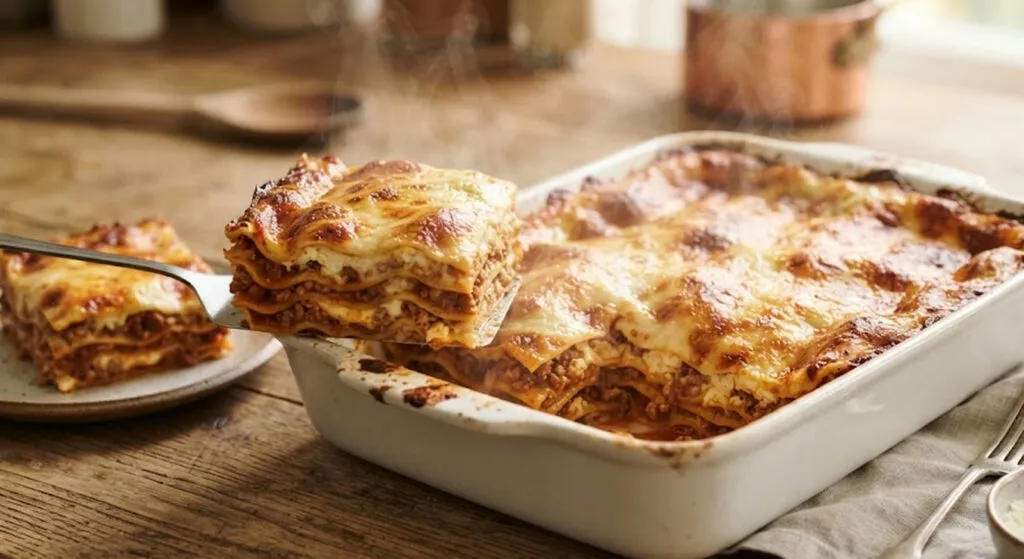
One rule applies to all three and it is the one most often skipped. It is not a recommendation to...
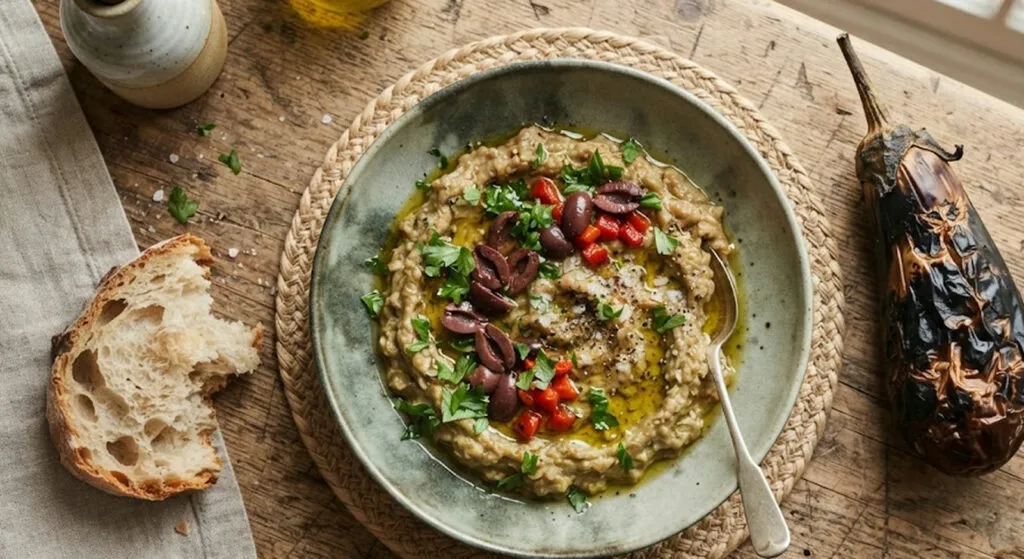
One single ingredient separates melitzanosalata from mutabal - tahini. Three aubergines, one clove of garlic, and an oven at 220...

The chicken ends up in the pan anyway. The salad that was sitting half a metre away does not.
This year the season started as early as August because of the heat. From breakfast to pizza - everywhere a...
The recipe is not hard, the temperature is wrong. Ten cream cheese canapés and the two rules without which none...
The image of boiled chicken breast is wrong. The indulgence is planned, not broken.
This site uses cookies - is that okay? Learn more
Be the first to know when Metla launches something new
Leave your email and we will write when there is a new guide or something new on Metla.