
The "Lottery" Trial: 231 Pieces of Evidence, and So Far Not a Single Message Between Grubi and Bajrami
24.09.2026


24.09.2026

24.09.2026

24.09.2026
24.09.2026
24.09.2026

24.09.2026

24.09.2026

23.09.2026

22.09.2026

24.09.2026

24.09.2026

23.09.2026

24.09.2026

24.09.2026

24.09.2026

24.09.2026

23.09.2026

22.09.2026

24.09.2026

24.09.2026

24.09.2026

24.09.2026

23.09.2026

23.09.2026

09.03.2026

27.02.2026

19.02.2026

24.09.2026

23.09.2026

22.09.2026

23.04.2026

23.04.2026

12.04.2026


Macedonian political rhetoric is once again escalating to its classic terrain - "national treason." VMRO-DPMNE accused the opposition SDSM and its leader Venko Filipče of hypocrisy regarding relations with Bulgaria. The trigger: SDSM statements blaming the current government for blocking European aspirations.
"There is no end to the hypocrisy of SDSM and Venko Filipče," the ruling party announced. "While they talk about the country's European path, they obstruct it and do not back the laws from the reform agenda in parliament." A classic PR strike - instead of a debate about policy differences, the discussion is about motives.
From VMRO-DPMNE the symbolic strike came too: "SDSM and Filipče are pandering to Bulgaria and signalling they are ready for a new national treason." The word "treason" in Macedonian political language is not rhetoric - it is a weapon. Politicians use it to delegitimise the opposition, not to open a debate.
The context is clear. Bulgaria continues to block Macedonia's European path over identity questions - language, history, nationality. VMRO-DPMNE attacks anyone trying to negotiate with Sofia as a "traitor of interests." At the same time, the government itself has to negotiate with Bulgaria if it wants to open the European chapter. Paradox: those who shout "treason" are the same ones who have to do that negotiation with Bulgaria.
SDSM, meanwhile, insists it is using a rhetorical sliver to do real politics. "As long as Filipče had not heard that Bulgaria denies the Macedonian identity, despite numerous statements from Bulgarian officials openly denying that identity, Goce Delchev, despite Bulgaria's demands to change school textbooks and despite the disputing of the language - we keep returning to the old question: who are we talking with?" - a paradigmatic response missing its logic.
For the citizen, the discussion is old and worn out. Macedonia has been in the European process for more than two decades. Every government has its reasons to claim the previous one "betrayed" the process. And every government, once in power, must negotiate under the same conditions. The question for the reader is not "who is the traitor," but - does the political vocabulary of Macedonian politics have any capacity for something beyond "treason"? So far it looks like it does not.
The latest 10 news from this category
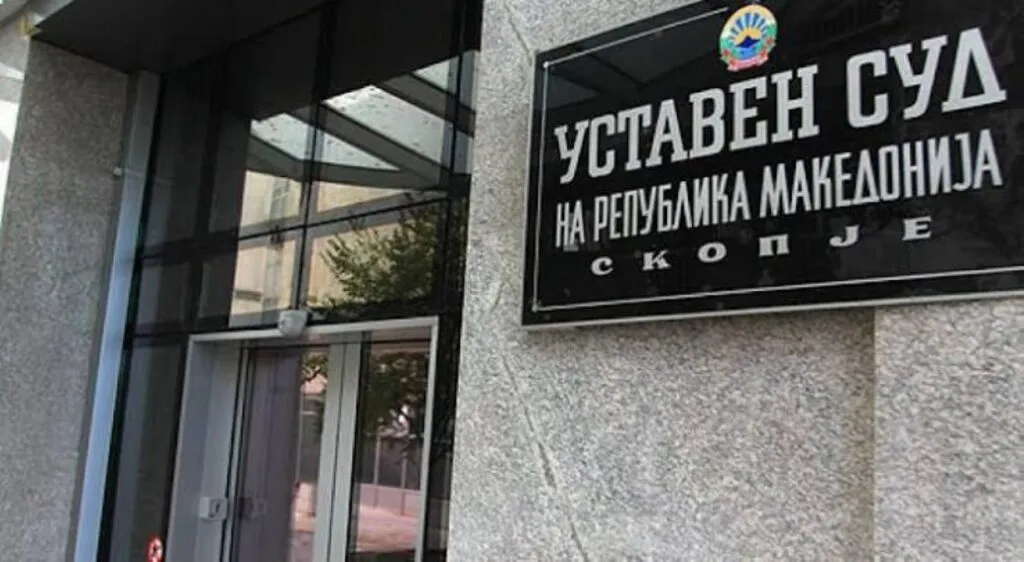
The majority of judges said "res judicata" and closed the matter. Darko Kostadinovski voted against, arguing that new parties start...
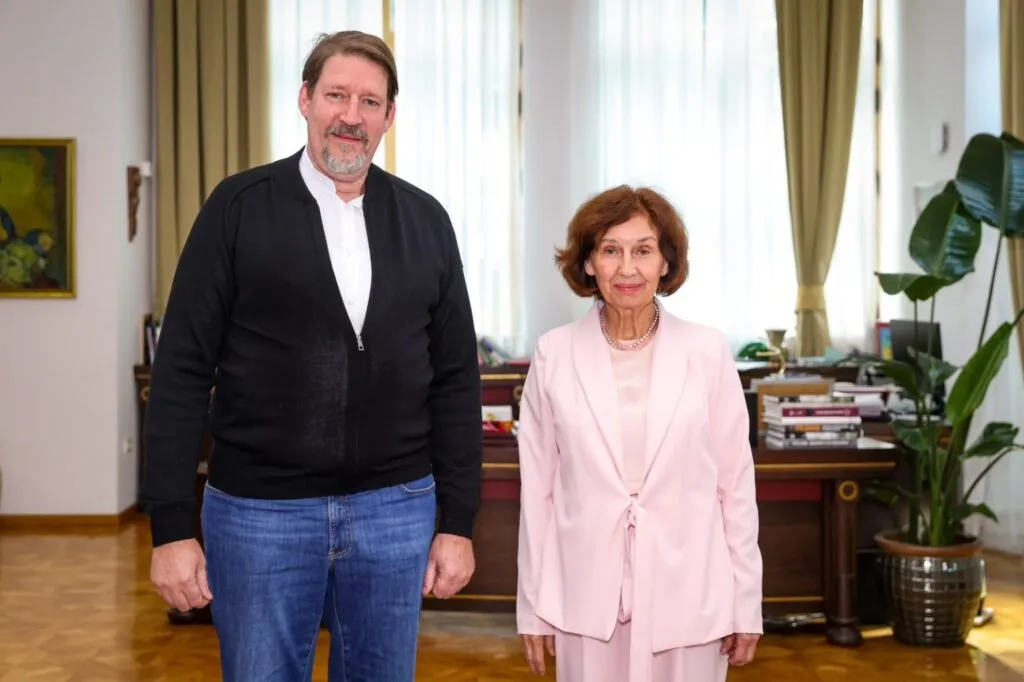
The President reminded him that after all the compromises, negotiations haven't even started. The European Parliament's rapporteur admitted to a...
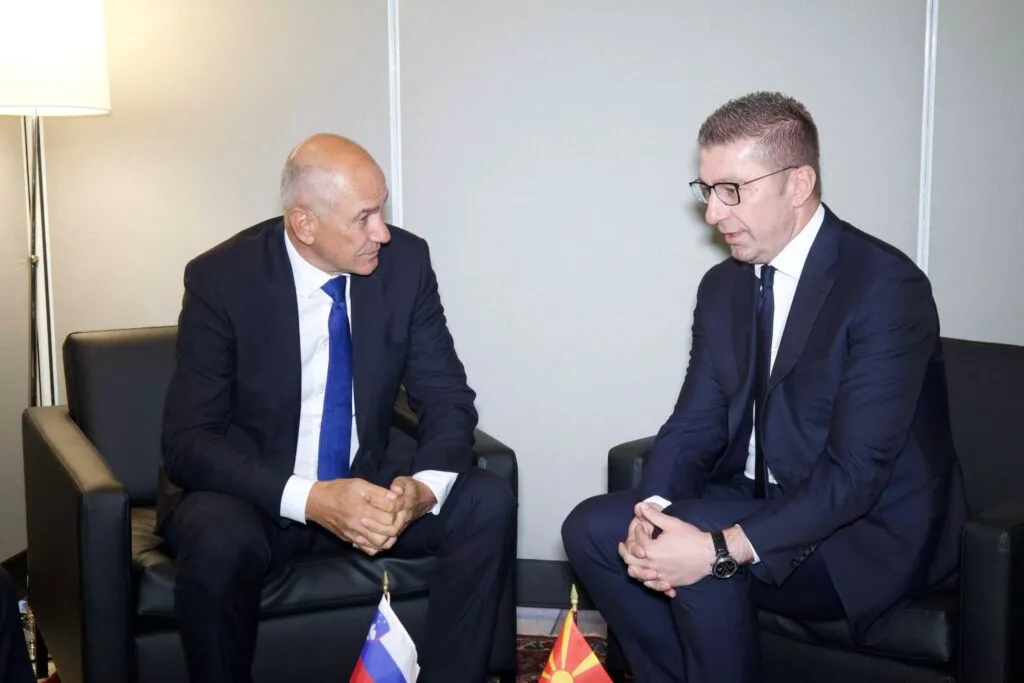
The flag, the Constitution and the name have all been changed, and the EU is no closer. The diagnosis is...
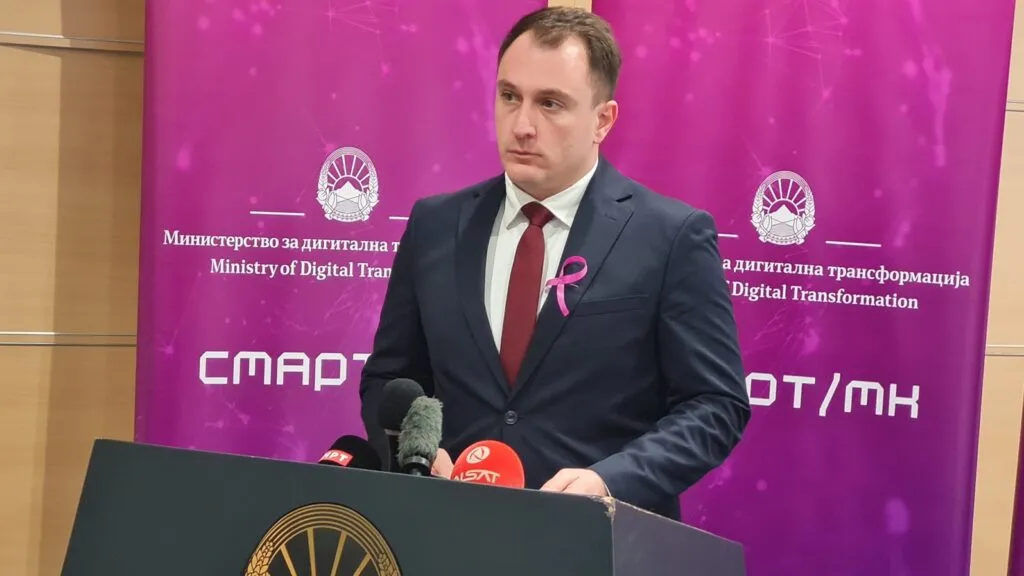
Andonovski admits there was no project, no study, and no figure for how many megawatts the facility would draw. The...

The video has no room, no table, no flags. In the same week the State Department redirected 52 million dollars...

The right to an opinion is not in dispute. The problem is that in certain offices the line between personal...
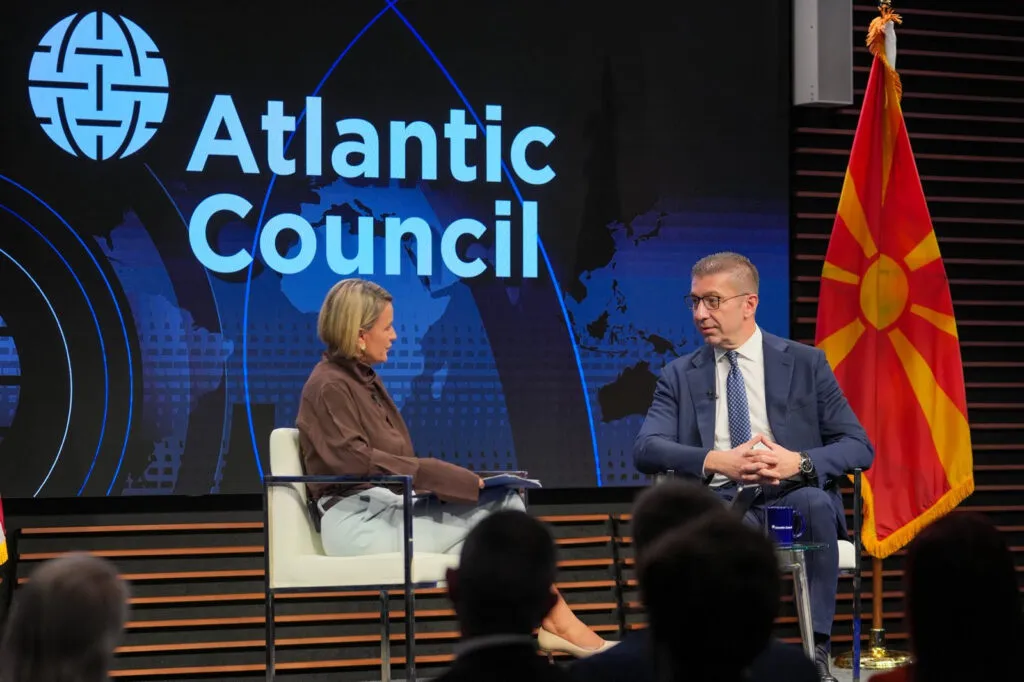
America sees us as a close friend, the prime minister says. A 200-billion portfolio, six data-centre companies, Chebren and Galishte....

Eight days of invitations to a joint test, then "report your dealers", then a criminal complaint over photographs and the...

From Washington, the prime minister asks for a third party at the table so the dispute stops being bilateral. Brussels...
Mickoski lays out the chain from Washington: pipeline, power, data centres, artificial intelligence. The order of the announcements runs backwards...
This site uses cookies - is that okay? Learn more
Be the first to know when Metla launches something new
Leave your email and we will write when there is a new guide or something new on Metla.