The "Lottery" Trial: 231 Pieces of Evidence, and So Far Not a Single Message Between Grubi and Bajrami
24.09.2026


24.09.2026
24.09.2026

24.09.2026
24.09.2026
24.09.2026
24.09.2026

24.09.2026
23.09.2026

22.09.2026

24.09.2026

24.09.2026

23.09.2026

24.09.2026

24.09.2026

24.09.2026

24.09.2026

23.09.2026

22.09.2026

24.09.2026

24.09.2026

24.09.2026

24.09.2026

23.09.2026

23.09.2026

09.03.2026

27.02.2026

19.02.2026
24.09.2026

23.09.2026

22.09.2026

23.04.2026

23.04.2026

12.04.2026

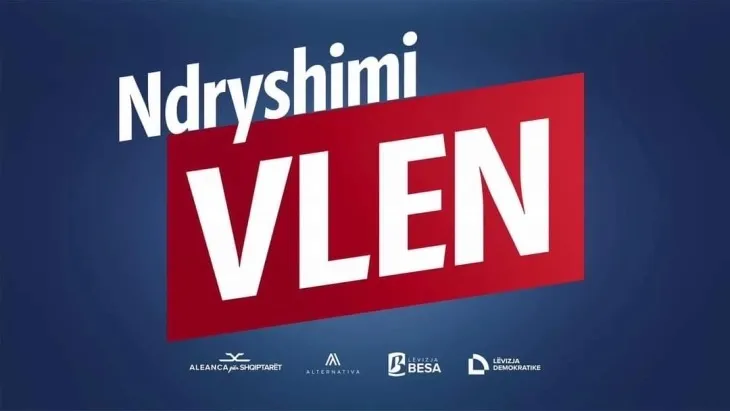
On May 9, Europe Day, Skopje will host the unification congress of the VLEN coalition. The five Albanian political subjects that made up the coalition bloc will officially become one political party. 850 delegates are expected at the Congress - making this one of the largest political consolidations within the Albanian political corpus in Macedonia in years.
"When VLEN was created, not everyone believed this journey would reach this point," the coalition says. "There were those who expected divisions, fatigue, and failure. There were also others openly working to make sure this unification never happened." Rhetoric suggesting the process was not straightforward. Translation: there were internal and external attempts to break the coalition - and it held.
VLEN's main argument is simple: fragmentation of the Albanian political bloc does not bring victories. "Albanians do not win when politics fragments, but when energy and representation unite and organise." An argument Albanian-bloc politicians had raised before but never managed to execute in practice. DUI was dominant for decades, then VLEN took its place. Now VLEN is consolidating into a single subject.
What does this mean for Macedonia's political landscape? First - more weight in coalition negotiations. A single unified party with an 850-delegate base can impose conditions more forcefully than five separate parties holding a common position. Second - a possible loss of diversity. When the Albanian political corpus was split among several subjects, citizens had more political options. One party means one political line.
For a Balkan reader this is not a new model. Similar "national bloc consolidation" processes have played out in Kosovo (with parties formed out of wartime movements), Albania (with the constellations around Edi Rama), and Bosnia (with the nationalist blocs). The question politicians rarely raise: is unification always progress, or sometimes also the closing off of alternatives?
One thing is certain. On May 9, Europe Day, a new chapter of Macedonia's Albanian politics will be written in Skopje. Whether that chapter is marked by success or by internal tensions - that will be decided by the people walking into the Congress tomorrow, and by the decisions they make with their 850 votes.
The latest 10 news from this category
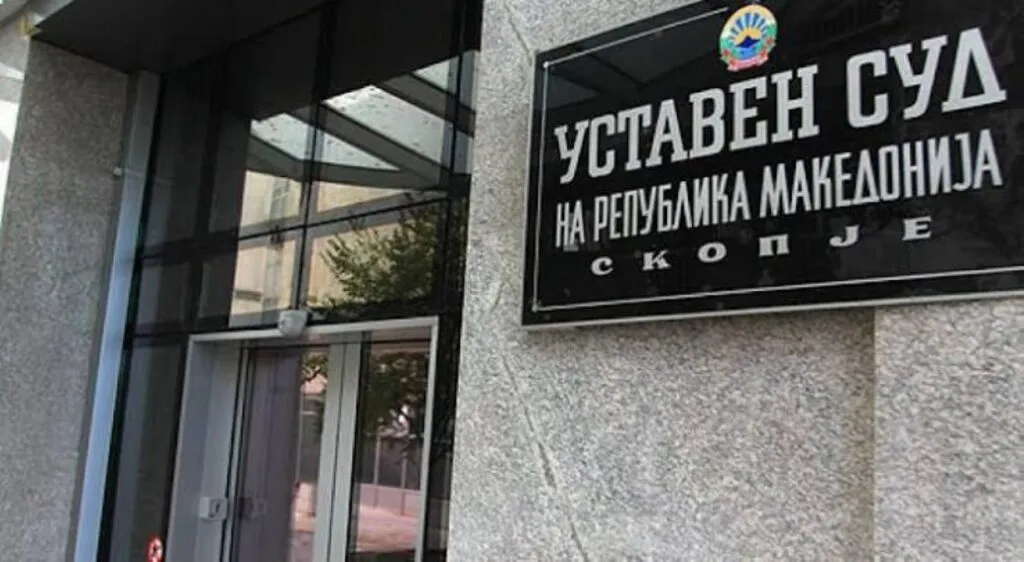
The majority of judges said "res judicata" and closed the matter. Darko Kostadinovski voted against, arguing that new parties start...
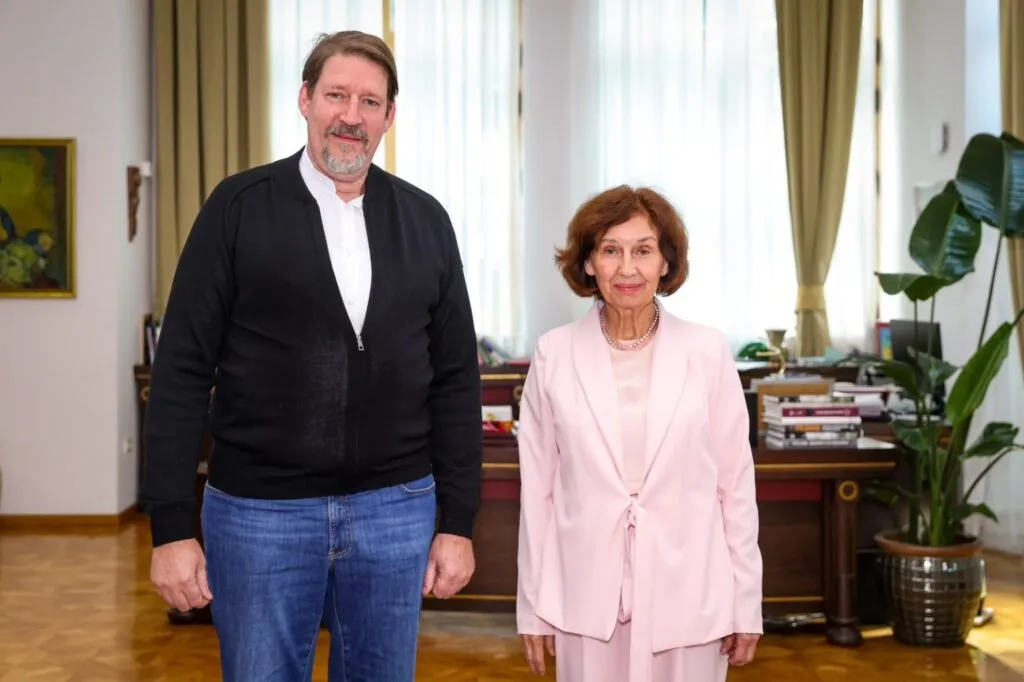
The President reminded him that after all the compromises, negotiations haven't even started. The European Parliament's rapporteur admitted to a...
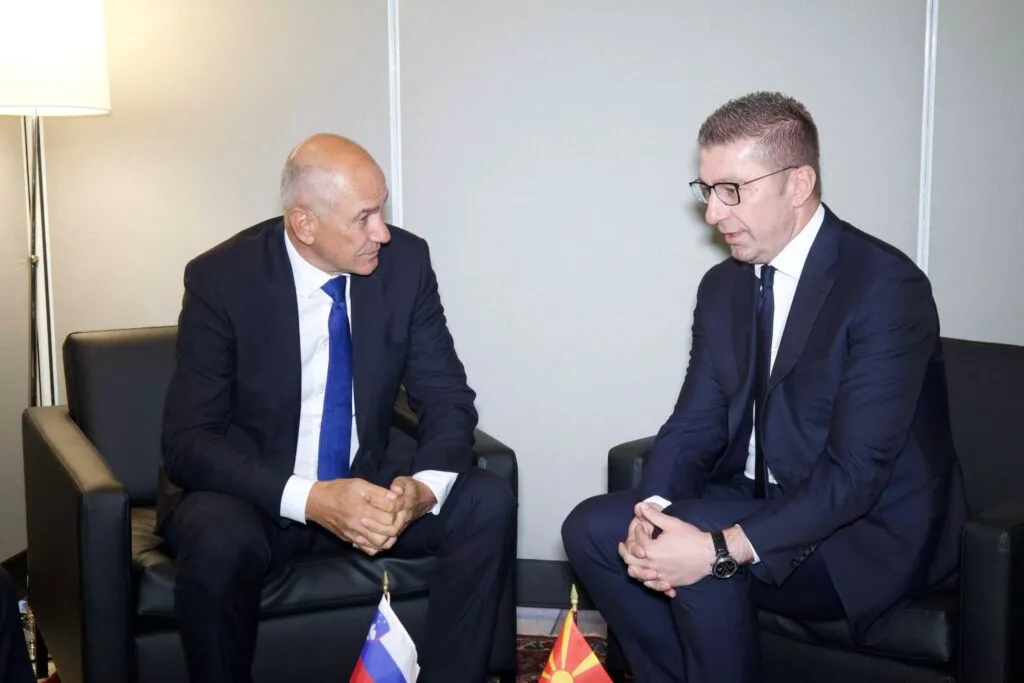
The flag, the Constitution and the name have all been changed, and the EU is no closer. The diagnosis is...
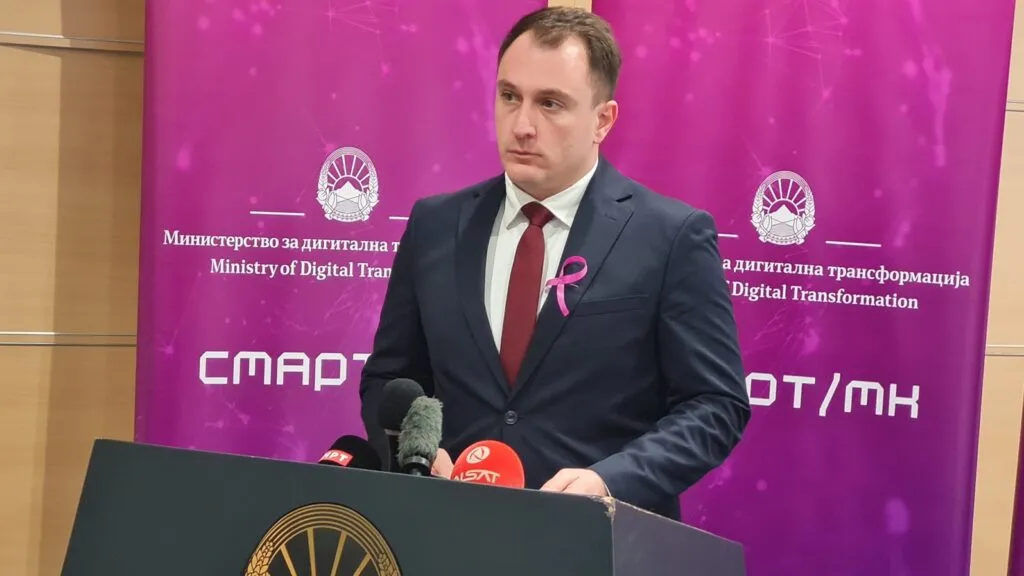
Andonovski admits there was no project, no study, and no figure for how many megawatts the facility would draw. The...

The video has no room, no table, no flags. In the same week the State Department redirected 52 million dollars...

The right to an opinion is not in dispute. The problem is that in certain offices the line between personal...
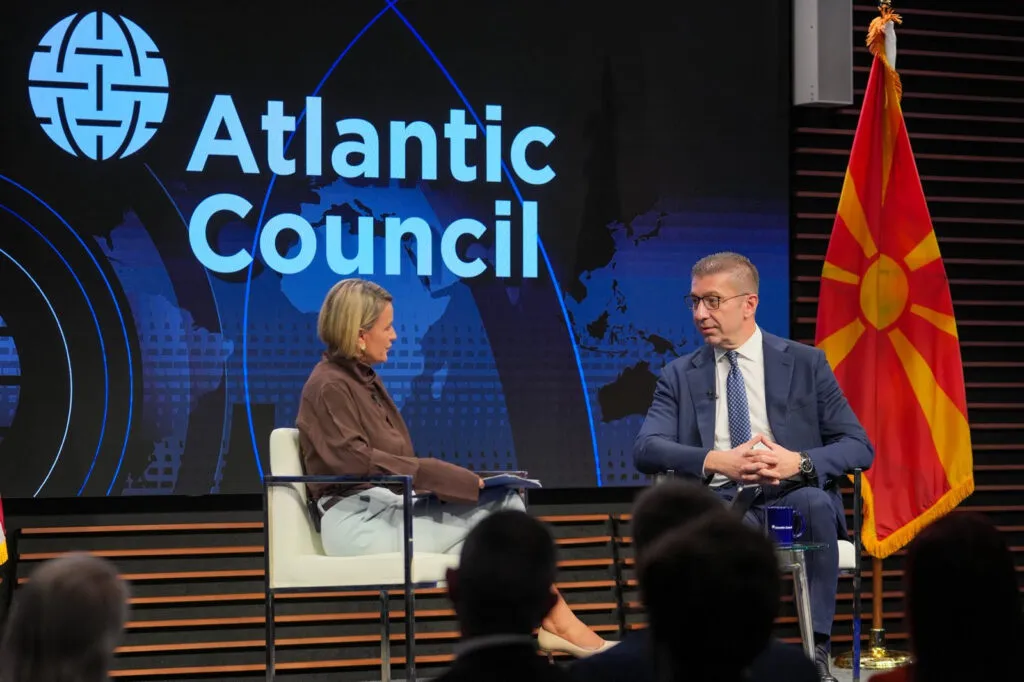
America sees us as a close friend, the prime minister says. A 200-billion portfolio, six data-centre companies, Chebren and Galishte....

Eight days of invitations to a joint test, then "report your dealers", then a criminal complaint over photographs and the...

From Washington, the prime minister asks for a third party at the table so the dispute stops being bilateral. Brussels...
Mickoski lays out the chain from Washington: pipeline, power, data centres, artificial intelligence. The order of the announcements runs backwards...
This site uses cookies - is that okay? Learn more
Be the first to know when Metla launches something new
Leave your email and we will write when there is a new guide or something new on Metla.