


State Lottery: Two Arrests Over an 80-Million-Denar Embezzlement, While the Star Witness in Court Changed His Story
06.10.2026


06.10.2026

06.10.2026

06.10.2026
06.10.2026

06.10.2026
06.10.2026
06.10.2026
06.10.2026

05.10.2026

06.10.2026
06.10.2026

05.10.2026

06.10.2026

06.10.2026
06.10.2026
06.10.2026
05.10.2026
04.10.2026

06.10.2026

06.10.2026

06.10.2026

06.10.2026

06.10.2026
05.10.2026

09.03.2026

27.02.2026

19.02.2026

06.10.2026

05.10.2026
04.10.2026
06.10.2026
05.10.2026
04.10.2026

23.04.2026

23.04.2026

12.04.2026

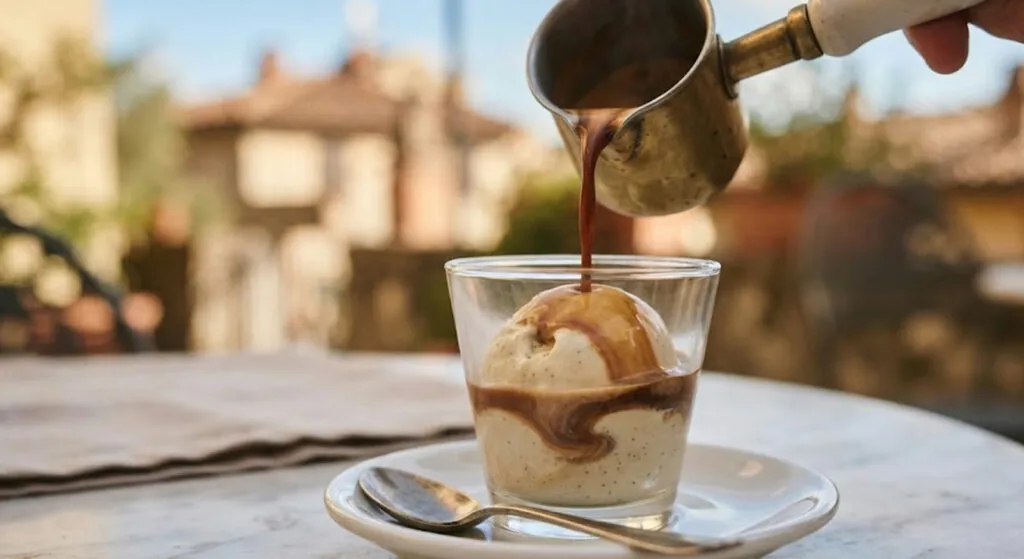
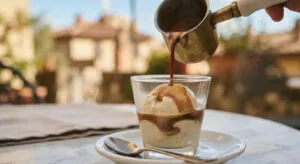
The Balkans know iced coffee with a scoop of ice cream and whipped cream: summer, a terrace, a straw, and by September we're done with it. Florentines do it the other way round. A scoop of gelato in a glass, hot espresso poured over the top, and it gets eaten in January just as much as in July. It's called affogato - literally "drowned" - and in Florence it isn't a dessert so much as an excuse for a whole walk around the city.
Its origins are a story in themselves. The popular version credits a Franciscan monk named Angelico in 17th-century Piedmont. Experts, however, say affogato earned its true icon status in the mid-20th century, especially the 1950s, when commercial espresso machines and modernised gelaterias spread it across Italy - and above all through Florence.
At Caffè dell'Oro, the café of the Portrait Firenze hotel, they explain the philosophy: "In Florence, gastronomy is built on simplicity, quality and respect for tradition - you choose a few excellent ingredients and let them speak." And the moment the coffee is poured is part of the show: "The hot coffee touches the cold gelato and instantly creates that wonderful contrast of temperature, texture and flavour." They also offer a gin version all year round because, they say, "affogato isn't tied to any season - in Florence, people eat gelato all year".
First stop: the classic
Start at Vivoli, at Via Isola delle Stinche 7r. The family opened a dairy in the Santa Croce neighbourhood back in 1929, later started making gelato, and has been serving affogato since the 1960s. The compulsory first order is the "Gran crema al caffè". In 2024 they opened a separate Affogato Bar next to the shop - after a video of their affogato reached more than 20 million people online. Nearly a century of tradition, turbocharged by a viral clip: that's how food tourism works these days.
Oltrarno and a quiet afternoon by the Arno
The route leads across Piazza della Signoria, the city's historic political heart, towards Oltrarno, the neighbourhood on the other side of the river. There you'll find La Carraia, at Piazza Nazario Sauro 25/r, which offers more modern versions - the most popular bases are pistachio and custard, with an intense, slightly salty taste. Closer to the river is Gelateria dei Neri, at Via dei Neri 20, named after one of Florence's oldest noble families. No experiments here: custard, vanilla or chocolate, with the espresso playing the lead role.
Along the way you can see the Vasari Corridor, built so that the Medici could walk from the Palazzo Vecchio to the Palazzo Pitti without mixing with the common people. They threw the butchers and traders off the Ponte Vecchio and put goldsmiths and jewellers in their place. Renaissance urban planning tailored to one family - sound familiar?
A view, then finish like a local
For coffee with a view, Gilli, founded in 1733, is one of the city's longest-running cafés, with a terrace overlooking life on the piazza - an essential Italian ritual. Before the finale it's worth wandering through the Mercato Centrale in San Lorenzo, a 19th-century iron-and-glass building full of fresh pasta, meat, vegetables and Tuscan specialities such as lampredotto and ribollita.
The tour ends at Badiani, at Viale dei Mille 20/r, open since 1932. They're famous for their own recipe for "buontalenti" cream, today one of Florence's most recognisable flavours. Under espresso, it may be the best answer to the question of why go to Florence in October at all.
Practical info
Amerigo Vespucci Airport is six kilometres from the centre and connected by tram and taxi. High-speed trains link Florence with Rome, Bologna, Milan and Venice, and the city itself is best discovered on foot. If you're after expensive accommodation with history, there's no shortage: Hotel Lungarno by the Ponte Vecchio, with over 400 works of art, or Tivoli Palazzo Gaddi, in a 16th-century palace with 86 rooms and a view of the cathedral. If you're not - affogato is the cheapest luxury in town anyway.
The latest 10 news from this category

Salmon soup by the harbour, Alvar Aalto on the UNESCO list and a village on the Arctic Circle with free...
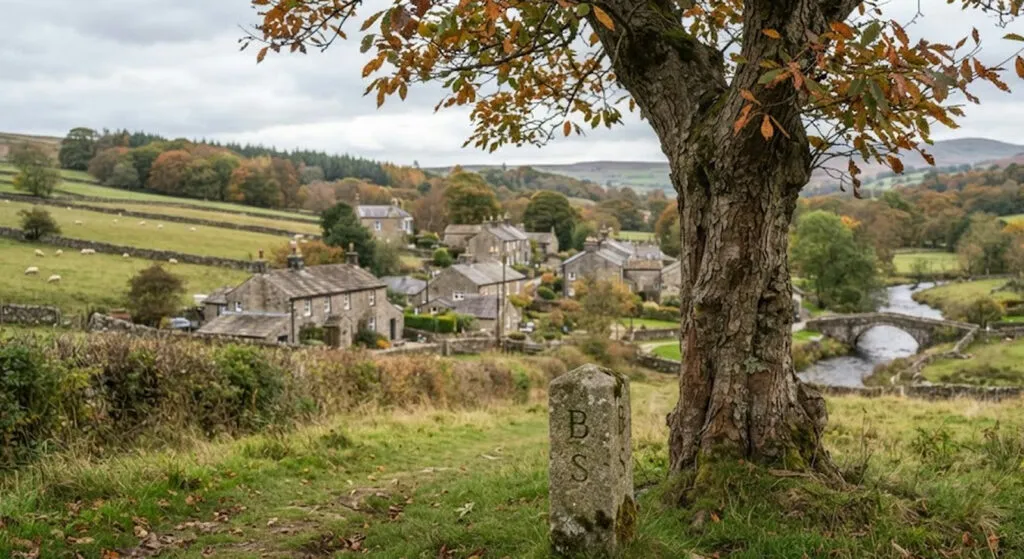
Between the two ends of the village there is only a boundary stone by a chestnut tree - and a...
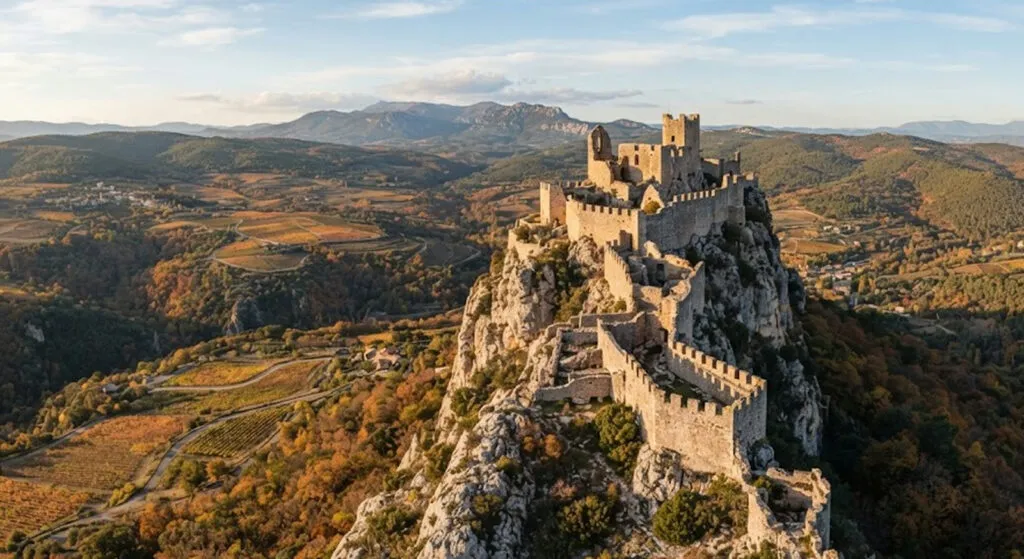
Everyone knows Carcassonne. Few have climbed up to its seven "little brothers" - fortresses that look as if they grew...
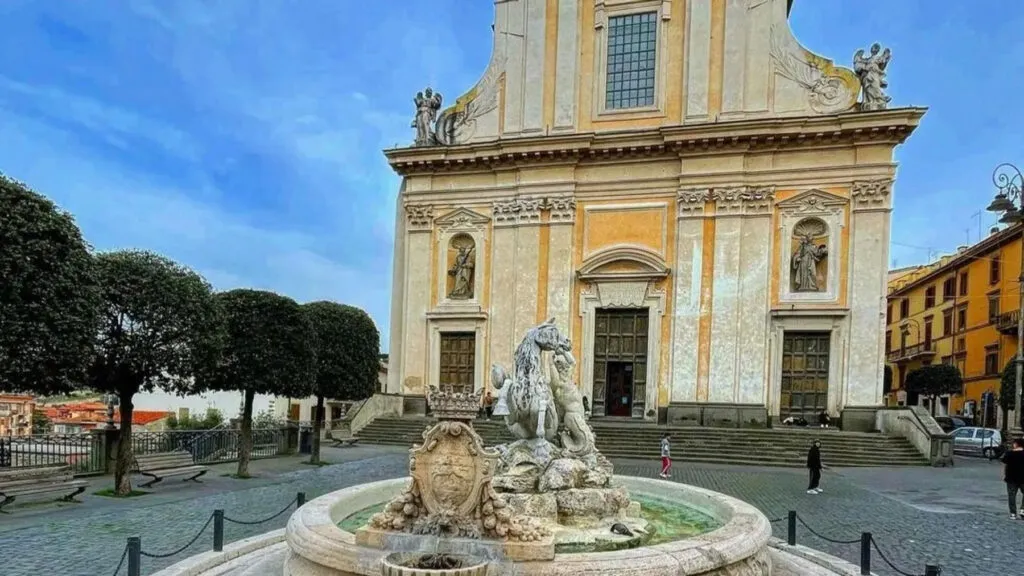
The fountain was built to celebrate victory over the Ottoman fleet at Lepanto, and the grape festival that fills it...
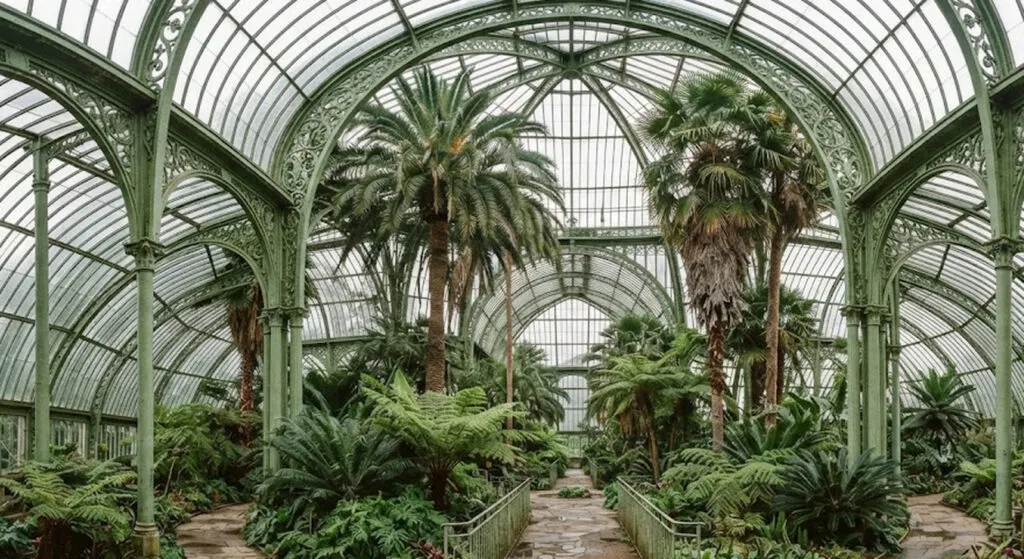
One moth that never left its cocoon opened the age of glass and iron. It left behind a Vienna greenhouse...

A Spanish actor went back to Canada decades after the trip he took as a child following his father's death....
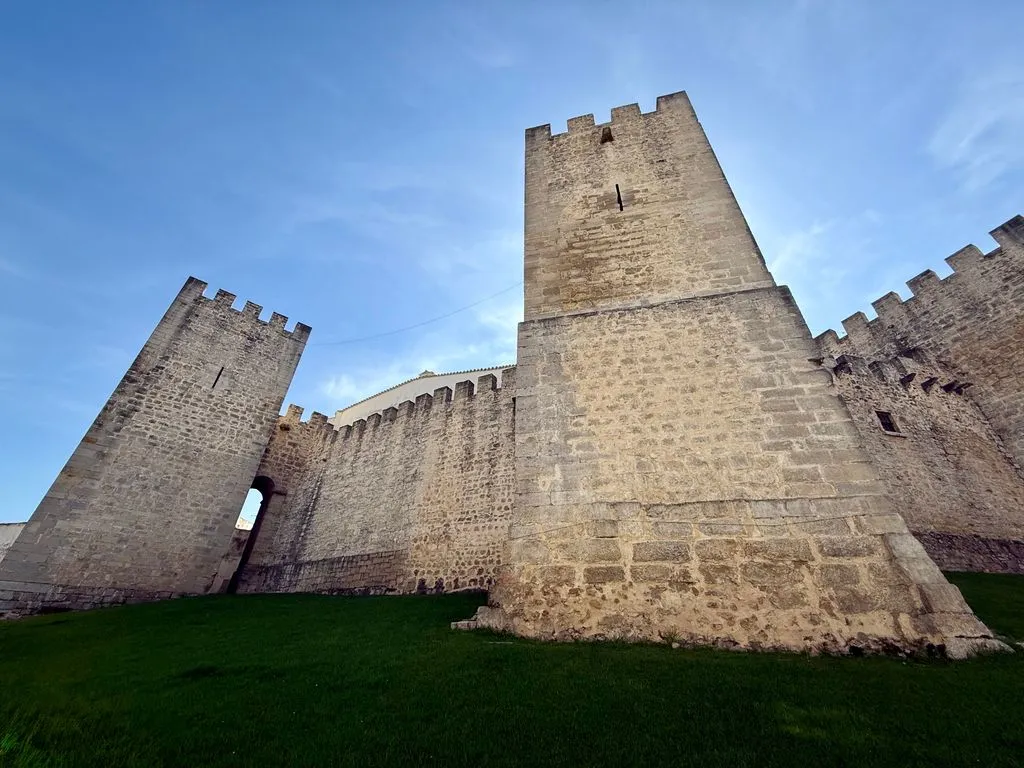
The Algarve isn't just beaches. Less than 20 kilometres from Faro there's a town where market eateries have to buy...
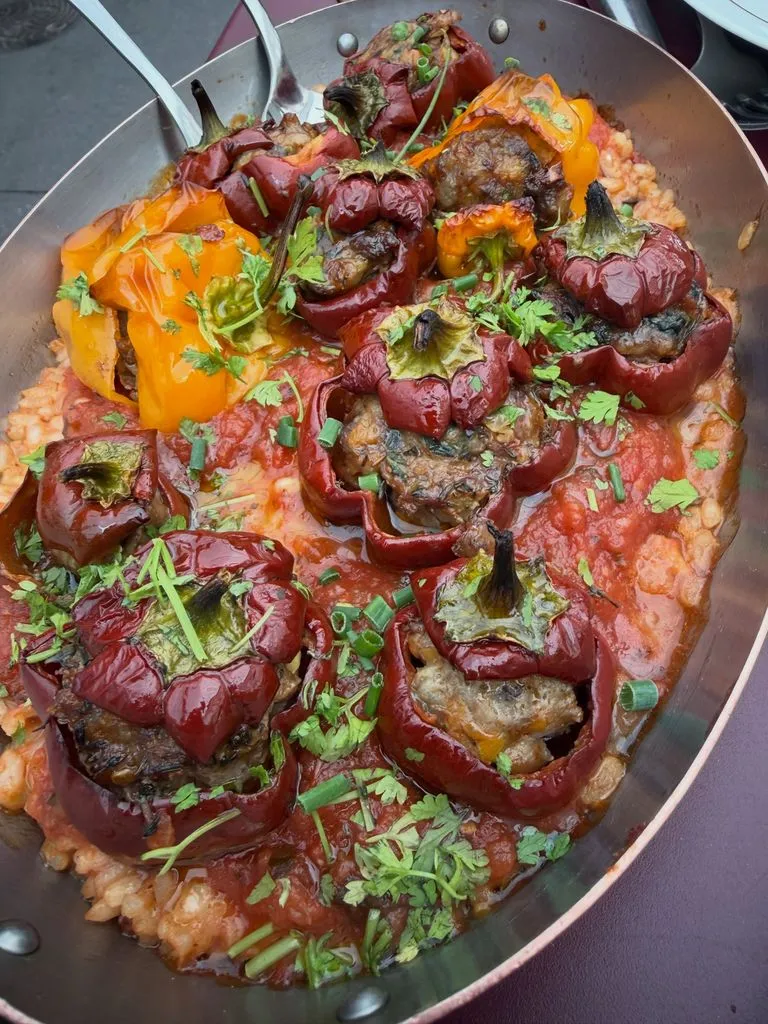
From 28 September to 6 October, Paris is a runway. And after the shows, the stars go looking for pepper...
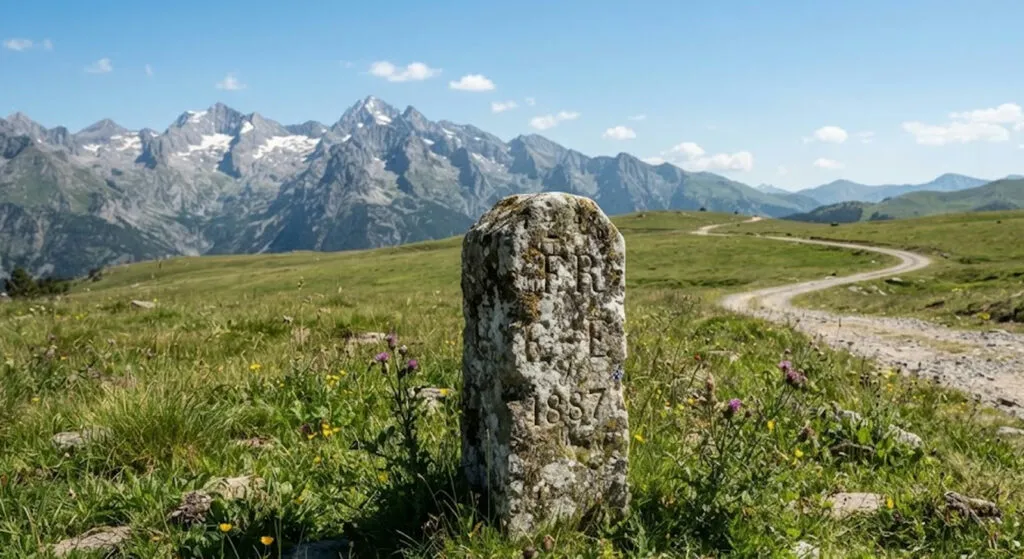
Around 1,500 residents, 12.9 square kilometers and a seven-kilometer road through another country. One of Europe's oldest pharmacies and the...
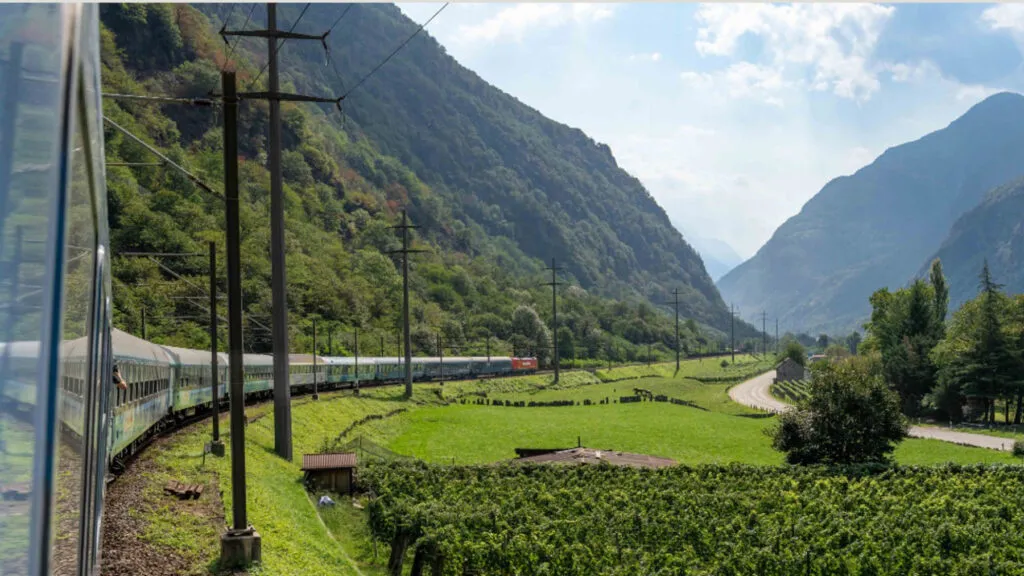
Cologne, Zurich, Lugano and Lake Como in one night, with stations in the centre of every city. Europe's night train...
This site uses cookies - is that okay? Learn more
Be the first to know when Metla launches something new
Leave your email and we will write when there is a new guide or something new on Metla.