

Glasses and a Wristwatch for a Tip-Off: Nine Charged Over Tax Inspections at the "Pulse" Nightclub
28.10.2026


28.10.2026

28.10.2026

28.10.2026

28.10.2026

28.10.2026

28.10.2026

28.10.2026

27.10.2026

27.10.2026

28.10.2026

28.10.2026

27.10.2026

28.10.2026

28.10.2026
28.10.2026

28.10.2026

27.10.2026

26.10.2026

28.10.2026

28.10.2026

28.10.2026

28.10.2026

28.10.2026
27.10.2026

28.10.2026

27.10.2026

27.10.2026
27.10.2026

26.10.2026

24.10.2026

23.04.2026

23.04.2026

12.04.2026

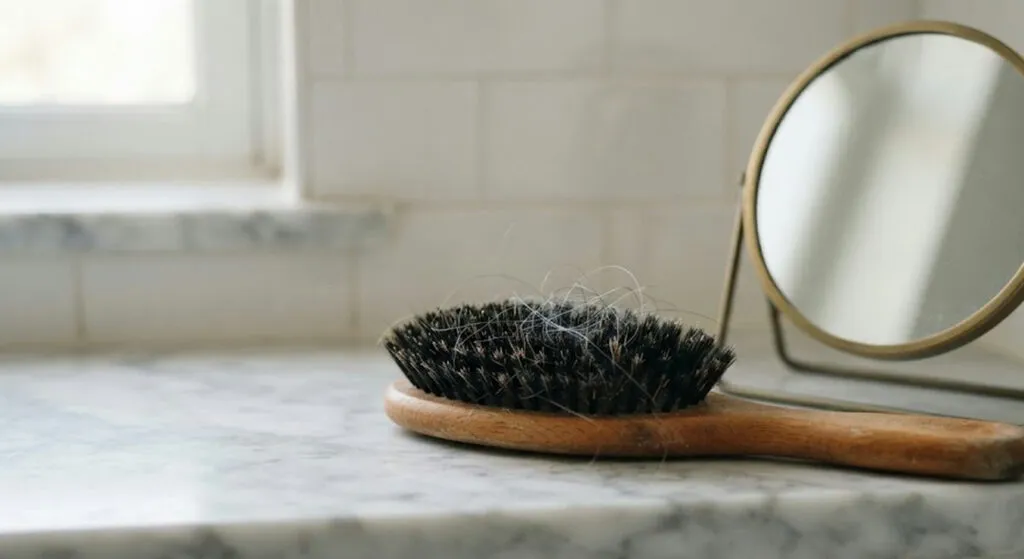
The first grey hair is usually greeted with panic in front of the mirror. Trichologist Santiago Cascero of the Hospital Capilar clinic has a calmer message: greying is a natural process, as inevitable as wrinkles, and if your parents went grey early, the odds that the same will happen to you are high.
What's actually happening
Hair turns grey when the follicles stop producing melanin, the pigment that gives it colour. With age, the pigment-producing cells, the melanocytes, work less well or less pigment reaches the hair. The stem cells that replenish them can also run out. Besides ageing, greying is influenced by chronic stress, nutrient deficiencies and genetics.
When it counts as "too early"
According to medical sources, greying is considered premature when the first white, silver or grey hairs appear before the age of 20. The clinic also gives other thresholds: before 25 in people of Asian descent and before 30 in people of African descent. The clinic itself calls these approximate figures and says each case should be looked at individually.
Cascero is even more specific: "These are guideline figures, not universal criteria." A few grey hairs at 25 or 30 can be ordinary variation, especially when early greying runs in the family. What matters far more is how fast the process is moving, what the family pattern looks like and whether there are other symptoms.
Genetics decides, but it isn't maths
Genetics, according to the trichologist, plays a decisive role in early greying. If your parents went grey early, the probability is high - but it's not a mathematical rule. A serious vitamin B12 deficiency, thyroid problems and other metabolic disorders can also play a part.
Do you need a blood test?
A healthy adult with their first grey hair doesn't need a whole battery of tests. A blood test makes sense if greying began in childhood or puberty, if it's progressing quickly, or if it comes with fatigue, weight loss, skin changes or hair loss. Then doctors check the blood count, iron stores, B12 and thyroid function. It's also worth seeing a trichologist when colour disappears in localised patches, or when hair is falling out excessively.
The miracle product doesn't exist
Here comes the sentence the cosmetics industry least wants to hear. According to the clinic, there is currently no medical treatment or cosmetic product with a proven effect that reverses greying or prevents it when it's the result of natural ageing. With a nutrient deficiency or a treatable illness, colour can sometimes partly return, but nobody can predict whether the original shade will come back.
Maybe that's why more and more women are giving up the fight. Andie MacDowell wears her silver hair at 68, and Queen Letizia of Spain doesn't hide her greys. Stylist Carlos Ortigosa says women today want their natural colour, cared for and healthy, rather than grown-out roots and wrecked, artificially dyed hair. How much money have we spent on dye before someone told us grey is a choice, not a defeat?
The latest 10 news from this category

Floral motifs, textured fabric, burgundy, deep green and gold. Dior puts them on the runway, and the street is already...

Exercise oxygenates the skin like a treatment, the beautician says. But a face mask at the gym and make-up under...

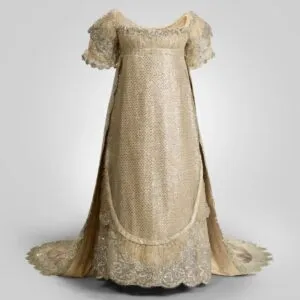
She was meant to be Queen of England. Instead of the Prince of Orange she chose Leopold, later the first...

A floral dress, a grey coat, pearls and a wooden platform. The industry sorts trends by age - Parker broke...

Britain was living on ration books, yet a thousand guests gathered in Romsey. The bride would later drive tanks into...
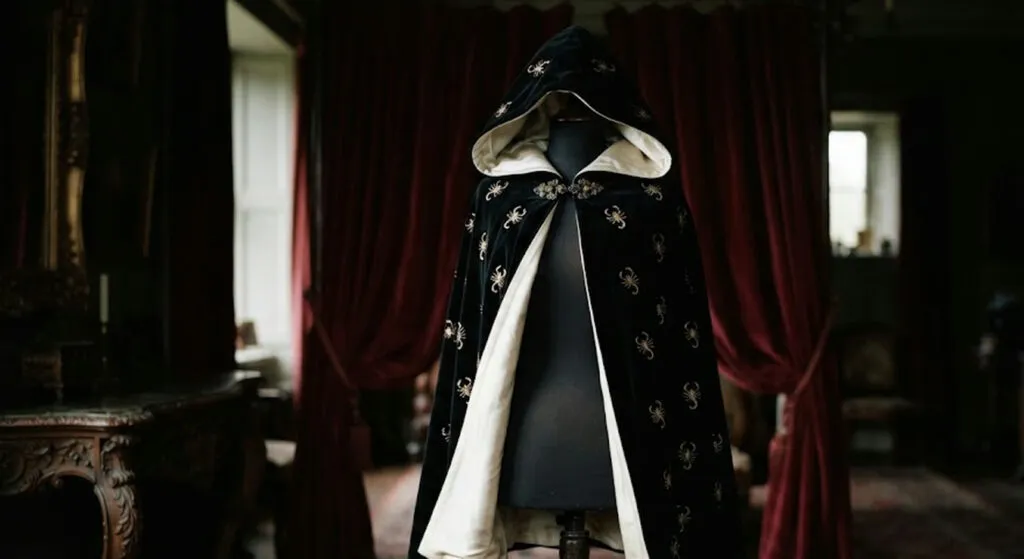
A black velvet cape, silk lining, embroidered scorpions - and a Scorpio under the hood. The Kardashian family has turned...

The more you touch thinning hair, the faster it gets greasy. Four changes to your routine that don't require an...

"I'm a traditional and classic bride," she said at the time. Seventeen years later, the father of the bride is...

"People get upset when I bring out my hats," she wrote - and instead of an apology, she posted a...
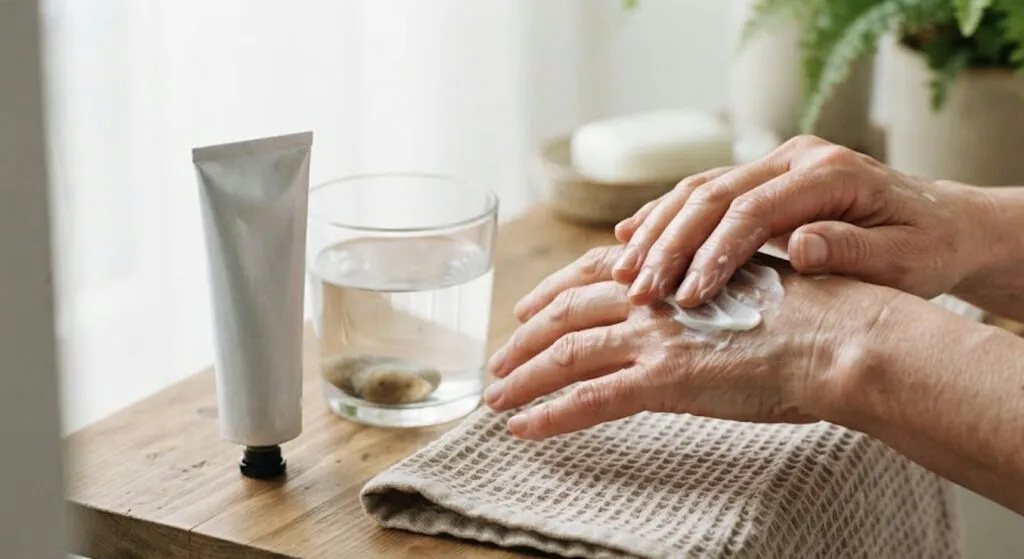
Hand creams range from 6.95 to 36 euros, and the most important advice needs no clinic: sunscreen every day and...
This site uses cookies - is that okay? Learn more
Be the first to know when Metla launches something new
Leave your email and we will write when there is a new guide or something new on Metla.


