

Glasses and a Watch for a Heads-Up on Tax Inspections: Nine Charged With Bribery and Forgery Around Puls
27.10.2026


27.10.2026

27.10.2026

27.10.2026

27.10.2026
27.10.2026

27.10.2026

27.10.2026

27.10.2026

26.10.2026

27.10.2026

27.10.2026

26.10.2026

27.10.2026
27.10.2026

27.10.2026
27.10.2026

26.10.2026

25.10.2026

27.10.2026

27.10.2026

27.10.2026

27.10.2026

26.10.2026
26.10.2026
27.10.2026
26.10.2026

24.10.2026

23.04.2026

23.04.2026

12.04.2026

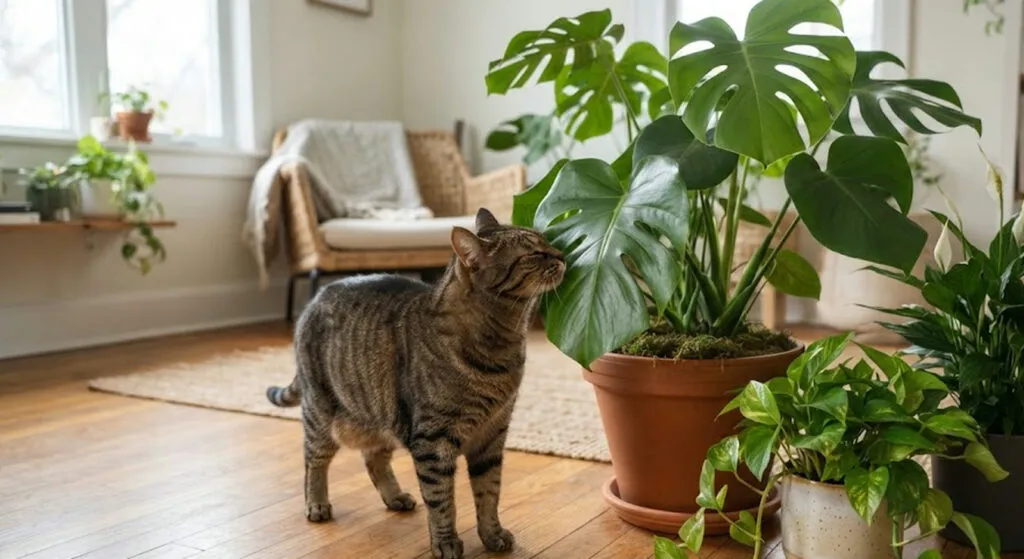
The monstera in the corner, the pothos trailing from the shelf, the bouquet of lilies on the table. The home looks straight out of a magazine, while the cat or dog wanders between plants that can poison them. Not every houseplant is toxic, and the risk also depends on the animal. So the first rule is simple: identify the plant by its scientific name, because common names can fool you.
Dieffenbachia: the trouble starts when it's chewed
Dieffenbachia (Dieffenbachia spp.) contains insoluble calcium oxalate crystals that irritate the mouth, tongue and lips. Signs include heavy drooling, nausea, vomiting and difficulty swallowing. If your pet has bitten it, call the vet, and move the plant out of reach.
Monstera: watch the lower leaves
The trendy monstera (Monstera deliciosa), found in almost every home with any claim to style, contains the same insoluble oxalates. It causes drooling, mouth irritation, vomiting and trouble swallowing. A tall pot isn't enough here: check how low the bottom leaves reach.
Pothos: hanging plants get chewed too
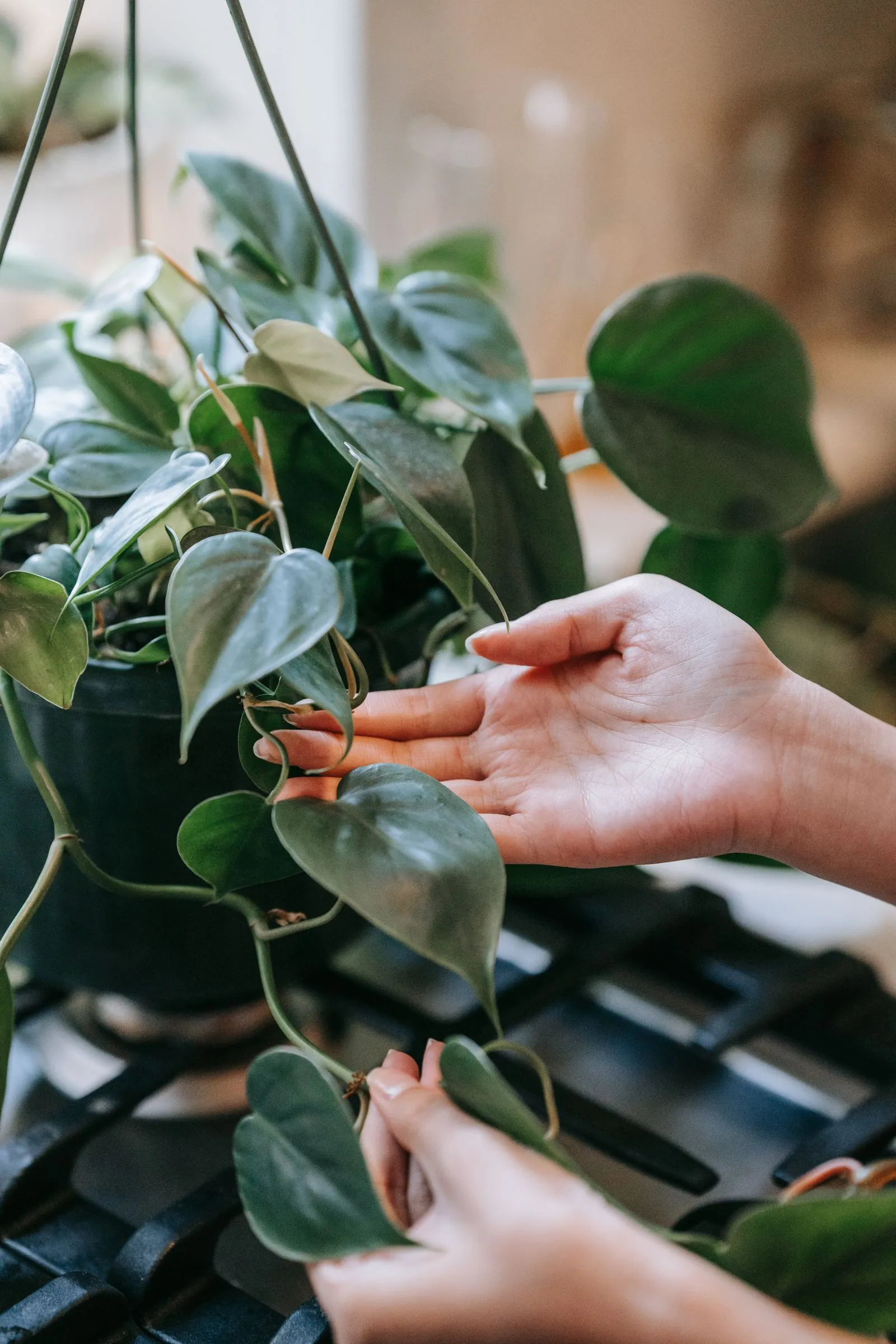
Pothos (Epipremnum aureum) also contains insoluble calcium oxalate and causes mouth pain, drooling and vomiting. Hang it high and the cat can still climb up to it. Cuttings in a glass of water and trimmed stems left on a table are just as dangerous.
Peace lily: not a true lily
Spathiphyllum (Spathiphyllum spp.), also known as the "peace lily", is a lily in name only. It contains insoluble calcium oxalate, and its toxicity is different from that of true lilies: mouth pain, drooling, vomiting and difficulty swallowing.
Lilies: the dangerous bouquet
True lilies, of the genus Lilium, are extremely dangerous for cats. The whole plant is toxic, including the pollen, which a cat can swallow while grooming. They can cause acute kidney failure. Even the water in the vase can be poisonous. If your cat has been exposed to a lily, call the vet immediately, even if there are no symptoms at all. The birthday bouquet you brought home may be the most dangerous object in the flat.
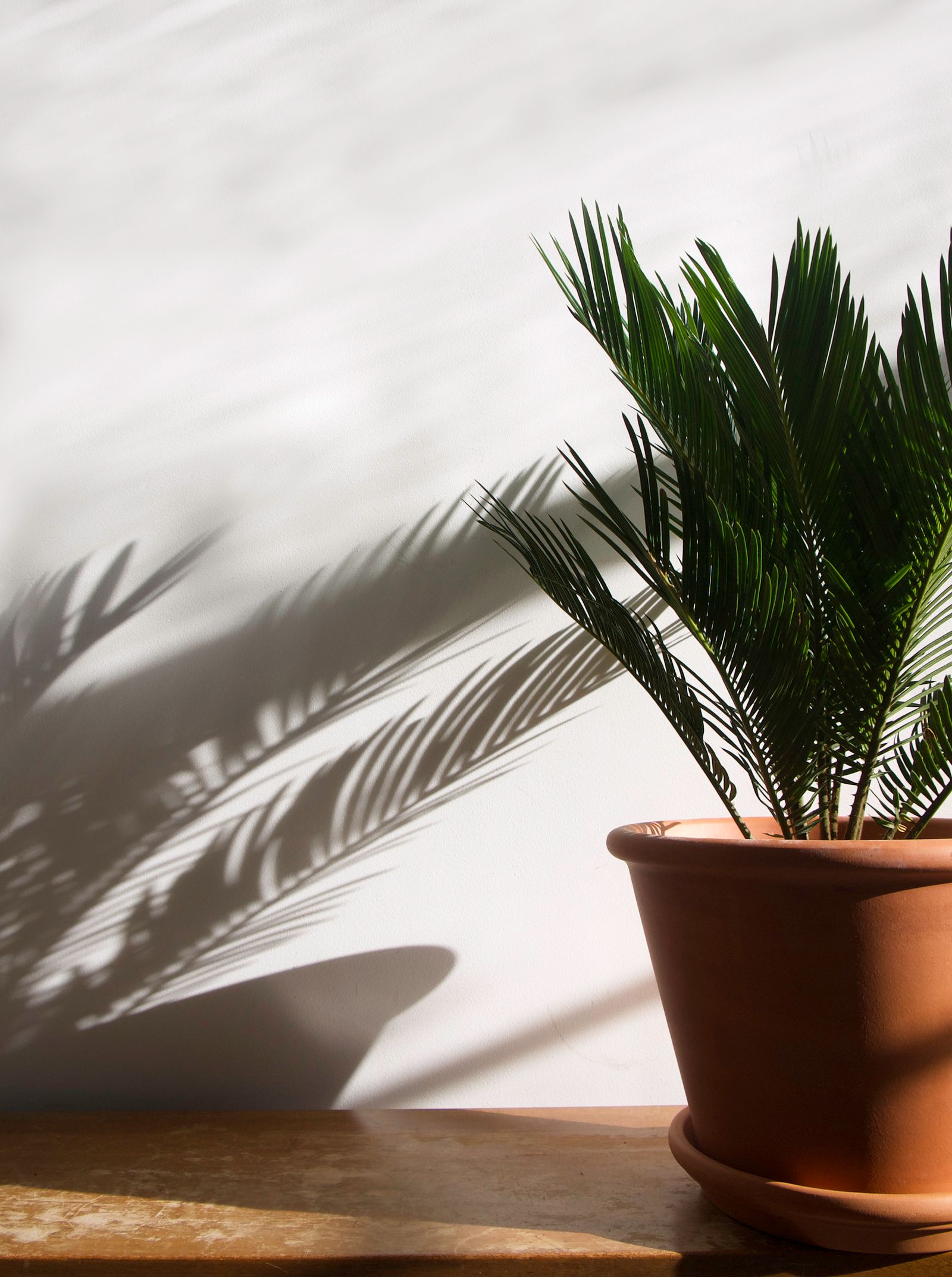
Sago palm: the seeds are the worst
The cycad (Cycas revoluta), also known as the sago palm, is toxic in every part, and especially in its seeds. It causes vomiting, diarrhoea and severe liver damage. In serious cases it also causes blood-clotting disorders, which can be fatal.
Oleander: the flowers aren't worth the risk
Oleander (Nerium oleander) contains cardiac glycosides in all its parts. It causes vomiting, weakness and heart rhythm disturbances and can be fatal for both dogs and cats. Oleander is common on terraces and in gardens all over the Mediterranean - exactly where dogs roam unsupervised.
Azalea: a bloom that calls for caution
Azalea (Rhododendron spp.) contains grayanotoxins. Signs are vomiting, diarrhoea, drooling and weakness, and in severe cases the cardiovascular system is affected too. Don't plant it in planters your pet can easily reach.
Aloe vera: the cosmetics can mislead you
Aloe vera sits in every bathroom as a symbol of something healthy. If an animal eats the leaves, it can suffer vomiting, diarrhoea and lethargy. The latex from the leaf is not the same as the purified gel from the shop. Don't give homemade aloe preparations to your pet without a vet's advice.
Ivy: watch the trailing stems
Common ivy (Hedera helix), if swallowed, can cause vomiting, abdominal pain and diarrhoea. In some animals it also irritates the skin. Keep an eye on where its stems hang down - what's decoration to you is a toy to a cat.
What to do if your pet eats a toxic plant
Call the vet as soon as possible, even if there are no symptoms. Remove the plant and, if you can, photograph it or keep a piece of it. Say when it happened, which part the animal ate and roughly how much. Don't induce vomiting and don't give milk, medicines or home remedies. If the animal is struggling to breathe, having seizures or losing consciousness, go straight to an emergency vet.
Before you buy your next plant, read the label and the scientific name. How many of us ever ask at the florist whether a plant is safe for a cat?
The latest 10 news from this category

All the gardens in one neighbourhood together form a network that feeds birds and bees. The question is whether yours...

The answer to the heat is not turning the garden into cacti. Twelve steps for autumn, and the first is...

The most common mistake with a freshly planted plant is not the variety or the soil, but the water. The...

The assumption that August is followed by three brown months of waiting is not true - it is the consequence...

The garden stops being an ornament and becomes infrastructure. What is a Valencian experiment today is an ordinary back yard...

The blue rectangle in the corner of the garden is no longer the law, but the real mistake is not...

That explosion of colour spilling over Mediterranean walls asks for just two things - sun and a little thirst. And...
For months of flowers and that heady scent, common jasmine asks you to do a few things right. The most...
Not a scent from a spray can, but something alive that calms you. Sometimes the freshest home is the one...

The difference between a terrace that collects plants and a terrace where you stay lies in a few decisions that...
This site uses cookies - is that okay? Learn more
Be the first to know when Metla launches something new
Leave your email and we will write when there is a new guide or something new on Metla.