


Glasses and a Wristwatch for a Tip-Off: Nine Charged Over Tax Inspections at the "Pulse" Nightclub
28.10.2026


28.10.2026
28.10.2026

28.10.2026

28.10.2026

28.10.2026
28.10.2026

28.10.2026

27.10.2026

27.10.2026

28.10.2026

28.10.2026

27.10.2026

28.10.2026

28.10.2026

28.10.2026

28.10.2026

27.10.2026

26.10.2026

28.10.2026

28.10.2026

28.10.2026

28.10.2026

28.10.2026
27.10.2026

28.10.2026

27.10.2026

27.10.2026
27.10.2026

26.10.2026

24.10.2026

23.04.2026

23.04.2026

12.04.2026

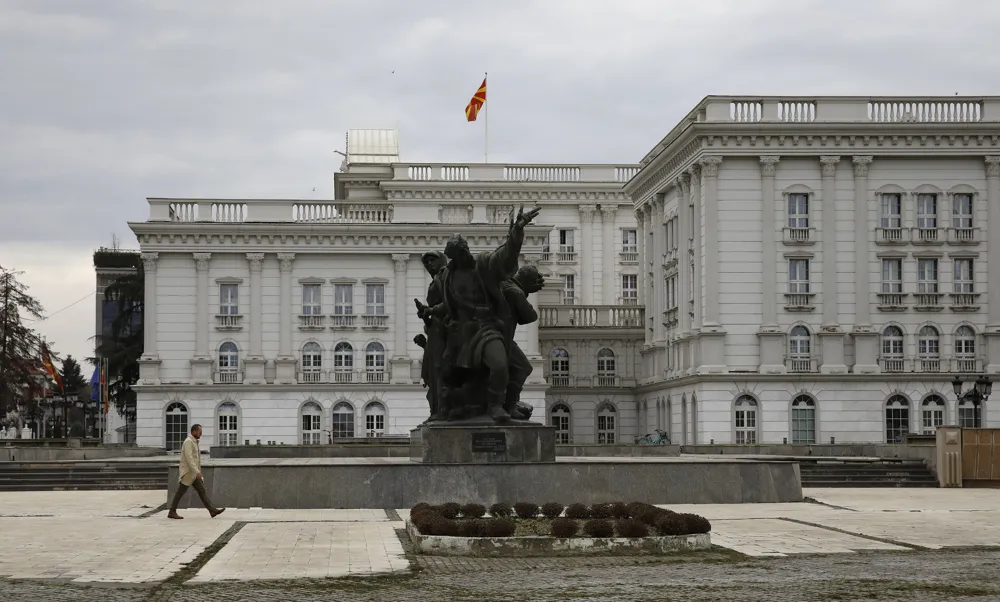
Thousands of people in state institutions have been working every single day for years, yet on paper they are "contractors": on service contracts, copyright contracts or hired through temp agencies. They have no security about tomorrow, and some don't even get paid leave, social insurance or pension contributions. Now a bill is before parliament that promises to turn them into permanent employees.
"Today we are correcting a decade-long injustice. We are solving a problem that for years was kept quiet, postponed and passed from one institution to another," said VMRO-DPMNE MP Bojan Stojanoski, who presented the bill on transforming these contracts into regular employment.
Who's in, who's left out
The law covers state government bodies, local government units, public enterprises, funds and institutes, as well as public institutions in health care, culture, child protection and social welfare. Left out are joint-stock companies, military and civilian personnel in the Army, primary and secondary schools, pupil and student dormitories, universities and research institutions, as well as the Interior Ministry, the National Security Agency, the Intelligence Agency, the Financial Police and the Financial Intelligence Office.
The transformation isn't automatic. It will depend on the type of contract, the institution, its job classification and, in the end, on the Ministry of Finance, which must give financial approval - and can refuse it if the hire doesn't fit the institution's budget.
The deadlines: within 90 days of the law taking effect, institutions must issue the decisions or sign the contracts. In the first wave, according to the detailed explanatory note, up to half of those covered become employees immediately, and the rest no later than 31 December 2027. While the procedure is running, institutions may not terminate their engagement except for a serious breach of duties.
We've seen this film before
This isn't the first law of its kind. In February 2015 the state adopted an almost identical solution, also in phases, with a three-month deadline. Back then, future service contracts were capped at just 1% of employees, with the threat of prison for managers. Even so, eleven years later the contractors had piled up again - enough to need a new law.
The new bill is looser. From 1 January 2028, institutions will be allowed to take on contract staff up to 10% of the number of employees they had at the end of the previous year, and directors who break the cap face fines of 250 to 500 euros. If a rule backed by the threat of prison didn't stop the old contractors, what's going to stop new ones under a cap ten times higher, with a fine instead of a cell?
The latest 10 news from this category

The region is heading for 3.4%, Macedonia the other way. And only a third of new export ventures in the...
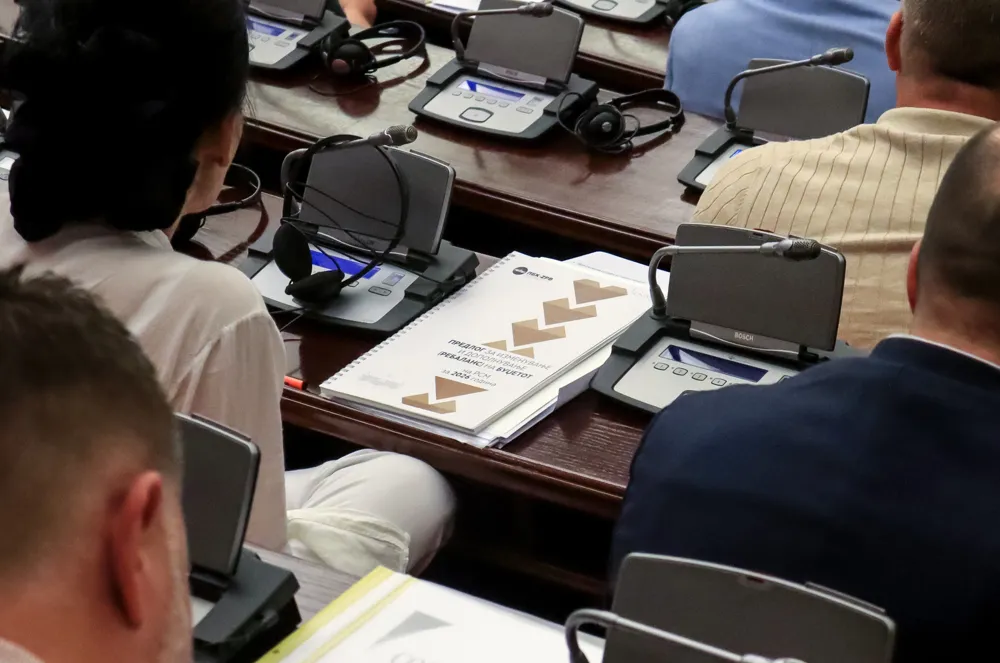
Revenue and spending are each cut by 5.3 billion denars. When the money runs short, the first thing to go...

The chatbot allegedly wrote her a taper schedule down to zero pills and praised her for refusing a blood test....

Former Amazon executives raised $2.1 billion for factories, not chatbots. They call deindustrialisation a security risk - the Balkans know...

The bank isn't banning AI agents - it's just reminding you that you're the one on the hook for everything...

Levica filed it, SDSM backed it, the majority voted it down. The minister says she built her ministry "from scratch"...
AI hyperscale data centres draw hundreds of megawatts, the biggest over 1,000. The government is negotiating with five or six...

The company that warns its technology could be dangerous for humanity is now asking the stock market for money. The...

Nearly a billion dollars in two years, for a kit that drives the excavator instead of a person. The company...
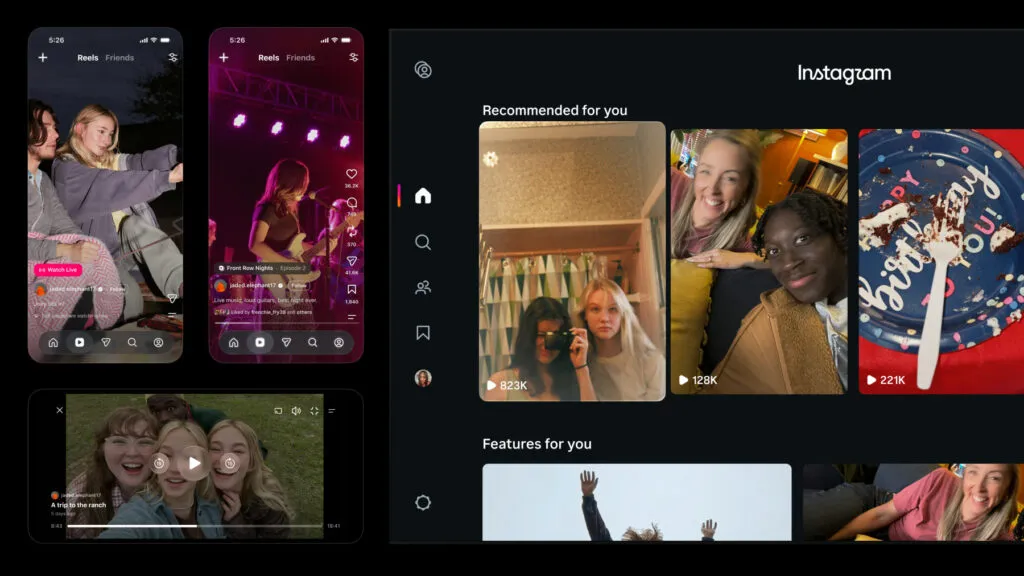
The platform of short clips now wants videos as long as a film. There's just one question without an answer:...
This site uses cookies - is that okay? Learn more
Be the first to know when Metla launches something new
Leave your email and we will write when there is a new guide or something new on Metla.


