

Glasses and a Wristwatch for a Tip-Off: Nine Charged Over Tax Inspections at the "Pulse" Nightclub
28.10.2026


28.10.2026

28.10.2026

28.10.2026

28.10.2026

28.10.2026

28.10.2026

28.10.2026

27.10.2026

27.10.2026
28.10.2026

28.10.2026

27.10.2026
28.10.2026

28.10.2026
28.10.2026

28.10.2026
27.10.2026
26.10.2026

28.10.2026

28.10.2026

28.10.2026

28.10.2026

28.10.2026
27.10.2026
28.10.2026

27.10.2026

27.10.2026
27.10.2026

26.10.2026

24.10.2026

23.04.2026

23.04.2026

12.04.2026


Sue Stuart-Smith first studied English literature at Cambridge, and only then medicine. Psychiatry, she says, brings her two passions together: patients' life stories and science. Today the British psychiatrist and psychotherapist is known for her book "The Well Gardened Mind", translated into 19 languages - a book about what a garden does to the mind.
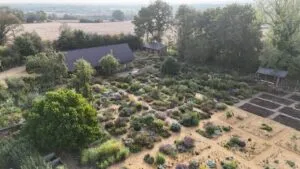
She didn't discover gardening in a clinic, but at home. Her husband, the landscape architect Tom Stuart-Smith, created a garden from scratch on an old farm surrounded by wheat fields. She started modestly - with herbs and vegetables. And she noticed something she later turned into a professional position: hours among the flower beds melted away the stress that had built up.
Her explanation is physiological, not romantic. Contact with green environments, she says, slows the pulse, lowers blood pressure and levels of cortisol, the stress hormone, and improves cognitive function. And beauty - say, a flower that has just opened - activates the brain's reward circuits, similar to the ones romantic love sets off.
There's also something a pill doesn't offer: a future. Gardening means planning - you plant today to see something next spring. For people with depression, anxiety or trauma, Stuart-Smith says, that very sense that there is a "next" is precious. She isn't suggesting throwing away medication when it's needed, but letting the garden complement it. In the UK there's even a name for it: "social prescribing", when a doctor recommends a community activity alongside the prescription.
The idea runs in her family too. Her grandfather was a prisoner of war in Turkey during the First World War and, according to her, recovered thanks to gardening. In that family story she also sees the roots of horticultural therapy.
Since June 2024, their garden has also operated as a community space. The Serge Hill Project hosts school visits and runs activities for people with cancer, homeless people, former prisoners and dementia patients. The author says she receives letters from readers all over the world and has offered support in Ukraine as well.
None of this will surprise anyone who grew up next to a grandmother who treated every worry with a hoe in the vegetable patch. The only new thing is that a psychiatrist is now confirming it with cortisol and blood pressure. How many of us have a yard, a balcony or a patch of land at our parents' place - and still think therapy is something you have to buy?
The latest 10 news from this category
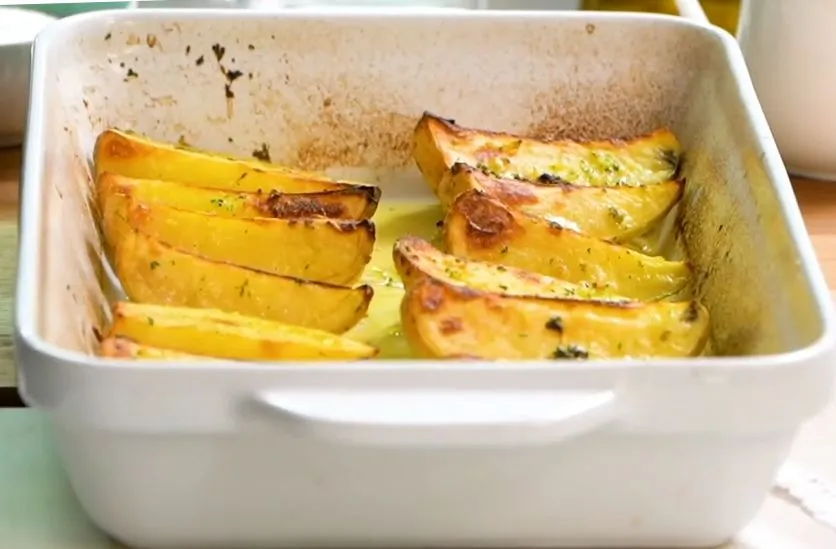
One of the cheapest side dishes usually gets ruined in the most banal way: crammed into the tray, the potatoes...
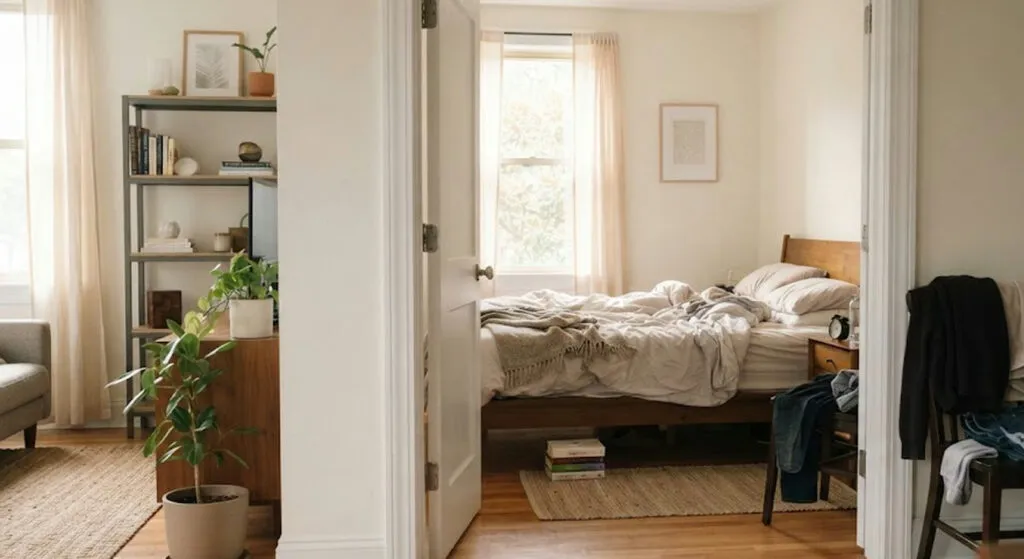
A tidy living room, an unmade bed. You're not lazy - you just know who's looking at what. Mess becomes...

Not kebab, not falafel: a Lebanese spinach-and-sumac pie that anyone who grew up on burek will recognise from the first...

The pain doesn't have to pass completely before you can enjoy life again. Acceptance is not surrender, and growth after...

Crispy outside, soft inside - and the secret is to pull them out of the oven while they still look...

In a chat there's no look, no tone, no hug, only words, and the brain fills in the gaps on...

The actress who played Daenerys in "Game of Thrones" remembers one home-cooked dish above all. Here's the recipe, with exact...

Messi received the Princess of Asturias Award for Sport, and his plate is in the hands of Ismael Galancho. The...

The Swedes have their own brownie, just humbler: two eggs, 250 grams of sugar and the nerve to take it...

She has had the disease since 2012, and it is quietly erasing the middle of the picture. Ophthalmologists say the...
This site uses cookies - is that okay? Learn more
Be the first to know when Metla launches something new
Leave your email and we will write when there is a new guide or something new on Metla.


