

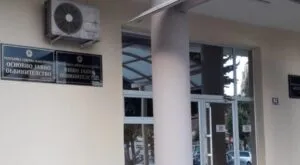
Senior prosecutor's office in Bitola searched: unofficially, the trail leads to Markovski's passport
07.10.2026


07.10.2026
07.10.2026
07.10.2026
07.10.2026
07.10.2026
07.10.2026
07.10.2026
06.10.2026
06.10.2026
07.10.2026

07.10.2026
06.10.2026

07.10.2026
07.10.2026
07.10.2026
07.10.2026
06.10.2026
05.10.2026
07.10.2026

07.10.2026
07.10.2026
07.10.2026

07.10.2026
06.10.2026

09.03.2026

27.02.2026

19.02.2026

07.10.2026
06.10.2026
05.10.2026
06.10.2026
05.10.2026
04.10.2026

23.04.2026

23.04.2026

12.04.2026

Rubén Cortada turned 42 on 6 October, at a good moment in his career. Spanish audiences are once again watching him as Ramiro Arribas in "Sira", the sequel to the series "The Time in Between", again alongside Adriana Ugarte, which premiered a few days ago at the San Sebastián Film Festival. Cortada says that during the first series they even asked author María Dueñas for permission to kill Ramiro off, but the second novel changed his fate: "What closer enemy than Ramiro for this second season? I can't imagine another villain."
But the actor who built his career in Spain has one place he always returns to. It's not Madrid, and it's not Havana. It's the Isle of Youth (Isla de la Juventud) in Cuba, where he was born and spent his childhood - where he played tennis and where he first got interested in acting. An island few people outside Cuba know about.
Second largest, yet almost unknown
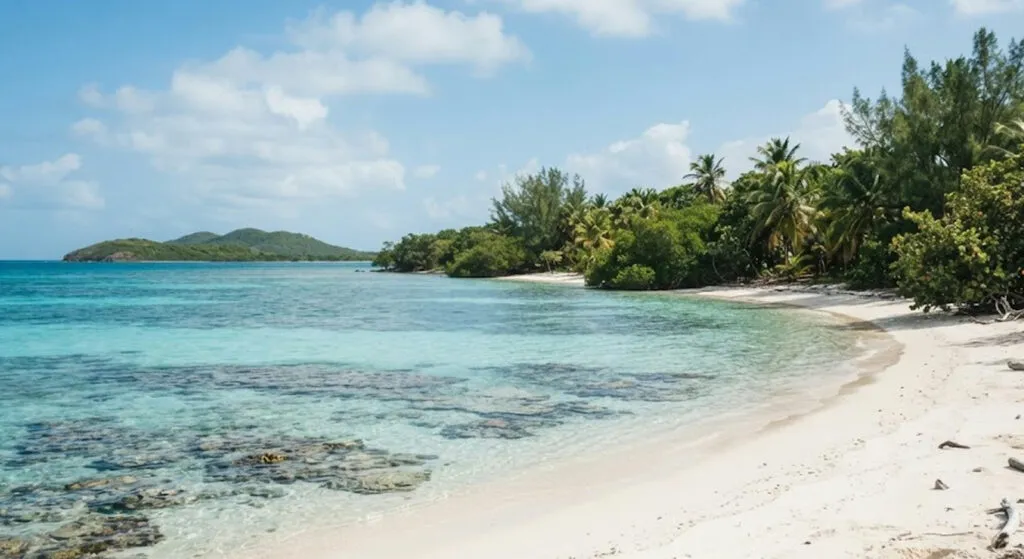
It lies south of Cuba's main island, separated from it by the Gulf of Batabanó, and is the second largest in the Cuban archipelago. For centuries it was called the Isle of Pines (Isla de Pinos) - a name it kept until 1978. Its relative isolation has preserved its nature: across some 2,400 square kilometres, low mountains, pine forests, marshes, mangroves, caves, reefs and beaches alternate, still far from the big Caribbean tourist routes.
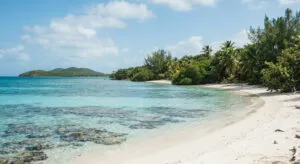
One of the places Cortada especially remembers is the Hotel Colony on the west coast. Nearby is the Punta Francés Nature Park, one of the best places in Cuba for diving. Between Punta Pedernales and Punta Francés there are 56 dive sites - coral walls, gorgonians, sponges, caves, passages and underwater tunnels. On land, there are kilometres of almost untouched coastline and pale-sand beaches surrounded by greenery.
A prison, a revolution and a young Martí
The island also has an unexpected history. Near Nueva Gerona, the quiet little capital, stands the Presidio Modelo - a huge prison built in the 1920s on the panopticon model, with circular cell blocks and a central watchtower. Many political prisoners passed through it, and after the attack on the Moncada barracks, so did Fidel Castro and other Cuban revolutionaries. Nearby is the El Abra estate, where a very young José Martí was interned in 1870 before leaving for Spain; today it's a museum. Inland lies Jones's Jungle, a botanical garden founded in the early 20th century with plants brought from all over the world.
A prison that once held the man who would later run the country - the Balkans know that irony of history well. How many cells in the region remember the people who later sat down in the armchairs of power?
Marshes, caves and drawings of the sun
The further south you go, the wilder it gets. The Lanier Swamp is a natural border between the island's two halves, and beyond it begin forests, mangroves and protected areas. Hidden on the south-east coast are the Punta del Este caves, declared a national monument and one of the most important sites of pre-Columbian rock art in Cuba. Their drawings, some made of concentric circles, are linked to observing the sun and the passing of time.
And the beaches are a story in themselves. In the north they're small, with dark or greyish sand, while in the south long strips of white sand stretch in front of coral seabeds, as at Punta Francés. Further east, in the Los Canarreos archipelago, is Cayo Largo del Sur - another paradise of white sand and clear water, with the Sirena, Paraíso and Blanca beaches and spots where sea turtles lay their eggs. Enough to understand why Cortada, after so many years away from Cuba, comes home precisely here.
The latest 10 news from this category
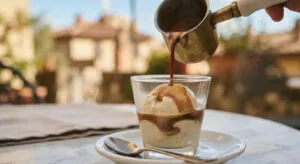
A scoop of gelato, hot espresso poured on top, and six addresses along the Arno. In Florence this isn't a...
Salmon soup by the harbour, Alvar Aalto on the UNESCO list and a village on the Arctic Circle with free...
Between the two ends of the village there is only a boundary stone by a chestnut tree - and a...
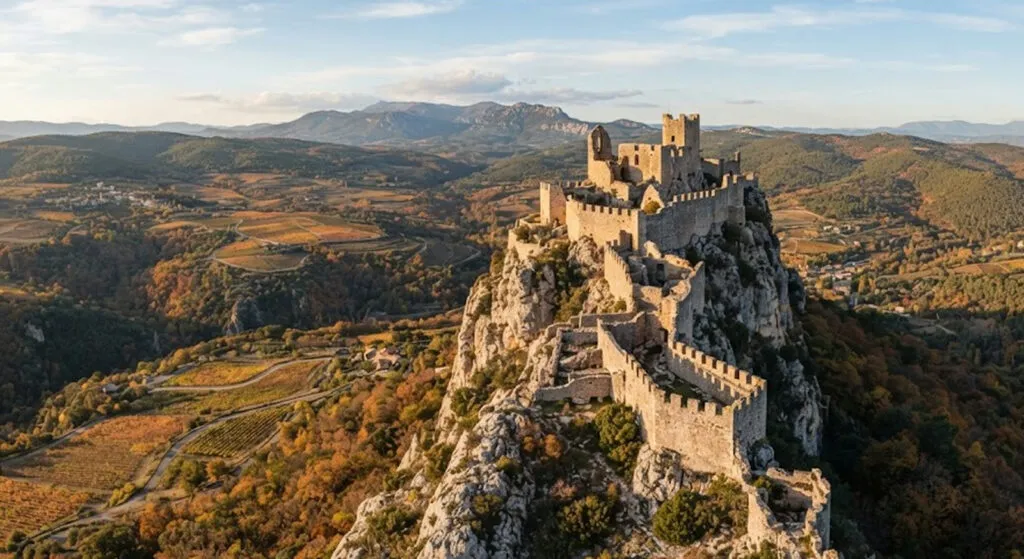
Everyone knows Carcassonne. Few have climbed up to its seven "little brothers" - fortresses that look as if they grew...
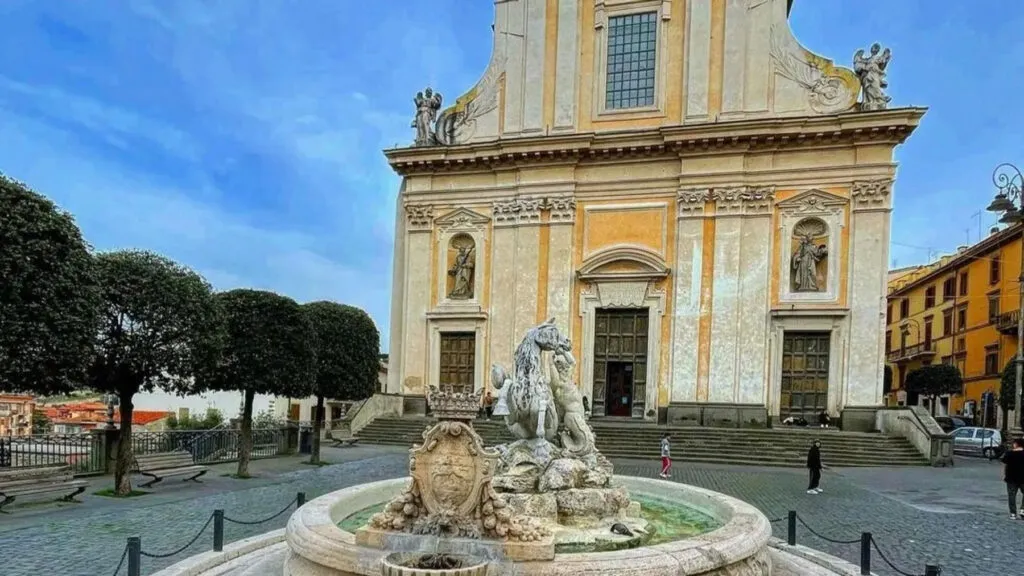
The fountain was built to celebrate victory over the Ottoman fleet at Lepanto, and the grape festival that fills it...
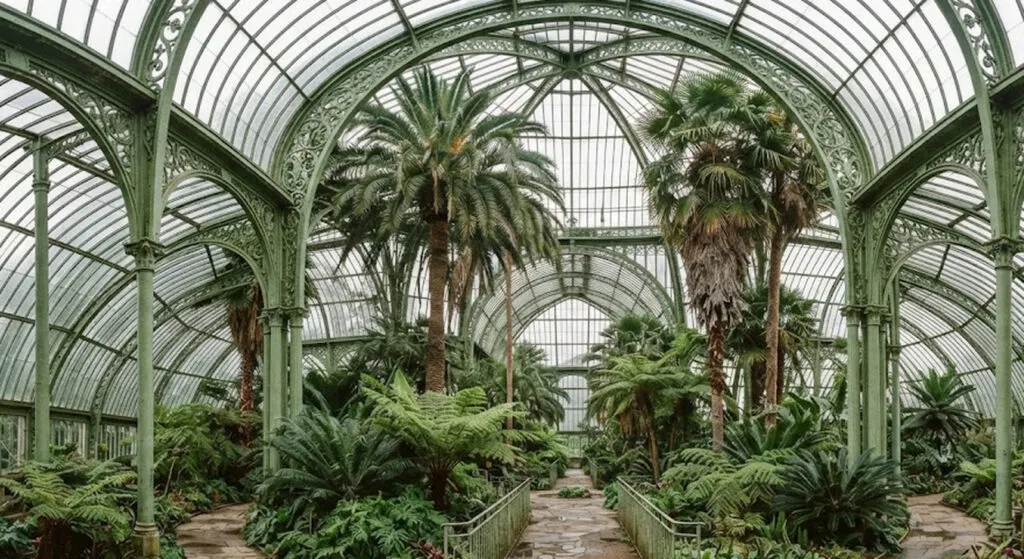
One moth that never left its cocoon opened the age of glass and iron. It left behind a Vienna greenhouse...
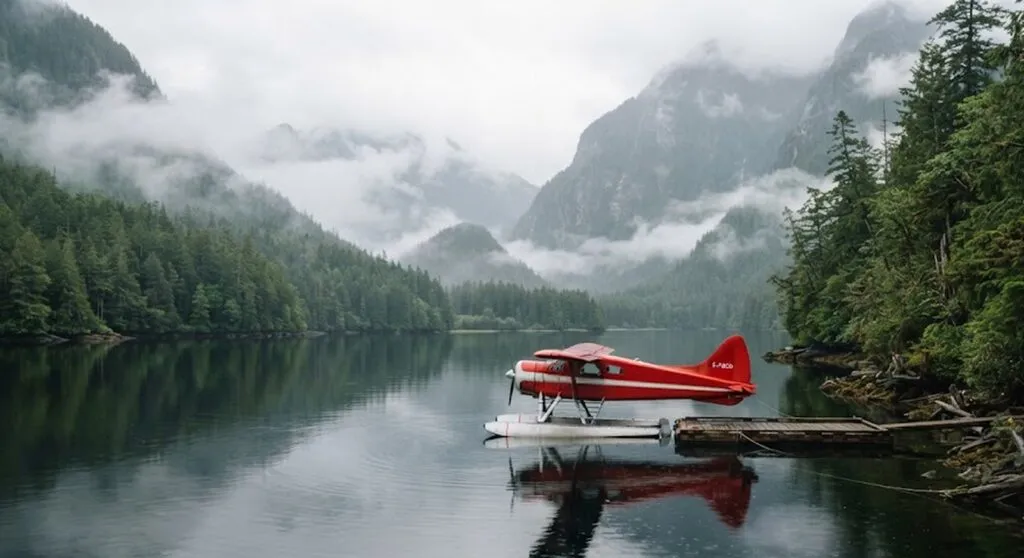
A Spanish actor went back to Canada decades after the trip he took as a child following his father's death....
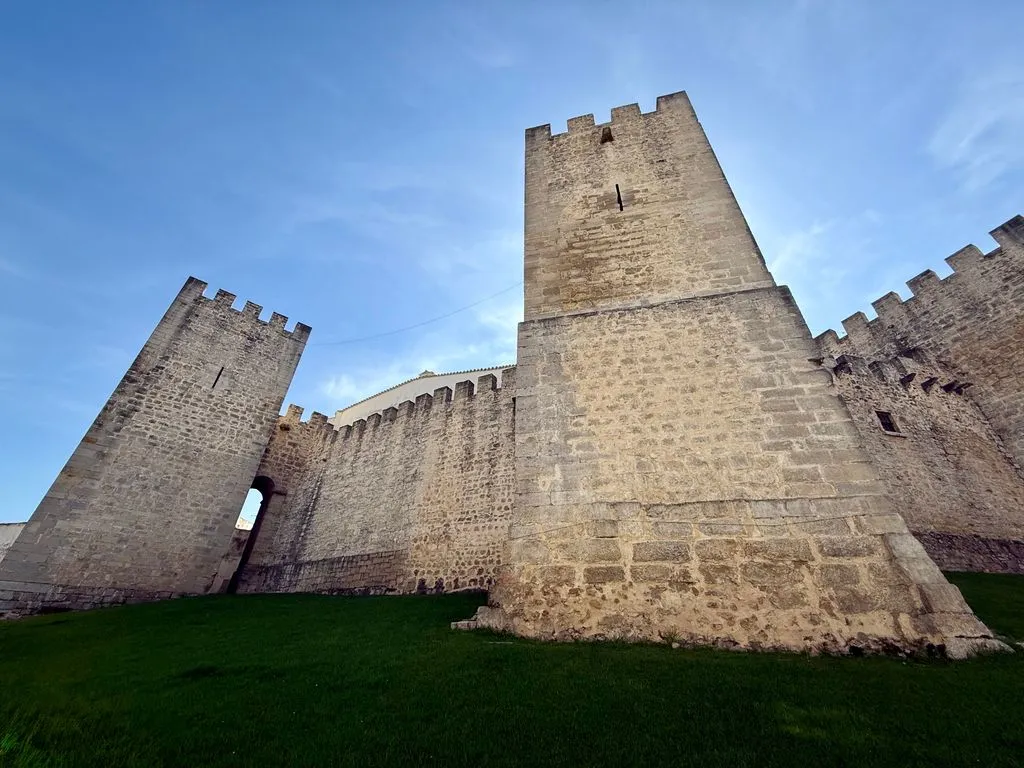
The Algarve isn't just beaches. Less than 20 kilometres from Faro there's a town where market eateries have to buy...
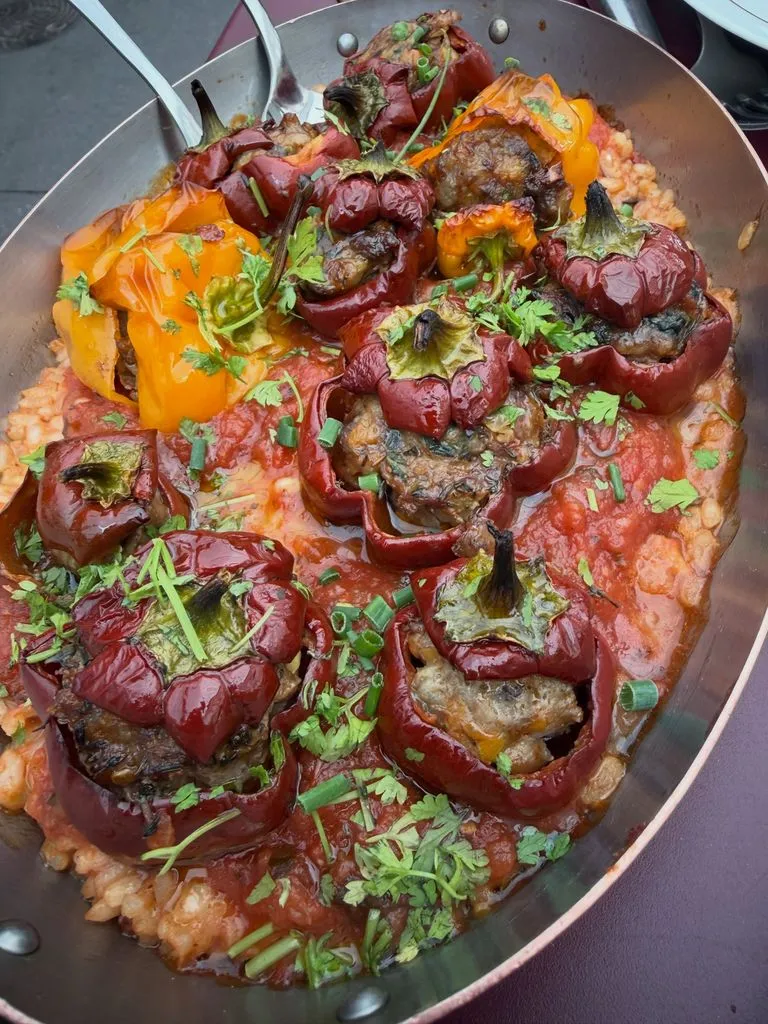
From 28 September to 6 October, Paris is a runway. And after the shows, the stars go looking for pepper...
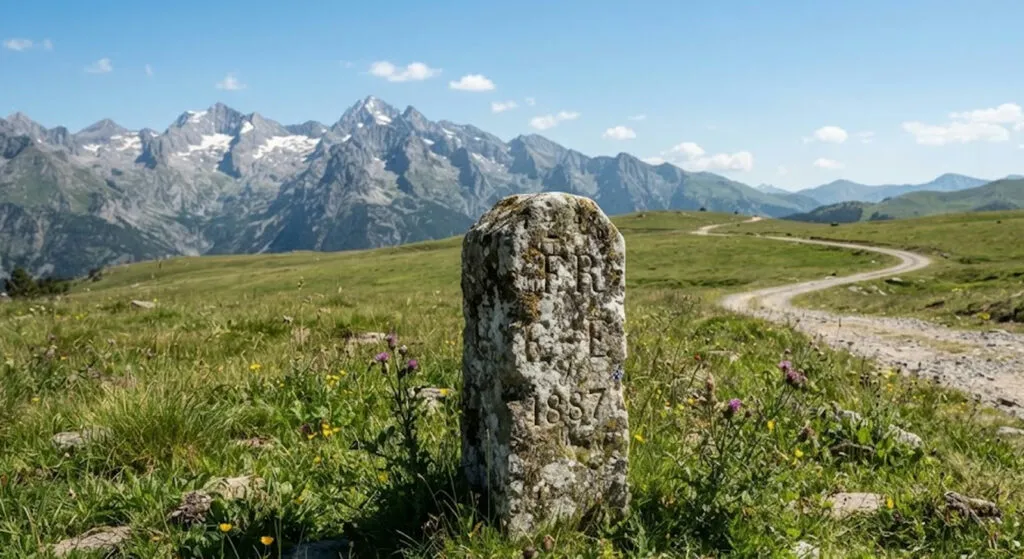
Around 1,500 residents, 12.9 square kilometers and a seven-kilometer road through another country. One of Europe's oldest pharmacies and the...
This site uses cookies - is that okay? Learn more
Be the first to know when Metla launches something new
Leave your email and we will write when there is a new guide or something new on Metla.