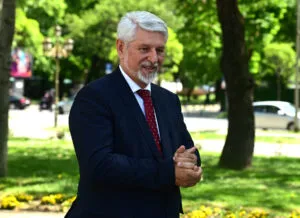
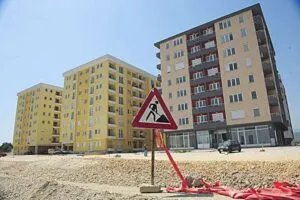
A New Criminal Complaint Against Jakimovski: A Building Permit Based on a Plan Struck Down Back in 2018
16.09.2026


16.09.2026
16.09.2026

16.09.2026
16.09.2026
16.09.2026

16.09.2026

16.09.2026

15.09.2026

14.09.2026

16.09.2026

16.09.2026

15.09.2026

16.09.2026

15.09.2026

14.09.2026

16.09.2026

16.09.2026

16.09.2026

16.09.2026

15.09.2026
15.09.2026

09.03.2026

27.02.2026

19.02.2026
16.09.2026

15.09.2026

14.09.2026

23.04.2026

23.04.2026

12.04.2026


Karpoš municipality, Skopje. Part of Lovćenska Street will be without electricity for five hours today - from 8.30 to 13.30. At the same time, part of Leninova Street will be cut off from 8.30 to 15.30. And parts of the Centar municipality. Work on the distribution grid, EVN says.
That's standard procedure. When planned works on the infrastructure are scheduled, users should be notified at least one day in advance. In practice, the notifications reach only those who actively read traffic and municipal updates - older residents who don't use the internet rarely get them.
Five hours without power doesn't sound dramatic. But more and more people work from home. Doctors taking patients via telemedicine. Kids in online classes. Families with small babies. Fridges full of frozen meat. Alarm systems that don't work without power. All of this is part of today's reality.
For Skopje, this kind of outage is routine. The average city resident has 10-15 of them a year. EVN explains them with "necessary modernisation of outdated infrastructure". That's true. But at the same time - the modernisation has been going on for 15 years and is still not finished.
Even so, users still have to pay high prices for electricity. Since January 2026, our power bill has quietly grown by 30 percent compared to 2024. The price jumped sharply. The reserves are there. Brussels reports that "the situation is stable". The Skopje bill says something else.
The question worth asking is: where does the money for electricity that we pay actually go? When the infrastructure is still being upgraded, when outages are routine, when prices are rising - what is the alternative scenario? There isn't one. Users have no choice. EVN is a monopoly. That is the reality of the Skopje electricity market in 2026.
The latest 10 news from this category
The World Bank dropped out over misalignment with EU requirements. Construction will take two and a half years, and the...
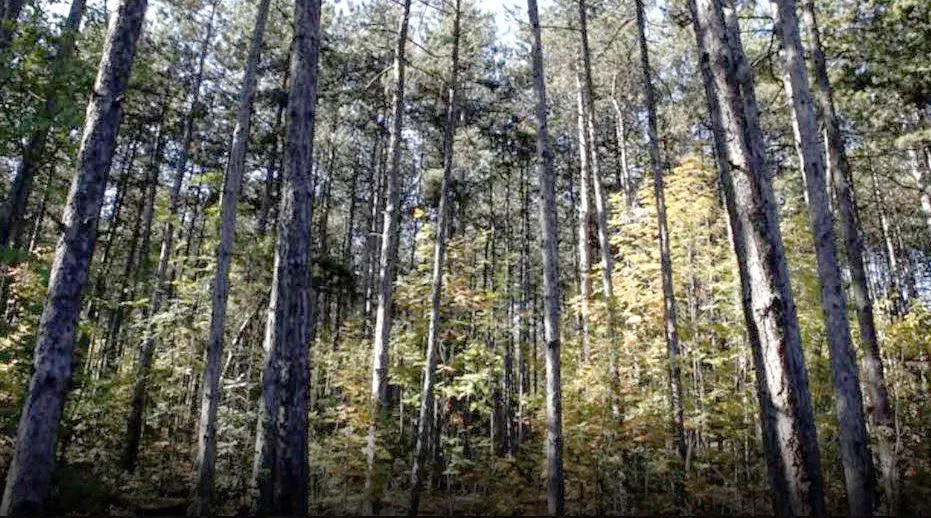
Of 9,500 square metres of greenery, 268 remain. Terrain with an 80-metre height difference, no erosion study and no opinion...
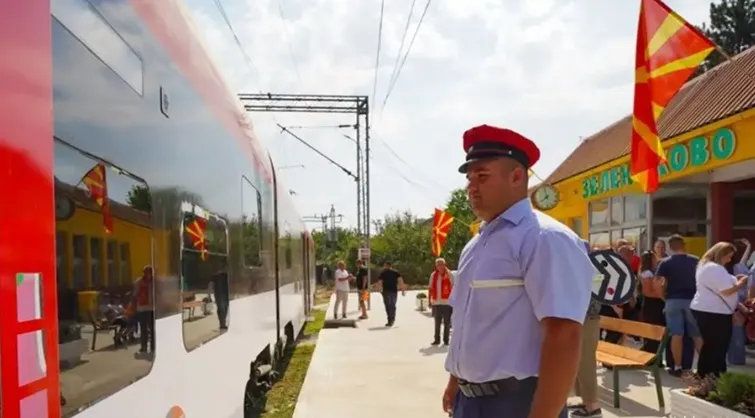
Gjorgjievski says the system should be ready by the middle of next year. The BRT tender is announced for the...
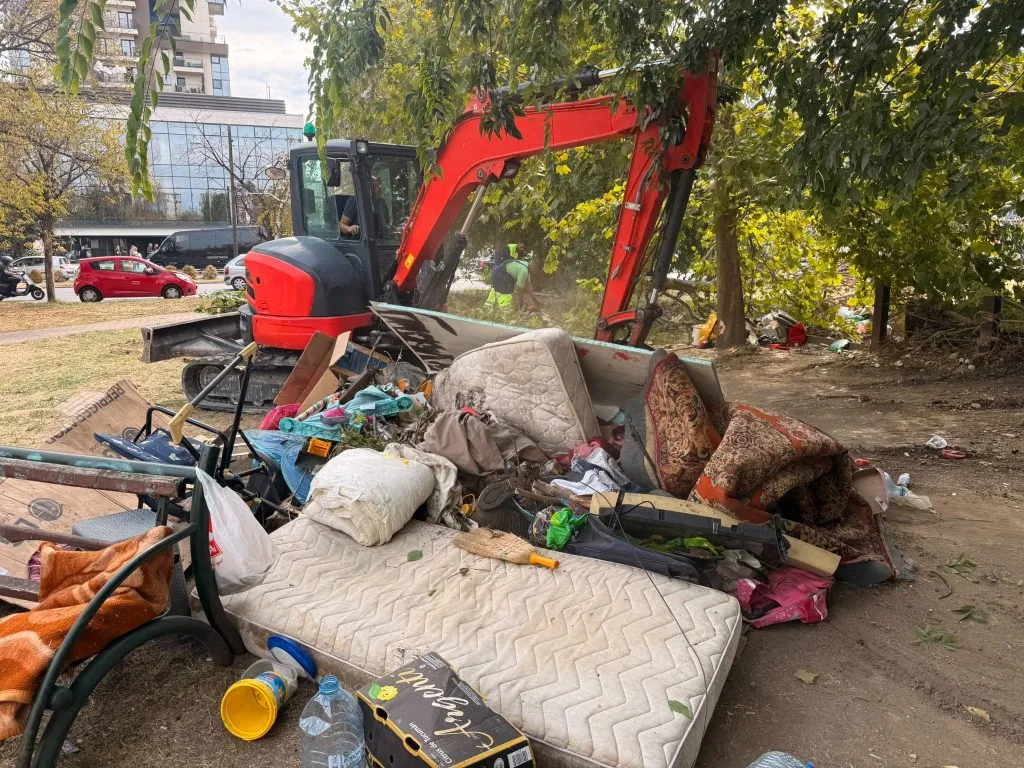
The second operation at the same site within a year. Gerasimovski himself is appealing to the Labour Ministry - because...
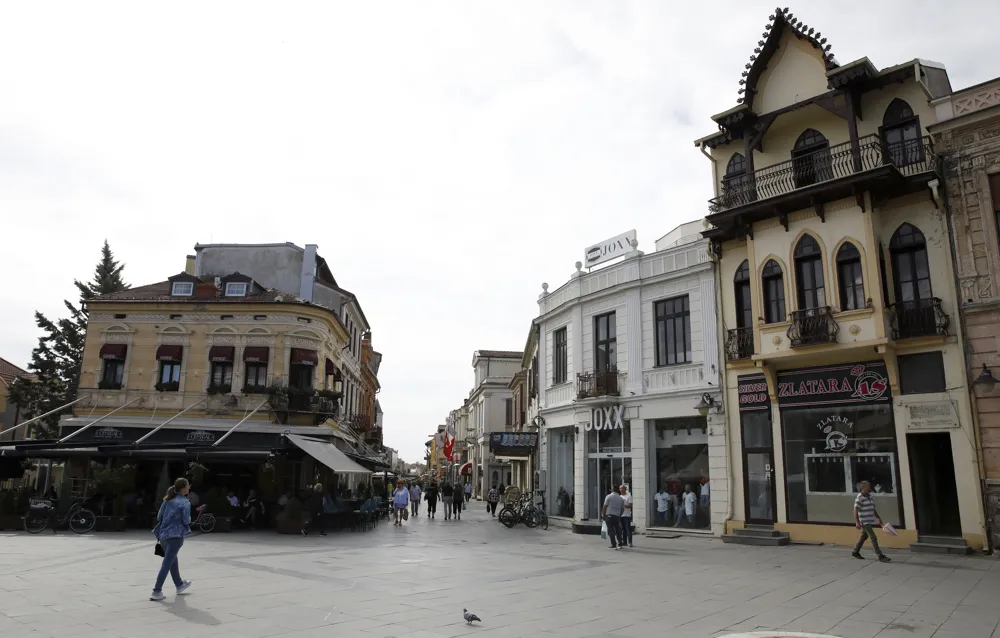
A prosumer scheme, a solar oven and electricity generated by bicycle on Magnolija square. The city that has paid the...

Stefanija Dimovska won two medals at IESO 2026, working in mixed international teams. Before that she was also national champion...
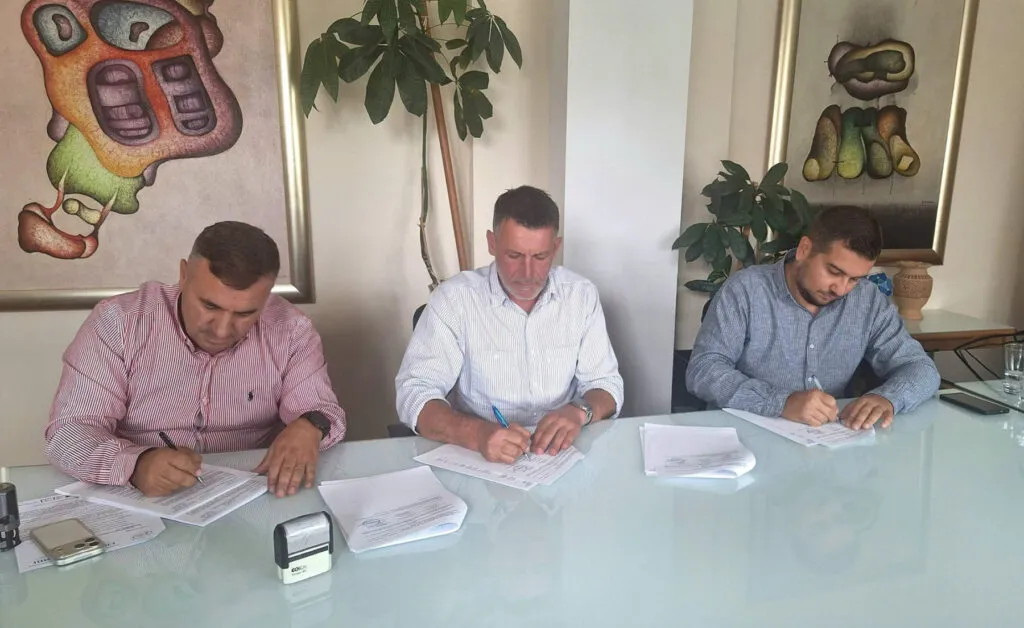
Out of nearly 4.7 million denars, the municipality is putting in around 180,000. The rest comes through the Bureau for...

Ten years working inside the health system - and she still had to pull strings to be admitted. The clinic...
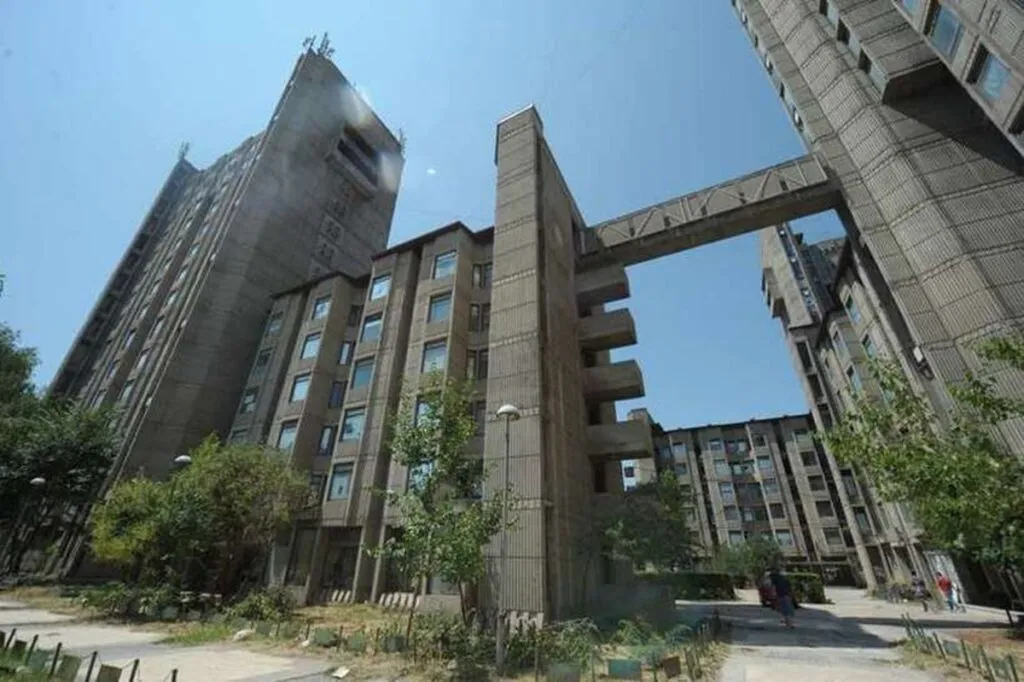
Appeals run from 15 to 25 September. There is not enough space at Goce Delčev, so students go to Stiv...
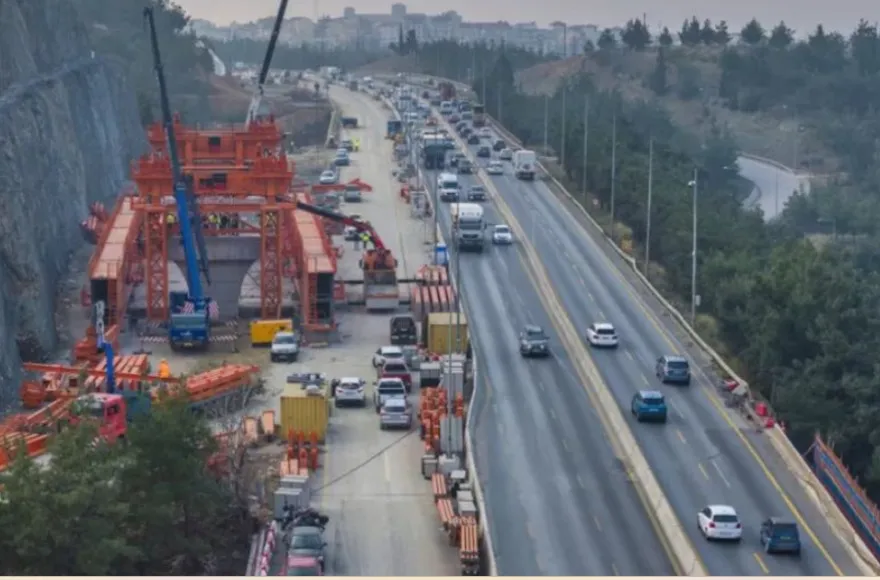
From 23:00 to 05:00 there is no getting through towards Evzoni. Towards Halkidiki - business as usual. Those heading on...
This site uses cookies - is that okay? Learn more
Be the first to know when Metla launches something new
Leave your email and we will write when there is a new guide or something new on Metla.