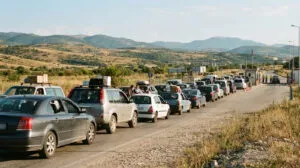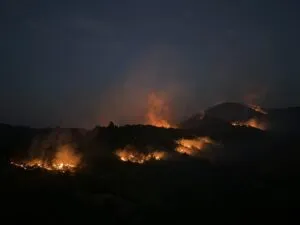
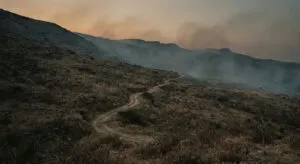
Fifty-two fires in a single day: the flames reached houses in Bogomila, and the whole country has three air tractors
14.08.2026


14.08.2026
14.08.2026

14.08.2026
14.08.2026

14.08.2026
14.08.2026

14.08.2026
14.08.2026

14.08.2026

14.08.2026

14.08.2026

13.08.2026

14.08.2026

14.08.2026

14.08.2026

14.08.2026

13.08.2026

12.08.2026
14.08.2026

14.08.2026

14.08.2026

14.08.2026

14.08.2026

13.08.2026

09.03.2026

27.02.2026

19.02.2026
14.08.2026

13.08.2026
12.08.2026

23.04.2026

23.04.2026

12.04.2026
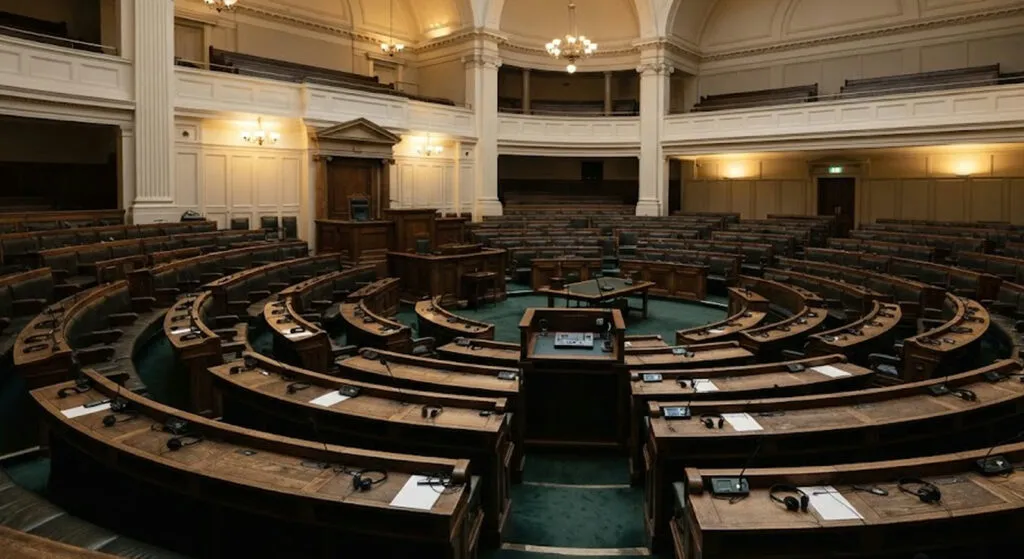
Bosnia and Herzegovina's foreign minister, Elmedin Konaković, rejected criticism from HVO veterans' associations and Croatian politicians over his statements about the distribution of positions in government. Konaković, who also leads the governing „People and Justice” party, had previously joined Presidency chairman Denis Bećirović in dismissing Croatian minister Gordan Grlić Radman's idea of a new electoral unit in which Croats would elect their member of the Presidency.
The veterans' associations responded with a statement comparing Konaković to Slobodan Milošević and claiming he represents a majoritarian politics that strips the less numerous of their rights. They announced resistance „democratically, politically and by all legitimate means”.
The dispute moved to Facebook
Konaković did not stay quiet. In a post he wrote that while they cling desperately to Dodik, who loudly promotes and protects Milošević's politics, they are in fact disgracing Croats. He then laid out his arithmetic: Croats hold disproportionately more positions than their numbers warrant, while Bosniaks are over fifty percent of the population yet hold an equal number of positions despite being three times as numerous.
He closed with a sentence that reads as both an invitation and a threat: we support an agreement, but an honest and fair one, and do not underestimate our goodwill - it is not weakness.
Thirty years since Dayton, the same argument
This is a story as old as the state itself. Bosnia and Herzegovina is built on a formula that tries to satisfy three constituent peoples at once, and any change to that formula automatically means somebody gains and somebody loses. That is why the argument never ends - it is built into the system, it is not a fault in it.
What gets lost in the noise is that neither side in this exchange is talking about the person waiting for a job, a doctor or a passport. The argument is about who appoints whom, not about what the institution does once someone is appointed. Thirty years on, that is still the biggest defect in the system.
Why this is visible from Skopje
Every country in the region with a complex constitutional arrangement recognises this conversation. When the distribution of posts becomes the main political topic, little room is left for anything else - for the economy, for healthcare, for the people who are leaving. The question worth asking is when a debate like this last produced a better service for the citizen rather than just a fresh division of chairs.
The latest 10 news from this category

Three countries buying equipment together are a „quasi-bloc”, and two of them have been in NATO for fifteen years. The...

Ukraine will not recognise Kosovo, and Serbia keeps supplying Soviet-calibre ammunition. What is the price of one crate of shells...
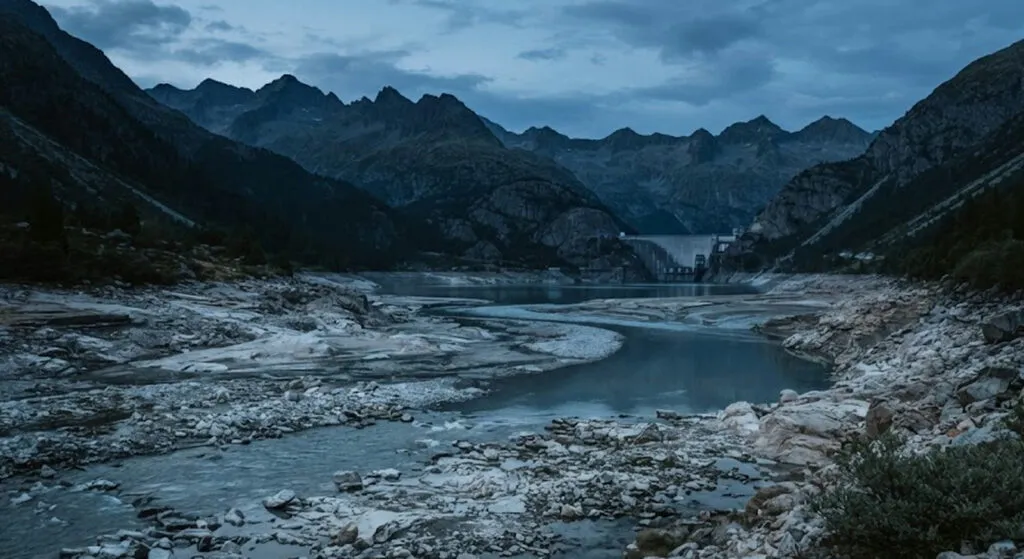
Seven municipalities and Kosovo's electricity depend on that water. When political conversation gets too tight, the Balkans always find something...
He was met by the energy minister, not the president. Serbia gets confirmation on Kosovo, Ukraine gets ammunition - and...
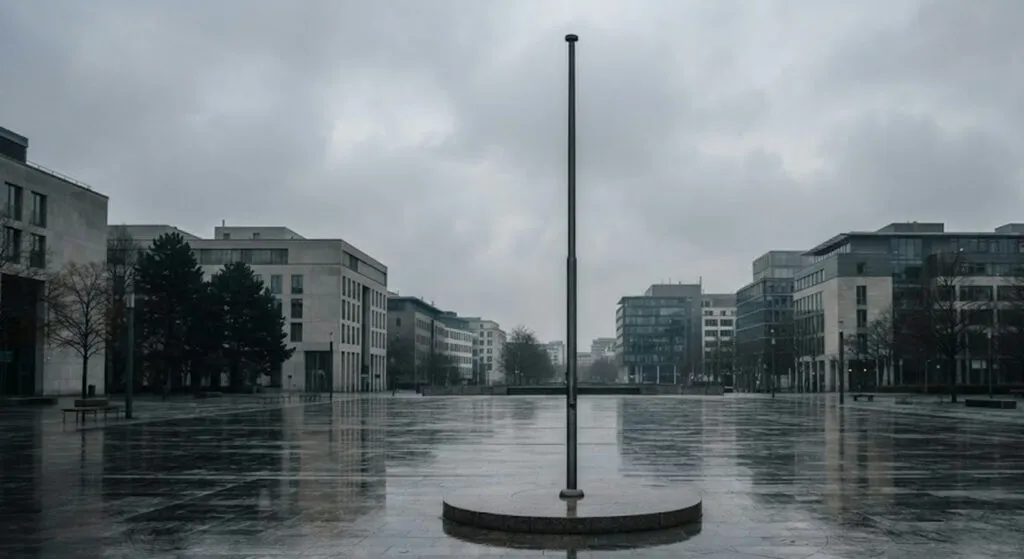
For four years the flag stood in central Pristina as a sign of solidarity. Zelensky confirmed Ukraine does not recognise...
Russia called the cooperation between Albania, Croatia and Kosovo a threat to regional security. Macedonia appears nowhere in the statement...
Belgrade's argument is not new, but the context is. Territorial integrity suddenly became the West's highest value - after Russia...
Zelensky's first official visit to Belgrade, and one sentence carried the whole logic of the meeting. Two presidents, the same...
The Ukrainian president came for infrastructure and jobs and left with a memorandum on food safety. His host announced a...
The declaration on military cooperation is real and public. Podgorica joining it has been confirmed by nobody. The difference between...
This site uses cookies - is that okay? Learn more
Be the first to know when Metla launches something new
Leave your email and we will write when there is a new guide or something new on Metla.