Three of Four Sensors Were Dead: Skopje's Vodno Cable Car Ran Fifteen Years Without a Real Service
17.09.2026


17.09.2026

17.09.2026
17.09.2026
17.09.2026
17.09.2026
17.09.2026

17.09.2026
16.09.2026
15.09.2026

17.09.2026

17.09.2026

16.09.2026
17.09.2026

17.09.2026

17.09.2026
17.09.2026

16.09.2026
15.09.2026

17.09.2026

17.09.2026

17.09.2026
17.09.2026

17.09.2026

17.09.2026

09.03.2026

27.02.2026

19.02.2026

23.04.2026

23.04.2026

12.04.2026

Twelve years after the death of police colonel Bažo Đukić, his brother is reopening those wounds. Petar Đukić, on a Belgrade television show, accused Zagorka Dolovac, Serbia's chief public prosecutor, of being responsible for his brother's death. An additional voice comes from a former Interior Ministry officer who was on Dolovac's own security detail. He talks about the official version of suicide as a story full of holes like Swiss cheese.
On 25 March 2014, General Đukić was found dead in his office on a Sarajevska Street in Belgrade. The first conclusion: suicide with his service pistol, a shot under the chin. The whole machinery of the time accepted that conclusion. The family - did not. Twelve years on, the questions remain the same. Why would a police general kill himself at the peak of his career? Why has the public never learned the real story?
The former Interior Ministry man offers a dangerous detail. „In those days, the logistics for the arrest of Darko Šarić were under way," he says. „You didn't know that those people had a secret protection from people at the very top of the public prosecution." If that's true, the investigation into the drug cartel was allegedly being sabotaged from the inside - not by criminal structures, but by the very people meant to be chasing them. A classic Balkan story where the line between the prosecution and the accused isn't always clearly drawn.
The named source claims that on the morning of his death, Bažo Đukić was given an urgent order to appear in Zagorka Dolovac's office. „I saw him after that meeting. He looked lost. Completely lost. Most of the meeting he was just staring at one spot." A few hours later - dead. The former Interior Ministry man isn't claiming that Dolovac killed him. He's claiming that someday she has to explain what she said that morning to a man who was dead by midday.
Zagorka Dolovac has been silent for twelve years. In Serbian public life that itself is a phenomenon. A woman who runs every prosecutorial matter in the state, who has outlived several governments and several prime ministers and is still in office, and is the only one without a public answer to the hardest question of her career. And for twelve years that question stands - what did she say to Bažo Đukić that morning?
In the Balkans these stories are routine. A suicide in an office, an unfinished investigation, families demanding the truth decades later, media outlets that open the same questions and close them on the same day. Skopje has its own such stories. Sarajevo has them. Podgorica has them. The difference is that in Serbia, twenty years on, a former Interior Ministry officer still dares to speak publicly. With us, when something gets covered up - it stays covered forever. That's the difference between a state with broken justice and a state with no justice at all.
The latest 10 news from this category
The court established responsibility for 96 killed, 303 tortured and 385 unlawfully detained. The prosecution asked for 45 years. Serbia...
Thaci and Krasniqi got 25 years each, Veseli 18, Selimi 13. The court established 385 unlawfully detained, 303 tortured and...
"If it is acceptable to the participants" - that is the entire offer. What gets negotiated is the format, not...
Thousands walked from the Rectorate to the electoral commission, and the signatures had to be queued for all weekend because...
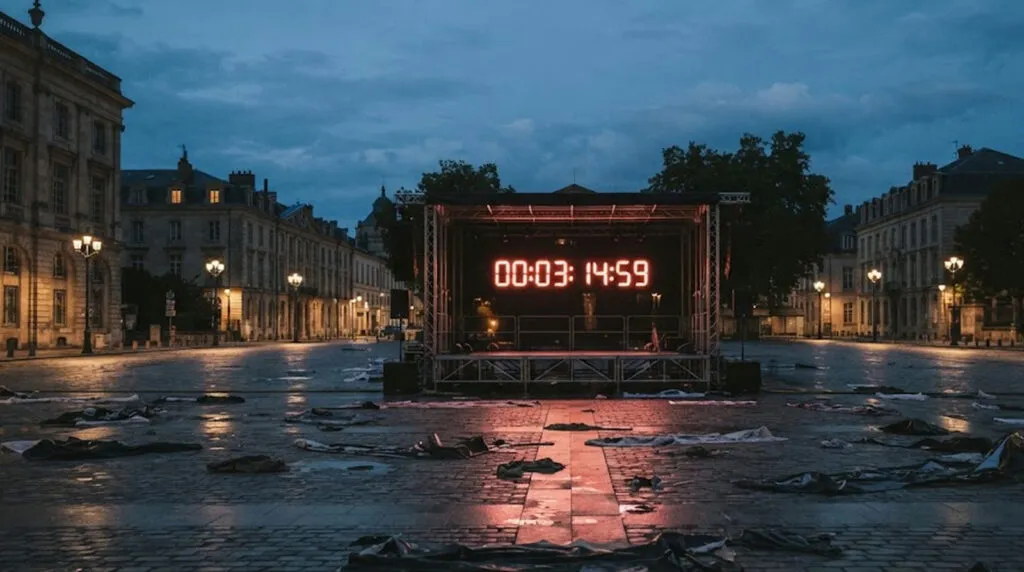
Thousands of people under a digital clock and a banner asking for them to be found innocent. On Wednesday The...
The ruling list sailed through without a single problem, the student list was left waiting in line. Nobody banned anything...
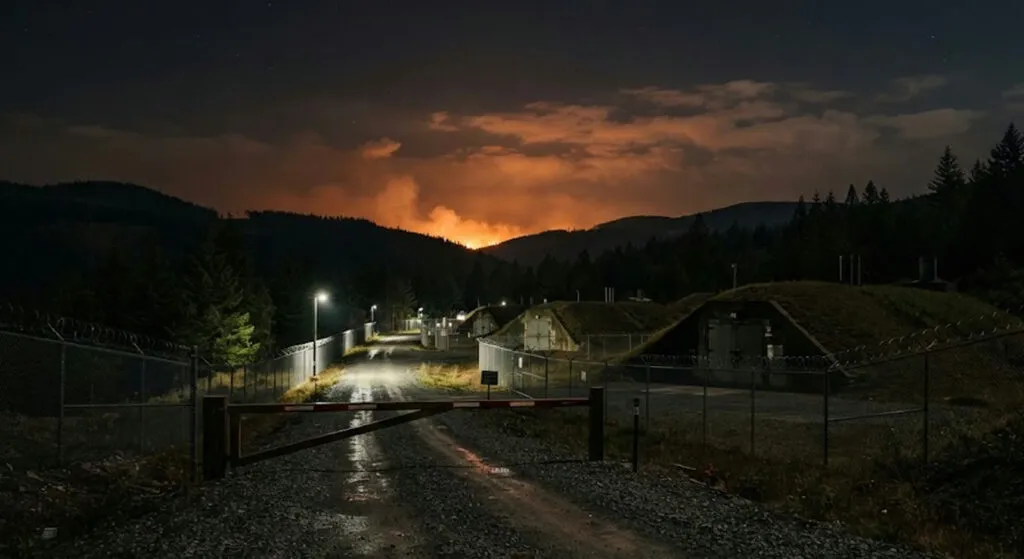
The same firm that supplied ammunition to Ukraine for years is burning for the second time in a month. Seven...
A third attempt in three years, but this time the signatures came from the government benches too. Six MPs from...
Four days before the Hague verdict, the square in Pristina told the court it should back down. Among the guests...

Nobody banned anything - the line item simply stopped paying for itself. That is the purest version of modern censorship,...
This site uses cookies - is that okay? Learn more
Be the first to know when Metla launches something new
Leave your email and we will write when there is a new guide or something new on Metla.