


Studeničani: 35-year-old dies after being electrocuted while washing his car with a pressure washer
18.09.2026


18.09.2026
18.09.2026

18.09.2026
18.09.2026

18.09.2026
18.09.2026
18.09.2026

17.09.2026
16.09.2026

18.09.2026

18.09.2026

17.09.2026

18.09.2026
18.09.2026

18.09.2026

18.09.2026

17.09.2026

16.09.2026
18.09.2026

18.09.2026
18.09.2026

18.09.2026

17.09.2026

17.09.2026

09.03.2026

27.02.2026

19.02.2026

18.09.2026
17.09.2026

16.09.2026

23.04.2026

23.04.2026

12.04.2026


Peter Magyar, Hungary's new leader who defeated Viktor Orban, has declared his ambitions: uniting Central Europe on the Austro-Hungarian model. His first official visits in May will be to Warsaw and Vienna - a clear signal of strategic direction.
"We once shared a state, and Austria is Hungary's key economic partner," Magyar said, announcing the merger of the Visegrad Group with the Slavkov Format into a single Central European bloc. Ambitious. But realistic?
The numbers speak for themselves: Austria is the second-largest investor in Hungary, and around 134,000 Hungarians work there. Economic integration has existed for a long time - the question is whether it can evolve into political integration.
The challenges are obvious. Central European countries are deeply divided over Ukraine and the EU loan. Poland is sharply pro-Ukrainian, Slovakia closer to Russian positions, and Hungary under Magyar has yet to reveal its new direction. Uniting countries that can't agree on the continent's most important question - that's more than a diplomatic challenge.
For the Balkans, any reshuffling of Central European geopolitics is relevant. The Visegrad Group traditionally influences European policy toward the Western Balkans. If Magyar manages to create a stronger bloc, it could mean a different voice in Brussels for our region - but in whose favor?
The latest 10 news from this category
The call was about damaged furniture on a terrace. Armin Dzutovic died three days later. The internal investigation found first...
Four KLA leaders received 81 years in prison, and Albania's parliament immediately adopted a declaration calling the verdict unjust. The...
The court established responsibility for 96 killed, 303 tortured and 385 unlawfully detained. The prosecution asked for 45 years. Serbia...
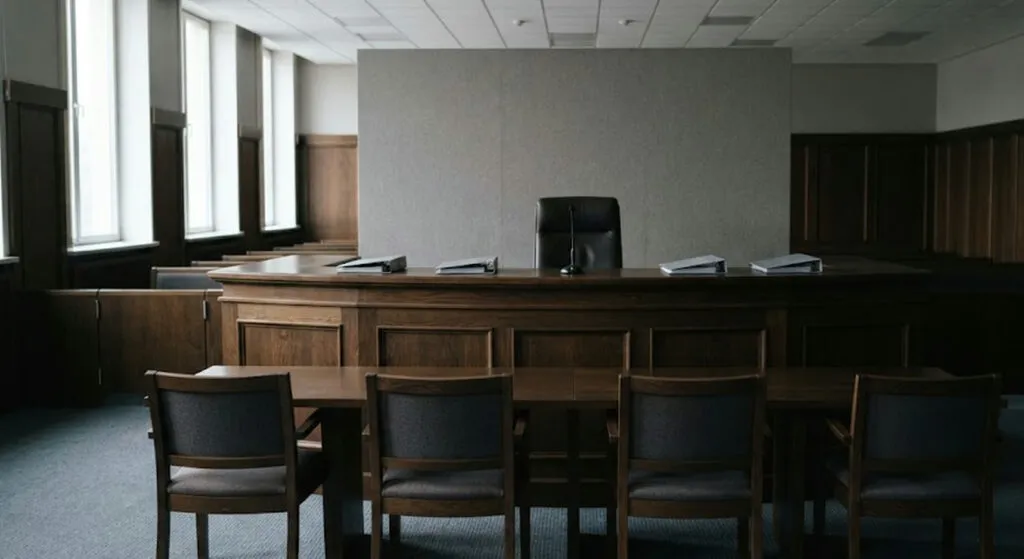
Thaci and Krasniqi got 25 years each, Veseli 18, Selimi 13. The court established 385 unlawfully detained, 303 tortured and...
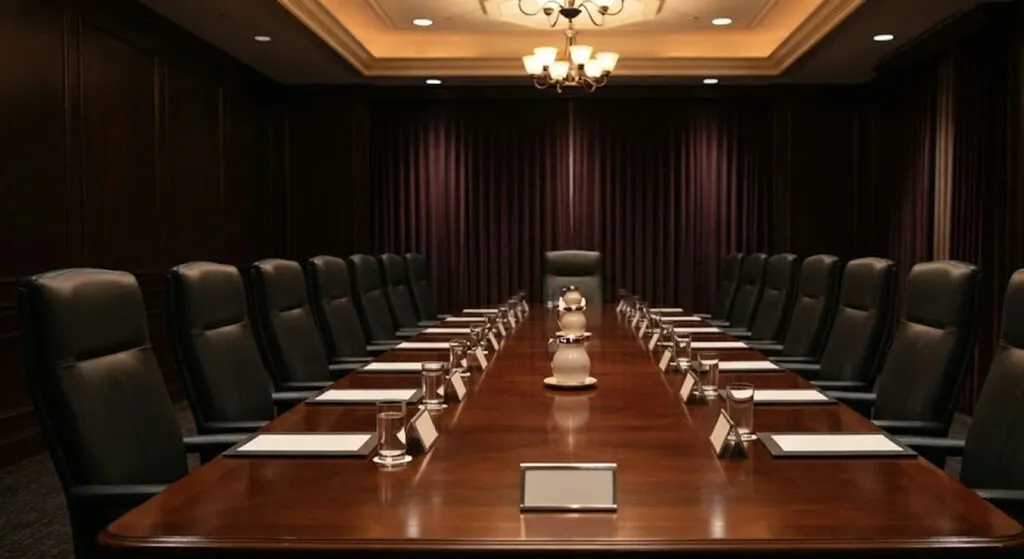
"If it is acceptable to the participants" - that is the entire offer. What gets negotiated is the format, not...

Thousands walked from the Rectorate to the electoral commission, and the signatures had to be queued for all weekend because...
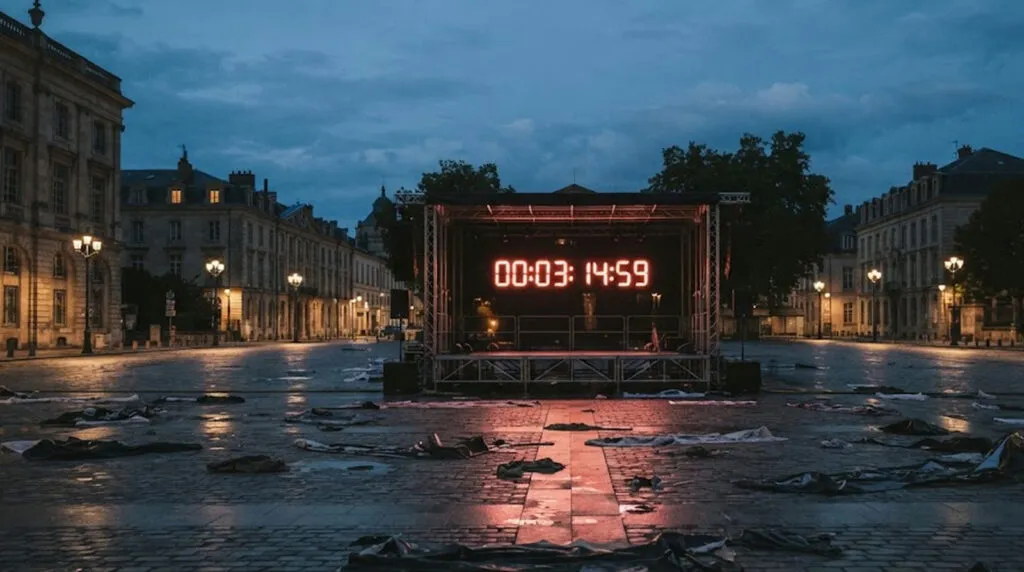
Thousands of people under a digital clock and a banner asking for them to be found innocent. On Wednesday The...
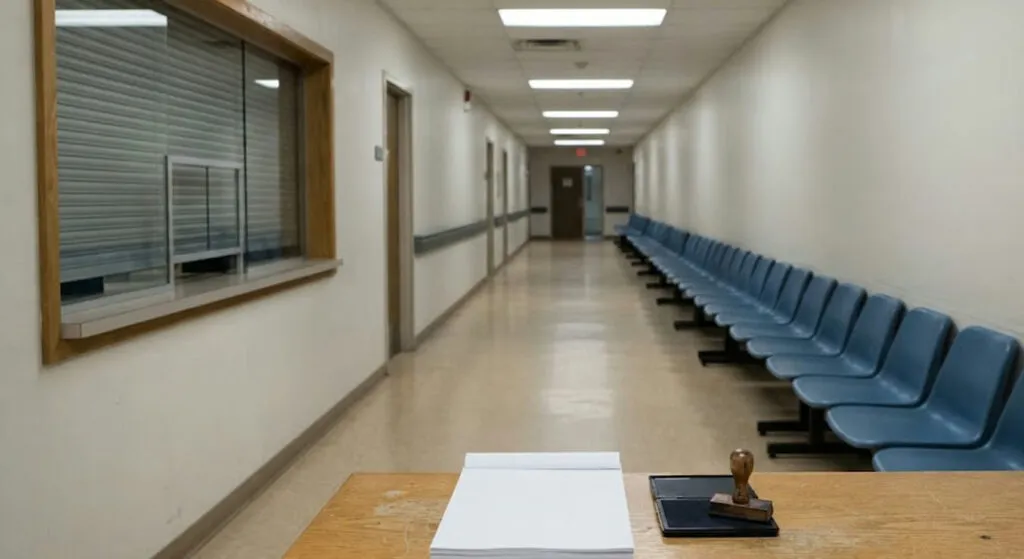
The ruling list sailed through without a single problem, the student list was left waiting in line. Nobody banned anything...
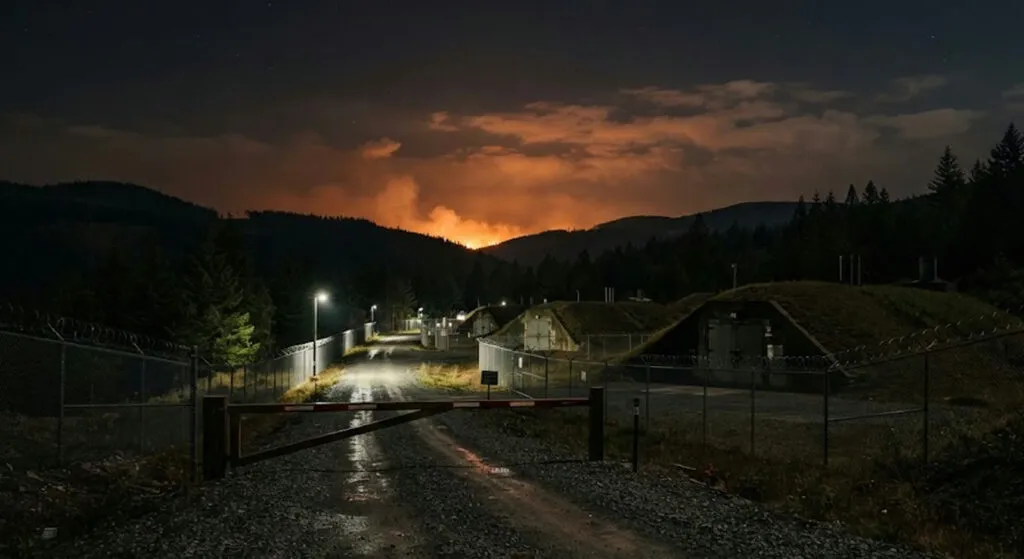
The same firm that supplied ammunition to Ukraine for years is burning for the second time in a month. Seven...
A third attempt in three years, but this time the signatures came from the government benches too. Six MPs from...
This site uses cookies - is that okay? Learn more
Be the first to know when Metla launches something new
Leave your email and we will write when there is a new guide or something new on Metla.
