Mickoski Said the Sentence Sofia Doesn't Want to Hear: "We Have a Bilateral Dispute"
27.09.2026


27.09.2026

27.09.2026
27.09.2026
27.09.2026

27.09.2026
27.09.2026

27.09.2026
26.09.2026
25.09.2026

27.09.2026

27.09.2026

26.09.2026

27.09.2026

27.09.2026
27.09.2026
27.09.2026
26.09.2026

25.09.2026
27.09.2026

27.09.2026
27.09.2026
27.09.2026

27.09.2026

27.09.2026

09.03.2026

27.02.2026

19.02.2026
27.09.2026

26.09.2026
25.09.2026

23.04.2026

23.04.2026

12.04.2026

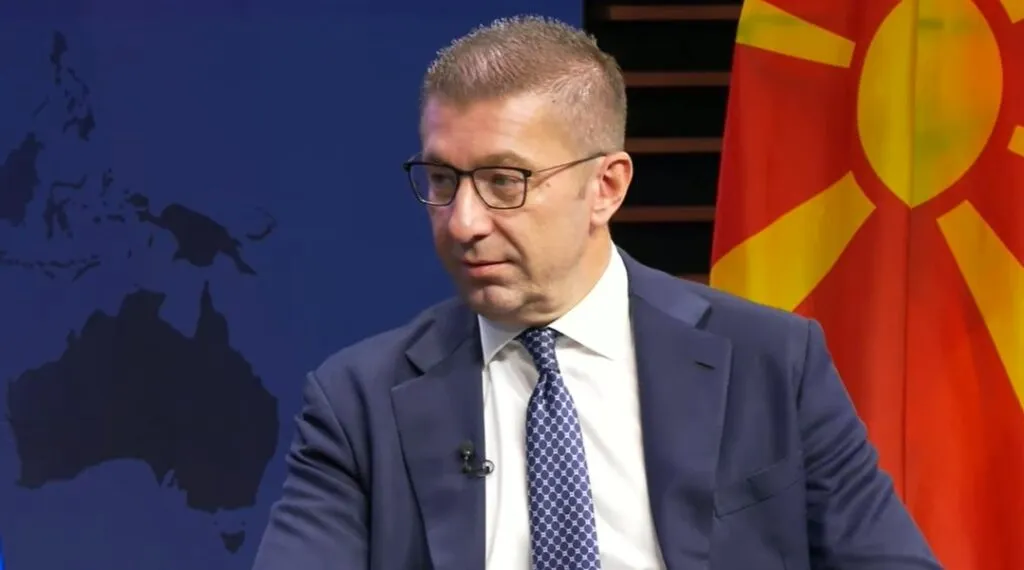
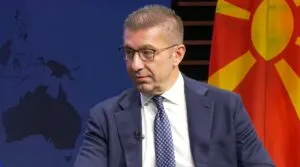
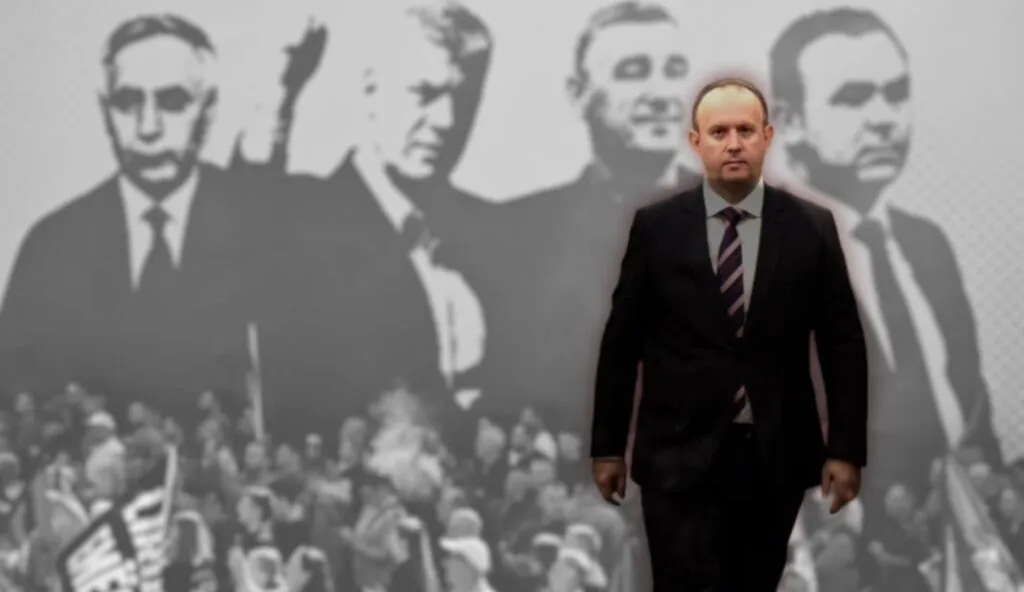
Prime Minister Hristijan Mickoski repeated in a TV interview from New York that Macedonia wants the European Union to be present in talks with Bulgaria. The reason, as he sees it, is simple: the bilateral meetings so far have produced nothing of substance.
"The meetings so far at the bilateral level, held by the president as well as the minister of foreign affairs and foreign trade, are meetings that I call meetings just for the sake of having meetings," Mickoski said. After every such meeting, he added, comes a briefing "always with a completely different truth" from what was actually discussed.
That's the core of it. Sofia, according to Mickoski, doesn't want a third party at the table because that would amount to admitting that a dispute actually exists. "And we really do have a bilateral dispute. We can make things up, we can pretend we don't have one, but in essence we really do have a bilateral dispute that is now only at its beginning," the prime minister said.
"At least 80 times"
The most concrete part of the interview is the arithmetic. If negotiations opened tomorrow, every chapter and every cluster would have to pass a vote in the national parliaments of the member states when it's closed. "That's at least 80 opportunities for us to get new demands again," Mickoski said. The scenario he described is familiar to anyone who has followed recent years: a more radical faction in the Bulgarian parliament, followed by mainstream politicians saying that "because of domestic problems" they have to block once again. "I will not enter that process," he said.
The government's position, according to the prime minister, is that it won't set off on "any kind of adventure" without seeing the end of the road. The government, he says, has proposals for overcoming the process together with Bulgaria, a fellow NATO member. "If we are partners in that family there, logic says we should be partners here too."
Sofia's answer
Bulgaria stated its position back on September 25, after Foreign Minister Timcho Mucunski said the EU should take part in all future talks. The Bulgarian Foreign Ministry said Sofia "has always been and remains open to constructive dialogue," but that progress toward the EU depends on fulfilling commitments already made and on good-neighborly relations. Accession, according to Sofia, is a European matter to be settled in the European institutions.
Translation: dialogue yes, mediator no, and the obligations from the negotiating framework stay on the table. The two sides part ways exactly where Mickoski struck - is this a European question, or a bilateral dispute dressed up in European rules?
If the dispute isn't bilateral, why is it being settled only between Skopje and Sofia? And if it's a European question, why can't Brussels sit at the table? Sofia isn't answering that for now.
The latest 10 news from this category
The prime minister says he doesn't interfere in SDSM's internal affairs. Then he spent a long answer on exactly that,...
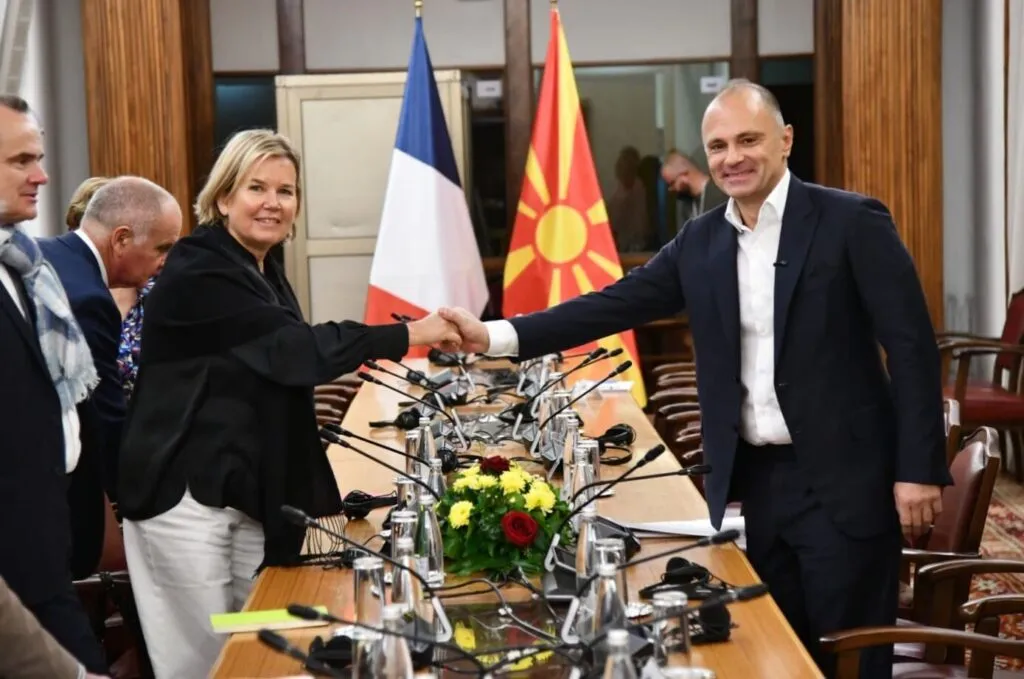
The SDSM leader complained to his guests from Paris about the judiciary, the media and the guarantees the government keeps...
Skopje asks for a witness in the room, Sofia accepts - but the menu has already been printed. Four years...
One side accuses the leader of cutting deals with the government; he accuses them of working for the government. Neither...
The majority of judges said "res judicata" and closed the matter. Darko Kostadinovski voted against, arguing that new parties start...
The President reminded him that after all the compromises, negotiations haven't even started. The European Parliament's rapporteur admitted to a...
The flag, the Constitution and the name have all been changed, and the EU is no closer. The diagnosis is...
Andonovski admits there was no project, no study, and no figure for how many megawatts the facility would draw. The...
The video has no room, no table, no flags. In the same week the State Department redirected 52 million dollars...
The right to an opinion is not in dispute. The problem is that in certain offices the line between personal...
This site uses cookies - is that okay? Learn more
Be the first to know when Metla launches something new
Leave your email and we will write when there is a new guide or something new on Metla.