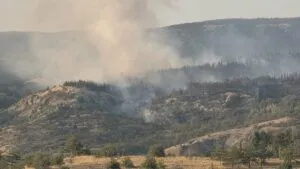
34 fires in 24 hours: three still burning, and the warnings put out nothing
09.09.2026


09.09.2026
09.09.2026
09.09.2026

09.09.2026

09.09.2026

09.09.2026
09.09.2026
08.09.2026
07.09.2026

09.09.2026

08.09.2026

08.09.2026

08.09.2026

08.09.2026

08.09.2026

08.09.2026

07.09.2026

06.09.2026
09.09.2026

09.09.2026
09.09.2026

09.09.2026

09.09.2026
08.09.2026

09.03.2026

27.02.2026

19.02.2026

23.04.2026

23.04.2026

12.04.2026

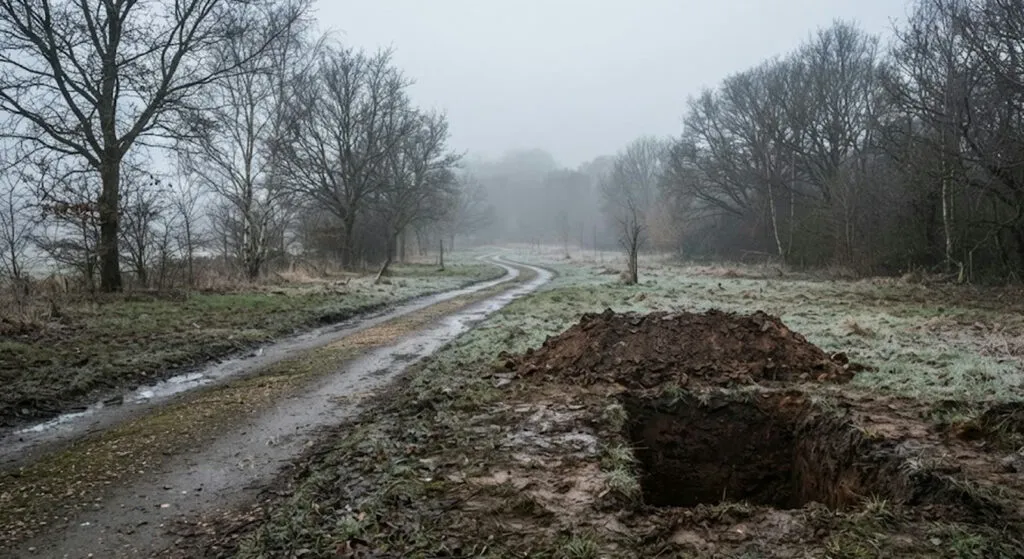
Ratko Mladić died on 27 August in detention in The Hague, where he was serving a life sentence for the genocide in Srebrenica. Eight days later his body is in Belgrade, flown in on a Serbian government plane and met at the airport by members of the Serbian Army. The coffin was draped in the flags of Serbia and Republika Srpska. That is not family funeral logistics. That is an act of state.
Justice minister Nenad Vujić announced that the convicted war criminal will be buried with the highest state and military honours. A commemoration is scheduled in Belgrade, with the funeral on Monday at the Topčider cemetery. President Aleksandar Vučić said the state would provide logistical, transport and other support, as well as help in maintaining public order.
What exactly is being honoured
The Hague tribunal convicted Mladić with final effect in June 2021, sentencing him to life imprisonment. The list is specific: genocide in Srebrenica, persecution of Bosniaks and Croats, the terror inflicted on the residents of Sarajevo, and the taking of UNPROFOR personnel as hostages. Not one of those terms is a political label. They are points from a final judgment, upheld on appeal.
That is why the reactions from Brussels are not diplomatic formality. Belgian foreign minister Maxime Prévot wrote on X that he condemns the act in the strongest terms and has told his Serbian counterparts the same. Paying honours to a man convicted of war crimes, crimes against humanity and genocide, he says, is shameful and disrespectful to the victims and their families. Serbia has been an EU candidate since 2012 and has been negotiating since 2014. Prévot puts into words what everybody can see: the act runs in the opposite direction to what is expected of a candidate country.
Around here nobody pretends not to see it
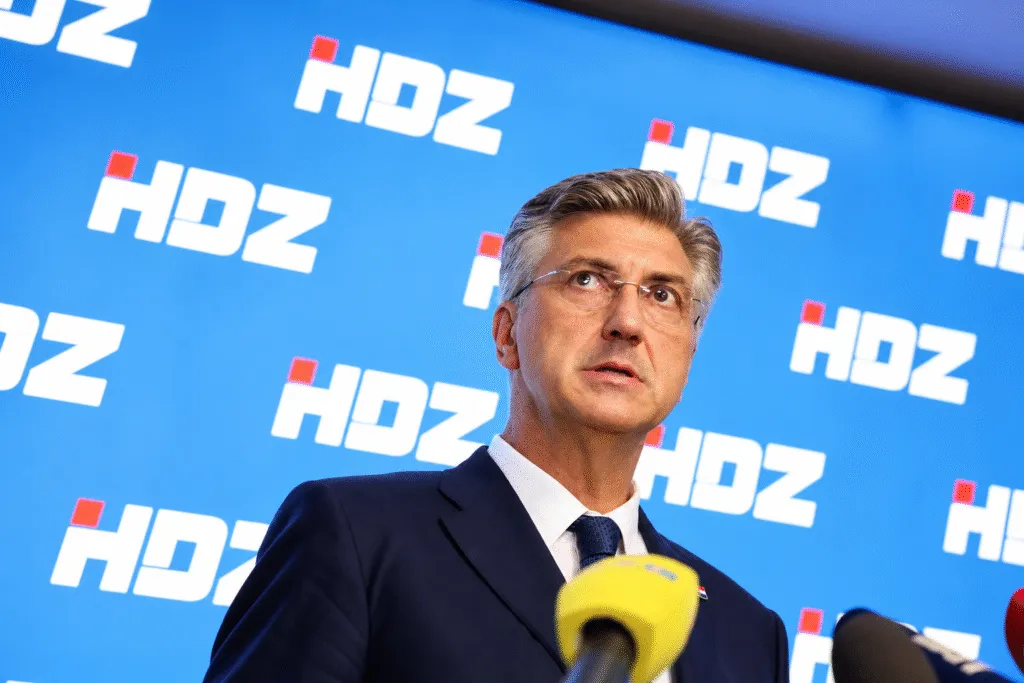
Croatian defence minister Ivan Anušić said that with this Serbia is showing it has not fundamentally moved away from the politics of the 1990s, and that the EU, NATO and the whole world are now seeing the real face of Serbian politics. It is hard to argue with that. But what is not being said is also interesting: for every neighbouring minister this is an internal Serbian problem, not a shared Balkan question. And that is not true. None of these states lives separately from the other's memory.
There is a second layer. UEFA has already fined Red Star Belgrade a total of 98,250 euros over fans chanting Mladić's name at the match against Viktoria Plzeň, on the very day he died, and over a banner reading "General, eternal glory and gratitude". The club then posted a photograph of the banner on its own official channels. The Srebrenica Memorial Centre filed a formal complaint. Alongside the fine, the club was banned from selling tickets for its next European away match. When a club posts that photograph itself, it is no longer an incident in the stands.
The timing nobody mentioned out loud
The state-honours funeral is taking place exactly as Vučić announces early elections within days. It does not take great analytical skill to see what national mobilisation means in a pre-election week. The question that remains is a different one: what does Serbia do with that mobilisation the day after, when Brussels asks it to explain why a state plane carried the body of a man convicted of genocide.
In the Balkans we are used to two parallel speeches - one for the domestic audience, another for Brussels. This is one of the rare situations where the two cannot be separated. The plane is the state's, the flag is the state's, the honours are the state's, and the verdict is final. Somebody will have to choose which of those sentences to withdraw.
The latest 10 news from this category
Serbia sent six ministers but not the leadership of the state - and then claimed these were not state honours....
Belgrade kept the last direct air link between Russia and Europe, and is now opening a route to an enclave...

The opposition is attacked not for what it proposes but for what it would hypothetically do. A mechanism the whole...
A government plane, a coffin draped in the Serbian flag and a minister in the hall - but no state...
The constitution does not allow him a third presidential term, so the post changes - not the holder. Elections are...
Sanctions are written in Brussels but enforced on a quay in Durrës. One ship said no - and the route...
Two prime ministers of member states said they will not vote for sanctions that harm them. The argument looks like...
He crossed the border eight times in six days and no service flagged him as a risk. In the end...
A flag-draped coffin, people on the bridges and a state protocol for a man who died a convicted génocidaire. What...
After nearly a year of protests since the canopy collapse in Novi Sad, Belgrade has a date. Elections are a...
This site uses cookies - is that okay? Learn more
Be the first to know when Metla launches something new
Leave your email and we will write when there is a new guide or something new on Metla.