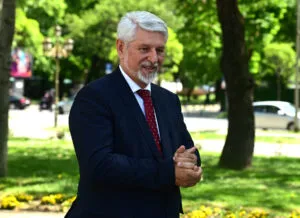
A New Criminal Complaint Against Jakimovski: A Building Permit Based on a Plan Struck Down Back in 2018
16.09.2026


16.09.2026
16.09.2026

16.09.2026
16.09.2026
16.09.2026
16.09.2026

16.09.2026

15.09.2026

14.09.2026
16.09.2026
16.09.2026

15.09.2026

16.09.2026

15.09.2026
14.09.2026

16.09.2026

16.09.2026

16.09.2026

16.09.2026

15.09.2026
15.09.2026

09.03.2026

27.02.2026

19.02.2026

16.09.2026

15.09.2026

14.09.2026

23.04.2026

23.04.2026

12.04.2026

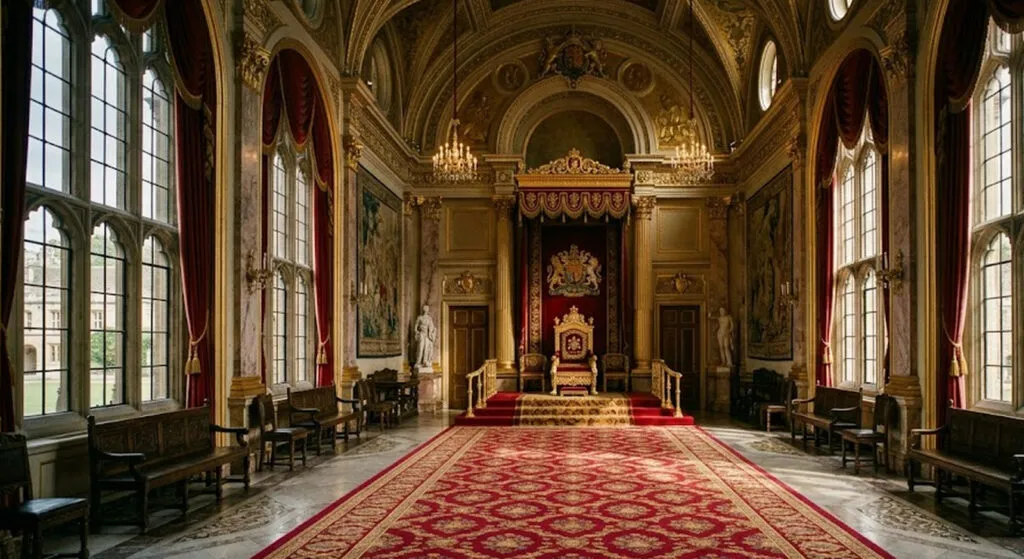
Mohammed VI, King of Morocco, has named his son, the heir apparent Moulay Hassan, as Supreme Chief and Head of the General Staff of the Royal Armed Forces (FAR), as well as Coordinator of the Offices and Services of the General Staff. At just 20 years old, the young man who will one day be king of the largest and most stable Arab monarchy in North Africa has officially entered the structure that, in Morocco, practically defines power - the army.
The logic of the move is diplomatically wrapped but politically clear. Mohammed VI, who was himself groomed for decades before succeeding his father Hassan II, is now building the same ground for his son. The transition is being built. It isn't a question of whether - but when. And when this happens in a country that holds positions in Western Sahara, in the Sahel crises and is part of one of the largest trade routes between Africa and Europe, every move within the royal house is also geopolitics.
Moulay Hassan isn't a newcomer. From his youth he has taken part in official ceremonies and stood in for his father on international stages. He was educated at the Royal College in Rabat and through aeronautical training - a detail that is no accident in a country investing in its armed forces and defence industry. On top of that, he recently opened the Mohammed VI Tower, one of the most emblematic projects of the current king. The symbolism is heavy - father and son cut the ribbon together, and the lever they're handing over passes slowly.
For the Balkan reader, the question is framed differently. If a monarchy in our region tried the same „decades-of-preparation handover" model - which political structure would tolerate it? Morocco, with all its contradictions, has managed to build something that is impossible in Europe - the heir learns in service, at work, in the army, even before being confirmed on the throne. It's a model that is rarely repeated - but one that rests on deep investments in the structure.
The question being asked in Rabat is one - when. The question being asked in Brussels and Paris is another - will the next king of Morocco hold the balance between the West and Africa, or change course. There's no answer yet, but the move of this day says something clear - the time for preparation isn't endless.
The latest 10 news from this category

Sanctions imposed over one war are being offered as currency in an entirely different dispute. Most member states are against...
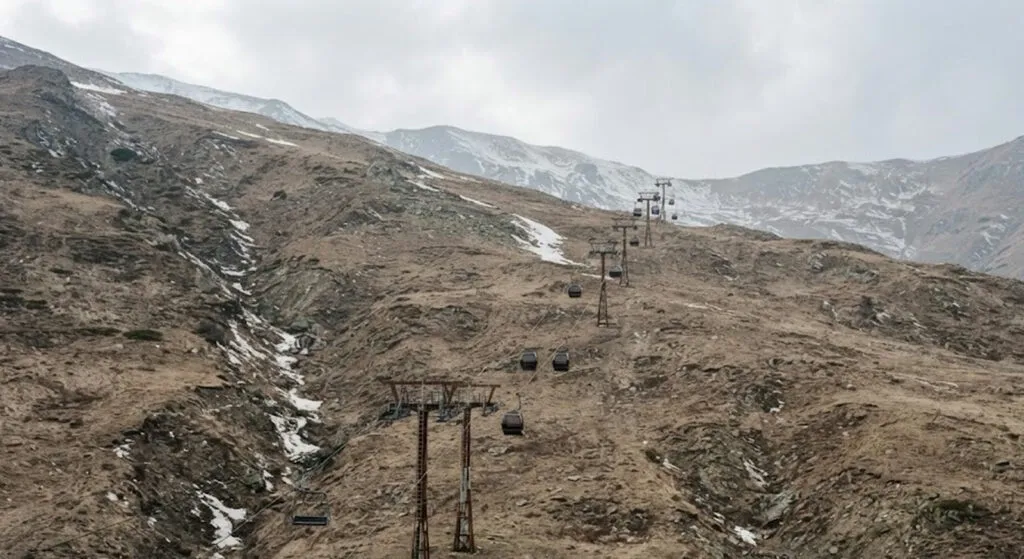
El Nino in the Pacific shifts the currents that decide where snow falls. An area that usually gets a metre...

The easiest way to dismiss an uncomfortable argument is to point at who is making it. But that does not...
The appeals court ruled the entire trial must start over. The son of Norway's queen is waiting for it on...
Trump scaled back the military exercises to ease the tension, and Wonsan answered in the form of projectiles. What does...

The sanctions list got a seven-day extension instead of one measured in months, a move diplomats themselves call unprecedented. Two...
Switzerland offered a table for talks on Ukraine, Moscow replied that the table stopped being neutral once Bern adopted EU...
The will says one thing, a committee of twenty-one men decided another. The queen mother says the army pulled the...
A country that was Europe's byword for stability for decades now has a parliament split into two blocs by a...
Sixteen years in power, defeat at a regular election, five months of quiet - and now the election result is...
This site uses cookies - is that okay? Learn more
Be the first to know when Metla launches something new
Leave your email and we will write when there is a new guide or something new on Metla.