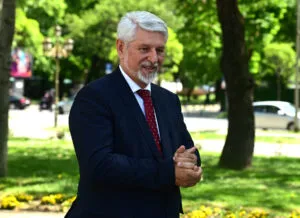
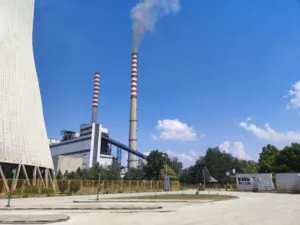
A New Criminal Complaint Against Jakimovski: A Building Permit Based on a Plan Struck Down Back in 2018
16.09.2026


16.09.2026

16.09.2026

16.09.2026
16.09.2026
16.09.2026

16.09.2026
16.09.2026
15.09.2026

14.09.2026
16.09.2026
16.09.2026

15.09.2026

16.09.2026

15.09.2026

14.09.2026

16.09.2026

16.09.2026

16.09.2026

16.09.2026

15.09.2026
15.09.2026

09.03.2026

27.02.2026

19.02.2026
16.09.2026

15.09.2026

14.09.2026

23.04.2026

23.04.2026

12.04.2026

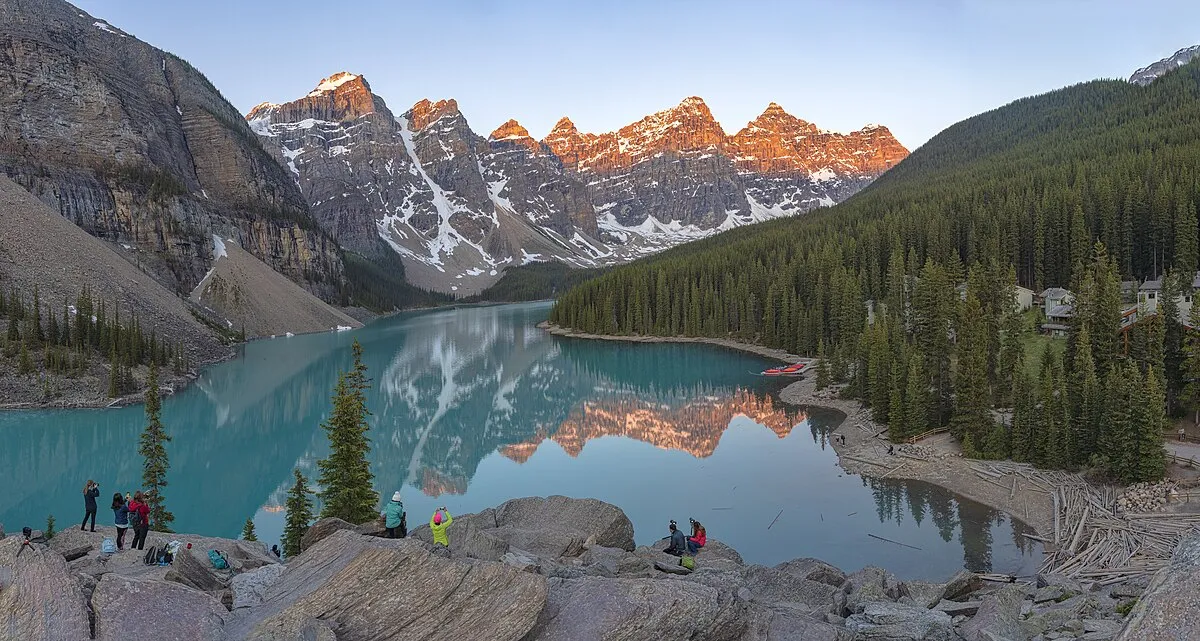
In the province of Alberta - Canada's oil giant and the third largest by population - a collection of signatures was handed in yesterday demanding a referendum on independence from Canada. The initiative is led by the group Stay Free Alberta, which claims to have gathered more than 300,000 signatures, far more than the 178,000 (10 percent of voters) required by law.
Mitch Sylvestre, the group's leader, described the moment in front of the elections office in Edmonton using a sports metaphor - „today is a historic day for Alberta. This is the first step towards the next - we've passed the third round and now we're in the Stanley Cup final." The same metaphor cuts the other way - it's a sport, and every sport knows the final doesn't mean victory.
Why all this? Since the 1970s, Alberta has been circulating the notion of „Western alienation" - the conviction that the federal authorities in Ottawa neglect the province's interests. Especially in oil and gas. Under the Liberal governments of Jean Chrétien, Paul Martin and Justin Trudeau, Albertans felt the climate policies were squeezing Alberta's industries to please voters in Quebec and Ontario.
The current economic situation makes the frustration concrete. Alberta produces over 80 percent of Canadian oil and gas, pays more into the federal treasury than it gets back, and at the same time is a political minority in the federal parliament. The feeling - this is Sweden in a Union of Baltic States - food for everyone, and last in line at the table.
But there are obstacles. First - the First Nations. Lawyer Kevin Hill, representing the Athabasca Chipewyan nation, argues that independence would violate the treaties signed with the British Crown more than a hundred years ago. „An international border would affect their rights and way of life," says Hill. A case before an Alberta court has led to a parallel pause in the verification of signatures.
Second - the counter-petition „Forever Canadian." It has collected 450,000 signatures against secession - more than the separatist initiative itself. According to research by Abacus Data from February, only around 25 percent of Albertans support independence. That's a significant minority against - meaning the referendum, if held on 19 October, will likely fail.
Third - the US in the game. Lawyer Jeff Rath admitted in a January BBC interview that there are conversations with the Donald Trump administration about a „feasibility study" for potential 500 billion dollar credit arrangements if secession comes. The group claims it isn't seeking American financing - but mentioning 500 billion and Trump in the same sentence is not innocent. And for many Canadians, this is a signal that a bigger geopolitical game is being played than a simple provincial frustration.
For the Balkans, which know these scenarios up close, this case is a seminar. Catalonia, Scotland, Kosovo, Republika Srpska - all have their variants of „Western alienation." And all have their counter-petitions, their ethnic minorities blocking them, their international backers who don't formally recognise them. There are differences - Alberta has 4.5 million inhabitants and oil sovereignty; Kosovo has 1.8 million and limited international recognition; Catalonia voted 8 years ago and the result still echoes.
The question Canadians will now be asking isn't „will Alberta secede" - that probably won't happen. The question is - why 25 percent believe it should, and what kind of federal democracy allows such a crack to grow. The Balkans turned that question into several different shapes. Canada is now entering it without much experience.
The latest 10 news from this category

Sanctions imposed over one war are being offered as currency in an entirely different dispute. Most member states are against...
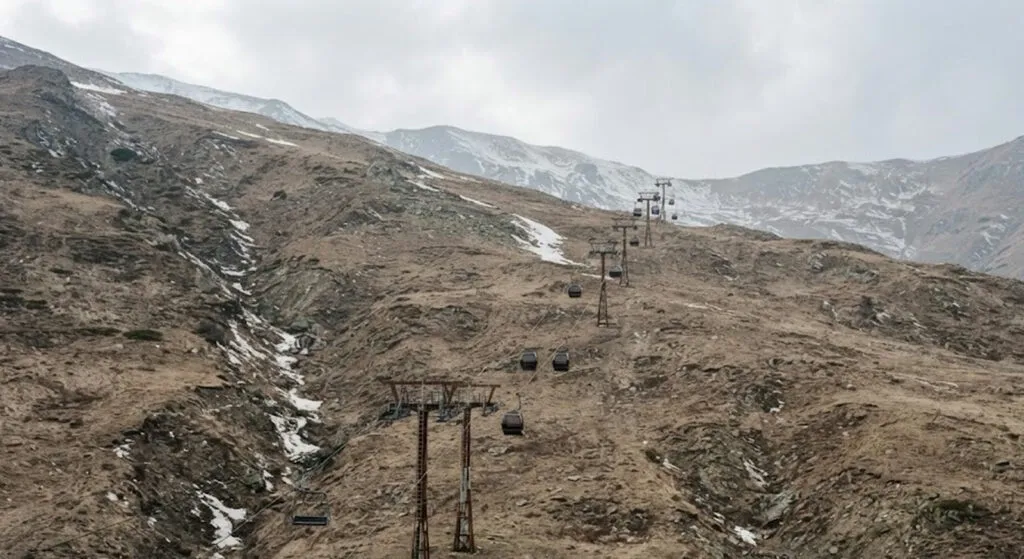
El Nino in the Pacific shifts the currents that decide where snow falls. An area that usually gets a metre...
The easiest way to dismiss an uncomfortable argument is to point at who is making it. But that does not...
The appeals court ruled the entire trial must start over. The son of Norway's queen is waiting for it on...
Trump scaled back the military exercises to ease the tension, and Wonsan answered in the form of projectiles. What does...
The sanctions list got a seven-day extension instead of one measured in months, a move diplomats themselves call unprecedented. Two...
Switzerland offered a table for talks on Ukraine, Moscow replied that the table stopped being neutral once Bern adopted EU...
The will says one thing, a committee of twenty-one men decided another. The queen mother says the army pulled the...
A country that was Europe's byword for stability for decades now has a parliament split into two blocs by a...
Sixteen years in power, defeat at a regular election, five months of quiet - and now the election result is...
This site uses cookies - is that okay? Learn more
Be the first to know when Metla launches something new
Leave your email and we will write when there is a new guide or something new on Metla.