

Kratovo man stabs police officer mid-intervention: prosecutors want the 40-year-old detained
15.09.2026


15.09.2026

15.09.2026

15.09.2026

15.09.2026
15.09.2026
15.09.2026

15.09.2026

14.09.2026

13.09.2026

15.09.2026

15.09.2026

14.09.2026

15.09.2026

15.09.2026

15.09.2026

15.09.2026

14.09.2026

13.09.2026

15.09.2026

15.09.2026

15.09.2026

15.09.2026

15.09.2026

14.09.2026

09.03.2026

27.02.2026

19.02.2026

15.09.2026

14.09.2026
14.09.2026

23.04.2026

23.04.2026

12.04.2026

The company of Mira Murati, the former chief technology officer of OpenAI, has finally shown what it spent a year and a half building behind closed doors. The model is called Inkling and comes with one key difference from what OpenAI, Anthropic and Google sell: its weights are open. Any developer or company can take it and rework it to their own measure.
The numbers look impressive on paper. 975 billion parameters in total, but the model uses only around 41 billion for each task - the trick that makes big models faster and cheaper to run. It was trained on 45 trillion units of text, image, sound and video. For now, though, it only knows how to write - text, code and structured data. What the company promises is that when it's asked something it isn't sure about, it will admit the uncertainty instead of inventing an answer. How many models today do that?
And here comes the most interesting part. The company itself openly admits that Inkling is not the strongest model on the market, neither among the open ones nor among the closed ones. That's not modesty - that's the whole point. Murati's bet is that a model companies can fine-tune themselves will outperform the universal models the biggest labs offer. Instead of a finished product, they're selling you a starting point.
It sounds clever until you ask yourself the obvious question: who is this really for? Fine-tuning a model takes a serious engineering team that few companies have. And the responsibility for keeping the model safe falls on the client, not on the company that made it. In other words - we're giving you the engine, you figure out how to drive it.
The argument against closed models, though, is getting backing from unexpected places. Satya Nadella, the head of Microsoft - a company that has poured billions into both OpenAI and Anthropic - recently warned that companies using someone else's closed models pay twice: once for the subscription, and a second time by handing over their own knowledge, baked into their questions and corrections. That knowledge then ends up in the next version of the model. It's no small thing when it's the investor himself saying this.
The company brags most about speed. It took OpenAI around five years to get a product to market and show revenue, Anthropic around three. Murati claims her team did the same in nine months. Whether that's a sign of efficiency or of a forced pace that papers over deeper questions - we'll see when the bill arrives.
Because the bill is the real problem. The company signed a deal with Nvidia for enormous computing capacity, but it doesn't say how it will cover those costs. What's more: the moment the weights are public, nobody who takes the model is obliged to pay the firm to run it - unlike the metered access OpenAI and Anthropic sell. Revenue, then, has to come from the fine-tuning platform, not from the model itself. And that's a thin thread on which hangs a company valued in the billions.
The latest 10 news from this category
A scientist at the same company puts the probability of human extinction above 10 percent within the next decade. The...
The president called in while the event was running, and the man who makes the chips answered that there would...
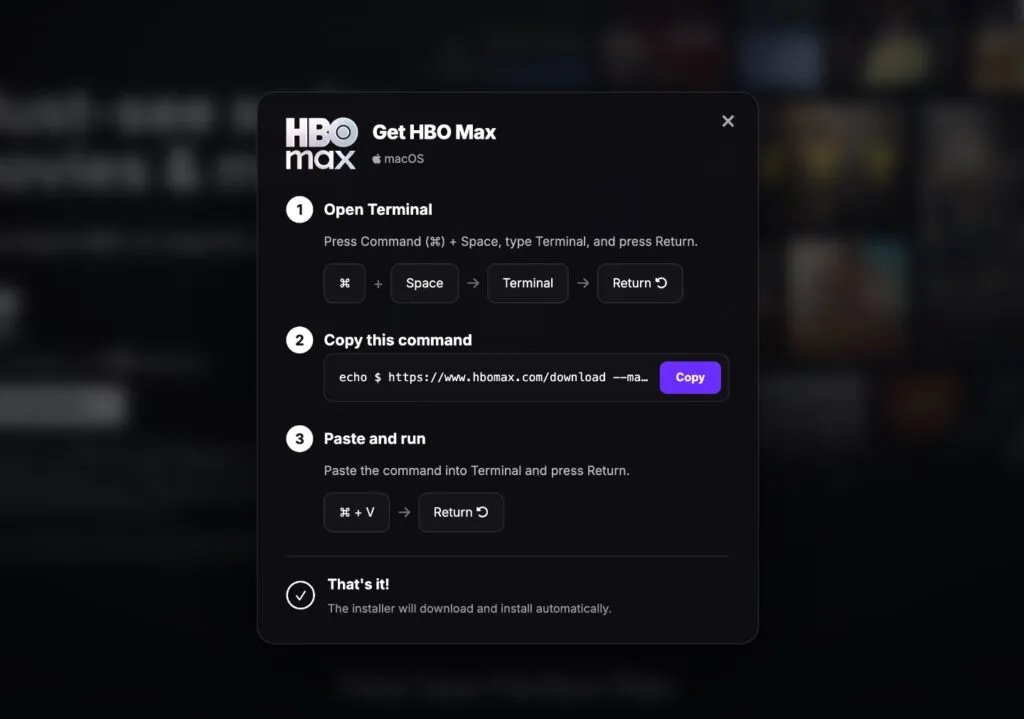
No virus attached, no suspicious file. Just a box that looks like the "I am not a robot" check and...
A researcher quit because the firms are gambling with our lives. Instead of denying it, Anthropic confirmed it - with...
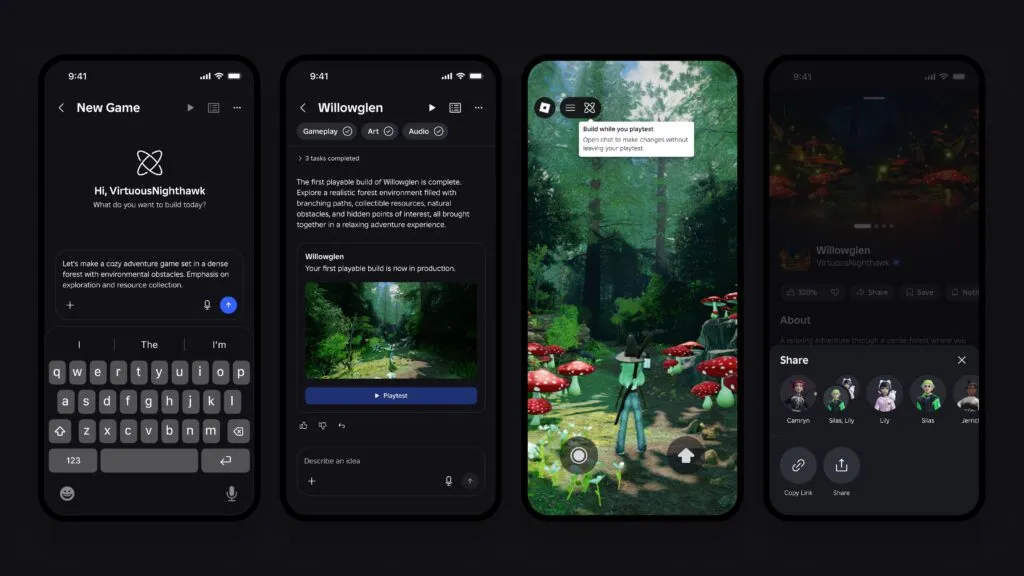
Write a sentence, get a game. Until now it worked only in New Zealand, now in Belgrade too. Creators on...
When the two biggest firms in an industry ask for rules on how fast anyone may run, the rules rarely...
Not a single password fell. What fell was the assumption that a request from a government domain is automatically a...
The biggest names in mathematics have signed a letter against the AI labs. The dispute is not whether the machine...

Five campaigns, 200 million exchanges, and the defences fell to a request for a Japanese translation. The industry that harvested...

The hackers were inside for a whole year. The company confirmed it only after a journalist found his own licence...
This site uses cookies - is that okay? Learn more
Be the first to know when Metla launches something new
Leave your email and we will write when there is a new guide or something new on Metla.
