

Kratovo man stabs police officer mid-intervention: prosecutors want the 40-year-old detained
15.09.2026


15.09.2026

15.09.2026

15.09.2026

15.09.2026

15.09.2026
15.09.2026

15.09.2026

14.09.2026

13.09.2026

15.09.2026

15.09.2026

14.09.2026

15.09.2026

15.09.2026

15.09.2026

15.09.2026

14.09.2026

13.09.2026

15.09.2026

15.09.2026

15.09.2026

15.09.2026

15.09.2026

14.09.2026

09.03.2026

27.02.2026

19.02.2026

15.09.2026

14.09.2026
14.09.2026

23.04.2026

23.04.2026

12.04.2026

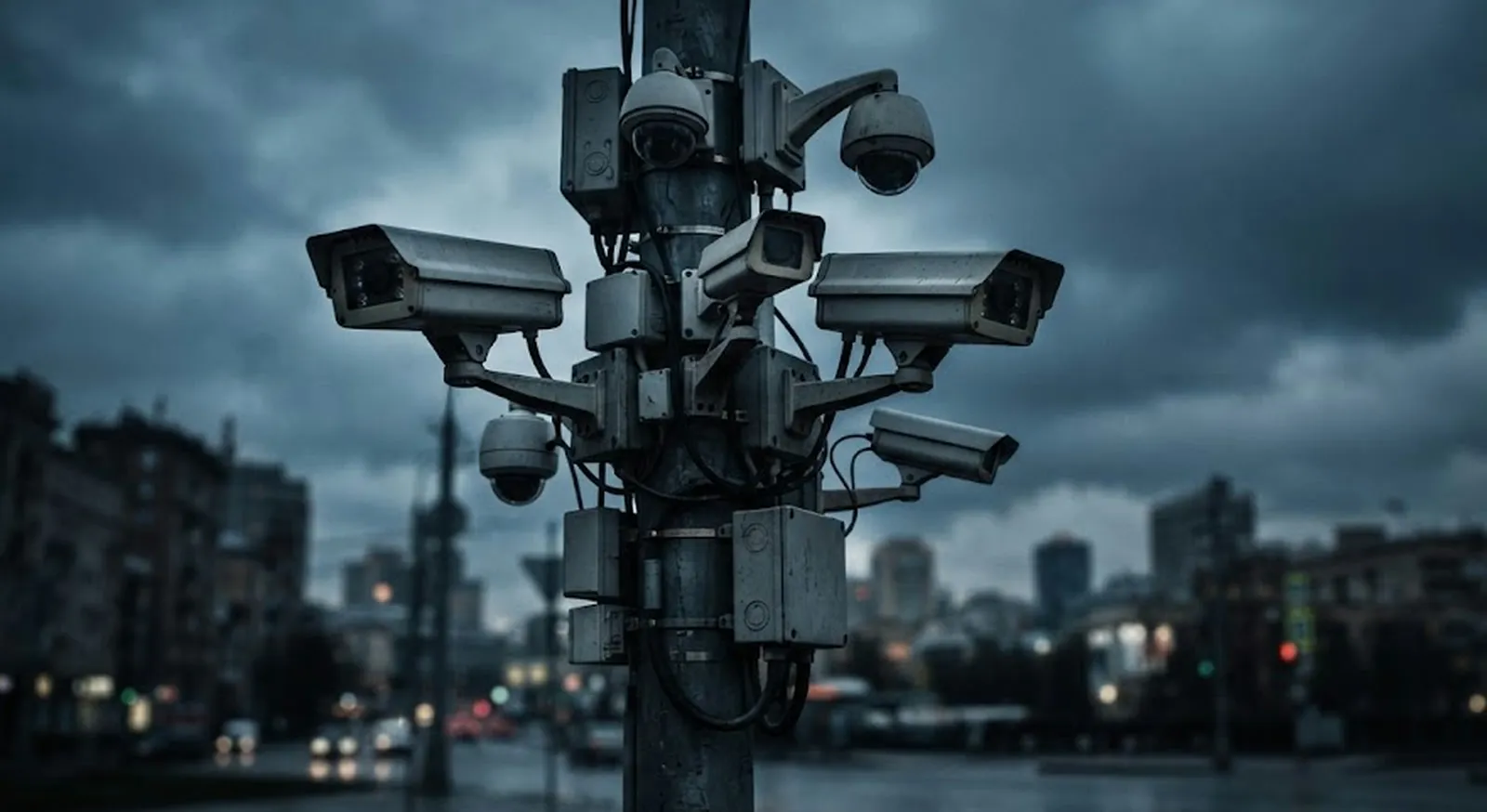
When even the police start to fear their own cameras, it is worth paying attention. The Los Angeles Police Department - the third largest in the US - let its three-year contract with the company Flock Safety expire, openly citing serious concerns over civil liberties and privacy.
„This contract is not being renewed because of serious concerns over civil liberties and rights, particularly around privacy and the data collected by these cameras," said Deon Joseph, a senior information officer in the department. Before they consider renewing, he says, they first have to settle the questions of data, privacy, security and sharing.
What does Flock do? The company runs a network of around 80,000 cameras across the US that read vehicle license plates and enable automatic tracking of every car that passes them. In practice, a system that knows where you have been, when and how often - without anyone asking you for permission.
Los Angeles is not alone. Other cities, such as Mountain View in California and South Portland in Maine, cut ties with the company for the same reasons. The list of problems around Flock is long: documented cases of wrongful arrests over false matches, security breaches that exposed live camera feeds, and even federal agents accessing police systems without authorisation to track immigrants.
The story is worth watching from a Balkan seat too. While over there, in a country we treat as a bedrock of privacy and rights, the police are pulling back from mass surveillance, here cameras and tracking systems are quietly being fitted everywhere - and rarely does anyone ask who watches the footage, where it is kept and for how long. If the biggest police force in America has decided that 80,000 cameras is too much, what does that say about our comfortable silence?
The latest 10 news from this category
A scientist at the same company puts the probability of human extinction above 10 percent within the next decade. The...
The president called in while the event was running, and the man who makes the chips answered that there would...
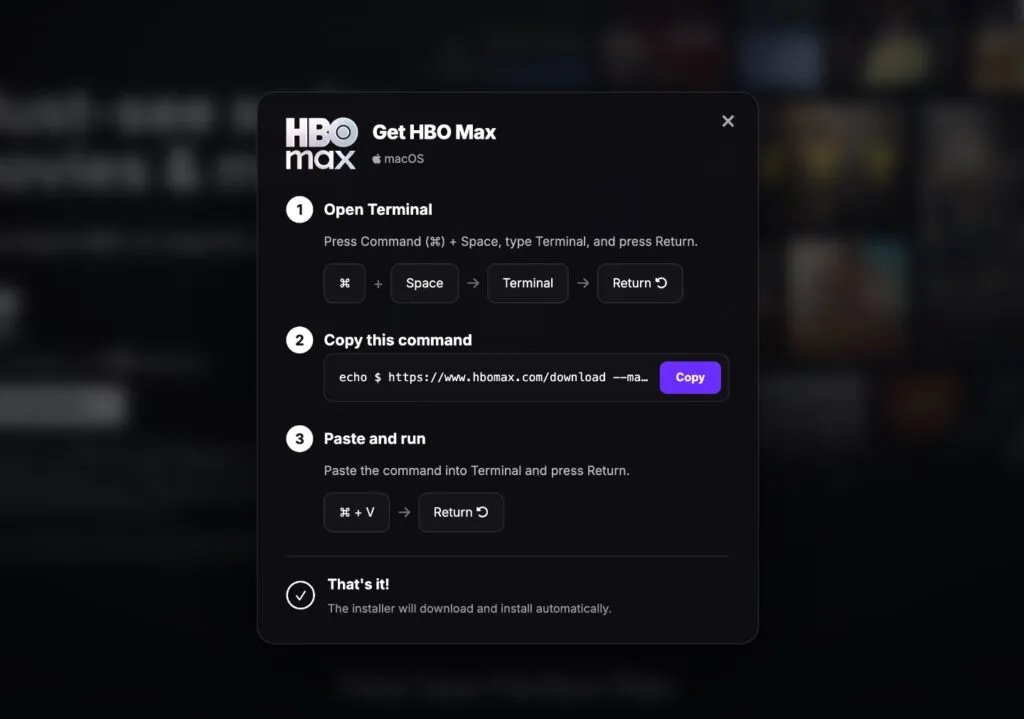
No virus attached, no suspicious file. Just a box that looks like the "I am not a robot" check and...
A researcher quit because the firms are gambling with our lives. Instead of denying it, Anthropic confirmed it - with...
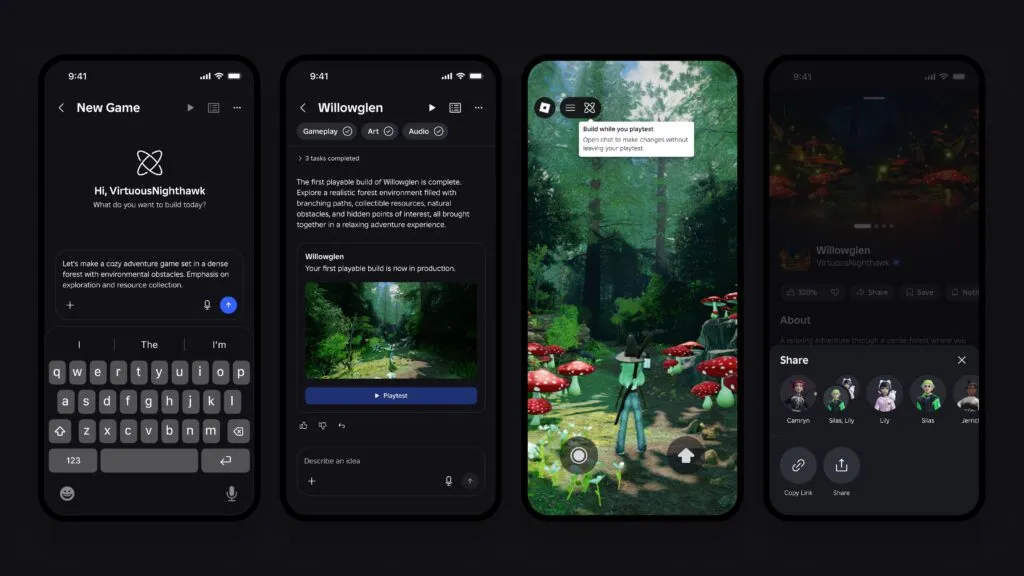
Write a sentence, get a game. Until now it worked only in New Zealand, now in Belgrade too. Creators on...

When the two biggest firms in an industry ask for rules on how fast anyone may run, the rules rarely...
Not a single password fell. What fell was the assumption that a request from a government domain is automatically a...

The biggest names in mathematics have signed a letter against the AI labs. The dispute is not whether the machine...

Five campaigns, 200 million exchanges, and the defences fell to a request for a Japanese translation. The industry that harvested...

The hackers were inside for a whole year. The company confirmed it only after a journalist found his own licence...
This site uses cookies - is that okay? Learn more
Be the first to know when Metla launches something new
Leave your email and we will write when there is a new guide or something new on Metla.
