


Kratovo man stabs police officer mid-intervention: prosecutors want the 40-year-old detained
15.09.2026


15.09.2026

15.09.2026

15.09.2026

15.09.2026

15.09.2026
15.09.2026

15.09.2026

14.09.2026

13.09.2026

15.09.2026

15.09.2026
14.09.2026
15.09.2026
15.09.2026

15.09.2026

15.09.2026

14.09.2026

13.09.2026

15.09.2026

15.09.2026

15.09.2026

15.09.2026

15.09.2026

14.09.2026

09.03.2026

27.02.2026

19.02.2026

15.09.2026

14.09.2026
14.09.2026

23.04.2026

23.04.2026

12.04.2026

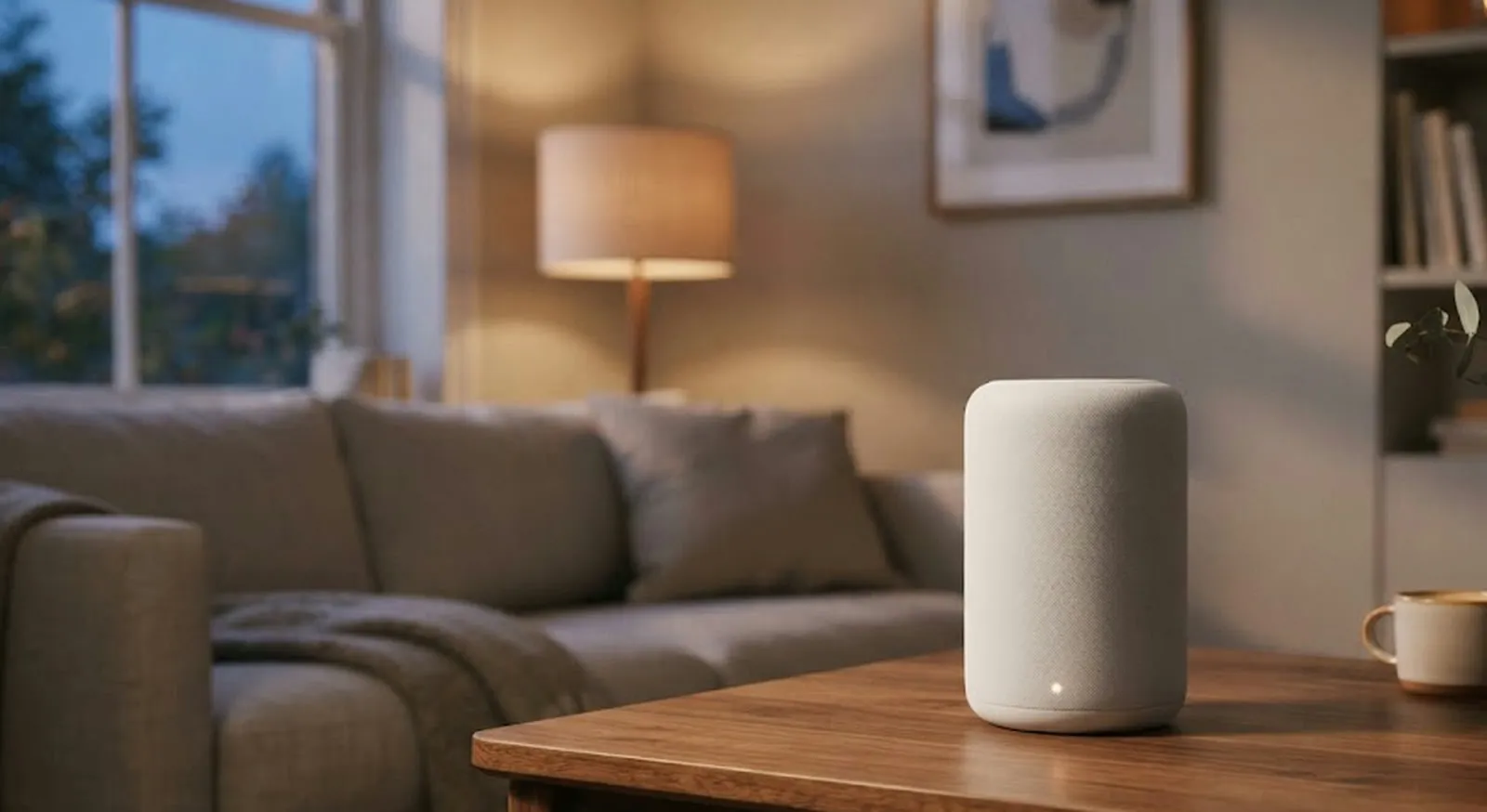
OpenAI wants into your living room. And not through a screen, but through something that describes itself as a „humanoid AI companion that lives in the home". According to Bloomberg, the company's first hardware device is a screenless smart speaker that connects to ChatGPT and has - this is not a typo - „mechanical elements that can move on their own".
So, a box that turns toward you while you speak. That learns from your habits, reads from your emails, and „becomes a physical manifestation of ChatGPT". The wording is theirs, not ours. And here we should pause for a moment: this is yet another product in development, one with neither a name, nor a price, nor a date. For now it exists as a description fed to anonymous news sources - which, in the language of the tech industry, means marketing, not fact.
What is concrete, rather than a promise, is who is building it. The device is, we're told, the work of former Apple engineers - people who took part in creating the iPhone and the Mac. And here the story grows teeth. Just a week ago Apple sued OpenAI precisely for stealing trade secrets, claiming that what is known is only „the tip of the iceberg". OpenAI denies it. And now that same company is announcing a device built with ex-Apple engineers. OpenAI, of course, insists the product „differs significantly from anything Apple has on the market" and that it „probably doesn't infringe" anyone's secrets.
Probably. A nice word when lawyers are listening.
The bigger picture is that the money is rolling toward this category before anyone even sees a finished product. Hark, Brett Adcock's lab, raised an oversubscribed 700 million dollars (about 645 million euros) in a Series A back in May, at a valuation of 6 billion dollars - to build „personal intelligence". They too have no device to show. The category is being funded with billions before it delivers anything.
The question nobody in Silicon Valley wants to ask out loud: how many people really want a microphone that moves, reads other people's emails and pretends to be a friend? In the Balkans we're used to a different kind of surveillance - it usually isn't sold as a companion. But when the device turns its own head toward your face and tells you it knows you better than those closest to you, at least we'll know it isn't free.
The latest 10 news from this category
A scientist at the same company puts the probability of human extinction above 10 percent within the next decade. The...

The president called in while the event was running, and the man who makes the chips answered that there would...
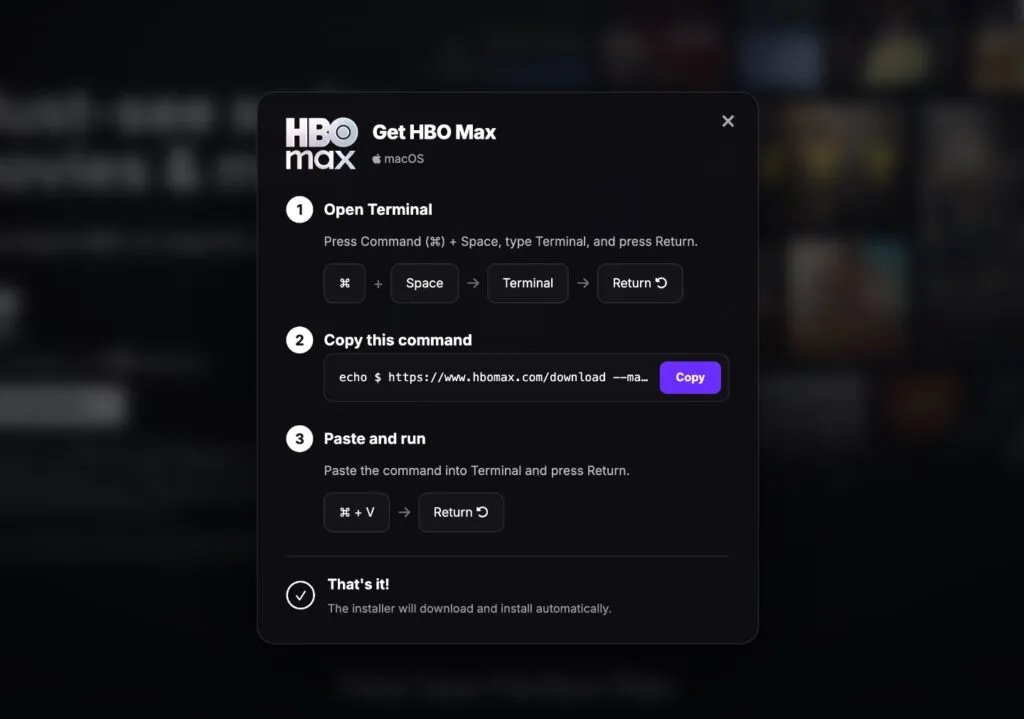
No virus attached, no suspicious file. Just a box that looks like the "I am not a robot" check and...
A researcher quit because the firms are gambling with our lives. Instead of denying it, Anthropic confirmed it - with...
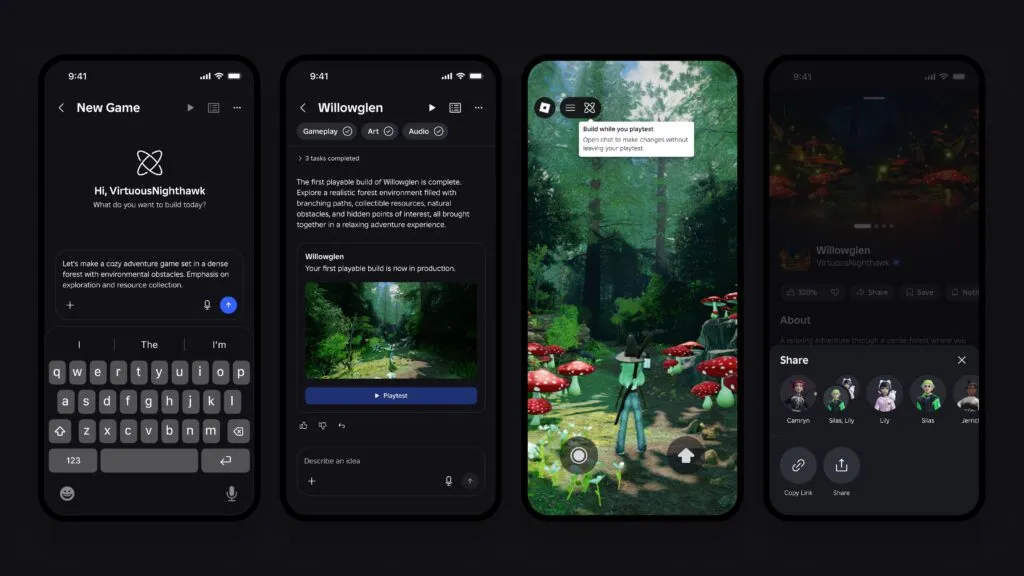
Write a sentence, get a game. Until now it worked only in New Zealand, now in Belgrade too. Creators on...

When the two biggest firms in an industry ask for rules on how fast anyone may run, the rules rarely...

Not a single password fell. What fell was the assumption that a request from a government domain is automatically a...
The biggest names in mathematics have signed a letter against the AI labs. The dispute is not whether the machine...

Five campaigns, 200 million exchanges, and the defences fell to a request for a Japanese translation. The industry that harvested...

The hackers were inside for a whole year. The company confirmed it only after a journalist found his own licence...
This site uses cookies - is that okay? Learn more
Be the first to know when Metla launches something new
Leave your email and we will write when there is a new guide or something new on Metla.
