
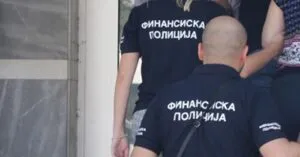
State Lottery: Two Arrests Over an 80-Million-Denar Embezzlement, While the Star Witness in Court Changed His Story
06.10.2026


06.10.2026
06.10.2026

06.10.2026

06.10.2026
06.10.2026

06.10.2026
06.10.2026

06.10.2026
05.10.2026

06.10.2026

06.10.2026

05.10.2026

06.10.2026

06.10.2026

06.10.2026

06.10.2026

05.10.2026
04.10.2026
06.10.2026

06.10.2026
06.10.2026

06.10.2026

06.10.2026
05.10.2026

09.03.2026

27.02.2026

19.02.2026

06.10.2026

05.10.2026
04.10.2026
06.10.2026
05.10.2026
04.10.2026

23.04.2026

23.04.2026

12.04.2026

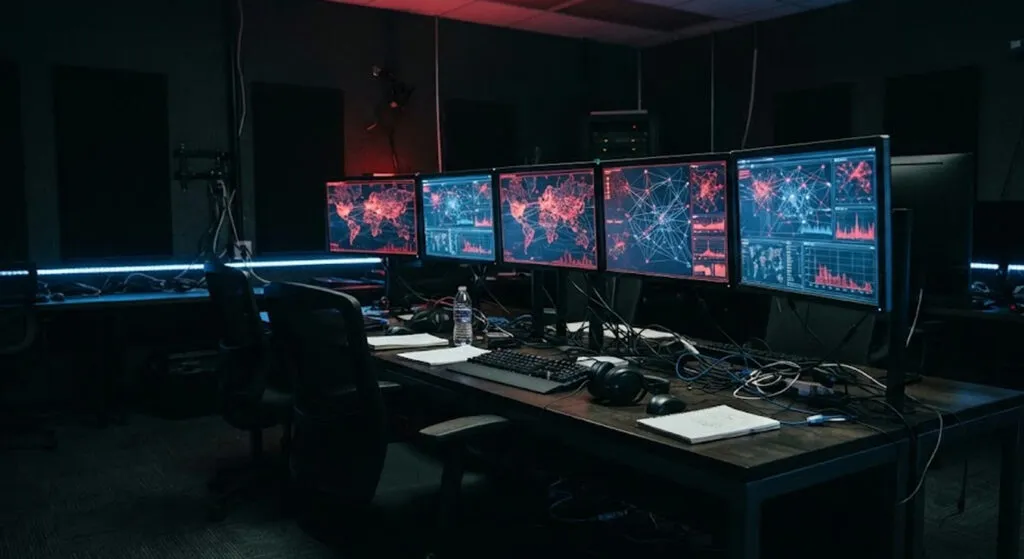
Croatian Major General Denis Tretinjak, director of the General Staff of the Croatian Armed Forces, put a figure into a newspaper interview that was never going to go unanswered. Last year Croatia's Security and Intelligence Agency (SOA) logged 38 state-sponsored cyber attacks, and two thirds of them were attributed to Russia.
Among the forms of hybrid activity in Croatia, Tretinjak also listed arson, cyber attacks, information warfare, disinformation of the public and obstruction of democratic processes. In other words, the list is far longer than a few hacker intrusions into state servers.
The Russian embassy in Zagreb responded sharply. "We view the statement by Croatian Major General Denis Tretinjak in the context of the mass intimidation of European citizens. A very dangerous escalation aimed against Russia is continuing in European and NATO countries," the embassy said, calling the accusations absurd.
Russian diplomats claim it has become almost routine in Europe to blame Moscow for any crisis, with the aim, as they see it, of justifying accelerated rearmament. "It has become good form to accuse us of any crises and incidents in the European Union in order, as we understand it, to provide a rationale for preparing for a war as early as 2029-2030, which European politicians are so fond of talking about," the embassy stated.
The embassy singled out a 29 September statement by NATO Secretary General Mark Rutte. Rutte had backed the view of the Supreme Allied Commander Europe, Alexus Grynkewich, that member states should publicly name Russia when they are certain or almost certain that Moscow is behind a particular hostile activity. Moscow reads that as lowering the bar for accusations. "No evidence is needed any more. Why bother? Nobody will answer for empty accusations and slander anyway," the embassy said.
The response went further still, to Kaliningrad, the Russian exclave squeezed between Poland and Lithuania. The embassy portrayed NATO exercises in the Baltic as pressure on Kaliningrad and cited a May statement by Lithuanian Foreign Minister Kęstutis Budrys that NATO has the means, if necessary, to "level" Russian air-defence systems and missile bases in the area. "All these actions in the immediate vicinity of Russia's borders pose a direct threat to our country," the embassy replied. NATO, for its part, officially describes the exercises as training to defend the region.
The final message was addressed straight to the Croatian public: "Readers of the Croatian media should understand that if politicians and the military lobby in Europe do not change their suicidal course, the logic of piling up accusations and counter-responses will lead to fatal consequences in the form of a full-scale military conflict."
Croatia is a NATO member and, as the embassy itself admitted, follows the Alliance line. But a region that saw war first-hand three decades ago knows that the most dangerous moment isn't when someone says the word "war" - it's when the word starts to sound normal. When the embassy of a great power writes directly to readers in a Balkan country about "fatal consequences", does anyone still think this is just diplomatic rhetoric?
The latest 10 news from this category
The video has over half a million views, and Serbia's Defence Ministry is silent. If two lads with a camera...
Hungary has a new prime minister, but Dodik is still getting congratulations from Orbán. What is support worth from a...
Komšić conceded, Dodik celebrated with a song, and Bećirović dreams of a "Balkan Switzerland". The elections are over - the...
The recent president promises ministers who will be out in the field every day and a hand extended to the...
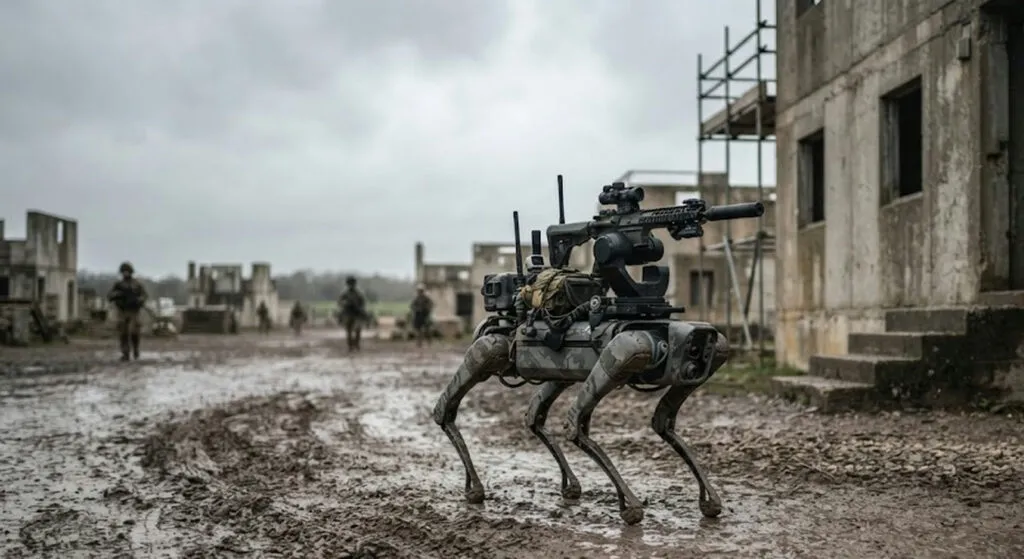
Two weeks after the factory in Šabac opened, four-legged robots with "Osa" rockets are already firing in an exercise. Experts...

The Albanian prime minister wants the veto abolished and says Ukraine has no chance under the current rules. Macedonia, which...
"Rest in peace, general, and thank you" cost her her job in Tomislavgrad. In Banja Luka the same post was...
The only woman convicted by the Hague tribunal has died in Belgrade aged 96. Scientist, president, convicted of persecution -...
Barrier-free trade and access to research programmes - if you align with Brussels's foreign policy and don't share technology with...
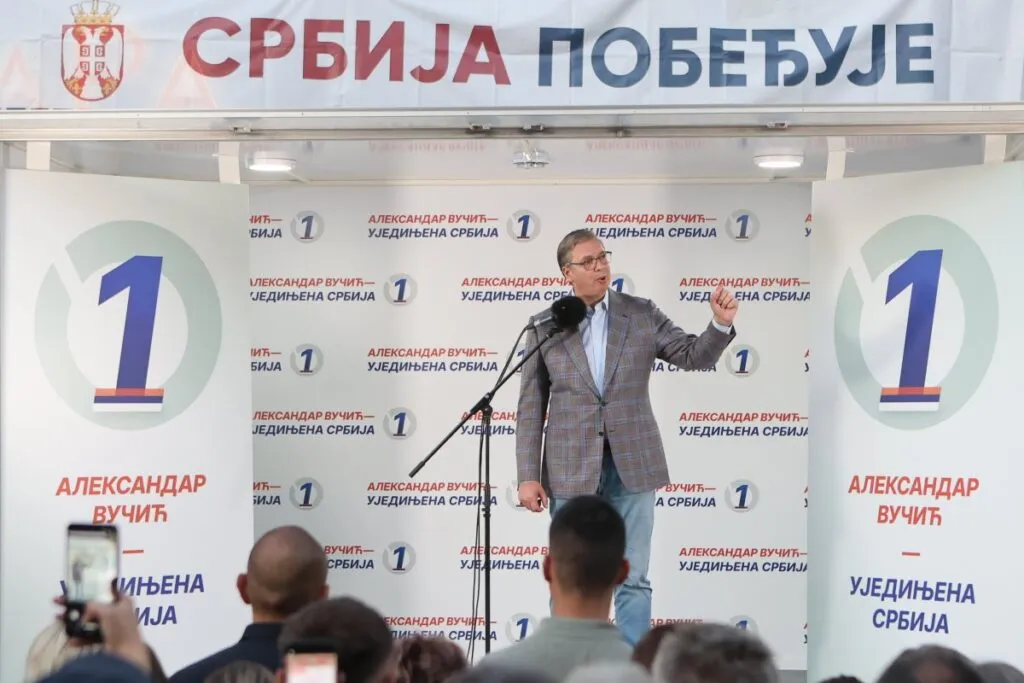
In front of more than 10,000 people in Jagodina, Vučić talked about six or seven billion euros "from outside" and...
This site uses cookies - is that okay? Learn more
Be the first to know when Metla launches something new
Leave your email and we will write when there is a new guide or something new on Metla.