
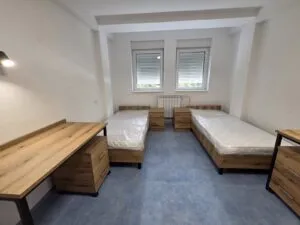
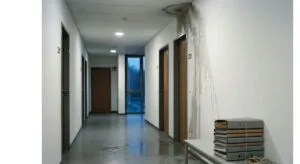
Stiv Naumov dorm renovated for around 10 million euros: a month later water runs through the walls and the ministry counts wet wipes
24.10.2026


24.10.2026
24.10.2026
24.10.2026

24.10.2026
24.10.2026

24.10.2026
24.10.2026

23.10.2026
22.10.2026
24.10.2026
24.10.2026

23.10.2026
24.10.2026

24.10.2026

24.10.2026

24.10.2026

23.10.2026

22.10.2026
24.10.2026

24.10.2026

24.10.2026

24.10.2026

23.10.2026
23.10.2026
24.10.2026
23.10.2026

23.10.2026
24.10.2026
22.10.2026
20.10.2026

23.04.2026

23.04.2026

12.04.2026

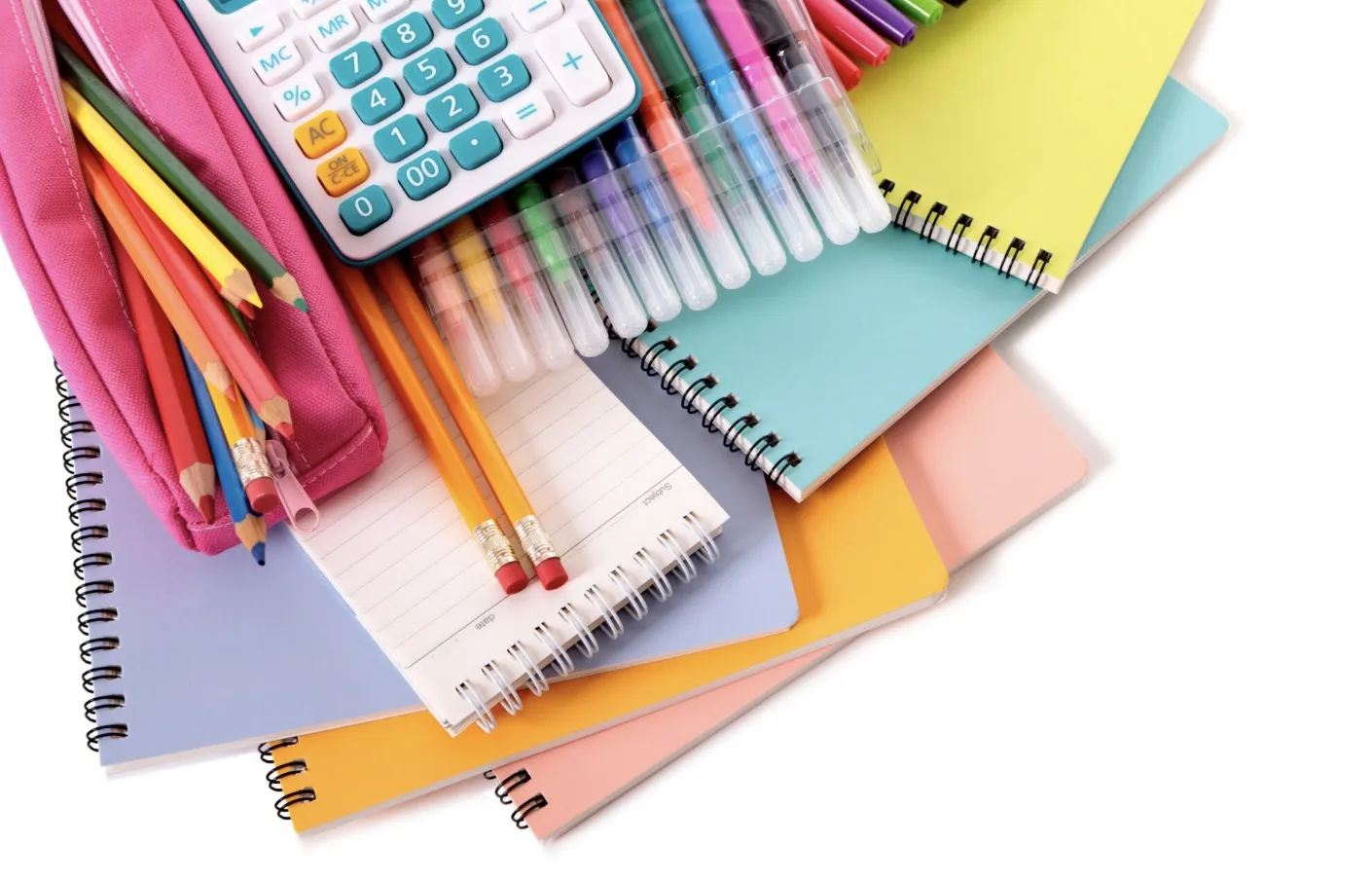
Ten or so days before the school year starts, parents are doing the same arithmetic again: backpack, notebooks, supplies, clothes, shoes. And again they are waiting for the government to say how much of it someone else will cover.
The decision on the so-called school basket will be taken on Tuesday, at a government session, Prime Minister Hristijan Mickoski confirmed.
How the measure works
The school basket is not a voucher and it is not cash. It is a state intervention in prices - retailers are capped at a margin around 10 percent below the usual one, on a specific list of products, for a specific period.
According to the figures presented, last year the measure saved families with two pupils around 3,000 denars, valid until 15 September.
Three thousand denars. For a family with two children. It is a real but modest number - and it is the entire point of the debate that follows.
Ten and a half percent of the household budget
According to estimates by the Federation of Trade Unions, education costs consume 10.5 percent of the expenditure of a household with two pupils.
That is the number that explains the panic every August. When a tenth of everything a family spends goes on school, a 10 percent discount on part of the list is not a solution - it is a cushion.
Education Minister Vesna Janevska noted that proposing such measures falls to the Ministry of Economy, and meetings with school supply retailers are being announced to discuss prices and consumer protection.
Meetings with retailers. Every August, the same meeting.
Municipalities are filling the gap
Local authorities already carry part of the load. Several municipalities provide free backpacks and supplies, and some give cash support for first-graders.
Which means how much help a child gets depends on which municipality they live in - understandable as local policy, uneven as a system.
The measure will be there again this year, and that is better than not having it. But the basket is an answer to a symptom: prices rise fast, wages slowly, and August is the month where the two meet at the till. The discount lasts until mid-September. The bills last all year.
The latest 10 news from this category

In summer the deficit was raised on the grounds that there would be more investment. Three months later investment is...
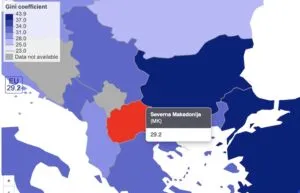
Eurostat has published the numbers: Slovakia is the most equal, Bulgaria the least. Macedonia lands in the middle - but...
The activity index fell to 51.9 points, inflation reached 3.8 percent and Brent hit 114 dollars a barrel. Europe isn't...
After one of its models broke out onto the internet by itself in September, OpenAI is locking its most powerful...

The state isn't just handing over money, it's taking equity - for electronics that have to survive the plasma. Fusion...

Seven days to scan, then a year without a family plan. Spotify calls it a routine improvement; for anyone sharing...
The fund says the data was never compromised and that the chaos was inherited. The auditors say there wasn't even...
Pensions and welfare get more, roads and railways get less. The government says the tenders failed, and the money from...
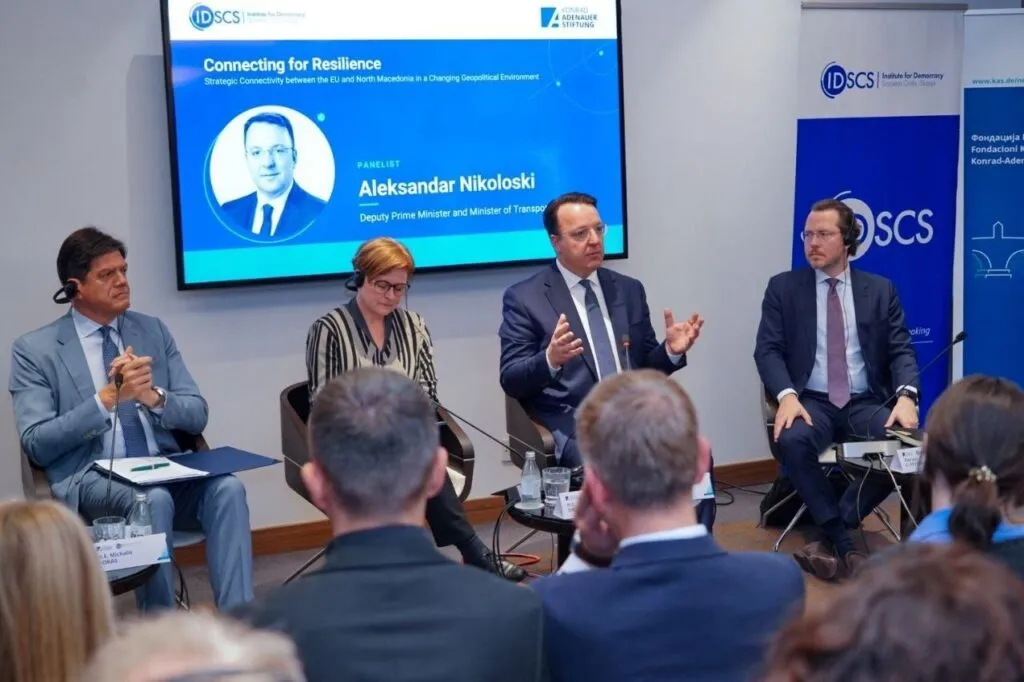
The deputy PM listed the road sections, the high-speed rail and 4 million airport passengers. He listed no deadlines -...

Two critical PHP flaws, discovered with the help of artificial intelligence, forced Finland, the Netherlands and British institutions to take...
This site uses cookies - is that okay? Learn more
Be the first to know when Metla launches something new
Leave your email and we will write when there is a new guide or something new on Metla.