

Stiv Naumov dorm renovated for around 10 million euros: a month later water runs through the walls and the ministry counts wet wipes
24.10.2026


24.10.2026

24.10.2026

24.10.2026

24.10.2026
24.10.2026

24.10.2026

23.10.2026

22.10.2026

22.10.2026

24.10.2026

24.10.2026

23.10.2026

24.10.2026

24.10.2026

24.10.2026

24.10.2026

23.10.2026

22.10.2026

24.10.2026

24.10.2026

24.10.2026

24.10.2026

23.10.2026
23.10.2026

24.10.2026

23.10.2026

23.10.2026
22.10.2026

20.10.2026

19.10.2026

23.04.2026

23.04.2026

12.04.2026


The US government will give 85 million dollars (about 73 million euros) to the startup Commonwealth Fusion Systems (CFS) to develop advanced chips for nuclear fusion power plants. The money isn't just aid: under the CHIPS Act, the Commerce Department award also gives the state a stake in the company.
The context matters. Fusion startups are racing to finish their first demonstration devices, and CFS plans to switch on its SPARC reactor sometime next year. But one reactor is only proof that it can be done. If they want to build dozens of commercial power plants, they'll need tougher power electronics and a reliable supply chain.
The money goes into five initiatives. The first is silicon carbide electronics - semiconductors that handle high voltages and are found everywhere, from LED bulbs and electric vehicles to base stations and data centres. In a fusion machine they power the superconducting magnets that keep the plasma trapped inside the reactor. Next come a new generation of radio-frequency generators that heat the fuel, and radiation-hardened electronics for faster reactor control, which would last longer and lower operating costs.
The last item is the most recognisable for this year: part of the money will go towards adapting artificial intelligence hardware, GPUs and TPU chips, to work in power plants. It seems that in 2026 there's no serious funding application without an AI line item.
"Ultimately, that means a more capable and more economical power plant, and a stronger American supply chain to build it," CFS co-founder and chief scientist Brandon Sorbom wrote. The sentence says it all: this is as much an industrial project as an energy one, in which the state isn't just giving money but becoming an owner. Will Europe, which has been talking about its own chips for years, find money for fusion too - or will it one day be buying this technology from the Americans as well?
The latest 10 news from this category
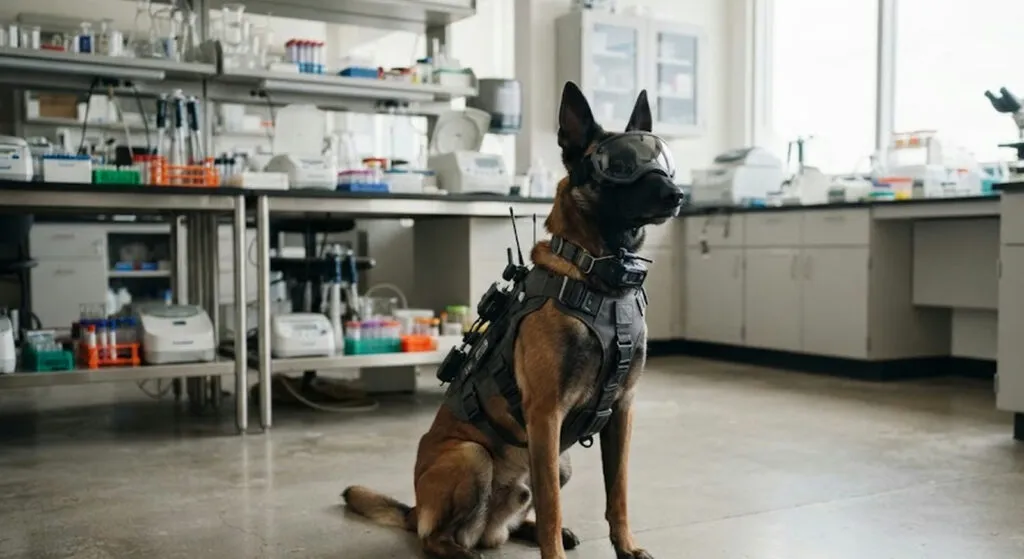
Over 80 percent of the US military's working dogs come from Europe, and fewer than half are fit for service....

Three founders and a promise that AI can be trained on far less data. In Silicon Valley that's now worth...
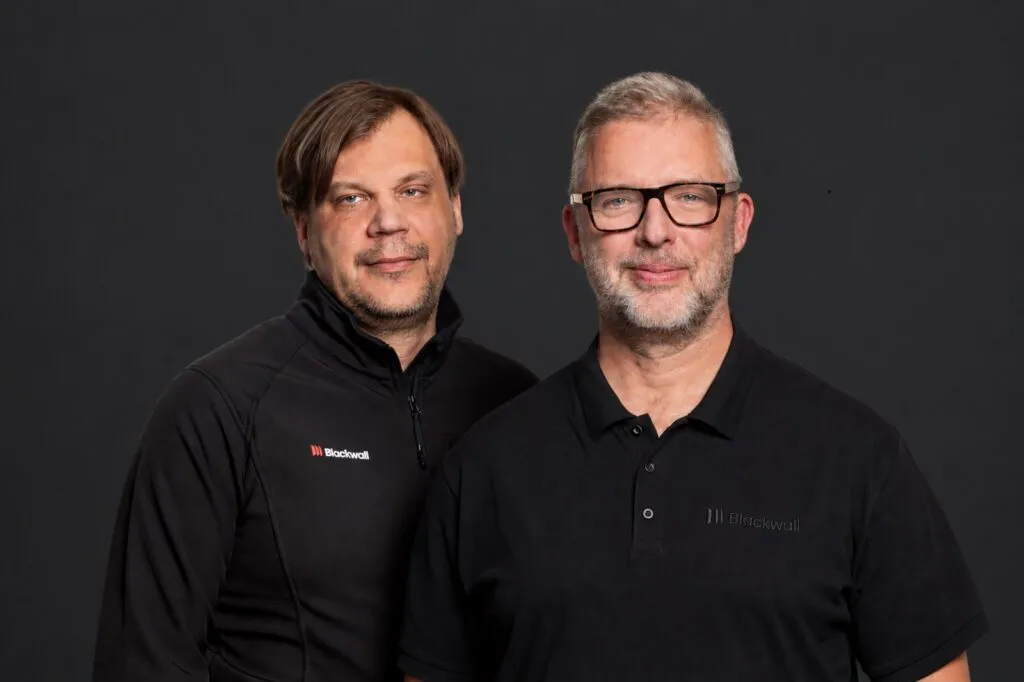
A company from a small Baltic country raised 100 million dollars to tell humans from machines online. The trick is...

The app for emotions and to-dos claims revenue in the tens of millions of dollars. Seventy percent of its users...

Blood tests and ice baths will no longer be a privilege of the rich - or so the Hollywood actor...

From unicorn to bankruptcy in five years: Google took the founders back, Disney takes part of the assets, and the...

Fakes have become so good they've earned their own name. Veritas offers a chip built into the product, and it's...

In four months its valuation jumped by 16 billion dollars. Automating boring expense reports in America is a 60-billion business...

The company Meta and Google put more than 10 billion dollars into is now asking the stock market for money....

Five years ago Bumble was valued at 14 billion dollars on the stock market; today it sells for 1.3 billion....
This site uses cookies - is that okay? Learn more
Be the first to know when Metla launches something new
Leave your email and we will write when there is a new guide or something new on Metla.


