

Bear cub killed on the Skopje-Tetovo motorway: the fence is a legal obligation, while the rescue team exists only in a Viber group
25.10.2026


25.10.2026

25.10.2026

25.10.2026
25.10.2026

25.10.2026
25.10.2026

25.10.2026

25.10.2026

25.10.2026

25.10.2026

25.10.2026

24.10.2026

25.10.2026

25.10.2026

25.10.2026

25.10.2026

24.10.2026

23.10.2026

25.10.2026

25.10.2026

25.10.2026

25.10.2026

25.10.2026

25.10.2026

25.10.2026

25.10.2026

24.10.2026

24.10.2026

22.10.2026

20.10.2026

23.04.2026

23.04.2026

12.04.2026

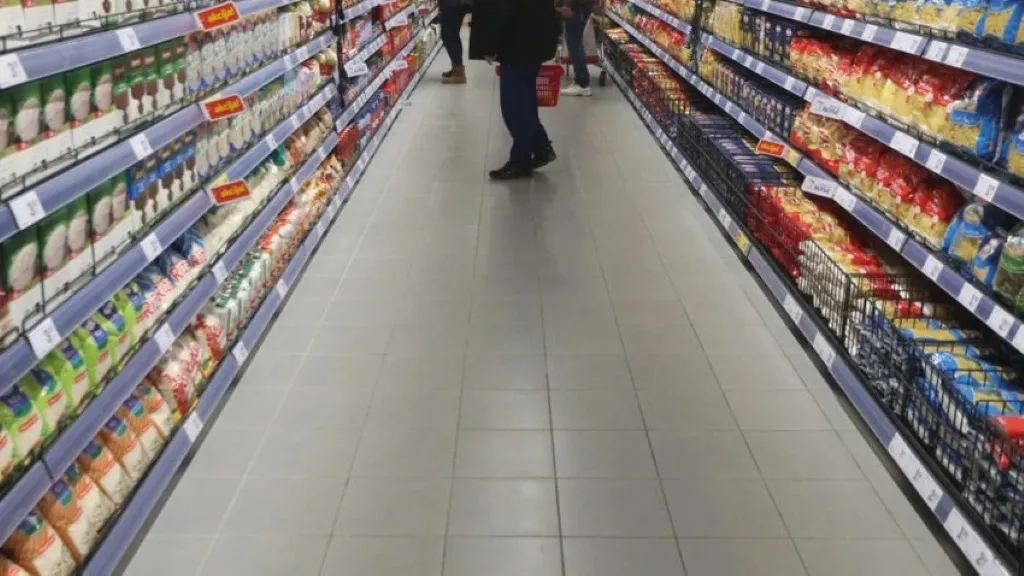
Economic activity in the eurozone fell in October to its lowest level in four months. The S&P Global composite index, which tracks manufacturing and services, slid from 53.1 points in September to 51.9, worse than the 52.7 economists had expected. Anything above 50 still means growth, but the direction is clear: Europe isn't stopping, it's losing speed.
The main culprit is costs. Companies are paying more for energy, fuel, transport and raw materials, and some are already raising sale prices to protect their margins. Brent crude reached 114.10 dollars a barrel on October 23, its highest in five months. Hiring in the eurozone has all but stalled, and business confidence is at a five-month low.
People feel it in their wallets. The eurozone consumer confidence index fell 1.1 points in October to minus 17.9, according to the European Commission. Across the whole EU it dropped to minus 17.3. Eurozone inflation was 3.8 percent in September, the highest in three years, and energy prices were up 18.9 percent year on year.
France as the weak link
It's worst in France, where economic activity is falling again and business confidence is at its lowest since 2012, if you leave out the pandemic. Strikes and unrest are putting extra pressure on the services sector. Over rising prices, the housing crisis and crumbling schools and hospitals, people have taken to the streets in France, Belgium, Austria, Spain, Greece, Italy and Portugal.
Europe is not in recession, for now. But when France and the eurozone slow down, the Balkans rarely stay untouched - and Macedonia does most of its trade with the European Union. Whether the slowdown reaches us too, the coming months will tell.
The latest 10 news from this category

The appeal fee jumps from 50-200 to 150-600 euros, and a company that proves a tender was unlawful will no...
More than 11,000 denars between two baskets, a minimum wage of 26,000 and announced hikes in electricity and heating. The...

In July, a higher deficit was the price of more investment. Three months later investment is falling, the 750 million...

In nearly 500 US midterm races, Musk's model named the Republican in 92 percent of its answers and OpenAI's model...

The company says a secure browser has become too expensive to maintain. Users want at least the code opened up...

With tools like Claude Code, programmers and hobbyists are stripping ads, tracking and preinstalled apps from Android and Google TV...

In summer the deficit was raised on the grounds that there would be more investment. Three months later investment is...
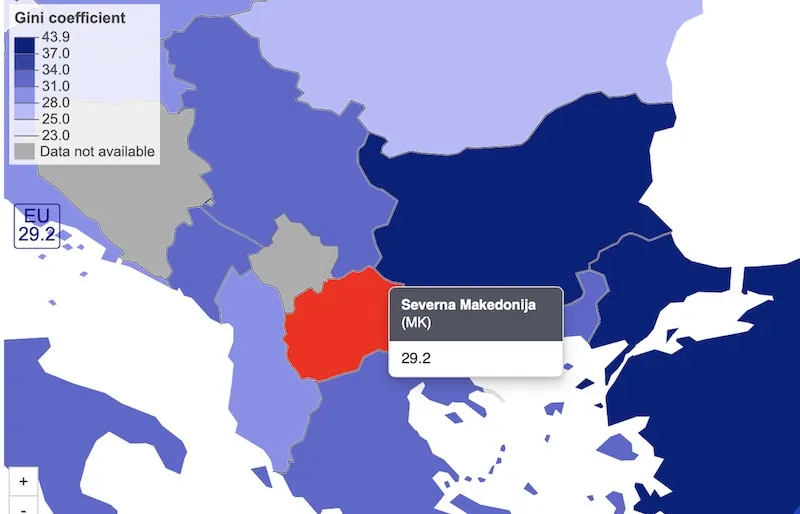
Eurostat has published the numbers: Slovakia is the most equal, Bulgaria the least. Macedonia lands in the middle - but...
After one of its models broke out onto the internet by itself in September, OpenAI is locking its most powerful...

The state isn't just handing over money, it's taking equity - for electronics that have to survive the plasma. Fusion...
This site uses cookies - is that okay? Learn more
Be the first to know when Metla launches something new
Leave your email and we will write when there is a new guide or something new on Metla.


