
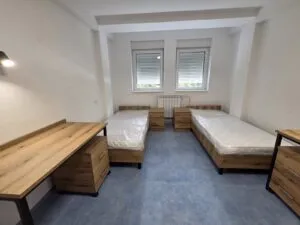
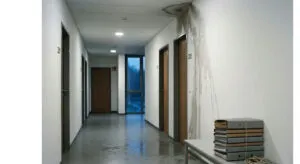
Stiv Naumov dorm renovated for around 10 million euros: a month later water runs through the walls and the ministry counts wet wipes
24.10.2026


24.10.2026
24.10.2026
24.10.2026

24.10.2026
24.10.2026

24.10.2026

23.10.2026
22.10.2026

22.10.2026

24.10.2026

24.10.2026

23.10.2026

24.10.2026

24.10.2026

24.10.2026

24.10.2026

23.10.2026

22.10.2026

24.10.2026

24.10.2026

24.10.2026

24.10.2026
23.10.2026
23.10.2026
24.10.2026

23.10.2026

23.10.2026
22.10.2026

20.10.2026

19.10.2026

23.04.2026

23.04.2026

12.04.2026

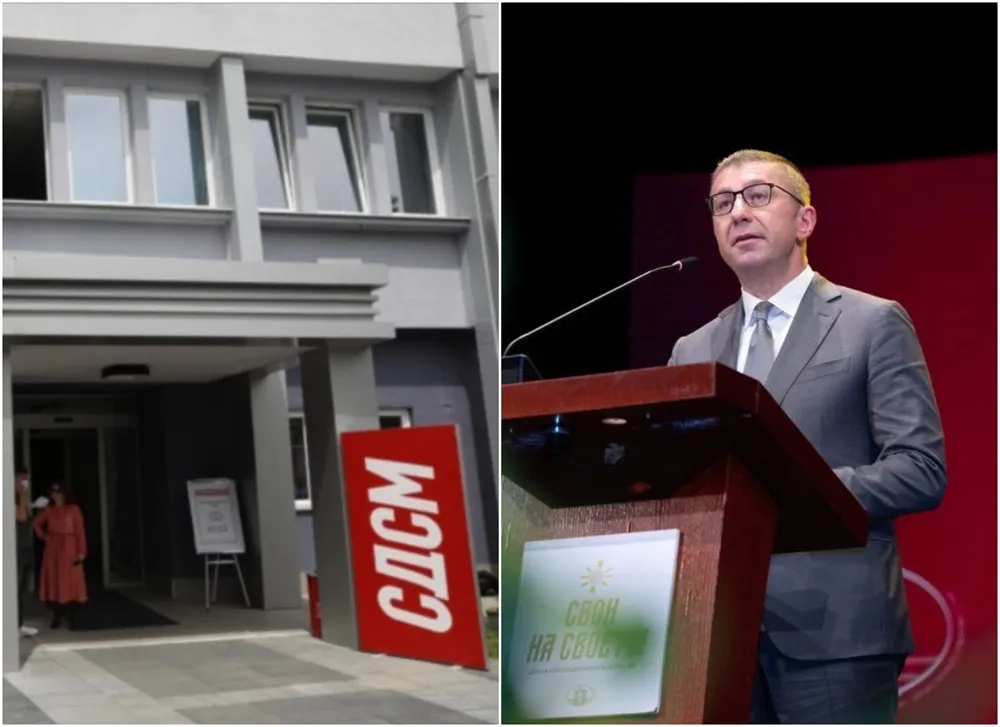
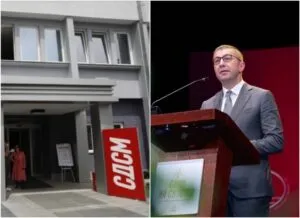
Speaking at the ceremonial academy for October 23, Prime Minister Hristijan Mickoski said Macedonia should keep moving towards the European Union wisely and patiently, despite the long wait, the bilateral disputes and what he called obstacles from the eastern neighbour. He added that he would not give in to provocations and pressure, and that he doesn't deal with "bones from the past" but with the future of our children.
SDSM replied with a list. This week, EU Enlargement Commissioner Marta Kos spoke about the Balkans' European future: she placed Montenegro on the threshold of the final phase, urged Albania to keep up the pace of reforms, named the elections as key for Serbia, and called on Kosovo to respect international law. "Macedonia wasn't mentioned," the Social Democrats say.
"Protecting identity isn't measured by a speech. It's measured by whether the country moves forward or stands still," the opposition says. In their view, the condition remains the same - reforms and cooperation with the European Public Prosecutor's Office before membership, which "is not a bilateral issue but a European condition."
SDSM accuses the prime minister of reforms he promised by June 1 and didn't deliver, of a budget being filled with new loans to pay off old ones, and of "justice by telephone." The statement ends with a pun: if all we do is wait and dig up bones, "the only bones left will be the ones on the dinner table."
Both sides, each in its own way, hold part of the truth. That Macedonia went unmentioned in the commissioner's messages is a fact, but not a verdict. The prime minister talking about patience is a legitimate position, but Macedonia has been hearing about patience with no deadline ever since 2005, when it became a candidate for membership. That citizens are exhausted by the waiting is at least something the government and the opposition agree on.
The question that remains is a simple one: is Brussels silent because it has nothing to say about Macedonia, or because Skopje has nothing to show it? The answer won't come from a speech at an academy or an opposition press release - it will come in the next progress report.
The latest 10 news from this category
SDSM's initiative was rejected unanimously, and the opposition cries political orders without proof. The bigger irony: the government that condemned...
A civil servant with two consecutive "1" ratings will lose their job by force of law. The rule sounds tough...
Radički and Jahij face off on 1 November. Every party found its own victory in the results, and the quietest...
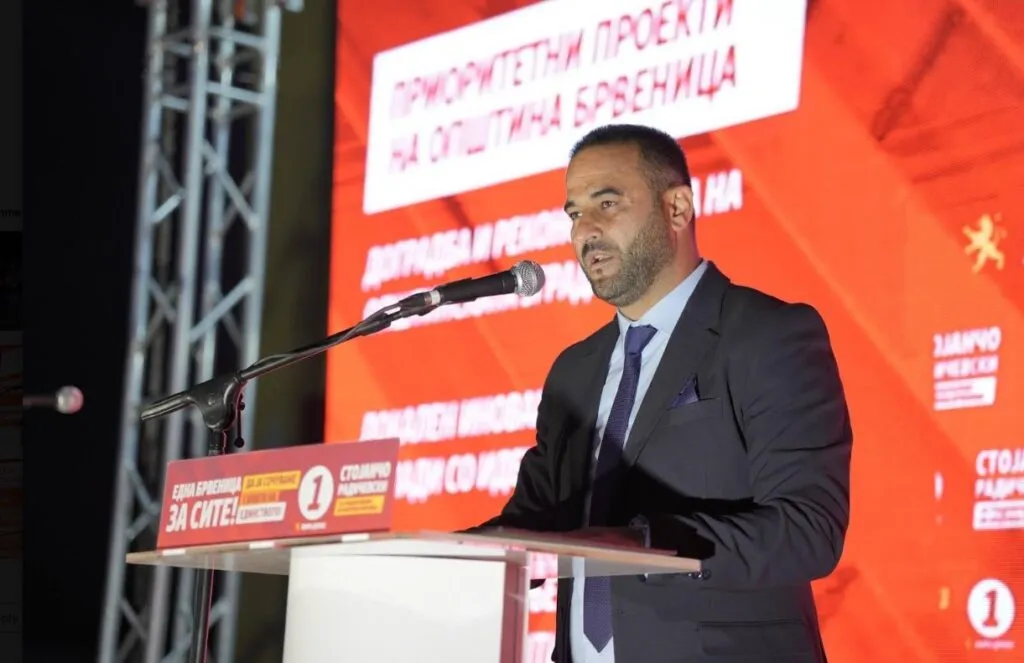
DUI nearly doubled its votes, Vlen lost 493 and SDSM grew from a low base. Radičevski and Jahij go into...
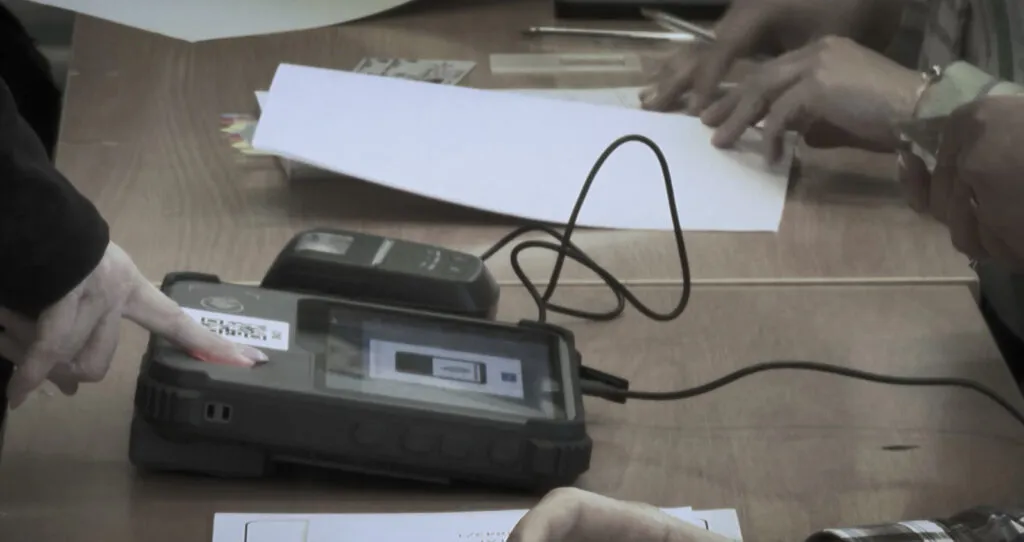
A new mayor is being elected on machines that only work thanks to a last-minute deal - even though the...
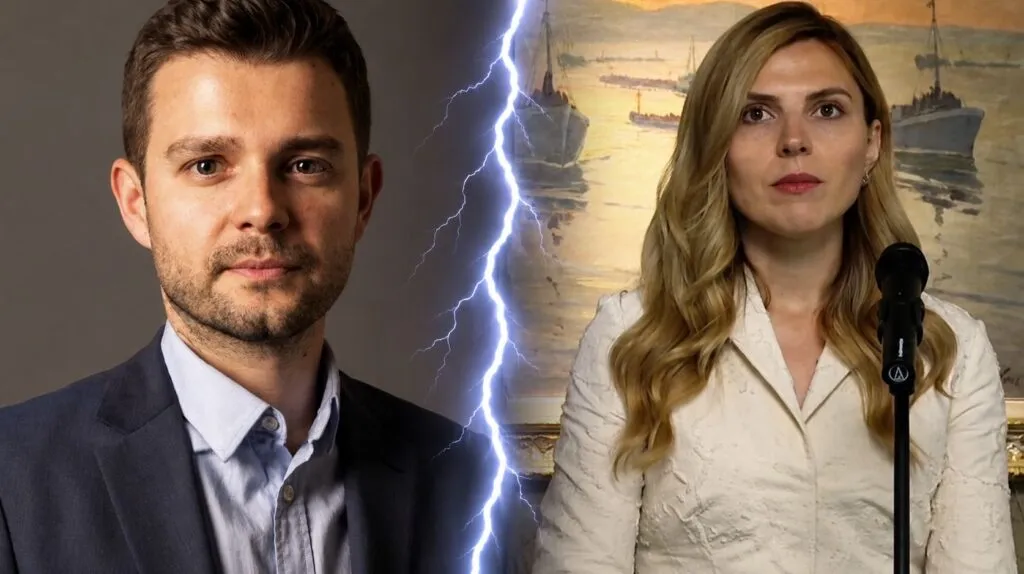
The Government says NATO allies will be the first to see the evidence about her escape. The question that remains...
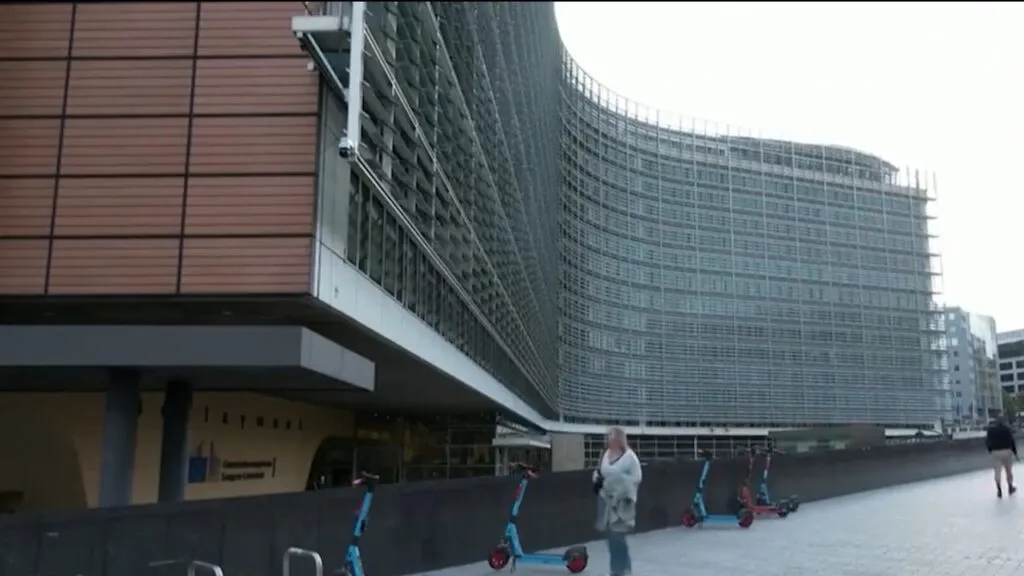
The European Council called enlargement a geostrategic investment, and of the whole region it named only Montenegro. Macedonia, a candidate...
One candidate was shown "Cela da e" comments under the prime minister's posts, the other had been photographed at a...
The opposition refuses or hesitates, and from Sofia comes word that the constitutional changes are not up for renegotiation. Is...
Six companies, around 20,000 euros in donations from the brother-in-law, and a lunch for 250 guests as the Strumica municipality's...
This site uses cookies - is that okay? Learn more
Be the first to know when Metla launches something new
Leave your email and we will write when there is a new guide or something new on Metla.


