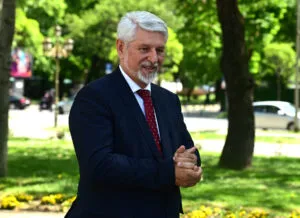
A New Criminal Complaint Against Jakimovski: A Building Permit Based on a Plan Struck Down Back in 2018
16.09.2026


16.09.2026
16.09.2026

16.09.2026
16.09.2026
16.09.2026

16.09.2026

16.09.2026
15.09.2026

14.09.2026

16.09.2026

16.09.2026

15.09.2026

16.09.2026

15.09.2026

14.09.2026

16.09.2026

16.09.2026

16.09.2026

16.09.2026

15.09.2026
15.09.2026

09.03.2026

27.02.2026

19.02.2026

16.09.2026

15.09.2026

14.09.2026

23.04.2026

23.04.2026

12.04.2026

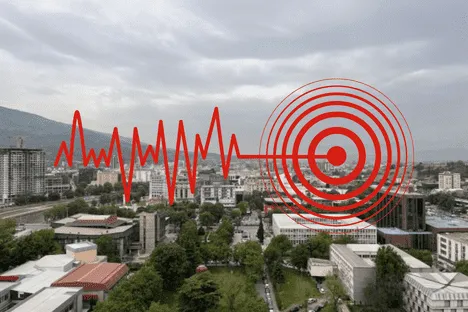
At 17:41 on May 23, North Macedonia registered an earthquake of magnitude 3.5 on the Richter scale. The epicenter was about 21 kilometers east of Skopje, in the Morani area. The tremor was felt in Skopje, Kumanovo and the surrounding settlements. No damage.
The quake was initially unconfirmed, then confirmed by the European-Mediterranean Seismological Centre (EMSC). Residents on social media described it as a "brief but intense tremor." Which is exactly what you'd expect from a quake of that magnitude - you feel it, but it doesn't damage modern buildings.
For the Balkans, and Skopje in particular, every earthquake is a reminder. The city has already been cut in half once - on July 26, 1963 - by an earthquake of magnitude 6.1 moment magnitude (around 6.9 on the Richter scale). Over 1,070 dead, most of the city destroyed. Skopje was rebuilt from scattered rubble, with international aid coordinated by the UN. That's the city's history - it sits on seismically active ground, and nobody forgets it.
The current 3.5-magnitude quake is statistically routine - Skopje registers tremors of that intensity several times a year, and that's normal for this geologically active region. When one hits, the social-media discussion lasts about an hour, then everyone goes back to their day. Still, the moment of shaking is not trivial for older people who lived through 1963 - they look at every tremor as a possible repeat of the city's worst tragedy.
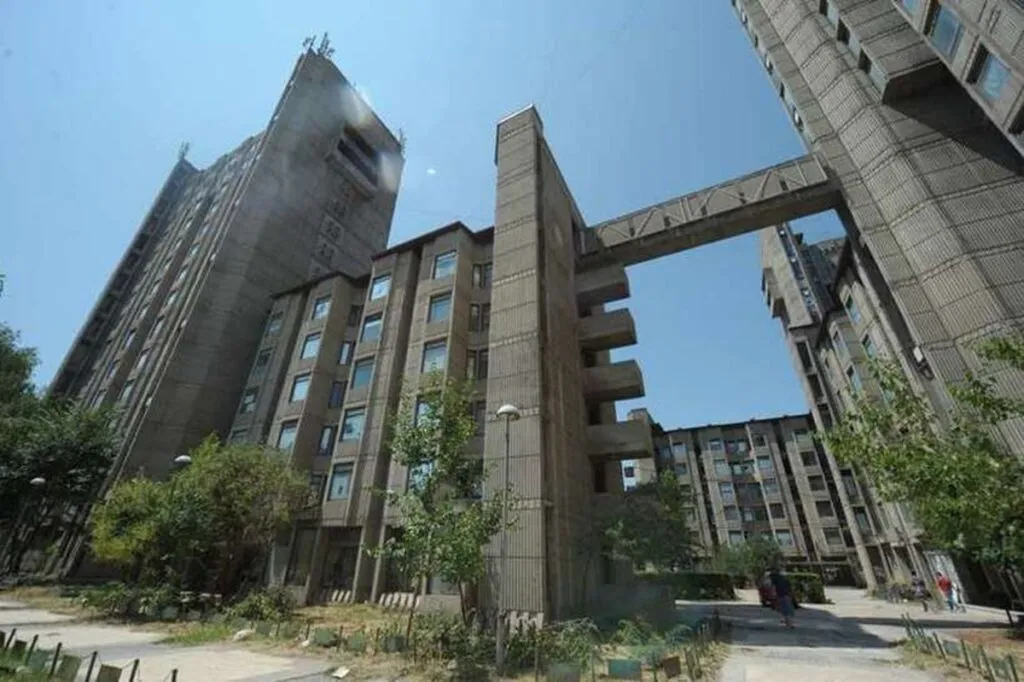
Building standards today are significantly better than mid-20th century. But Skopje still has buildings that don't meet current seismic standards - many old socialist-era blocks, or informally built structures from the last three decades. Today's small quake is a good occasion to ask: do the mayors of Skopje's municipalities have an updated registry of at-risk buildings? And if they do - is it publicly accessible? The answers are short. And they're all "no."
The latest 10 news from this category

The World Bank dropped out over misalignment with EU requirements. Construction will take two and a half years, and the...
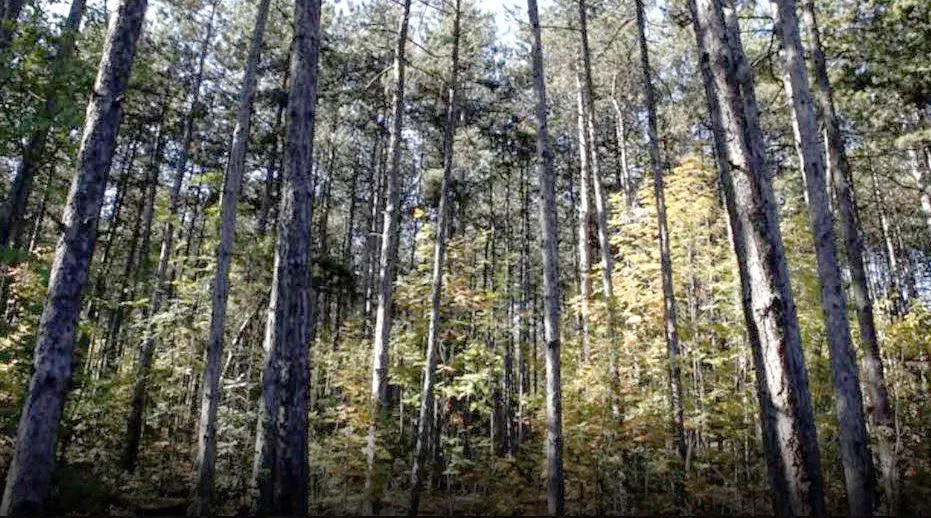
Of 9,500 square metres of greenery, 268 remain. Terrain with an 80-metre height difference, no erosion study and no opinion...
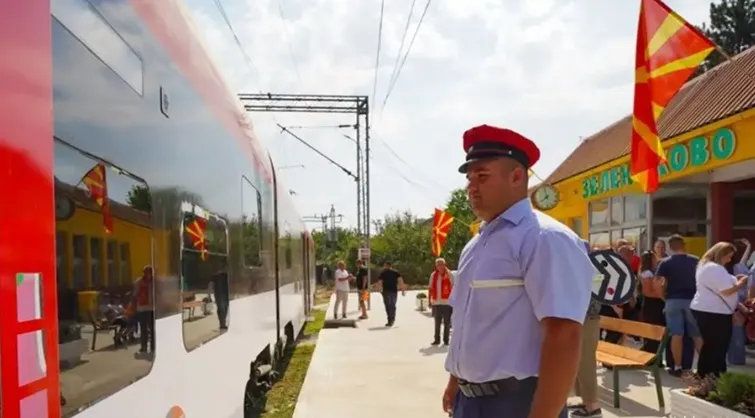
Gjorgjievski says the system should be ready by the middle of next year. The BRT tender is announced for the...
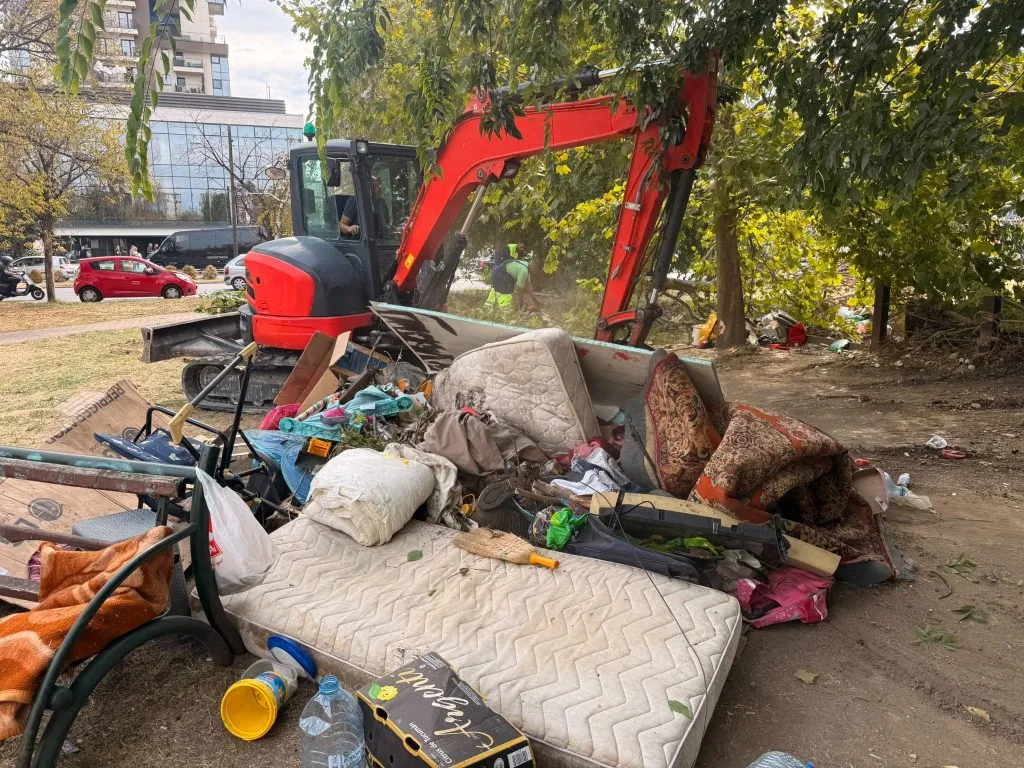
The second operation at the same site within a year. Gerasimovski himself is appealing to the Labour Ministry - because...
A prosumer scheme, a solar oven and electricity generated by bicycle on Magnolija square. The city that has paid the...

Stefanija Dimovska won two medals at IESO 2026, working in mixed international teams. Before that she was also national champion...
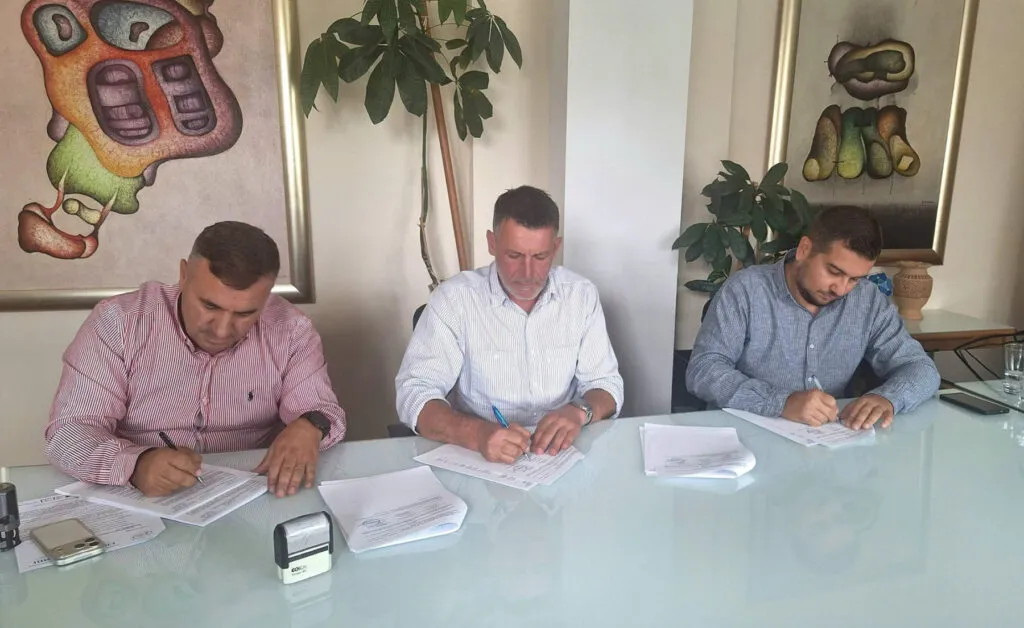
Out of nearly 4.7 million denars, the municipality is putting in around 180,000. The rest comes through the Bureau for...

Ten years working inside the health system - and she still had to pull strings to be admitted. The clinic...
Appeals run from 15 to 25 September. There is not enough space at Goce Delčev, so students go to Stiv...
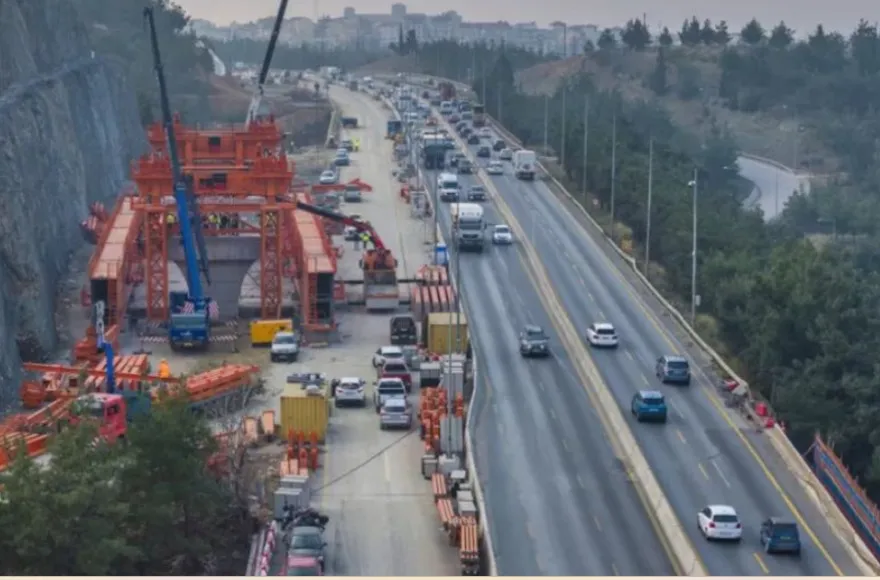
From 23:00 to 05:00 there is no getting through towards Evzoni. Towards Halkidiki - business as usual. Those heading on...
This site uses cookies - is that okay? Learn more
Be the first to know when Metla launches something new
Leave your email and we will write when there is a new guide or something new on Metla.