
Mickoski and Gjorgjievski Meet on Capital Projects - Symbolism, Rhetoric, and Zero Concrete Dates
25.05.2026


25.05.2026
25.05.2026

25.05.2026

25.05.2026

25.05.2026

25.05.2026

25.05.2026

25.05.2026

25.05.2026

25.05.2026

25.05.2026

24.05.2026

25.05.2026

25.05.2026

25.05.2026

25.05.2026

24.05.2026

23.05.2026

25.05.2026

25.05.2026

24.05.2026

09.03.2026

27.02.2026

19.02.2026
14.04.2026

07.11.2025
07.11.2025

23.04.2026

23.04.2026

12.04.2026


Insecurity doesn't come in one form. Sometimes it looks like perfectionism, sometimes like a need for approval, sometimes like constant comparison. Psychologist Andrea Panadés says that in practice eight types of insecurity repeat themselves - and the most common is the one social media brings to us.
The classification is clear: physical insecurity (about the body), social (fear of public judgment), intellectual (imposter syndrome), affective (fear of being abandoned), comparative, professional, moral and existential. They're all real. They all leave a trace. "Many people live by comparing themselves to others," Panadés says, "and that gets intensified by social media where everyone is presented in idealized versions."
For a Balkan audience, this is a conversation that arrives late and needed. Psychotherapy still carries stigma here - when your father says "why are you going to a psychologist, that's for crazy people," few people have the energy to explain that no, that's not the case. But the reality is that insecurities are had by everyone - the difference is whether we work on them, or push them under the rug until they start to deform daily life.
What do experts recommend? Recognizing the specific situations that activate the fear. An inner dialogue that isn't harsh. Cognitive-behavioral therapy often helps when insecurity comes from criticism, rejection or overly high self-demands in childhood. And, most importantly: understanding that self-esteem doesn't come exclusively from inside - it's fed by healthy relationships and by environments where people feel valued.
A piece of advice that sounds simple: before you open Instagram in the morning, ask yourself how you feel. If you already carry weight on your shoulders, don't drape one more cloak of other people's representations over yourself. It's a small habit. It doesn't solve everything. But it's a start.
The latest 10 news from this category

The only professional chef among the seven children of the famous Karlos Arguiñano shares a recipe that doesn't demand ingredients,...

Paula Gutiérrez took the title at the Barcelona trade fair. The sentence that made the difference: you need a life...
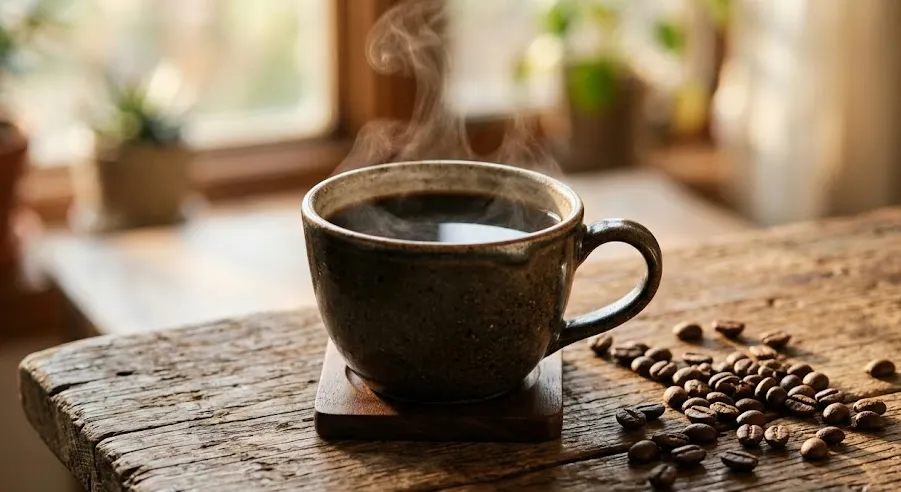
Natural vs. torrefacto - the difference is in sugar during roasting. If you're drinking coffee just to function, the coffee...
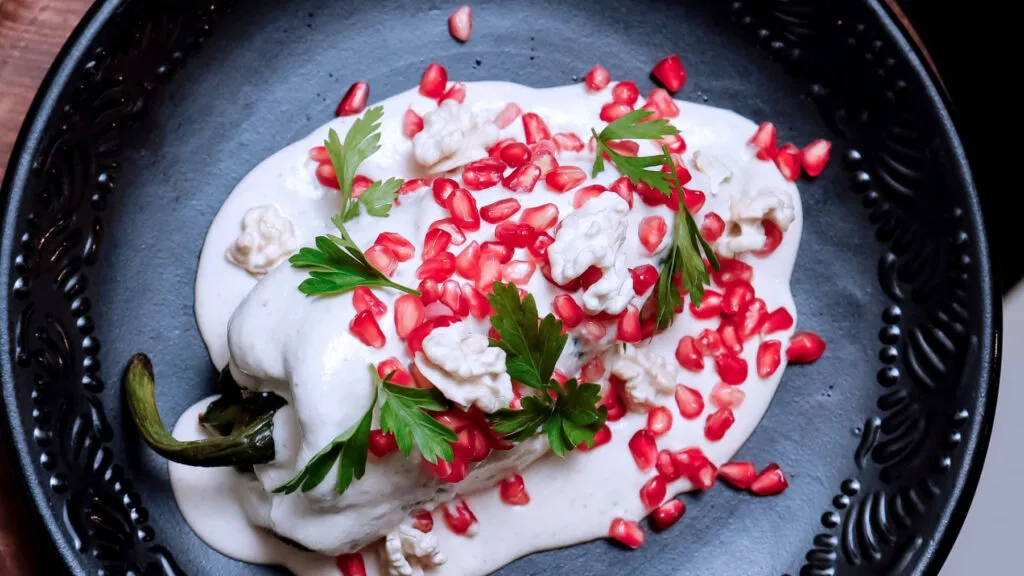
Nixtamalization of corn, real chiles, tortillas made on the premises. The certificate excludes Taco Bell copies. Madrid takes the most...

Sleep on your back - dominant. On your stomach - anxious. Fetal - sensitive. Serious psychologists agree: it's fun for...
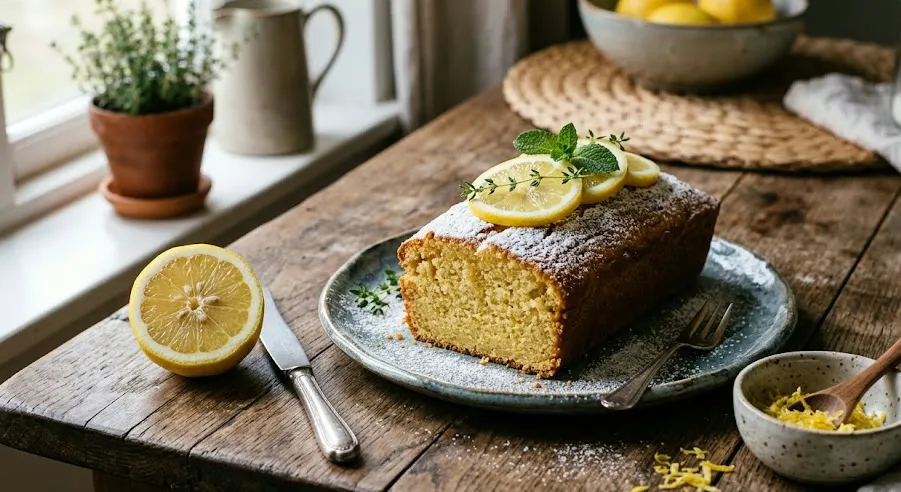
The whole lemon goes into the batter - peel and all. The trick is in a 5-minute boil to take...

10 hours without caffeine, 3 without food, 2 without exercise, 1 without screens. Scientifically there is a basis. Realistically -...
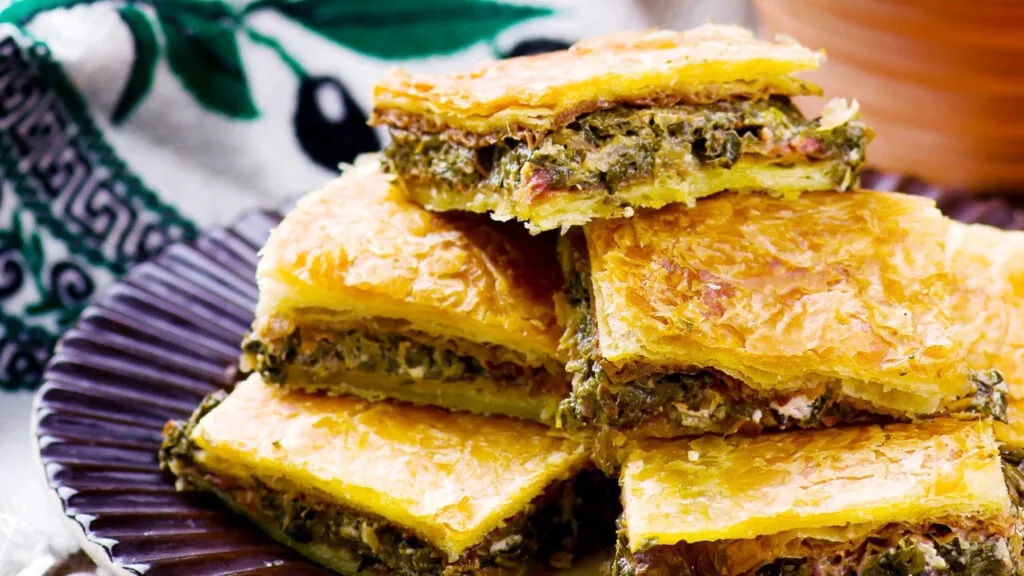
Spinach, chard, spring onion, dill, parsley, mint, feta and two eggs between sheets of filo. Greek grandmothers have been making...

The Portuguese footballer's viral statement set social media on fire. Trainer Andrea de Ayala says the line between listening to...
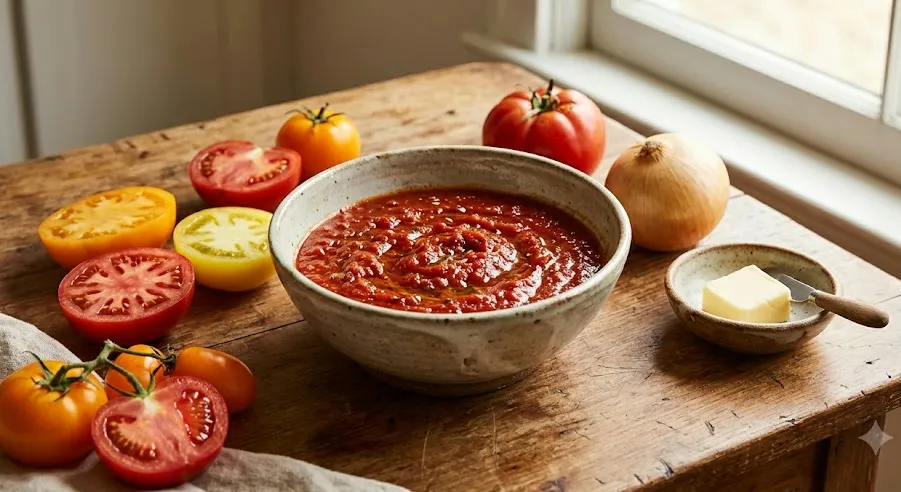
Marcella Hazan wrote it down in 1973. Home cook, no Italian deli required. A result your grandmother's kitchen knew for...