

Mickoski and Gjorgjievski Meet on Capital Projects - Symbolism, Rhetoric, and Zero Concrete Dates
25.05.2026


25.05.2026
25.05.2026

25.05.2026

25.05.2026

25.05.2026

25.05.2026

25.05.2026

25.05.2026

25.05.2026

25.05.2026

25.05.2026

24.05.2026

25.05.2026

25.05.2026

25.05.2026

25.05.2026

24.05.2026
23.05.2026

25.05.2026

25.05.2026

24.05.2026

09.03.2026

27.02.2026

19.02.2026

14.04.2026

07.11.2025
07.11.2025

23.04.2026

23.04.2026

12.04.2026

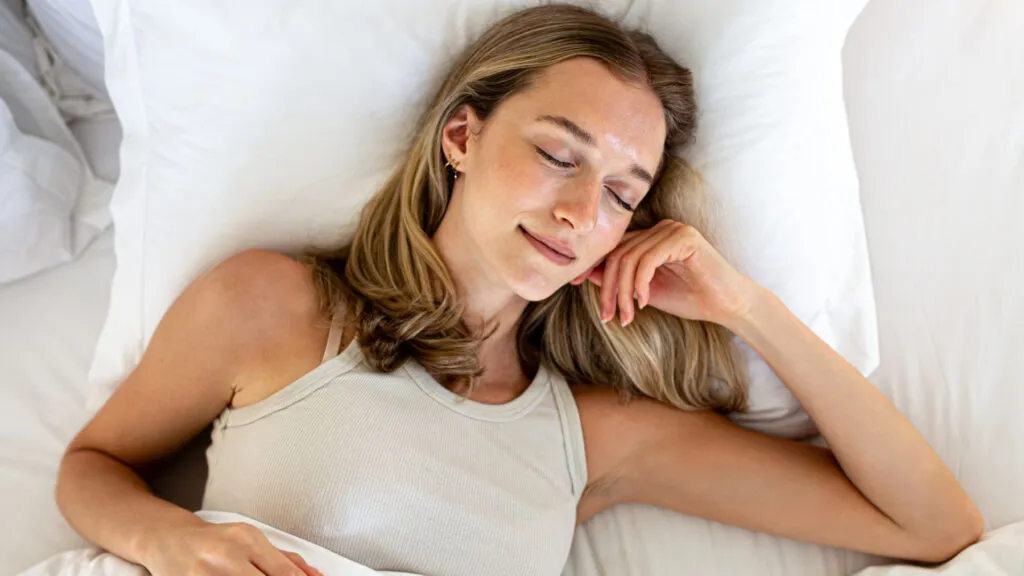
Sleep on your back? Turns out you're a „dominant leader with a need for control". Sleep curled up like a fetus? Tough on the outside, sensitive inside. Psychological tests and the whole Freudian questionnaire industry look at that theory with boredom and have stopped believing it. And yet, articles on „sleeping position and personality" pop up every season.
The six traditionally cited positions - fetal, log (on the side with arms down), yearner (on the side with arms up), soldier (back with arms at the body), stomach, and starfish - get different attributions in pop psychology. „Logs" are „relaxed and social", soldiers „disciplined and reserved", stomach sleepers „anxious and nervous". Sounds good at a cocktail dinner, but doesn't hold up under science.
Clinical psychologist Montserrat Guerra is blunt: „Conclusions about personality drawn from a single specific behaviour, like sleep position, aren't very reliable." That's the underlying problem with the whole personality „quick test" industry - you take one variable and build a whole conclusion on it.
What actually determines sleep position? Comfort. Back or neck pain. Temperature. The type of mattress. A partner who occupies more than half the bed. Those factors are always stronger than any „psychological tendency" - that has been studied in a string of sleep-quality studies, and the results are consistent.
Still, something in this story pulls at us. We want to believe that even in the unconscious state, the body reveals something about our internal life. And maybe there's something to that - but not in such a literal sense. If you change positions often at night, you're probably tense about something. If you sleep solidly in one position, you're probably tired or stuck in a routine. That's all. It's not a „psychological portrait", just a simple biological reaction.
The latest 10 news from this category

The only professional chef among the seven children of the famous Karlos Arguiñano shares a recipe that doesn't demand ingredients,...

From physical insecurity to existential fears - we all have them, but we don't all recognize them. The expert explains...

Paula Gutiérrez took the title at the Barcelona trade fair. The sentence that made the difference: you need a life...
Natural vs. torrefacto - the difference is in sugar during roasting. If you're drinking coffee just to function, the coffee...

Nixtamalization of corn, real chiles, tortillas made on the premises. The certificate excludes Taco Bell copies. Madrid takes the most...
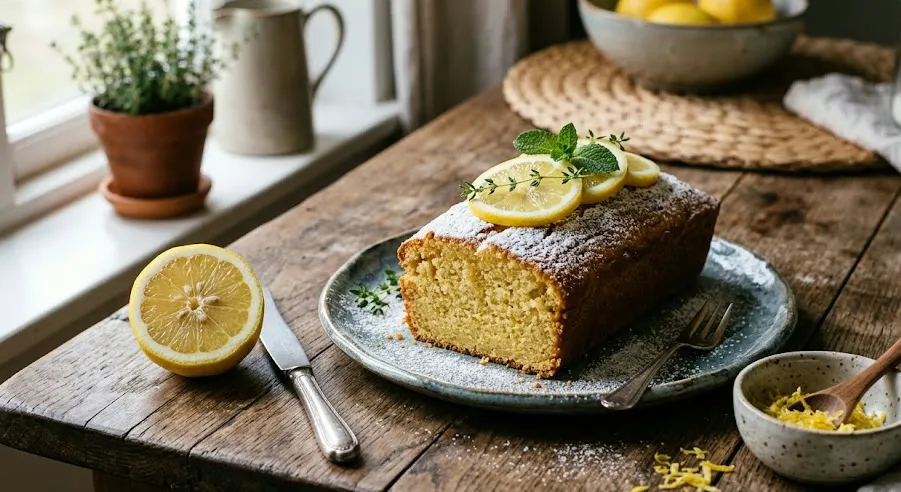
The whole lemon goes into the batter - peel and all. The trick is in a 5-minute boil to take...

10 hours without caffeine, 3 without food, 2 without exercise, 1 without screens. Scientifically there is a basis. Realistically -...
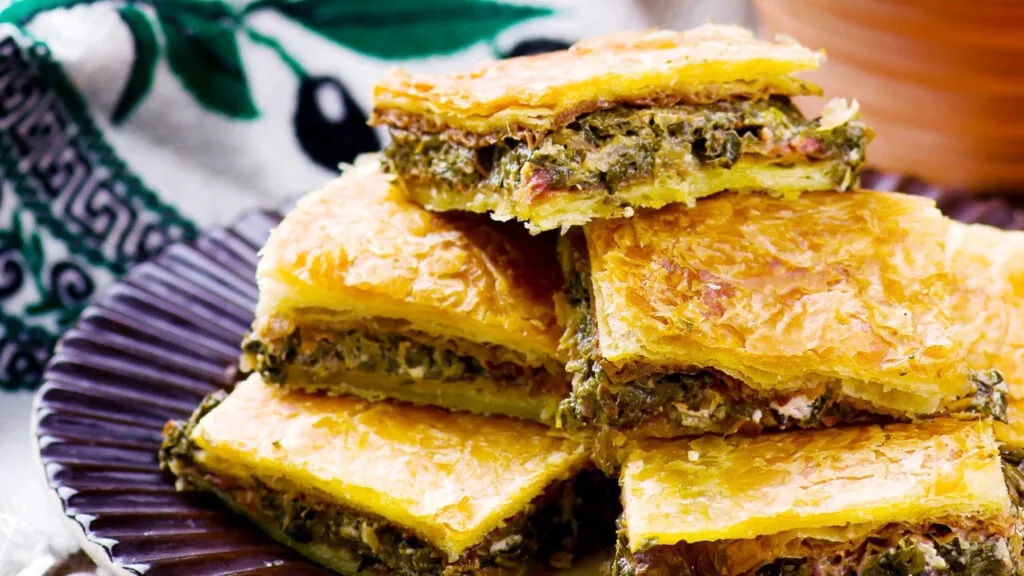
Spinach, chard, spring onion, dill, parsley, mint, feta and two eggs between sheets of filo. Greek grandmothers have been making...

The Portuguese footballer's viral statement set social media on fire. Trainer Andrea de Ayala says the line between listening to...

Marcella Hazan wrote it down in 1973. Home cook, no Italian deli required. A result your grandmother's kitchen knew for...