Full Reconstruction of the Road to Sredno Vodno - Asphalt, Drainage, Crash Barriers - But the Question Is Whether It Will Be Finished Before Summer Ends
22.05.2026


22.05.2026

22.05.2026

22.05.2026

22.05.2026

22.05.2026

22.05.2026

22.05.2026

21.05.2026

20.05.2026

22.05.2026

22.05.2026

21.05.2026

22.05.2026
22.05.2026
22.05.2026

22.05.2026
21.05.2026
20.05.2026
22.05.2026

22.05.2026

22.05.2026

09.03.2026

27.02.2026

19.02.2026

14.04.2026

07.11.2025
07.11.2025

23.04.2026

23.04.2026

12.04.2026

22.05.2026
17.05.2026
08.05.2026


Yet another "viral" method is being sold as the secret to better sleep. It's called 10-3-2-1, and unlike most TikTok tricks, the real effect has a basis - but so does the real effort no one wants to admit.
The formula is simple: 10 hours before bed - no caffeine. 3 hours before bed - no food. 2 hours before bed - no intense work or exercise. 1 hour before bed - no screens.
Dr José Viña, longevity advisor, puts it scientifically: "Sleep scientifically promotes healthy ageing. Uncontrolled stress reduces the capacity for sleep; bad sleep shortens life." In other words - sleep is not something you don't have because "there's no time." It's something you lose because you don't protect it.
On eating, Diego Suárez from COEUS Retroaging clinic says something concrete: "Night digestion slows by 5%. Eat before 9pm." Which means a dinner at 10:30pm with whisky and dessert literally sits in your stomach while you sleep - and that's what you have to outwit by morning.
On exercise - Jorge Lobo, founder of Piko Studios: "Intense exercise before sleep raises the pulse and cortisol." Which means the group training class at 9pm is fine for those who fall asleep easily. For those with sleep problems - not so much.
And screens? Blue light blocks melatonin. That's what makes this the hardest to pull off. Who, after a long workday, will refuse to scroll through their phone before bed? No one. That's why this method doesn't work for most people - not because it's bad, but because it requires discipline that modern life no longer tolerates.
If you want to try something - not all four rules at once. Start with one: coffee in the morning only. That's simply measurable, and it's the biggest win you can score without anyone getting cross with you.
The latest 10 news from this category
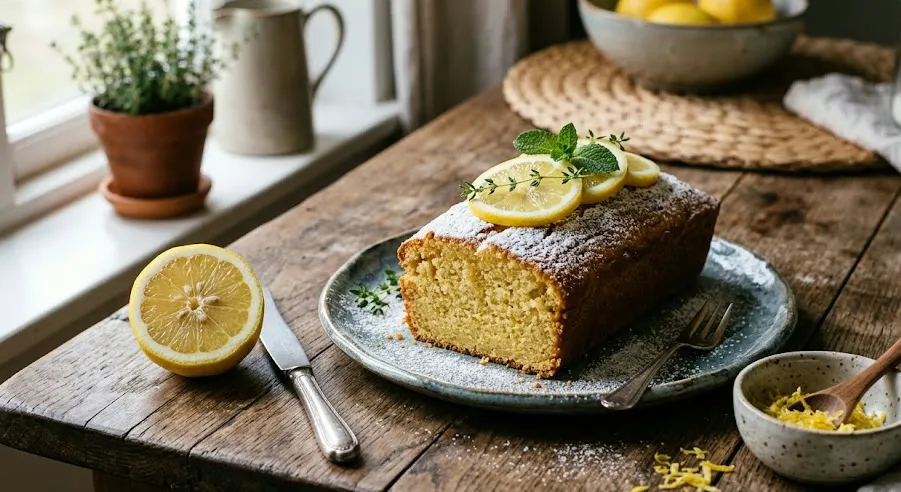
The whole lemon goes into the batter - peel and all. The trick is in a 5-minute boil to take...

Spinach, chard, spring onion, dill, parsley, mint, feta and two eggs between sheets of filo. Greek grandmothers have been making...
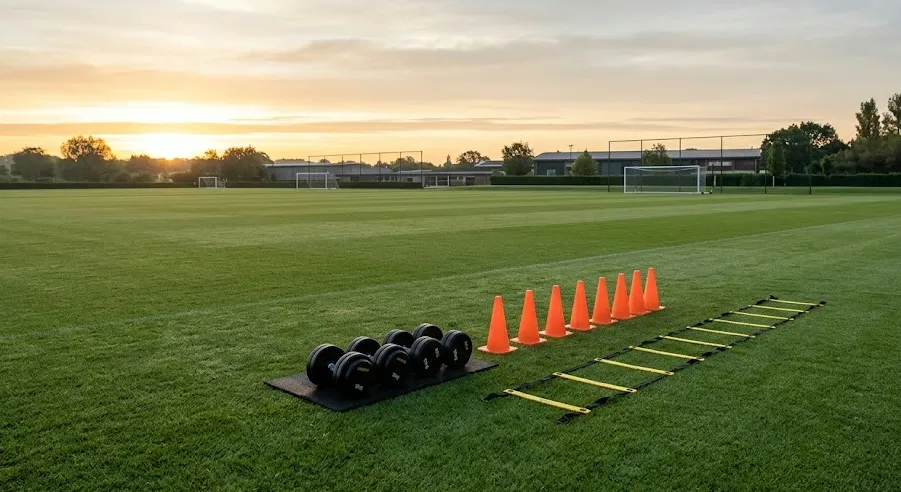
The Portuguese footballer's viral statement set social media on fire. Trainer Andrea de Ayala says the line between listening to...
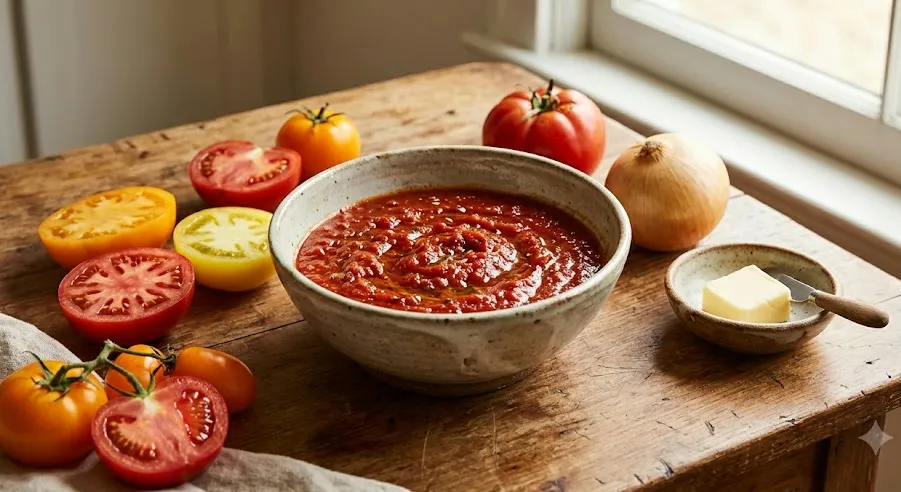
Marcella Hazan wrote it down in 1973. Home cook, no Italian deli required. A result your grandmother's kitchen knew for...
Nutritionists have identified the clean-plate culture as the main cause. Paradoxically, the fix isn't psychological - it's metabolic.
The season is short - which is exactly why it's sacred. From Italian bread to cold Andalusian soup, and from...

The marketing of "natural gut remedies" is a huge industry. Doctors at Madrid's 12 de Octubre hospital explain exactly why...

It's not a recipe, it's a principle - more vegetables, more season, and sofrito as the heart of the flavor....
No Ozempic, no hidden treatments - the actress reveals her method: two eggs, sleep, and control. Nutritionists explain why protein...
The little round pouch of mozzarella and stracciatella works with everything - from a classic Caprese to a beetroot carpaccio....