


Over 20 shops burned down in Suto Orizari: 15 firefighters and three and a half hours fighting the blaze at 3am
12.09.2026


12.09.2026

12.09.2026

12.09.2026

12.09.2026

12.09.2026

12.09.2026

12.09.2026

11.09.2026

10.09.2026

12.09.2026

12.09.2026

11.09.2026

12.09.2026

12.09.2026

12.09.2026

12.09.2026

11.09.2026

10.09.2026

12.09.2026

12.09.2026

12.09.2026

12.09.2026

12.09.2026

11.09.2026

09.03.2026

27.02.2026

19.02.2026

12.09.2026

11.09.2026

10.09.2026

23.04.2026

23.04.2026

12.04.2026

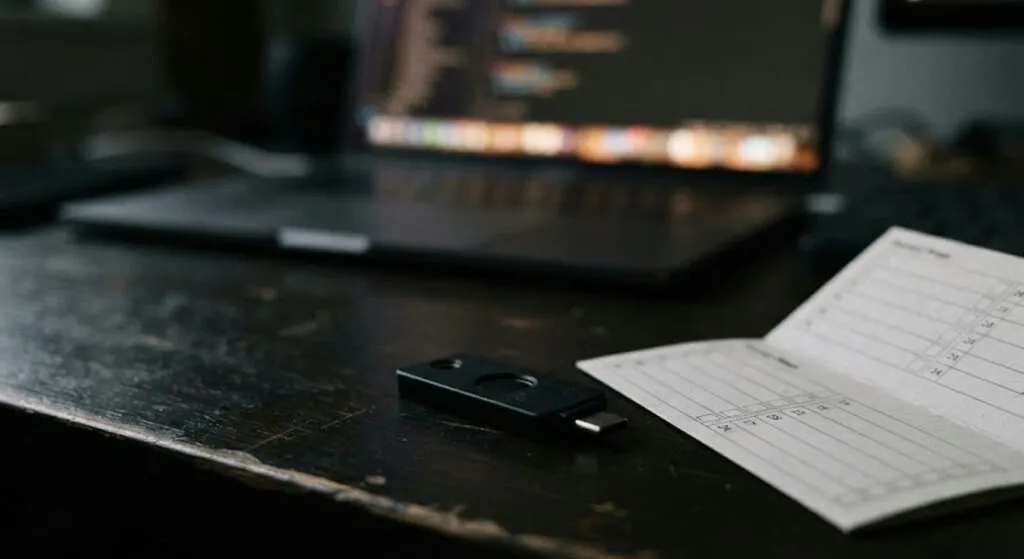
Hardware crypto wallet maker Trezor is warning its customers for the second time in two months that a company it depends on has been hacked. Not the wallet itself - that is untouched. The firms around it.
This time the target was Brevo, the marketing platform Trezor uses to send newsletters. The attackers managed to send around 347,000 phishing messages to Trezor customers, with a malicious link that appeared to come from the company itself. The link downloads an application that asks the victim for their wallet backup password. One of the subject lines read: "Critical security alert: STM32 entropy vulnerability" - wording technical enough to sound genuine, which is the point.
With a stolen wallet password, an attacker takes the funds on the public blockchain. Irreversibly. There is no bank to reverse the transaction, no complaints line, no waiting for a resolution. This is the part the crypto industry sold as an advantage while prices were rising - now that same property is what makes the scam profitable.
In its statement on the incident, Brevo explained that the hackers accessed 138 accounts and sent that entire volume of messages from them. The cause: a flaw meaning access was not "properly restricted" - the hackers gained reach into every organisation their accounts could touch. In other words, one hole in one marketing tool opened a door to hundreds of thousands of crypto owners.
This is Trezor's second breach in a short span. In August the company informed customers that its fulfilment provider ShipMonk had been hacked, exposing the names, phone numbers, email addresses and postal addresses of at least 81,000 people who had bought its hardware. And that is the more dangerous of the two. A list with a name, an address and confirmation that the person owns a crypto wallet is exactly what is needed by those who do not do phishing but turn up at the door. In the weeks after that breach, some people received letters in the post supposedly from Trezor, with a QR code leading to a fake password page.
Trezor says it is reviewing its relationships with its suppliers and has warned customers their addresses could be used again. That is honest, but it is also an admission that a device's security is only as strong as the weakest part of the chain around it. You buy hardware precisely so you do not have to trust anybody - and then your data passes through a newsletter company and a shipping company, and gets sold off there.
The latest 8 news from this category
The devices were in safes and bank vaults. The hackers did not have to break in - they learned how...

Two out of every three who bought - lost. And the one who earned is precisely the one whose name...
A weekly loss of 17 percent and an outflow of over 4 billion from bitcoin funds. Crypto stayed what it...

The crypto market saw a sharp rally after the announced ceasefire, triggering 595 million dollars in liquidations across over 118,000...

Водечката криптовалута повторно клизна под психолошката граница откако крупни инвеститори почнаа да продаваат позиции, а глобалната трговска неизвесност поврзана со...

Крипто-берзата Binance не помогнала во лансирањето на стабилната валута поддржана од Доналд Трамп пред нејзиниот ко-основач Чангпенг Жао да добие...

Во лавиринтот од криптовалути, каде секој нов ден носи нов „револуционерен“ проект, постои една вистина што многумина не сакаат да...

Вредноста на биткоинот, најпознатата криптовалута во светот, бележи нагло опаѓање од неколку илјади долари за само неколку минути, предизвикувајќи паника...
This site uses cookies - is that okay? Learn more
Be the first to know when Metla launches something new
Leave your email and we will write when there is a new guide or something new on Metla.
