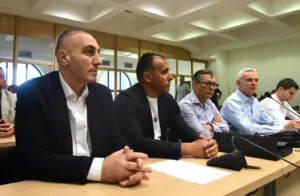
After 19 Months on the Run, Bajrami Handed Himself In at Blace at 5:35 AM: Same Crossing, Same Early Hour as Grubi
10.09.2026


10.09.2026

10.09.2026
10.09.2026
10.09.2026
10.09.2026

10.09.2026
10.09.2026
09.09.2026
08.09.2026
10.09.2026
10.09.2026
09.09.2026
10.09.2026
10.09.2026
10.09.2026
10.09.2026
08.09.2026
07.09.2026

10.09.2026
10.09.2026
10.09.2026
10.09.2026

10.09.2026

09.09.2026

09.03.2026

27.02.2026

19.02.2026

23.04.2026

23.04.2026

12.04.2026

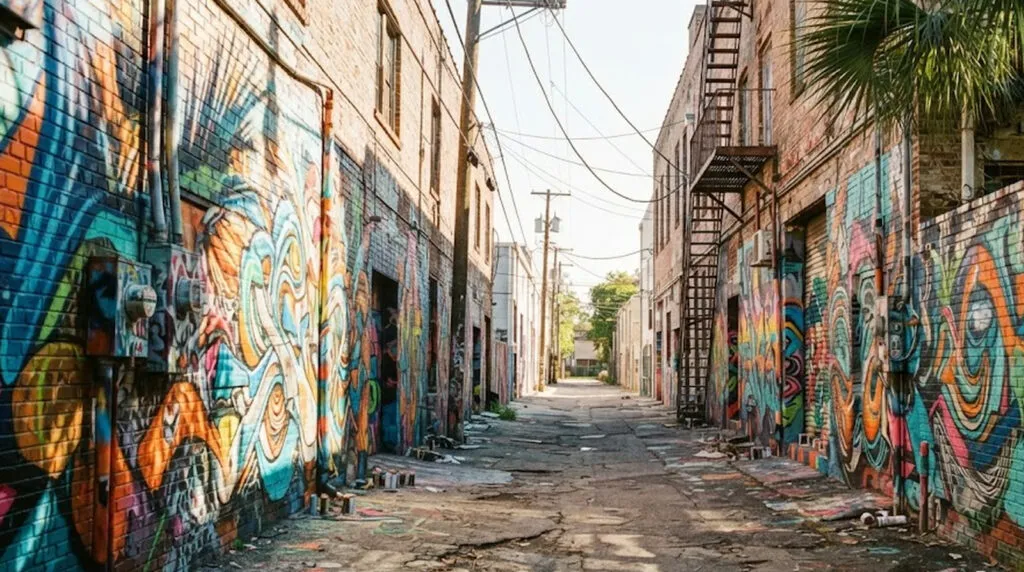
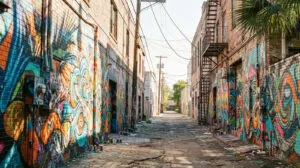
Thirty years ago Wynwood was an industrial zone of Miami with factories, warehouses and modest workers' flats. After the Second World War it became the main Puerto Rican neighbourhood and picked up the nickname "Little San Juan". Then industry left, the warehouses stood empty, and the district slowly decayed. Today those same walls carry over 200 murals.
The story of the turnaround is not a story about artists - it is a story about the square metre. The empty warehouses and low rents drew artists because they offered something no gallery can: enormous blank surfaces. By the time Art Basel Miami Beach and the monthly "Second Saturday" gallery walk arrived in 2002, the machine was already turning.
The key name is Tony Goldman, a real estate developer who, together with curator Jeffrey Deitch, opened Wynwood Walls. The idea was to take the facades of buildings and turn them into canvases. The result today is an open-air museum with a paid entrance - over 40 large-format murals, sculptures, galleries, fifty-minute guided tours and spray-paint workshops.
The numbers explain the visitor traffic. Over 200 murals, more than 100 artists from over 30 countries, across more than 7,000 square metres of street art that is constantly changing. None of it is permanent - that is the point. A wall you photograph this year may not exist next year.
There is also the Museum of Graffiti, opened in 2019, tracing graffiti's path from pure vandalism to something sold at auction. That transition is more interesting than the pictures themselves. Somebody painted on a train and ran from the police, and his grandson now sells a print for a thousand dollars.
The neighbourhood also lives off coffee and food now. Panther Coffee, a roastery opened in 2010 by Joel and Leticia Pollock, is regarded as the place that held the creative community together before everything else arrived. There is the Taquiza taqueria, the Italian Doma, Zak's bakery, and Hiden - an omakase bar that opens only with a reservation and a daily secret code.
What is worth noticing from Skopje is who profited. The artists painted the walls, and the property values jumped for the people who owned the buildings. That is a model we know without flying to Florida. The difference is that over there nobody pretends it did not happen.
The latest 10 news from this category
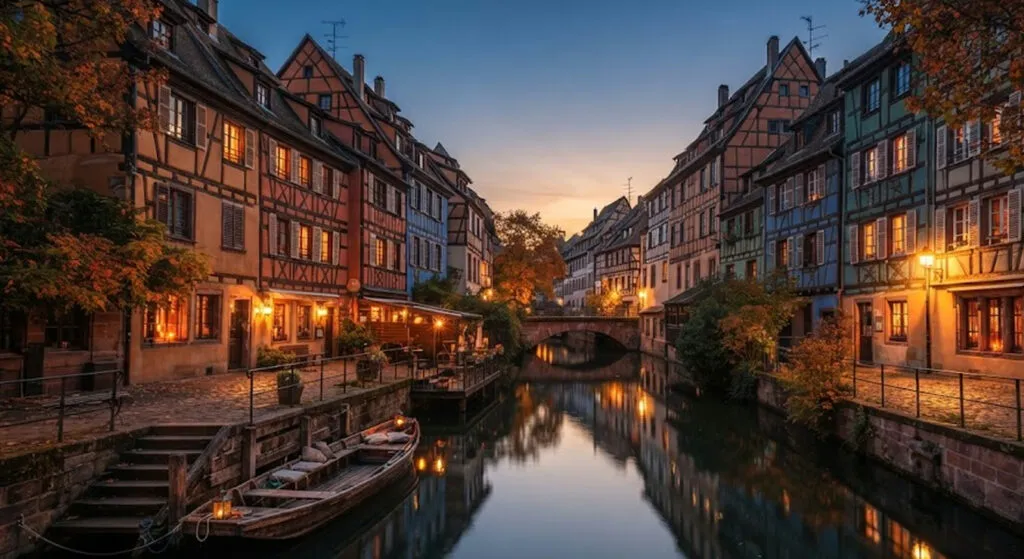
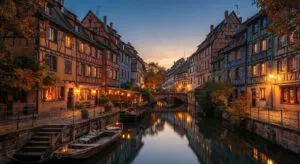
Old tanners' and dyers' workshops, built directly over the river. From 10 to 13 September the town puts boats and...
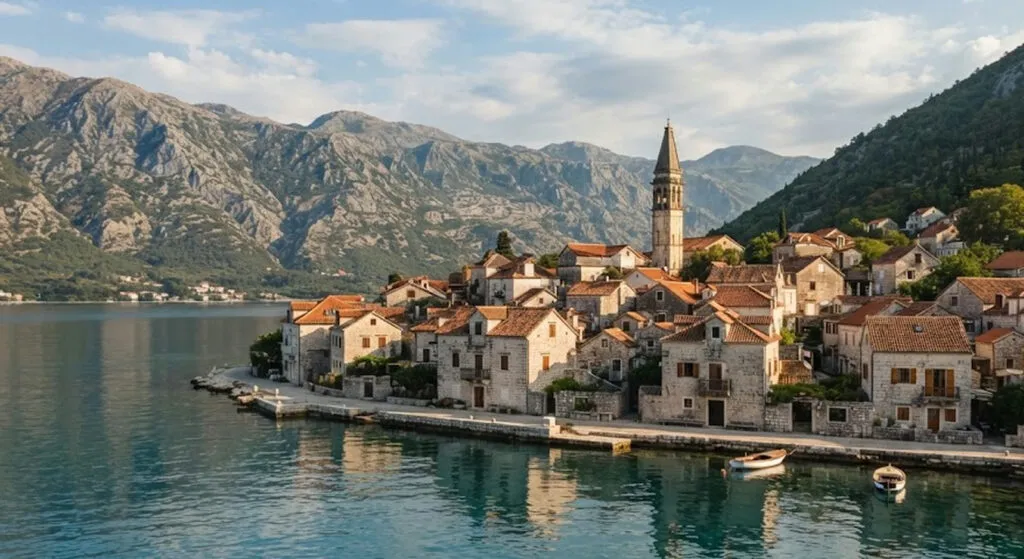
The Albanian Riviera, Montenegro, Sardinia, Lyon and the Algarve. The same weather as August, fewer people, and a bill that...
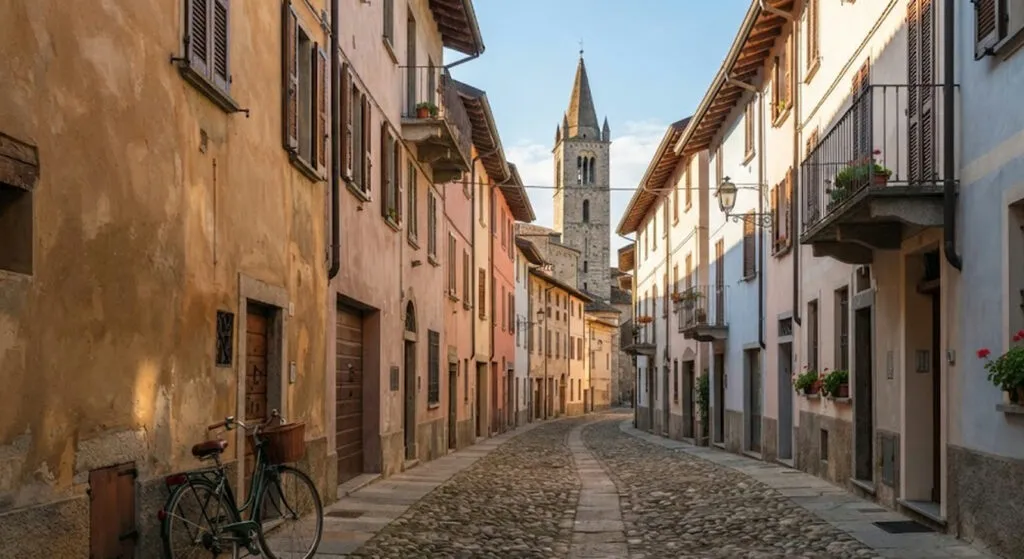
In a town that does not live off tourism, a coffee costs what it costs, not what it could cost.

Xi'an, Dunhuang, Angkor, Luang Prabang. Farmers found the Terracotta Army in 1974, and at Ta Prohm the roots hold the...
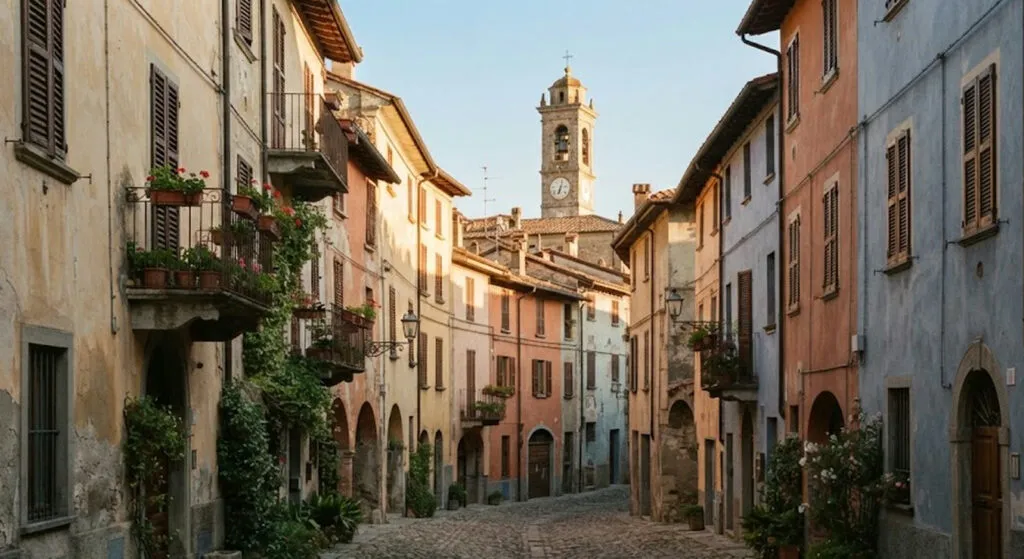
Four thousand historic buildings, a castle from 1069 and free thermal springs Dante wrote about. All within reach of a...
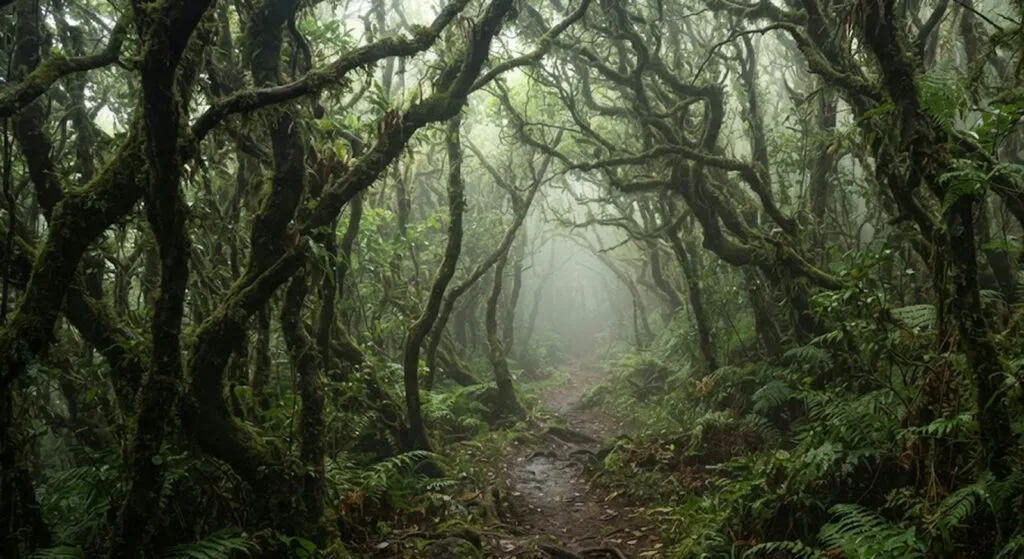
La Gomera is one ferry ride from Tenerife and it is everything Tenerife no longer is. The island does not...
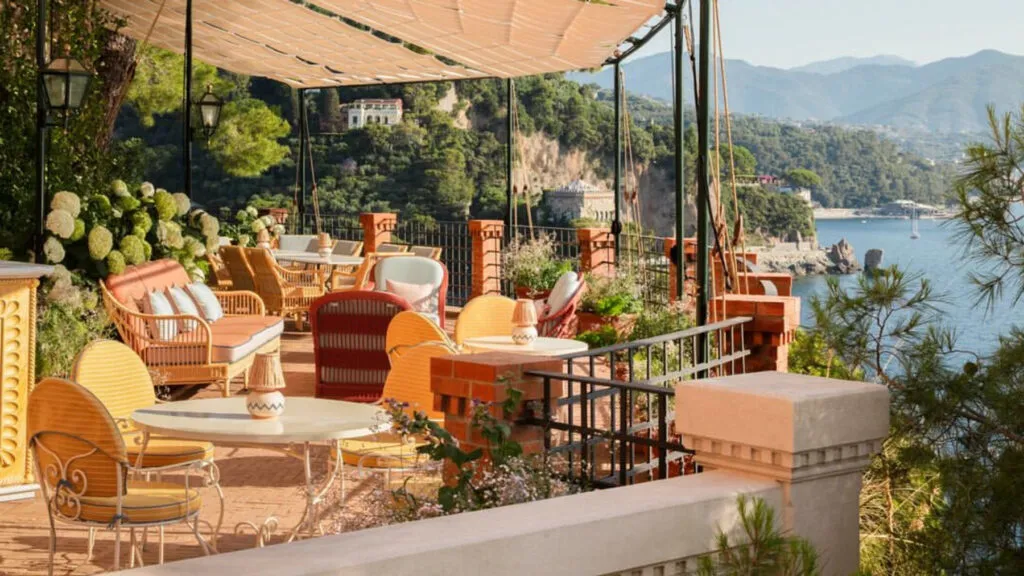
A 16th-century monastery, a hotel since 1902, and a guest list running from Elizabeth Taylor to Nicole Kidman. What they...
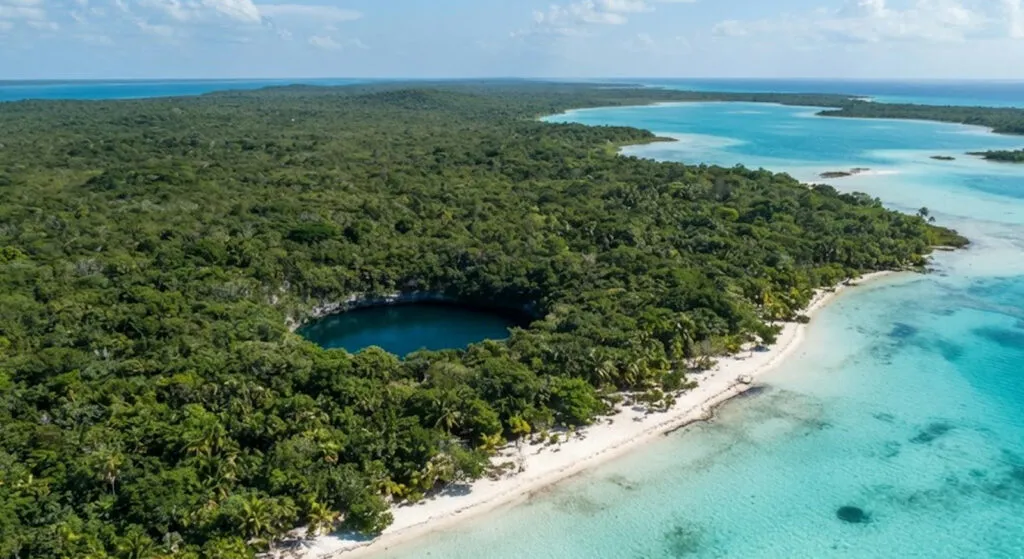
The turquoise water in the photographs is geology, not marketing. And the best thing in the whole region cannot be...
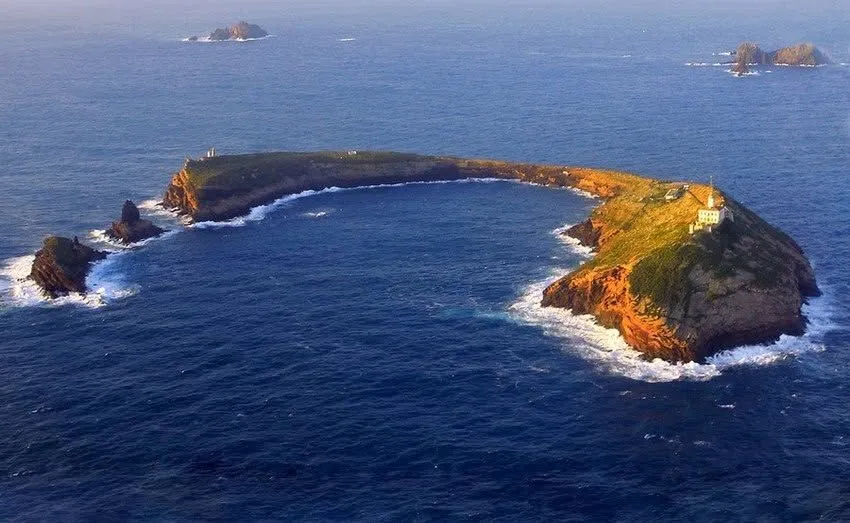
Fifty kilometres offshore, nineteen hectares of land and not a single hotel. Forty years on, the sea beneath the Columbretes...
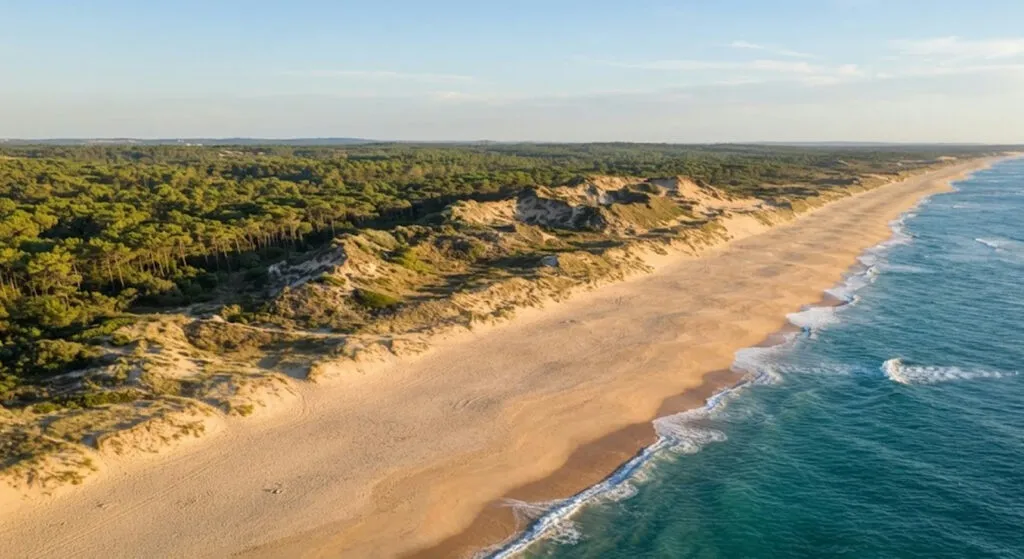
The August crowds are gone, the water stays warm for weeks. One beach has no shower and no shade -...
This site uses cookies - is that okay? Learn more
Be the first to know when Metla launches something new
Leave your email and we will write when there is a new guide or something new on Metla.