
Two Schoolyard Assaults Reported in a Single Day: the Police Promised Measures, the Education System Said Nothing
19.09.2026


19.09.2026

19.09.2026

19.09.2026

19.09.2026
19.09.2026

19.09.2026

19.09.2026

18.09.2026

17.09.2026

19.09.2026

19.09.2026

18.09.2026

19.09.2026

19.09.2026

19.09.2026

19.09.2026

18.09.2026

17.09.2026

19.09.2026

19.09.2026

19.09.2026

19.09.2026

19.09.2026
18.09.2026

09.03.2026

27.02.2026

19.02.2026

19.09.2026

18.09.2026

17.09.2026

23.04.2026

23.04.2026

12.04.2026

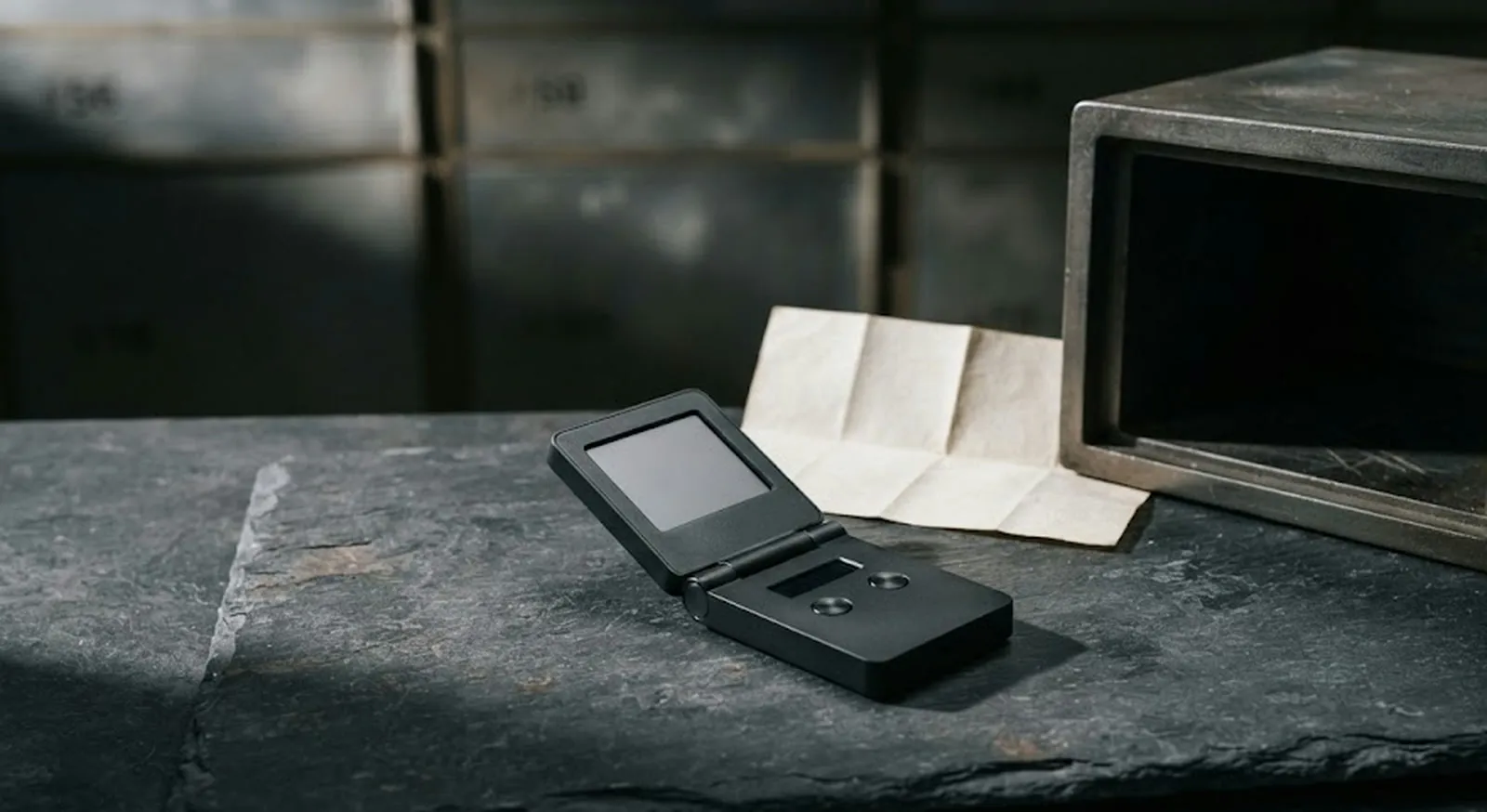
The entire argument for hardware crypto wallets rests on one promise: the key never touches the internet, so nobody can take it from you. That promise has just collapsed. At least a dozen different hackers are draining the accounts of bitcoin owners using Coldcard, the device made by the Canadian firm Coinkite, and have so far taken around 130 million dollars (about 120 million euros).
The figure comes from Galaxy Research, and Tom Robinson, co-founder and chief scientist at the crypto-tracking firm Elliptic, confirmed the estimate is approximately correct. This year alone, according to TRM Labs, there have been over 200 hacks on crypto companies with total losses above 950 million dollars. The difference is that this time it was not exchanges and apps that fell, but precisely the devices that were supposed to be the last line of defence.
The mechanism is painfully simple. Coldcard generated seed phrases - the passwords that unlock the cryptocurrency - in a predictable way. Security researchers at Block found the flaw, and the hackers found it earlier. Once you know how a device makes keys, you do not have to break into the safe. You make the keys yourself, in bulk, for everyone at once.
Jonathan Goodman, who says 1.6 million dollars was stolen from him, wrote on X what explains the whole story better than any technical report: „The hardest part of all this is that I did everything right. I never told anyone my seed phrase. My devices were never connected to the internet. Everything was in multiple safes and bank vaults.” And then: „None of it mattered. Just because the hardware that created the phrase had one line of code from 2021 with a vulnerability.”
Coinkite published a warning on Thursday, updated it on Saturday and told users to upgrade their devices and move to a new seed phrase. It did not respond to a request for comment.
So what remains of the idea of full control over your own money? Keep it on an exchange and you rely on the exchange. Keep it offline and you rely on some programmer in 2021 not having made a mistake in one line. The responsibility moved, but it did not disappear - it just became invisible, which is far worse. The question is not whether hardware wallets are safer than exchanges. The question is why anyone should have to be a security auditor to hold their own money.
The latest 8 news from this category
The device is untouched, the chain around it is not. A second breach in two months at Trezor, and what...
Two out of every three who bought - lost. And the one who earned is precisely the one whose name...
A weekly loss of 17 percent and an outflow of over 4 billion from bitcoin funds. Crypto stayed what it...
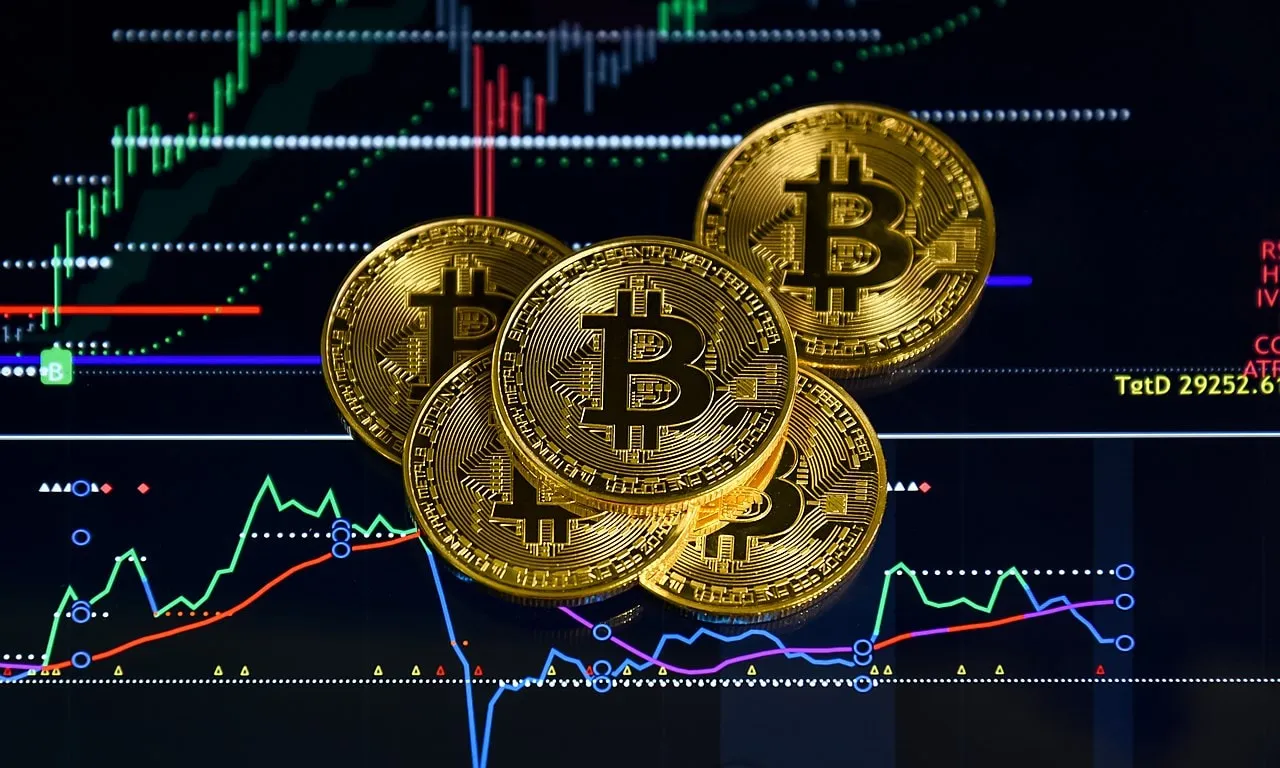
The crypto market saw a sharp rally after the announced ceasefire, triggering 595 million dollars in liquidations across over 118,000...
Водечката криптовалута повторно клизна под психолошката граница откако крупни инвеститори почнаа да продаваат позиции, а глобалната трговска неизвесност поврзана со...
Крипто-берзата Binance не помогнала во лансирањето на стабилната валута поддржана од Доналд Трамп пред нејзиниот ко-основач Чангпенг Жао да добие...
Во лавиринтот од криптовалути, каде секој нов ден носи нов „револуционерен“ проект, постои една вистина што многумина не сакаат да...

Вредноста на биткоинот, најпознатата криптовалута во светот, бележи нагло опаѓање од неколку илјади долари за само неколку минути, предизвикувајќи паника...
This site uses cookies - is that okay? Learn more
Be the first to know when Metla launches something new
Leave your email and we will write when there is a new guide or something new on Metla.