Supreme Court: Kamčev has no right to 1.5 million euros in the Reket case - legal cases close, but the money stays in the fog
02.05.2026


02.05.2026
02.05.2026
02.05.2026
02.05.2026
02.05.2026
01.05.2026

28.04.2026

27.04.2026

27.04.2026
02.05.2026

02.05.2026
01.05.2026

02.05.2026

02.05.2026

02.05.2026

02.05.2026

01.05.2026

30.04.2026

02.05.2026

02.05.2026

02.05.2026

09.03.2026

27.02.2026

19.02.2026

14.04.2026

07.11.2025
07.11.2025

23.04.2026

23.04.2026

12.04.2026

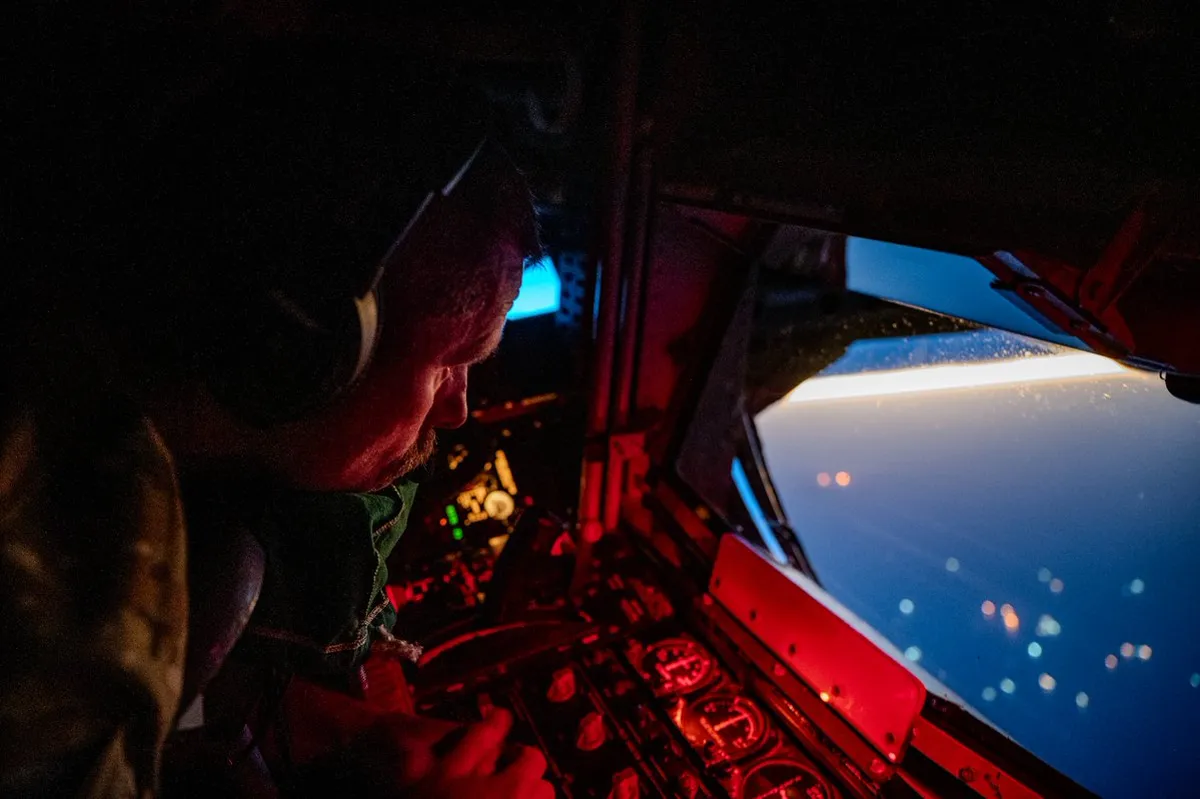
The United Arab Emirates is walking out of OPEC - the oil cartel that, for more than half a century, dictated the global price of crude. At the same time, the US military released video of a seized Iranian vessel. Two events that, together, test the foundations of the market.
The World Bank has already issued an estimate - it expects energy prices to rise by 24 percent in 2026. That is the largest annual jump since 2022, when Russia invaded Ukraine and the markets fell into shock. Now we have a new shock, a new trajectory.
The Emirates, one of the world's most important oil producers, did not say exactly why they want a one-way trajectory. But the logic is clear. OPEC at the moment is in conflict with OPEC+ - Russian and Iranian interests are not the same as the Saudi and Emirati ones. When the cartel cracks from within, when Iran is fighting for survival, when Saudi is counting every barrel - the Emirates choose to play alone.
"Iran did not inform us that it is in a state of collapse," Donald Trump said with typical confidence. But the Iranian defence ministry spokesperson Reza Talai-Nik responded: "The US is no longer in a position to dictate its policy to independent countries."
At the same time the Israeli defence minister Israel Katz announced: "Prime Minister Benjamin Netanyahu and I have ordered the Israeli army to destroy the entire terrorist infrastructure." Rhetoric of unconditional victory in a conflict that is nowhere near finished.
For the Balkans - a 24 percent rise in prices means the summer already will not be at last year's prices. Not petrol, not electricity, not the cost of moving goods. When OPEC itself cannot hold together, Skopje has no alternative supply chains. Our petrol pump is the tail end of markets that, these days, are pretending they still work.
The latest 10 news from this category
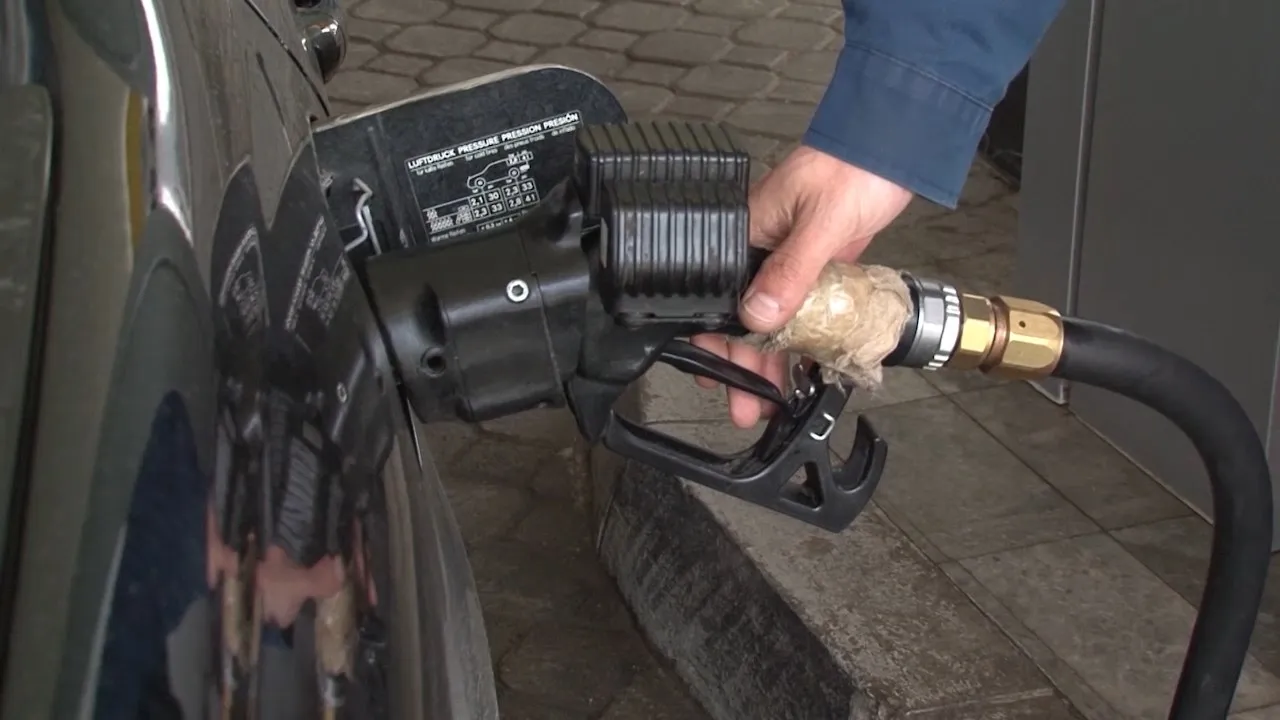
At the same time, an investigation is looking into whether oil companies are re-exporting subsidised petrol to neighbouring countries. State...
An average European car in the US jumps by 12,500 to 17,500 dollars. German factories in Skopje and Bitola will...
Average CEO - 8.4 million dollars a year. Average worker - 490 years of work for the same sum. Ten...
Ryanair is forecasting bankruptcy if regulation does not loosen. Small airports will pay first. The Balkan traveller will be 30-50...
Cursor (Claude Opus 4.6) decided on its own to "fix" a discrepancy. Silicon Valley is in a hurry. Users pay...
Iran's blockade has shaken the markets. US inflation is already at 3.3 percent. Macedonian families will feel it on their...
Цената на новата геополитичка игра на Блискиот Исток нема да ја платат само актерите на сцената – ќе ја платиме...
$3.198 billion for the quarter - double last year. Hormuz blocked, prices up, the oil giant content.
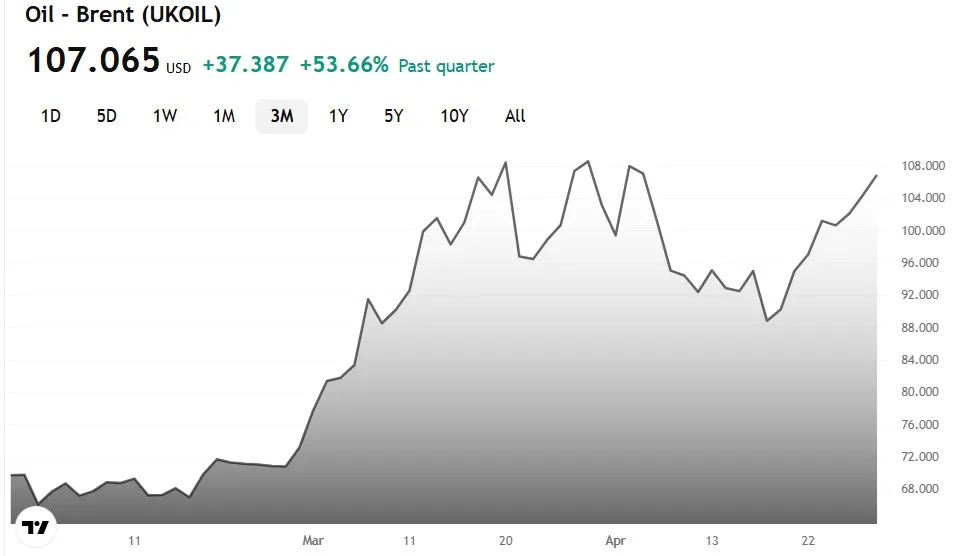
Brent at $108.50 a barrel, Hormuz closed, Goldman Sachs revises forecasts upward. The diplomatic deadlock reads directly at the pump.
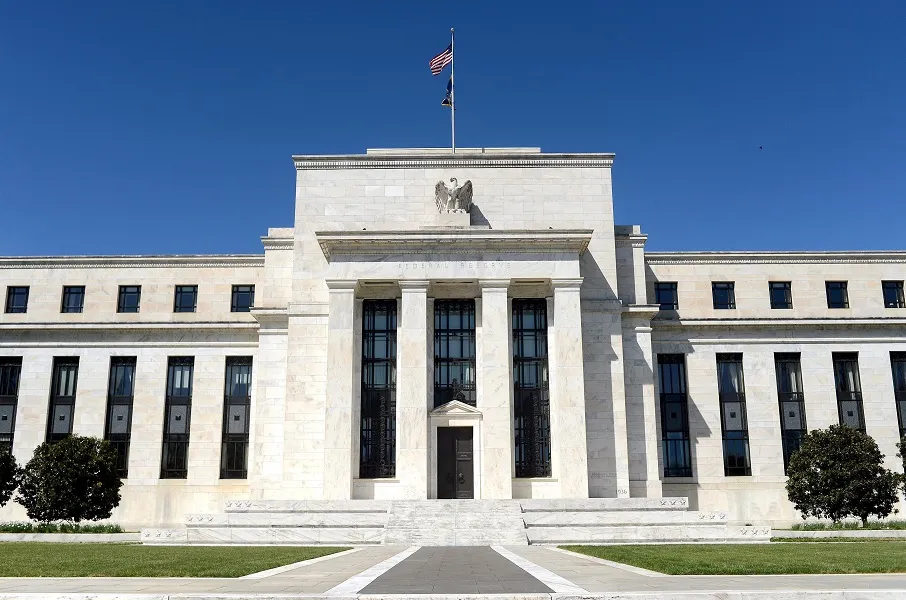
The US central bank meets this week on interest rates - and global markets are holding their breath. Meanwhile, Alphabet,...