Supreme Court: Kamčev has no right to 1.5 million euros in the Reket case - legal cases close, but the money stays in the fog
02.05.2026


02.05.2026

02.05.2026

02.05.2026
02.05.2026
02.05.2026
01.05.2026

28.04.2026

27.04.2026

27.04.2026
02.05.2026

02.05.2026
01.05.2026

02.05.2026

02.05.2026

02.05.2026

02.05.2026
01.05.2026

30.04.2026

02.05.2026

02.05.2026

02.05.2026

09.03.2026

27.02.2026

19.02.2026

14.04.2026

07.11.2025
07.11.2025

23.04.2026

23.04.2026

12.04.2026

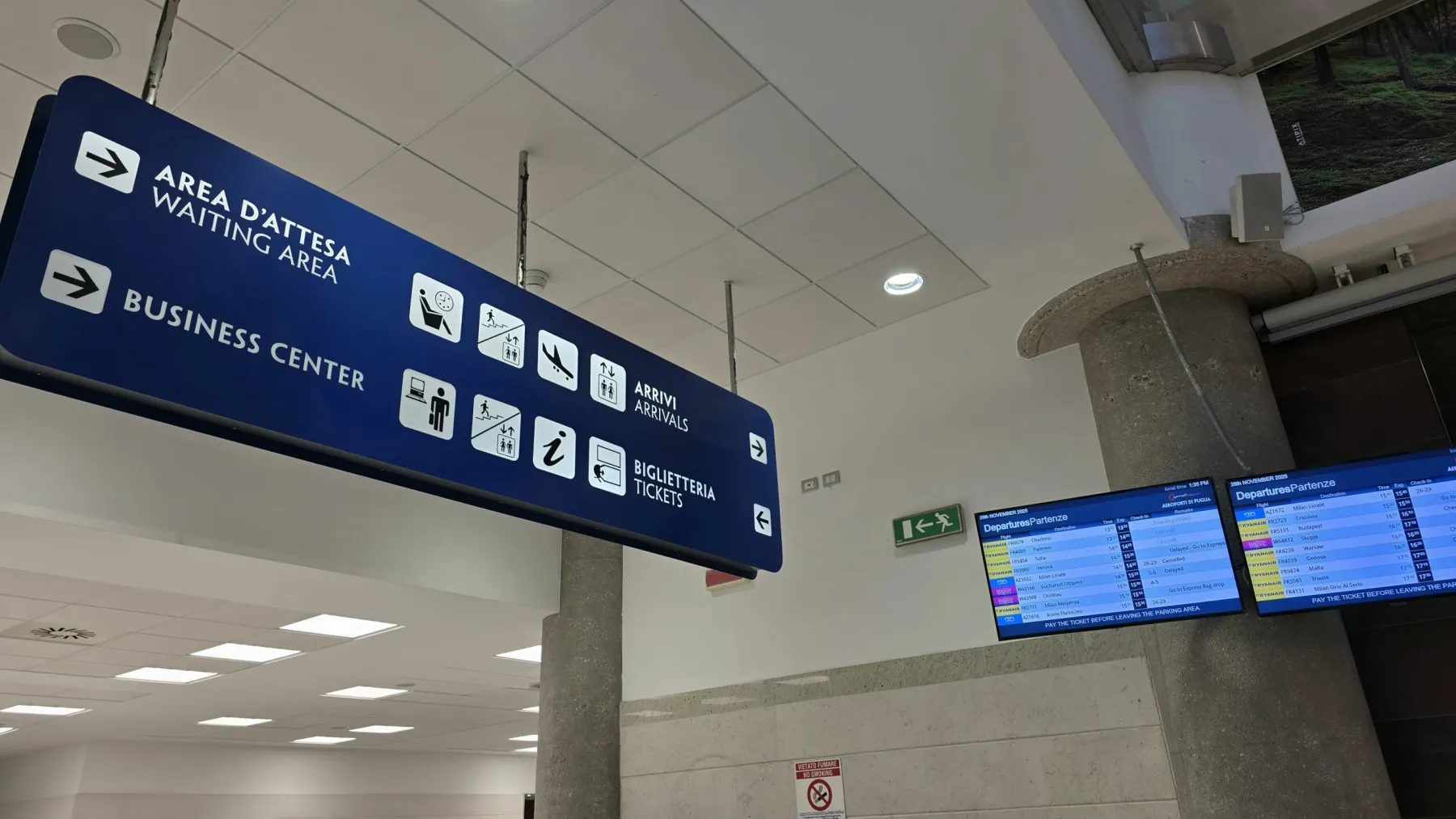
European airlines are leaning hard on Brussels. They want delay compensation gone. They want free-luggage rules gone. They are using the energy crisis as a justification. And if they do not get their way, they are predicting bankruptcies by the end of the year.
Ryanair's CEO is forecasting "the collapse of European airlines if fuel prices stay high". The message is clear: either Brussels loosens the rules, or the industry implodes. A textbook case of corporate blackmail with a multi-decade track record.
Europe's small airports will pay first. When an airline stops flying to your city because fuel is too expensive, your airport loses passengers. Skopje is lucky - it is still on the daily-flight map. Other regional centres are not. That means fewer connections, fewer options, higher prices for whoever is left.
The flight delay compensation rule is one of the biggest wins of European consumer law. Introduced in 2004, it has forced airlines to pay up to 600 euros for delays over three hours. Without it, an eight-hour delay gets you a polite "sorry". No obligation. No compensation.
Same story with luggage. In 2026, almost every basic fare in Europe includes a carry-on up to a certain size. Some charter operators already charge extra. They want that to become the standard. Which means the 200-euro flight becomes 250-280 once you add a bag.
For the Balkans this is a direct cost. A Macedonian traveller flying to Vienna with a carry-on will pay an extra 30-50 euros. A family of three - a hundred over budget. And this is what the industry calls "flexibility". Brussels is still resisting. But under economic pressure, every regulatory rule suddenly becomes "inflexible". And ordinary people pick up the tab.
The latest 10 news from this category
At the same time, an investigation is looking into whether oil companies are re-exporting subsidised petrol to neighbouring countries. State...
An average European car in the US jumps by 12,500 to 17,500 dollars. German factories in Skopje and Bitola will...
Average CEO - 8.4 million dollars a year. Average worker - 490 years of work for the same sum. Ten...

Cursor (Claude Opus 4.6) decided on its own to "fix" a discrepancy. Silicon Valley is in a hurry. Users pay...
Iran's blockade has shaken the markets. US inflation is already at 3.3 percent. Macedonian families will feel it on their...
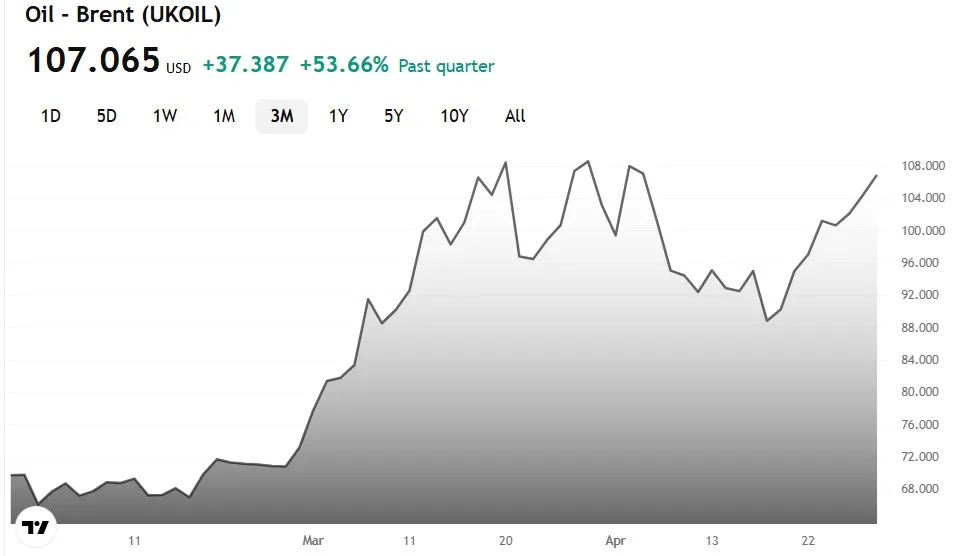
Цената на новата геополитичка игра на Блискиот Исток нема да ја платат само актерите на сцената – ќе ја платиме...
When OPEC itself cannot hold together, Skopje has no alternative supply chains. Our petrol pump is the tail end of...
$3.198 billion for the quarter - double last year. Hormuz blocked, prices up, the oil giant content.
Brent at $108.50 a barrel, Hormuz closed, Goldman Sachs revises forecasts upward. The diplomatic deadlock reads directly at the pump.
The US central bank meets this week on interest rates - and global markets are holding their breath. Meanwhile, Alphabet,...