


Studeničani: 35-year-old dies after being electrocuted while washing his car with a pressure washer
18.09.2026


18.09.2026
18.09.2026

18.09.2026

18.09.2026

18.09.2026
18.09.2026

18.09.2026

17.09.2026

16.09.2026

18.09.2026

18.09.2026

17.09.2026

18.09.2026

18.09.2026

18.09.2026

18.09.2026

17.09.2026

16.09.2026

18.09.2026

18.09.2026

18.09.2026

18.09.2026

17.09.2026

17.09.2026

09.03.2026

27.02.2026

19.02.2026

18.09.2026

17.09.2026

16.09.2026

23.04.2026

23.04.2026

12.04.2026

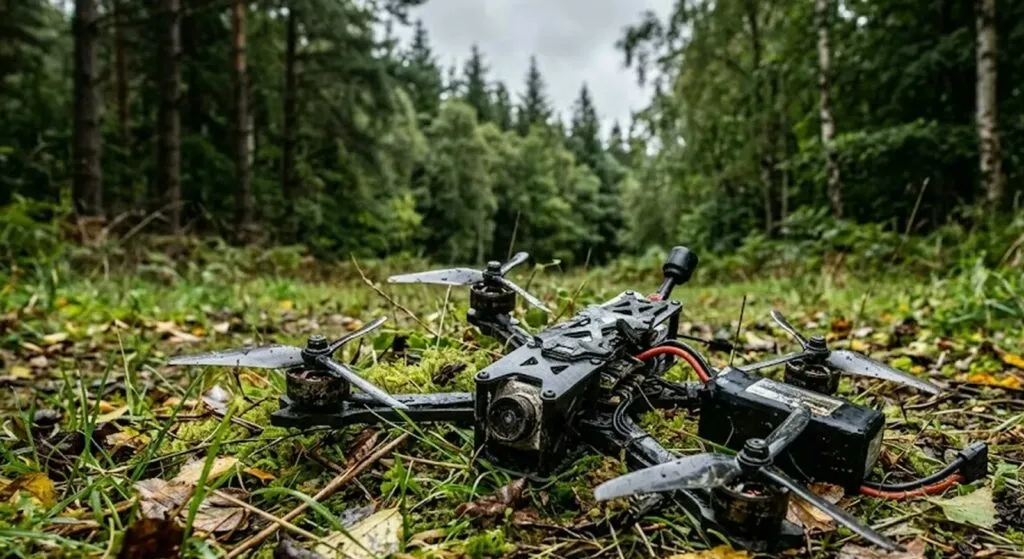
Lithuania woke up to exactly what NATO members fear most - a Ukrainian drone on their soil. No casualties, no explosion, but a clear signal that the war in Ukraine has consequences even over countries that are not in it. Lithuanian authorities confirmed the drone was Ukrainian and that it did not detonate on impact. The question now is different - is this the first live test of NATO's Article 5?
The head of Lithuania's Crisis Management Center, Vilmantas Vitkauskas, confirmed the aircraft belonged to the Ukrainian military and that the incident is not isolated. Alongside this came an official directive from President Gitanas Nauseda: "the army must shoot down every drone that enters Lithuanian airspace." That is a change in the rules of engagement, and it is a big one.
Lithuania sits on NATO's eastern flank, bordering Belarus and the Russian exclave of Kaliningrad. Geopolitically, it is one of the most sensitive points in the Alliance. Incidents that elsewhere would pass as "technical glitches" are read here as tests. What does someone want to see? How the Alliance reacts. How long it takes to respond. And whether Lithuania will answer alone or together with other members.
The Article 5 question is not theoretical. Article 5 is triggered when a member is attacked - and the definition of "attack" is politics, not just legal language. A Ukrainian drone, meant for other targets, lands on NATO soil. It is not Russian aggression, but it is the fallout of a war that is too close. The Alliance has to decide - ignore it, protest to Kyiv, or rewrite the rules of air defense?
For the Balkans this matters - geopolitics does not respect borders. The war in Ukraine, which many here treat as distant, is already pressing on our neighbors and, indirectly, on us. Bulgaria and Romania, our NATO neighbors, have had their own drone incidents over the past two years - and each one raises the same questions. What is an attack? When does the Alliance step in? And how long can a member state stay "half-invaded" without getting official protection?
Lithuania will ask for clarity. And it will be interesting to see how much Brussels and Washington are willing to give. Our advice to readers following the region: watch how NATO responds to this one. It is a preview of what will happen when the next, more serious incident comes - and it will come.
The latest 10 news from this category

The bill passed with 262 votes, and the key to it has been handed to a man who has already...
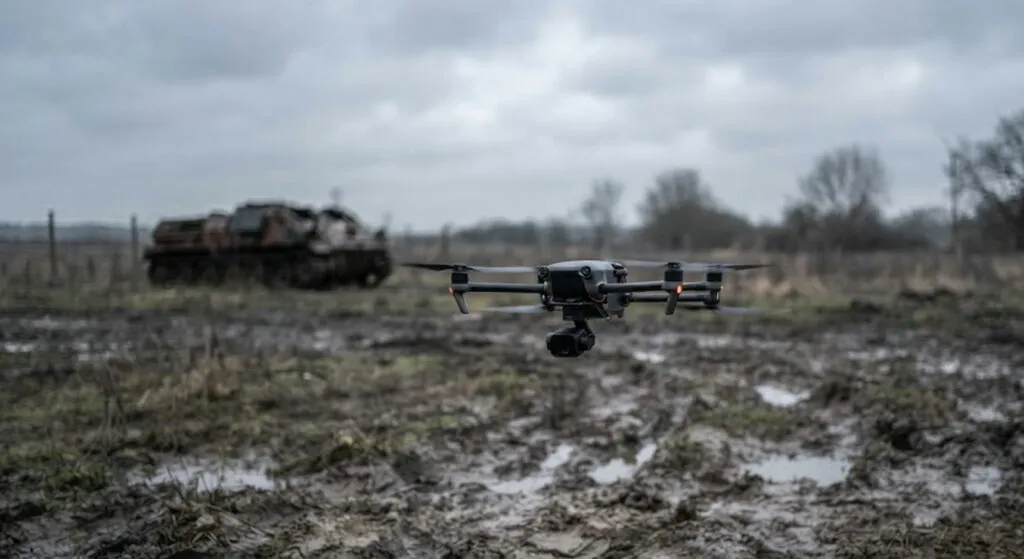
Ukraine adapts in weeks, the Alliance in decades. Europe is paying for Patriot systems from 1991 and is only now...
Missiles and drones on the Ukrainian capital, damaged water mains and residential buildings. The same night, Ukrainian drones set the...
Trump hopes the war is ending and is preparing to gather the Gulf leaders. Oil prices have jumped, and the...
Ukraine says when, where and which unit did it. Russia's defence ministry has not a single sentence about the circumstances....
Norway's prime minister talks about a plane a drone "almost hit". Moldova, the only party holding the figures, reported that...
Ukraine was shooting down nine out of ten of the old drones. Then Russia changed the drone - and in...
It was shot down a few minutes after midnight, and all of Vilnius got a warning on their phones. Two...
The entire story comes from one side, and the headlines turn it into a turning point. The difference between the...
Between 2,300 and 3,000 North Korean soldiers have died in Kursk so far. Kim Jong Un has found an export...
This site uses cookies - is that okay? Learn more
Be the first to know when Metla launches something new
Leave your email and we will write when there is a new guide or something new on Metla.
