

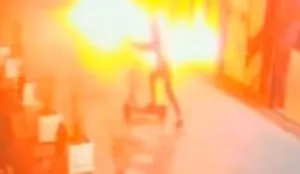
They Rode In on Scooters, Torched the Shops and Left: The Fire in Shuto Orizari Burned for Three Hours, Setting It Took Fifty Seconds
13.09.2026


13.09.2026
13.09.2026

13.09.2026

13.09.2026

13.09.2026
13.09.2026
13.09.2026

12.09.2026

11.09.2026

13.09.2026
13.09.2026

12.09.2026

13.09.2026

13.09.2026

13.09.2026

13.09.2026

12.09.2026

11.09.2026

13.09.2026

13.09.2026

13.09.2026
13.09.2026

13.09.2026

12.09.2026

09.03.2026

27.02.2026

19.02.2026

13.09.2026

12.09.2026

11.09.2026

23.04.2026

23.04.2026

12.04.2026

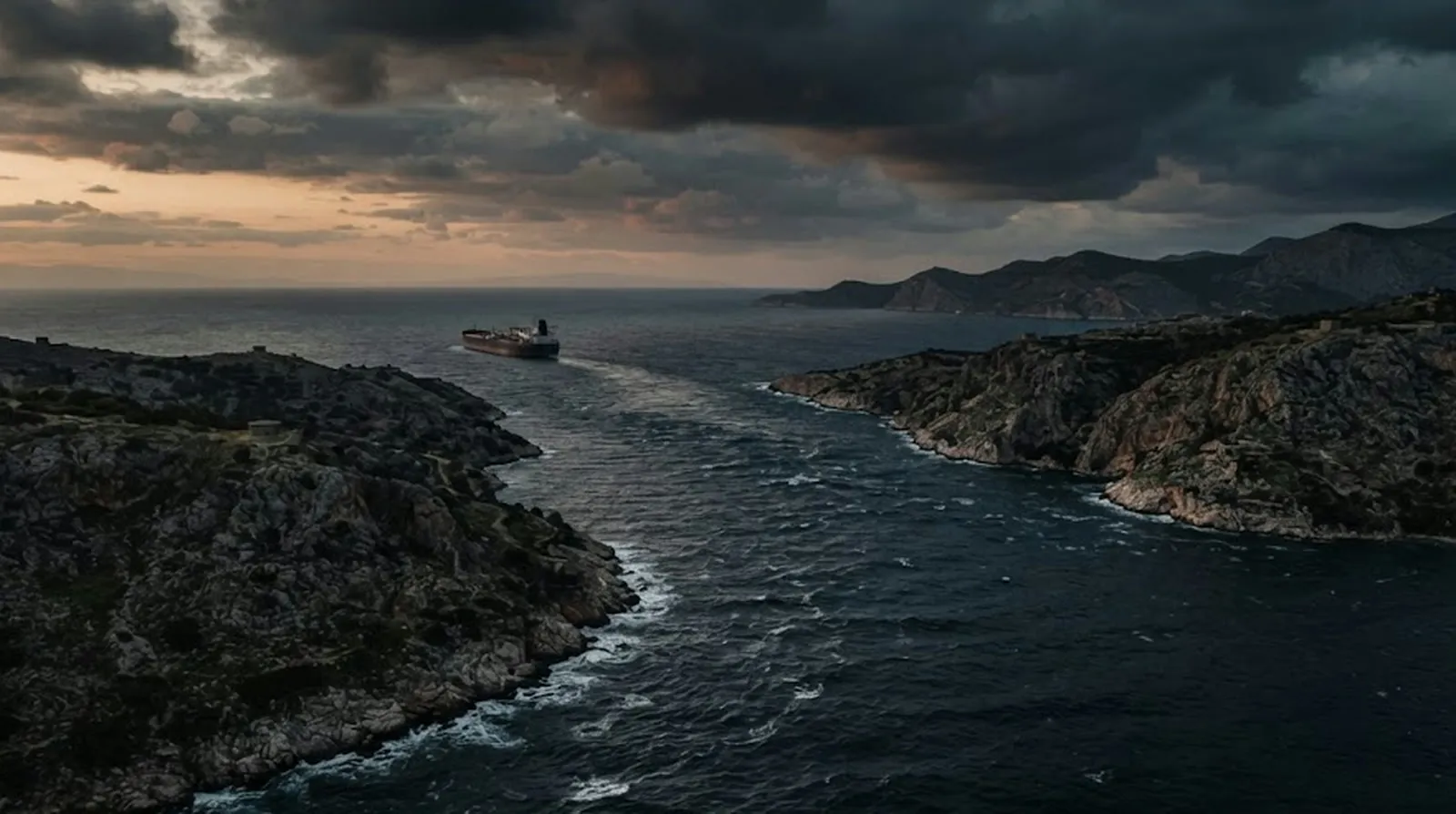
The truce lasted about as long as all Middle East truces last - until someone needed a new excuse. This week the US struck around 140 Iranian military targets in a third wave of attacks, mostly along the Iranian coast of the Strait of Hormuz. The reason, Washington says: Iran attacked three merchant ships passing through the strait and thereby broke the ceasefire. Tehran's answer didn't take long.
Iran hit back with a swarm of drones on American bases across the Gulf. According to the Iranian military, the targets were the Patriot system in Kuwait, an early-warning system in Qatar and fuel depots in Bahrain. Sirens, explosions, air defense running all night - a scene the world watched just a few months ago, now repeating as if no one learned a thing. The night before, the Americans had already hit some 80 more targets, among them over 60 vessels of Iran's Revolutionary Guard.
The political context is what makes the story more dangerous. Donald Trump, at the NATO summit in Ankara, declared the deal with Iran "finished" and further negotiations "a waste of time." When the man who led the talks himself says there's no point talking anymore, that's not a diplomatic outburst - it's a warning. The peace talks marketed for months as a success fell apart in a week.
And why does this concern us? Because about a fifth of the world's oil passes through the Strait of Hormuz. Every time it thunders there, the price of fuel shakes - and fuel recognizes no borders. The Balkans send no soldiers there, but we pay for every liter at the pump when the Gulf burns. We're at the end of a chain that starts with a missile over a strait thousands of kilometers away and ends with a bill paid by an ordinary driver in Skopje.
There's a tragic footnote apart from the front - the former Qatari emir Sheikh Hamad bin Khalifa Al Thani has died, but his death, according to sources, has no connection to the ongoing conflict. At a time when everything gets folded into one news item, it's worth separating what's connected from what isn't. The question that remains isn't whether there will be another wave of attacks - that's almost certain. The question is who will dare to stop it first, when both sides act as if they have nothing to lose.
The latest 10 news from this category
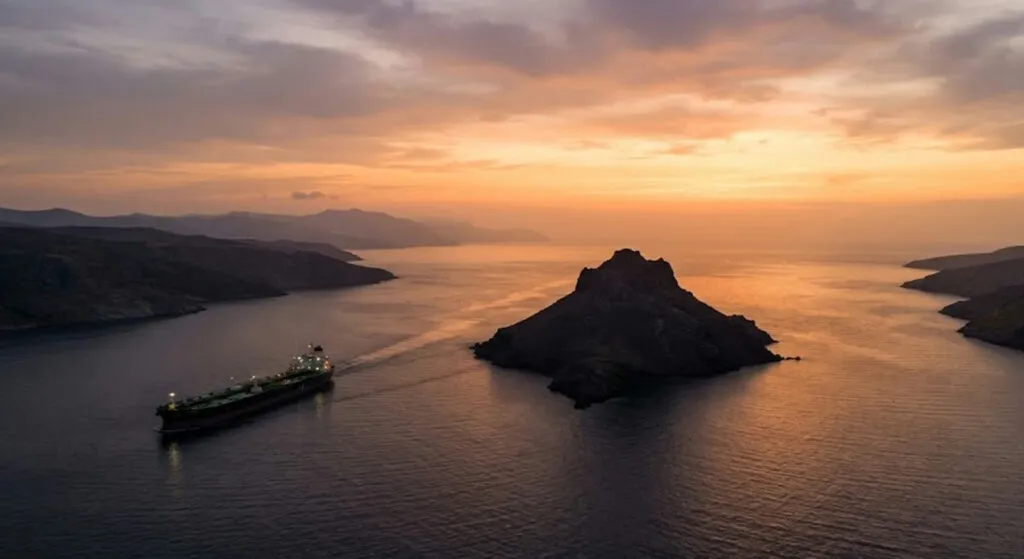
A barren volcanic rock in the middle of a strait 28 kilometres wide changed the oil market in a single...
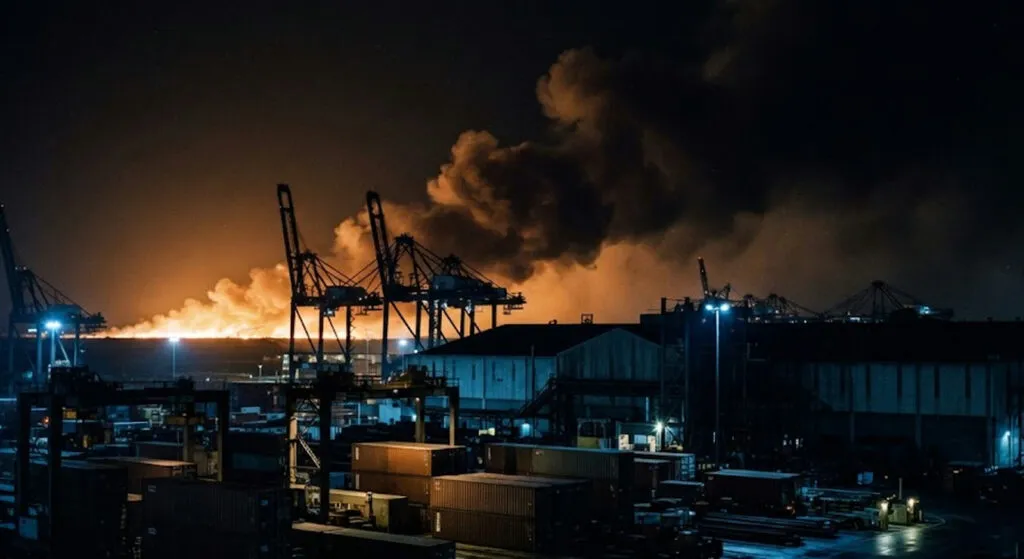
Hostomel, Odesa, Kryvyi Rih - targets that are not the front line but the supply chain. A war against the...

We don't want war with Europe, but here is exactly how that war would start. He said both sentences in...

When an army recalls its special forces with a 12-hour deadline, that is not a rota but a signal. The...

Port infrastructure in Makhachkala and the theatre building caught fire, the governor said. Moscow claims it shot down 448 drones...
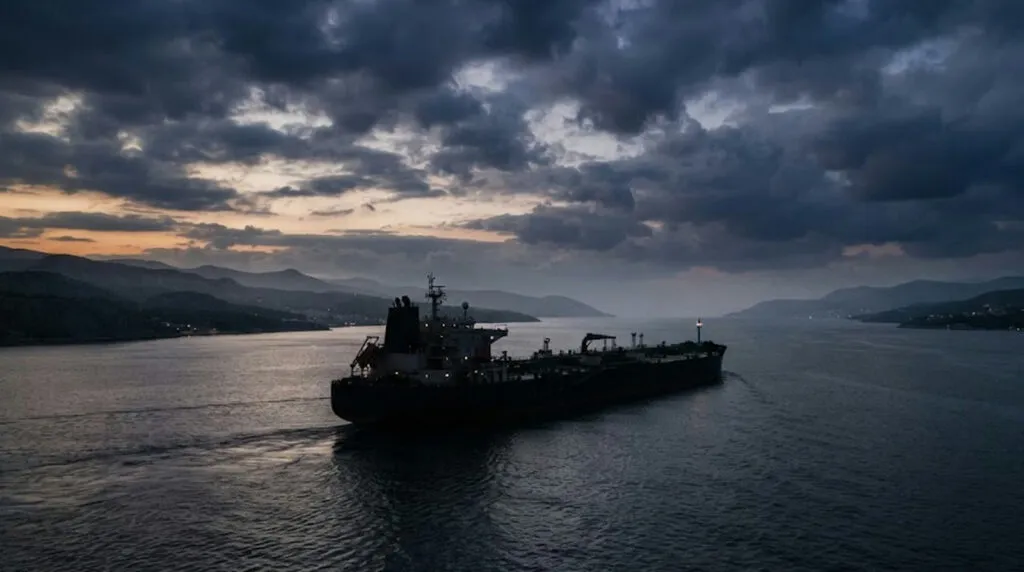
Tehran says it hit around ten ships, Washington says it destroyed five Iranian tankers and that its own vessel is...
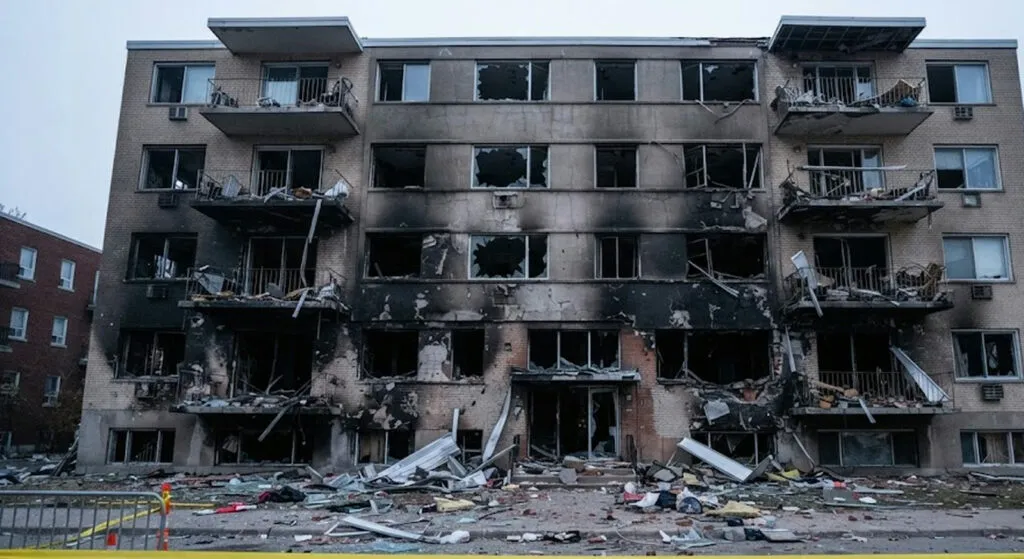
Residential buildings, a kindergarten and an Orthodox church damaged in Russia's largest Black Sea port. Four dead and 29 injured...
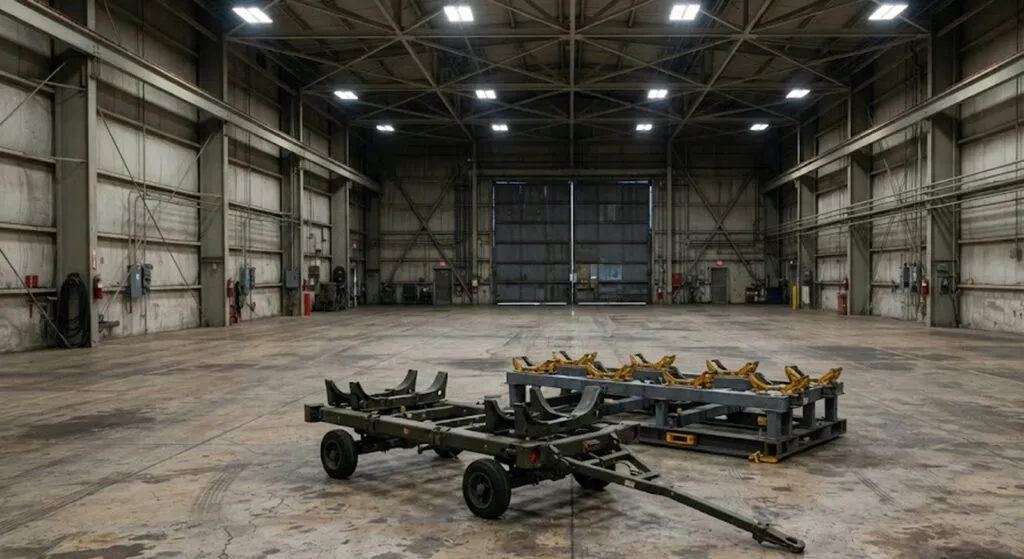
When there are no air-to-air missiles left, what remains is a 20mm cannon - and that means the pilot has...

In public - constructive talks. In private, according to an MP in the Verkhovna Rada, the envoys arrived with tougher...
Witkoff and Kushner spent three hours in the Kremlin and came out with an agreement in principle. November was not...
This site uses cookies - is that okay? Learn more
Be the first to know when Metla launches something new
Leave your email and we will write when there is a new guide or something new on Metla.
