
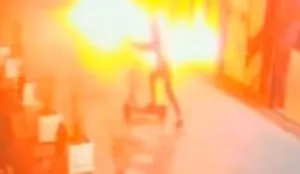
They Rode In on Scooters, Torched the Shops and Left: The Fire in Shuto Orizari Burned for Three Hours, Setting It Took Fifty Seconds
13.09.2026


13.09.2026
13.09.2026

13.09.2026

13.09.2026

13.09.2026

13.09.2026
13.09.2026

12.09.2026

11.09.2026

13.09.2026
13.09.2026

12.09.2026

13.09.2026

13.09.2026

13.09.2026

13.09.2026

12.09.2026

11.09.2026

13.09.2026

13.09.2026

13.09.2026
13.09.2026

13.09.2026

12.09.2026

09.03.2026

27.02.2026

19.02.2026

13.09.2026

12.09.2026

11.09.2026

23.04.2026

23.04.2026

12.04.2026

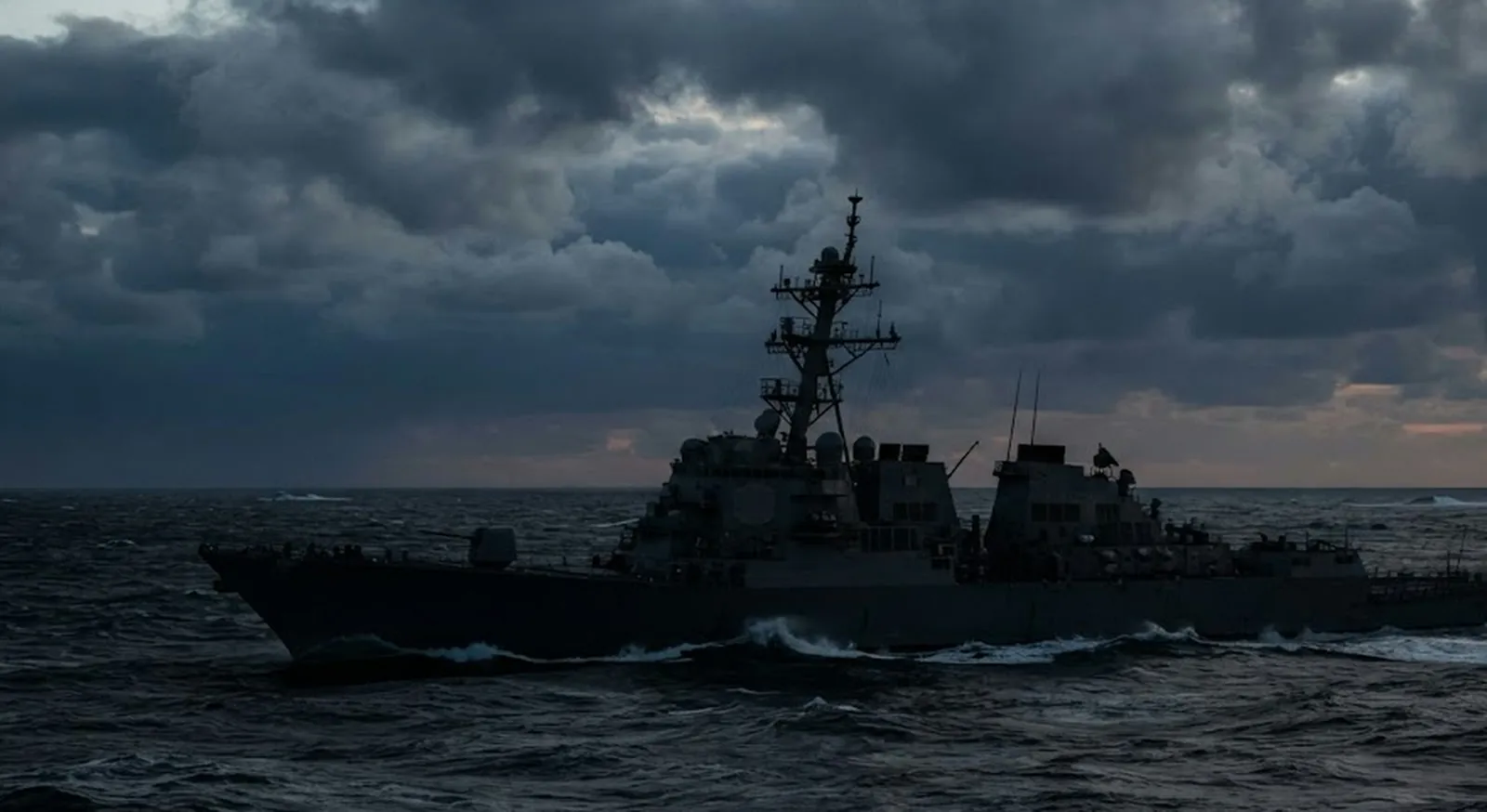
What the world feared for months has flared up again. After attacks on commercial ships in the Strait of Hormuz - among them a Qatari liquefied-gas tanker and a Saudi supertanker - the United States responded with force not seen in the region for a long time. In just two days, the US command CENTCOM announced it had hit first over 80, then another 90 Iranian military targets: air-defence systems, coastal radars, missile depots, drones and over 60 fast boats of the Iranian Revolutionary Guard.
Iran did not stay silent. The Revolutionary Guard struck back, hitting US military bases in Kuwait and Bahrain - among them Arifjan, Ali Al Salem and Jufair. Tehran threatened to strike other US positions in the region if the attacks continued. Washington, in retaliation, reimposed sanctions on Iranian oil exports. In other words - both weapons and economy burst into flames at once.
The official story from the American side is that all of this is for "freedom of navigation" through the strait through which a significant part of the world's oil passes. Maybe. But when one superpower bombs the coastline of another state, and that one strikes back at neighbouring bases, "freedom of navigation" sounds like too clean a label for something that long ago grew into a direct military clash. The question no one asks out loud is - where is the line past which this is no longer called an incident, but a war?
For us in the Balkans, news like this isn't a distant spectacle. Every tightening in the Strait of Hormuz strikes right at the price of oil, and that - as anyone who fills a tank knows - reaches our pumps very fast. The big players measure missiles and bases; the ordinary person from Skopje to Belgrade ends up paying the bill at the petrol station. A war that looks distant has a habit of arriving through the price list.
The latest 10 news from this category
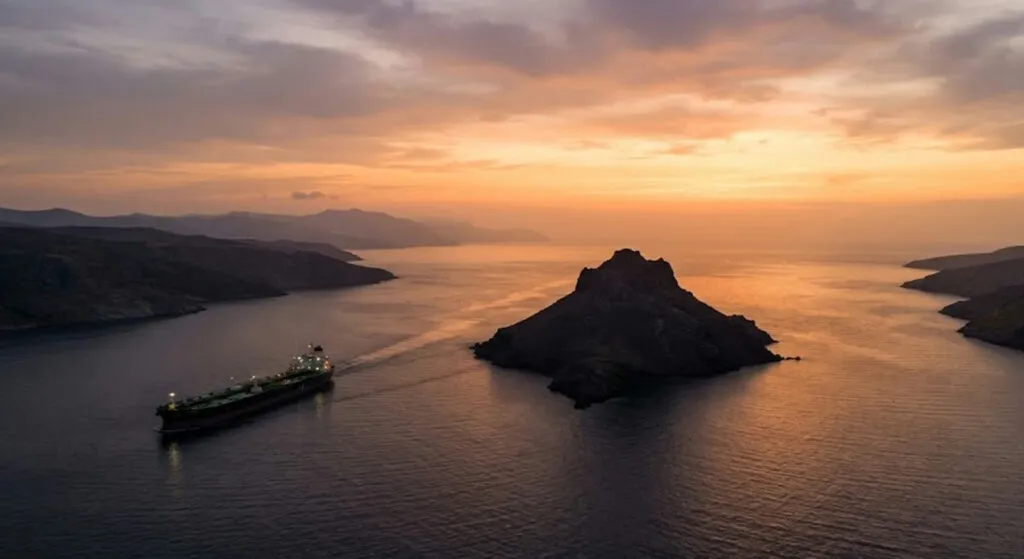
A barren volcanic rock in the middle of a strait 28 kilometres wide changed the oil market in a single...
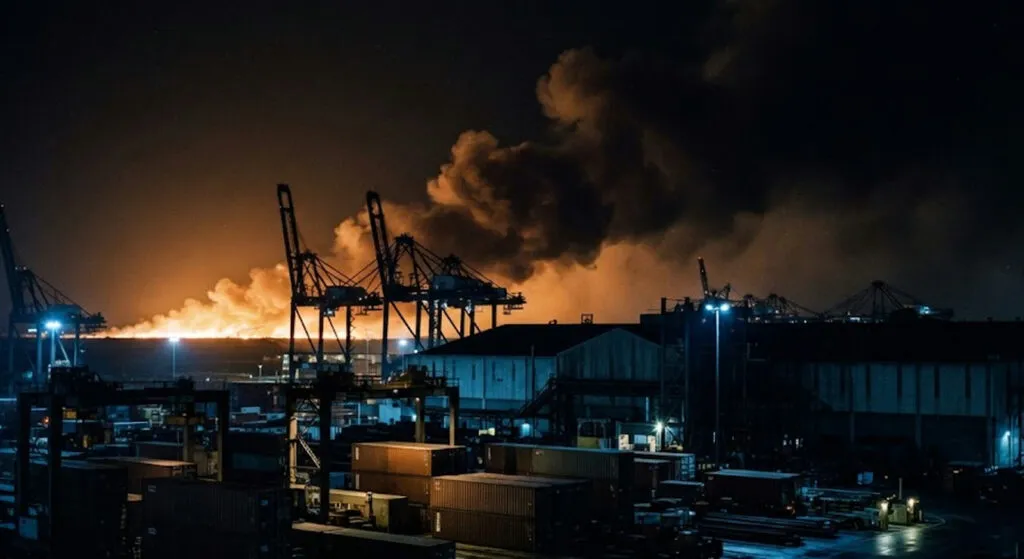
Hostomel, Odesa, Kryvyi Rih - targets that are not the front line but the supply chain. A war against the...

We don't want war with Europe, but here is exactly how that war would start. He said both sentences in...

When an army recalls its special forces with a 12-hour deadline, that is not a rota but a signal. The...

Port infrastructure in Makhachkala and the theatre building caught fire, the governor said. Moscow claims it shot down 448 drones...
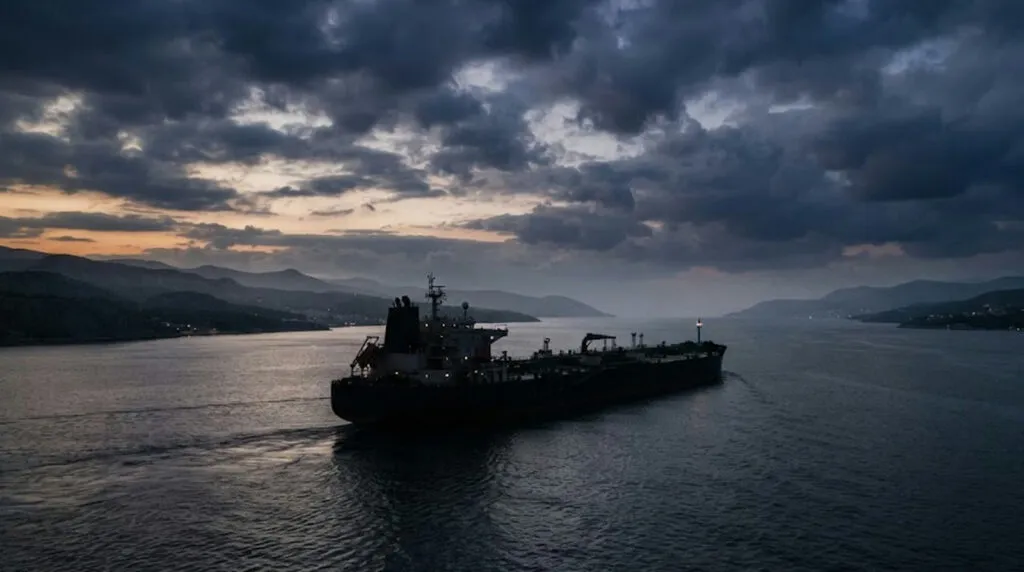
Tehran says it hit around ten ships, Washington says it destroyed five Iranian tankers and that its own vessel is...
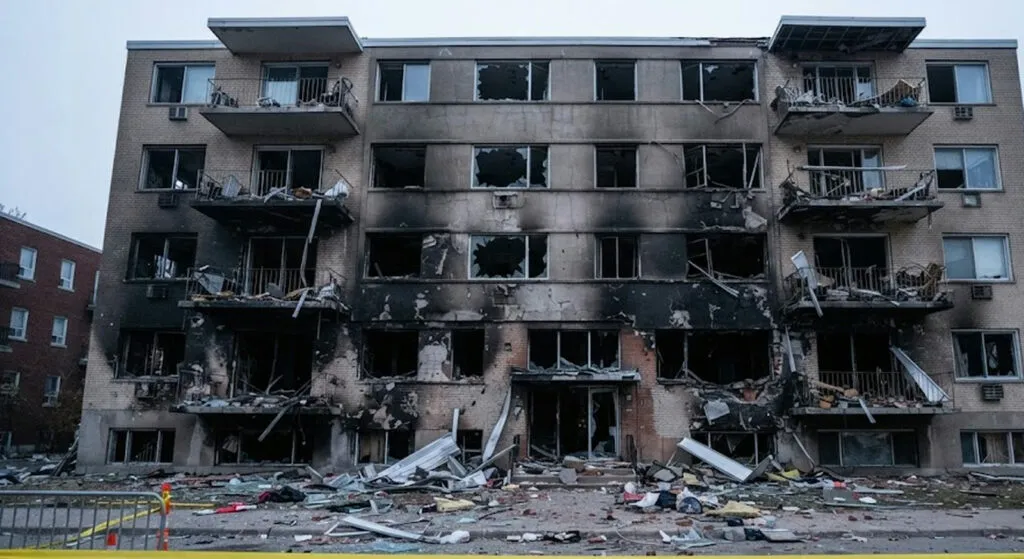
Residential buildings, a kindergarten and an Orthodox church damaged in Russia's largest Black Sea port. Four dead and 29 injured...
When there are no air-to-air missiles left, what remains is a 20mm cannon - and that means the pilot has...

In public - constructive talks. In private, according to an MP in the Verkhovna Rada, the envoys arrived with tougher...
Witkoff and Kushner spent three hours in the Kremlin and came out with an agreement in principle. November was not...
This site uses cookies - is that okay? Learn more
Be the first to know when Metla launches something new
Leave your email and we will write when there is a new guide or something new on Metla.
