Nineteen Years of Tradition: The St. Peter's Day Hiking March From Ponikva to Ratkova Skala
12.07.2026


12.07.2026
12.07.2026

12.07.2026

12.07.2026
12.07.2026

12.07.2026

12.07.2026

12.07.2026

12.07.2026

12.07.2026

12.07.2026

11.07.2026

12.07.2026

11.07.2026

10.07.2026

12.07.2026

11.07.2026

11.07.2026

09.03.2026

27.02.2026

19.02.2026

23.04.2026

23.04.2026

12.04.2026

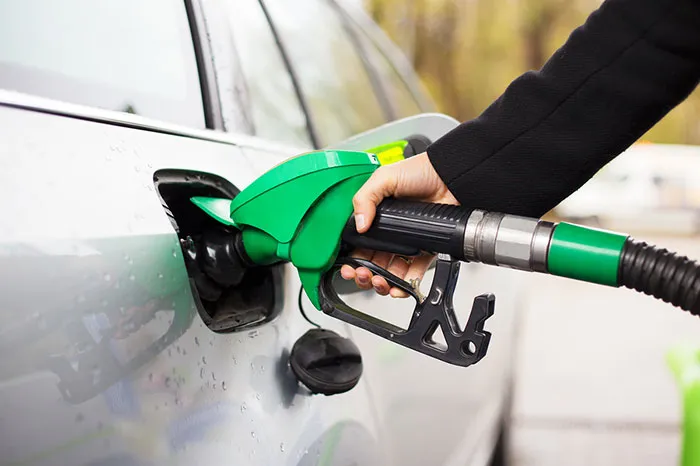
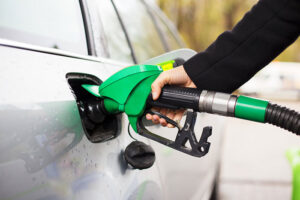
When oil rises on world markets, the pocket of the Macedonian driver feels it immediately. A barrel of Brent climbed above 110 dollars, US crude above 107 - a rise driven by tensions in the Middle East and market instability. And here, as a rule, that means only one thing: a hike at the pump.
New prices have been in effect since July 7. Eurosuper BS-95 costs 85.5 denars per liter, BS-98 is 87.5, and diesel 82.5 denars - an increase of 2.50 denars for diesel and one denar for the petrols. Reference prices worldwide rose significantly - petrols by over 2.5 percent, diesel by over 5 percent. The energy regulator says the price merely follows market dynamics.
The problem is that when oil falls, the cut here comes slowly and shyly - but when it rises, the hike arrives at once and in full. Added to that is the weakening of the denar against the dollar by around 1.5 percent, which further squeezes energy imports. So we pay twice - both a higher oil price and a weaker denar.
For a country without oil of its own, dependence on the world market is a reality that can't be avoided. But the way that dependence is passed on to the citizen - fast up, slow down - is a matter of policy, not geology. Every liter that gets more expensive also means costlier transport, costlier food, costlier everything. The question the driver asks at every pump stays the same: why, when the world gets cheaper, are we the last to feel it?
The latest 10 news from this category

Over 27 million euros in damage to creditors, and justice arrives only now. Why does justice for big financial cases...

Half of last year's rice sits unsold, and the new harvest is knocking at the door. When will we have...
Two new stock funds pull out Tesla and SpaceX for investors who don't want a single dollar ending up with...
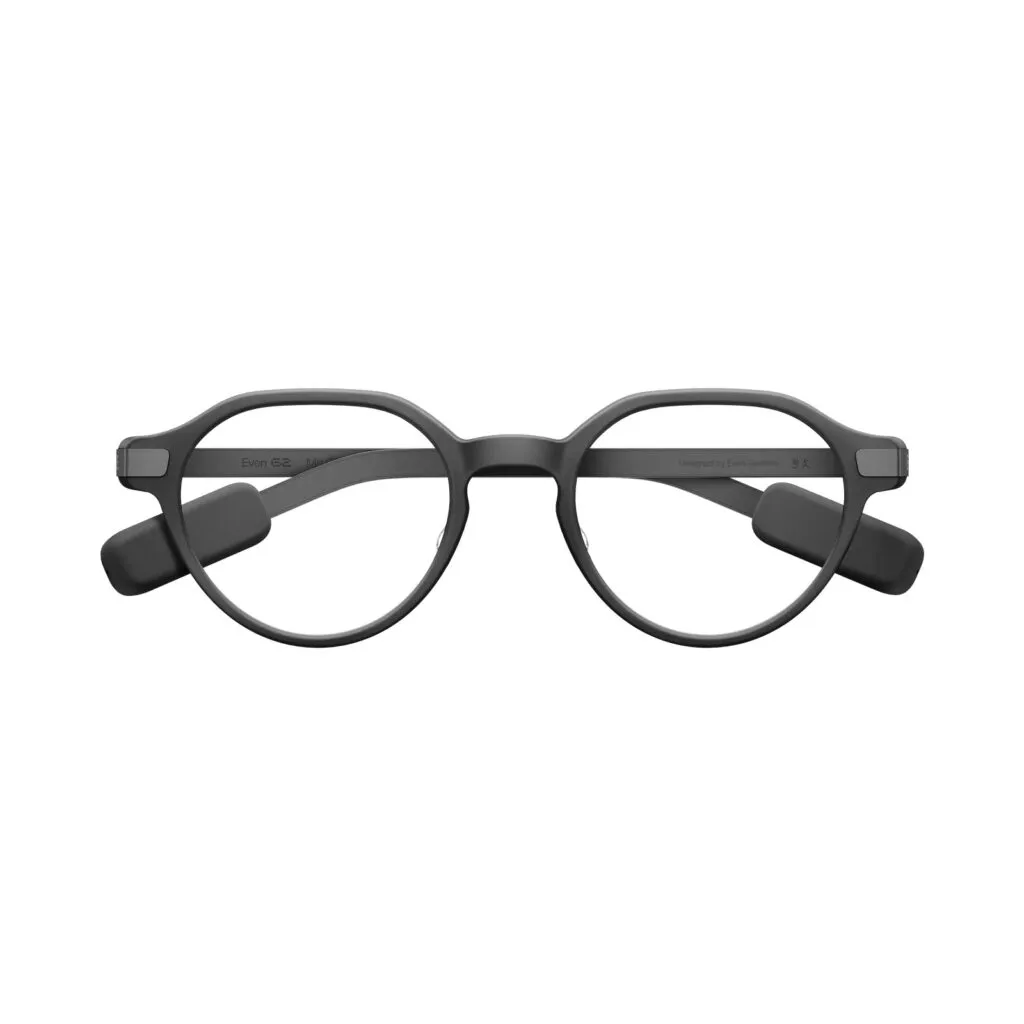
While Meta puts a camera on your face, Even Realities deliberately took it off - and became a unicorn on...

Parents using ChatGPT jumped to 24 percent in a year. Now the company is building AI for the whole family...

The work is physically hard, life is shorter, and yet the retirement age keeps rising. Is the state testing how...
A law that looks comprehensive on paper doesn't automatically mean a fast result. The question is whether municipalities and permit-issuers...
Ukrainian drones hit the refineries and exposed the lifeblood of an entire economy. When the refineries burn, it's the ordinary...

For the first time a regulator officially says infinite scrolling is designed not to let you go. Brussels pushes with...
Physicists from Caltech claim they've found a way to correct errors with far fewer qubits - and Jeff Bezos and...
This site uses cookies - is that okay? Learn more