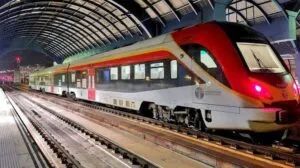
ПРЕД 153 ГОДИНИ СО ВОЗ ОД СКОПЈЕ ДО СОЛУН, ПРЕД 138 ГОДИНИ ДО БЕЛГРАД – А ВО 2026 ГОДИНА НЕМАМЕ НИТУ ЕДЕН РЕДОВЕН МЕЃУНАРОДЕН ПАТНИЧКИ ВОЗ!
11.10.2026


11.10.2026

11.10.2026

11.10.2026
11.10.2026
11.10.2026
11.10.2026

11.10.2026
11.10.2026

11.10.2026

11.10.2026

11.10.2026

10.10.2026
11.10.2026

11.10.2026

11.10.2026

11.10.2026
10.10.2026

09.10.2026
11.10.2026

11.10.2026
11.10.2026
11.10.2026

11.10.2026

10.10.2026
11.10.2026
11.10.2026
09.10.2026
10.10.2026
08.10.2026
06.10.2026

23.04.2026

23.04.2026

12.04.2026

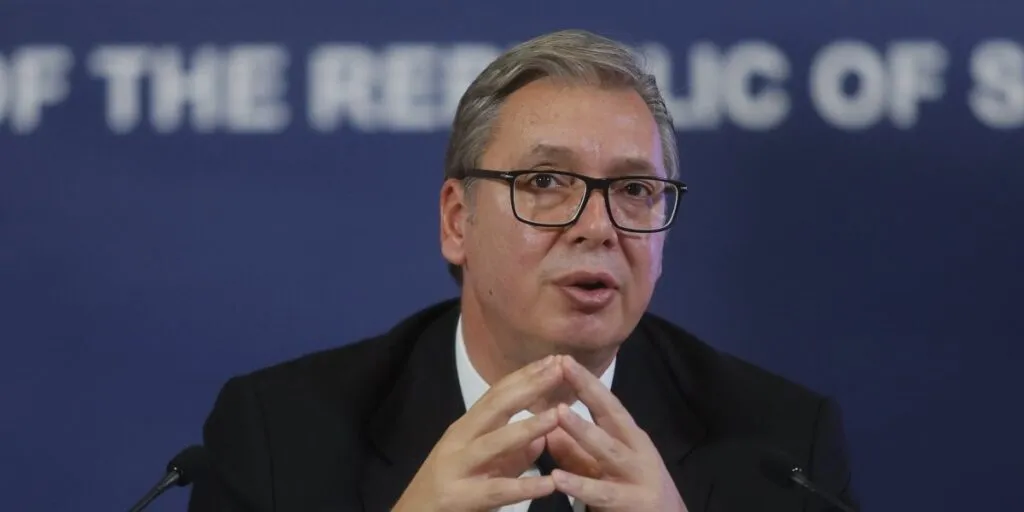
On RTS, on the programme "Thursdays at 9," Serbian President Aleksandar Vučić came out with a message that doesn't get spoken often in Serbian politics: "Anyone involved in protecting criminals has to go. We are not going to have a mafia police." Similar lines have come from dozens of such promises over the last twenty years - but this time it comes with concrete proposals.
"For us, there are no people who are above the law," Vučić added. A sentence that in the Serbian context means much more than its literal meaning. Given that in the last few months Serbia has faced several cases in which police officers were involved in protecting organised criminal groups - including the shocking murder of Aleksandar Nešović, whose body was found in a barrel and whose chief suspect is a former police officer - Vučić's proposal lands at the most sensitive moment.
The concrete reforms he announced: mandatory reporting of all police officer contacts with informants, and automatic dismissal of those who met with informants without filing a prior report. That's technical regulation that in theory should prevent the formation of "two-way" relationships between the police and organised crime - but in practice, anyone who has worked in these structures knows that a law without a built-in oversight system doesn't work.
The question is whether this is a political promise or a real reform. In the Serbian political system, the difference between the two has historically been very small. But the fact is that the Nešović case is a turning point: it isn't just one murder, it's a symptom of something bigger that everyone knows about, and nobody wants to say in public - that certain segments of the Serbian police have for years played both sides.
Will such a reform pass parliament? Maybe. Will it be implemented? That depends a great deal on who will have the political will to clash with the police unions - which in Serbia are fragmented, powerful, and have long-standing networks inside the penal apparatus. Vučić, who has the power to push the law forward, now has to prove he also has the will to keep it standing when his own structure pushes back.
The latest 10 news from this category
His bandmates spent years trying to convince him to get treatment. At the end of September a concert in Makarska...
More than 50 people at the entrance, children and folk dancers inside, shouts of "Kill the Serb" as they left....
Twelve people from the Novi Sad group and eleven who took part in incidents against protesters - pardoned four weeks...
At a dinner in Athens, while Romania was sinking into political crisis, the US ambassador reportedly said America could do...
The European average is 26.3 years, the Finnish one is 21. And they are not students - more than half...
The first police investigation found no irregularities. The second established unlawful and disproportionate force. The difference was made by footage...
The domestic regulator found the irregularities first, and then the story stopped. It took crossing a border for the same...
Two million people stood against twenty-seven states and the text never came out. A reminder that EU membership does not...
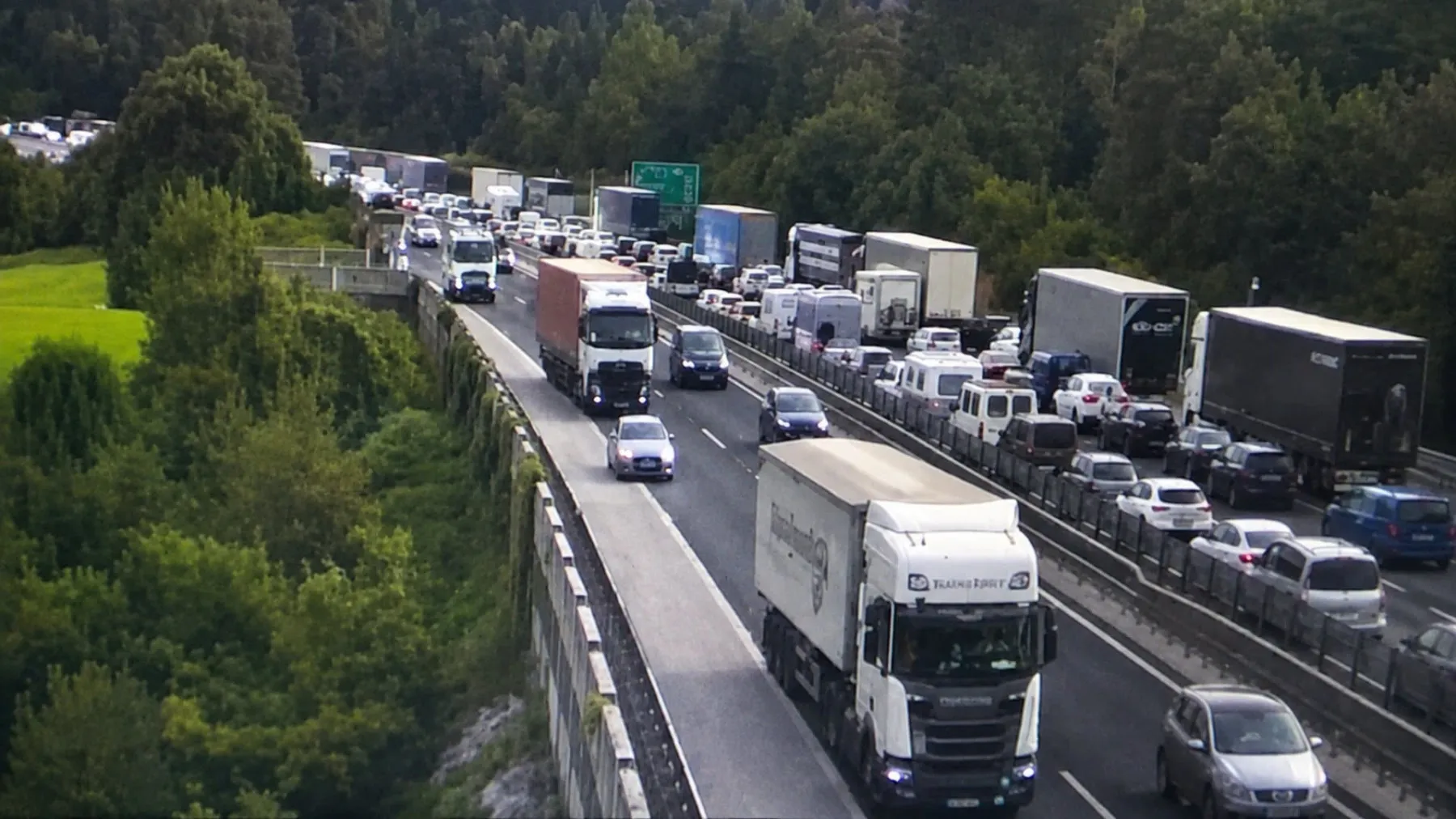
A lorry stopped in the hard shoulder with a breakdown, a car with five passengers and one impact in the...
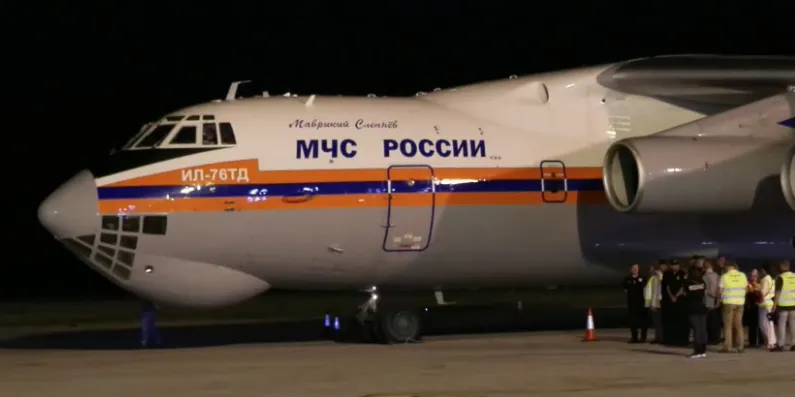
Forty-two tonnes of water per flight and one well-organised welcome on the runway in Niš. The fire in the Deliblato...
This site uses cookies - is that okay? Learn more
Be the first to know when Metla launches something new
Leave your email and we will write when there is a new guide or something new on Metla.