


Kratovo man stabs police officer mid-intervention: prosecutors want the 40-year-old detained
15.09.2026


15.09.2026

15.09.2026
15.09.2026
15.09.2026
15.09.2026

15.09.2026

15.09.2026

14.09.2026
13.09.2026

15.09.2026

15.09.2026

14.09.2026

15.09.2026

15.09.2026

15.09.2026

15.09.2026

14.09.2026
13.09.2026

15.09.2026

15.09.2026

15.09.2026

15.09.2026

15.09.2026

14.09.2026

09.03.2026

27.02.2026

19.02.2026

15.09.2026

14.09.2026

14.09.2026

23.04.2026

23.04.2026

12.04.2026

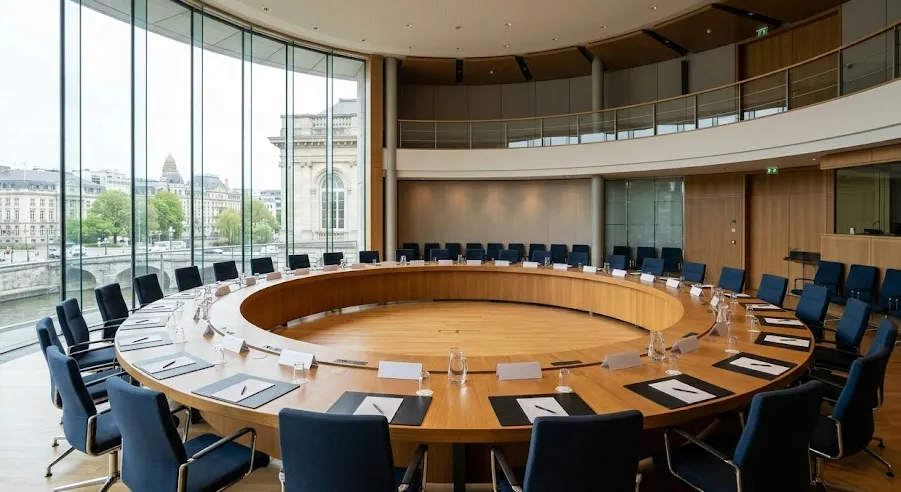
Hungarian Prime Minister Peter Magyar, leader of the TISA party after the April elections, proposes expanding the Visegrad Group from four to eight members - and among those invited is Croatia. The idea sounds flattering for Zagreb, but analysts immediately notice „a small, uncomfortable situation".
At a meeting with German Chancellor Friedrich Merz in Berlin, Magyar announced that at the Visegrad Four summit on 23 June he will propose an invitation to Austria, Germany, Croatia, Slovenia and Romania. „To build a strong Central Europe together," he said.
Political analyst Davor Đenero says Croatian membership would give it disproportionate influence in the European Council - but that is exactly where the complications begin.
The core of the problem is the rivalry between Brussels and Washington. Many of the proposed members have special relations with the US: Poland, Austria, the pro-Trump Slovak Prime Minister Robert Fico, the Trump-leaning Czech Andrej Babiš. Where would Croatia place itself in that divide - with Brussels or with Washington?
Further unknowns are Magyar's energy policy, Hungary's stance on the gas pipelines, and the relations of Janez Janša's new government in Slovenia toward the US and Israel. „The Visegrad Group offers significant advantages, but caution is the mother of wisdom," Đenero concludes.
For the Balkan reader, this is a familiar choice with no good answer - leaning toward one bloc means angering the other. Small states in Central and Southeast Europe forever play on that wire: close enough to the powerful to gain, cautious enough not to become someone's pawn. The question is only whether Croatia will know how to hold the balance - or be pushed into a choice it does not want.
The latest 10 news from this category

The domestic regulator found the irregularities first, and then the story stopped. It took crossing a border for the same...
Two million people stood against twenty-seven states and the text never came out. A reminder that EU membership does not...
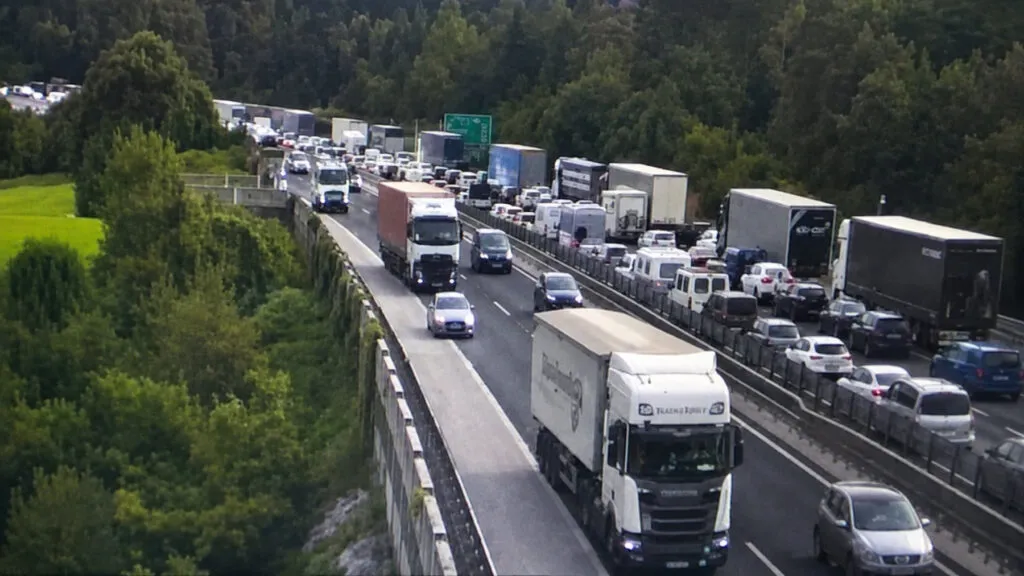
A lorry stopped in the hard shoulder with a breakdown, a car with five passengers and one impact in the...
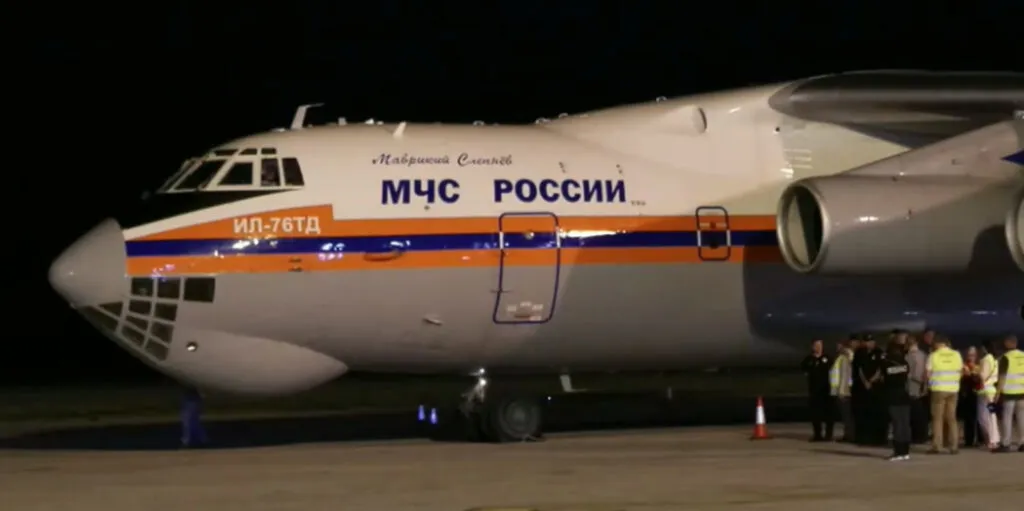
Forty-two tonnes of water per flight and one well-organised welcome on the runway in Niš. The fire in the Deliblato...
Seven times since 2015, and one trip ended less than two months before the invasion of Ukraine. SOVA says it...
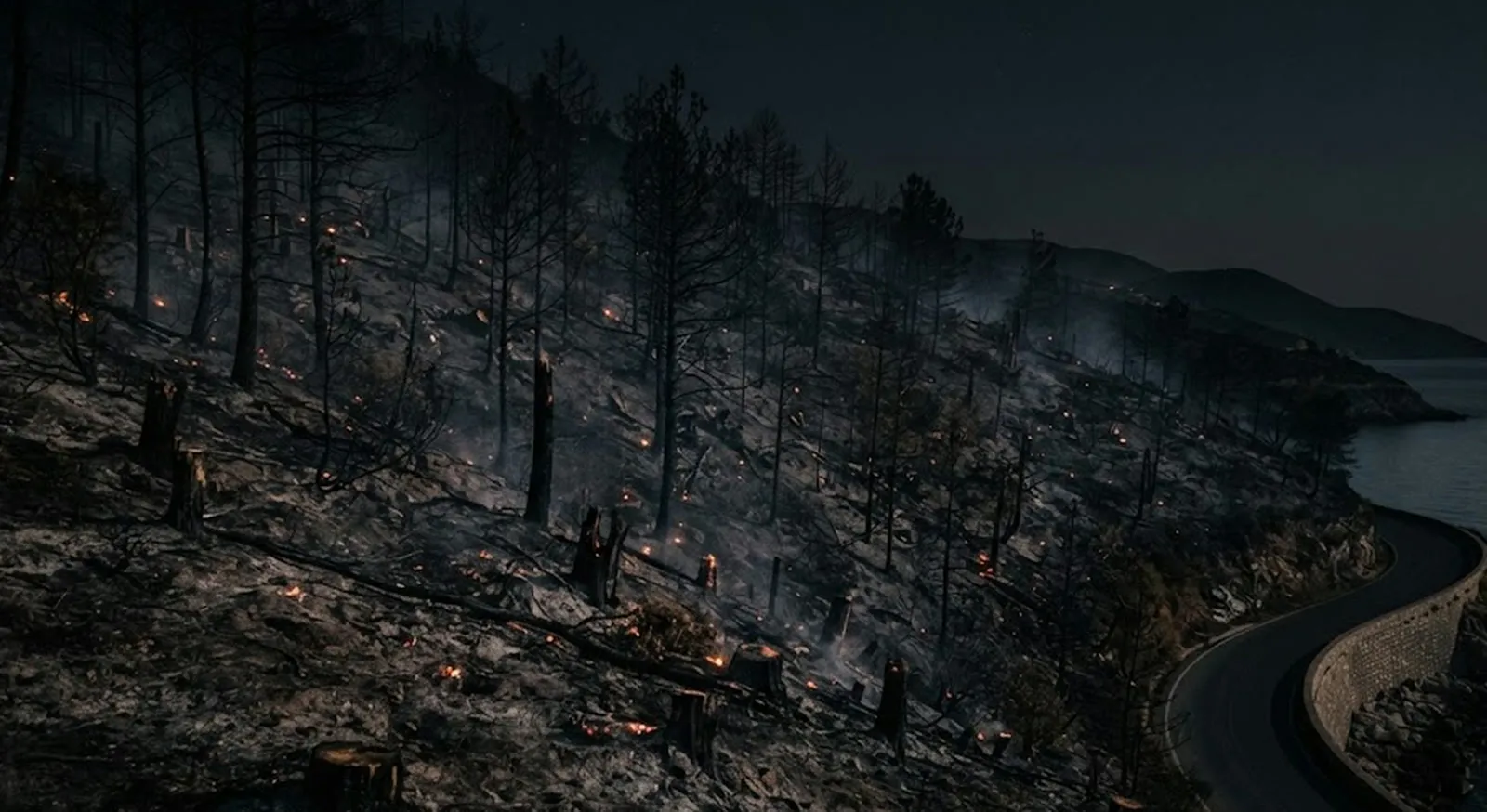
194 people evacuated by boat, 36 injured, one body found in the burnt area. Mobile phones in the zone stayed...
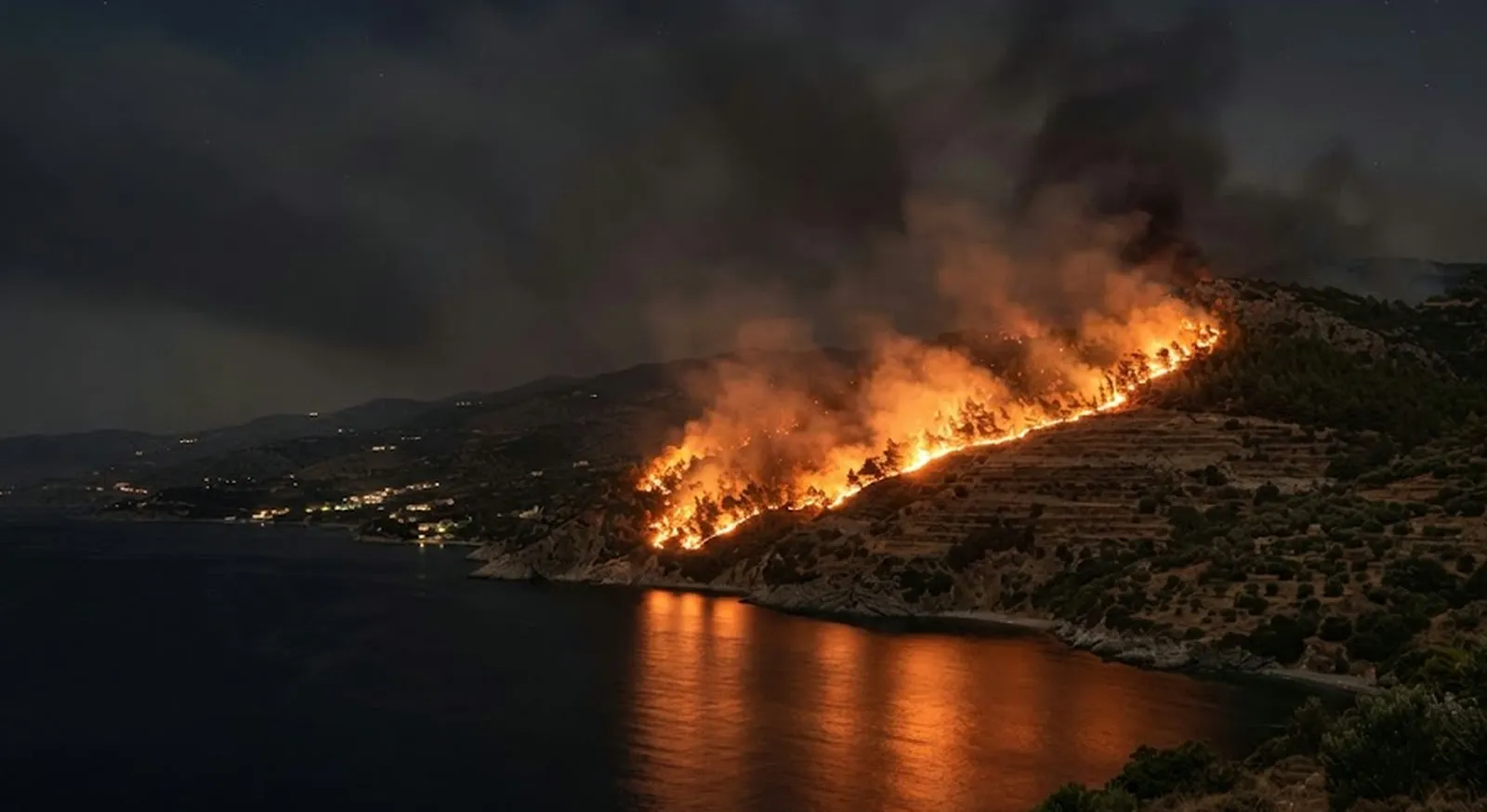
Driven by a strong night wind, the flames covered the distance from Mimice to Omiš in two hours. The question...
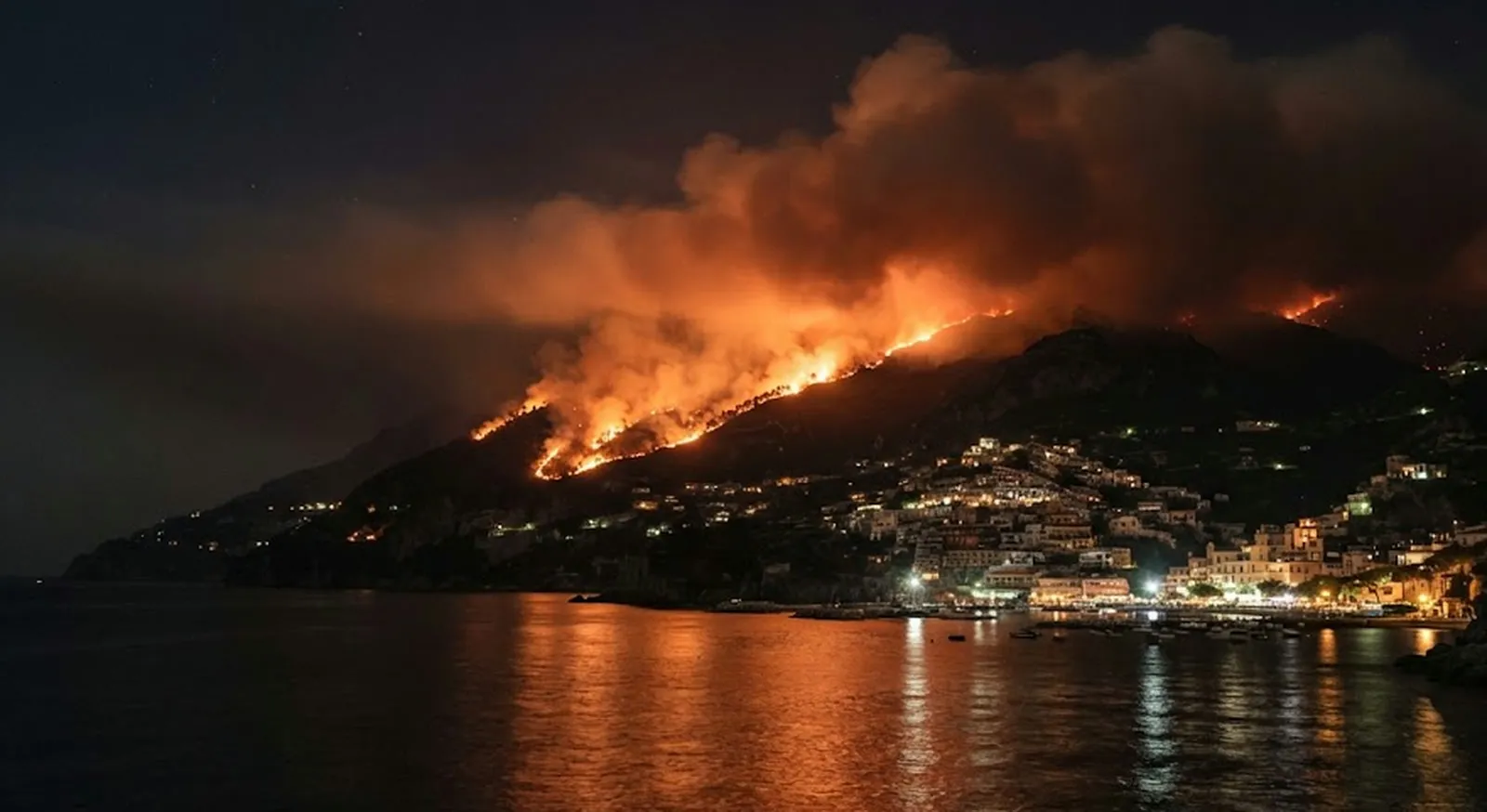
The flames reached fifty metres from the centre and people fled by boat because the coastal road was shut. A...
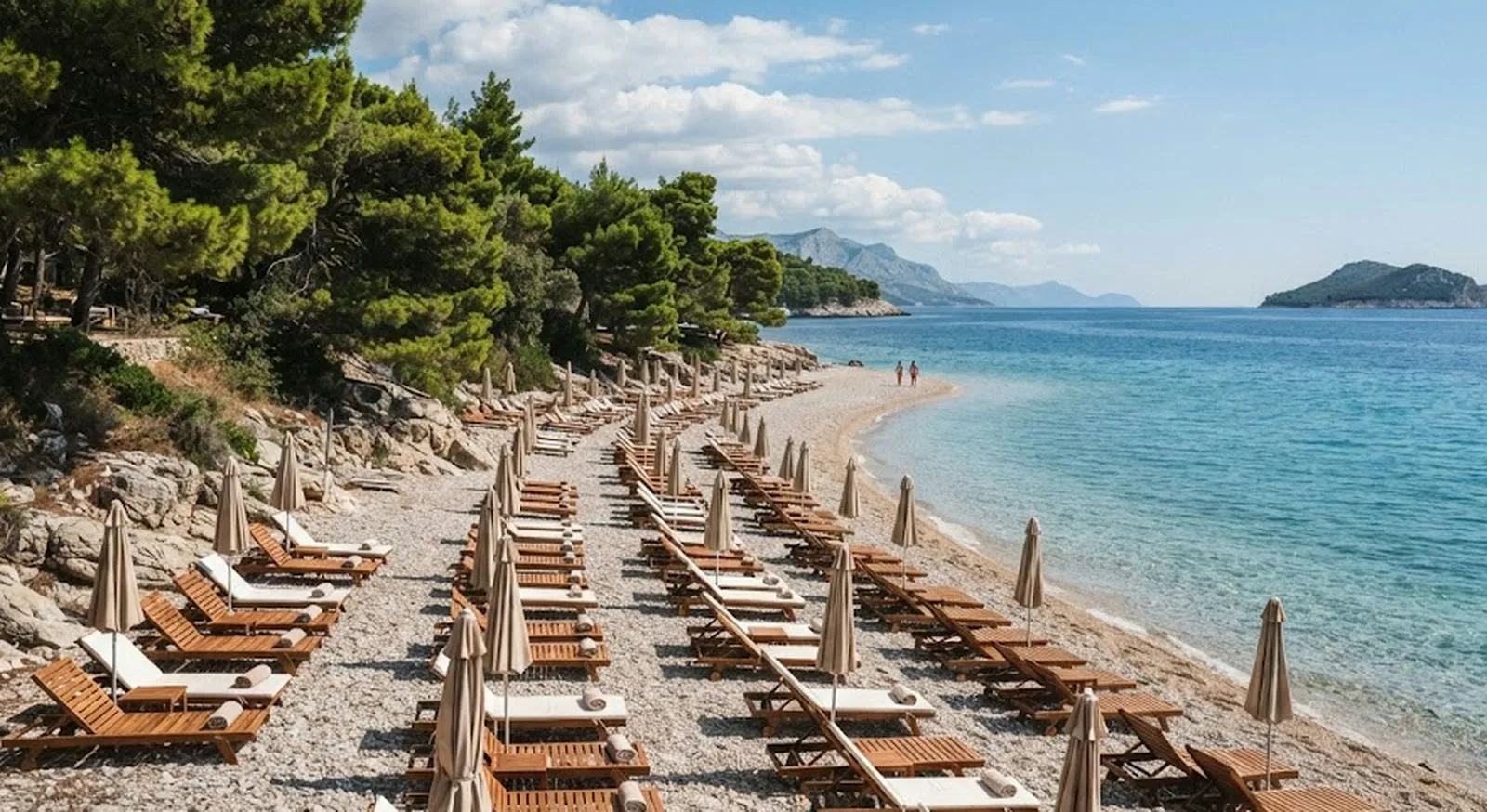
Croatian statistics record a 6.6 percent drop in June, and nearly a third fewer overnight stays from its most important...
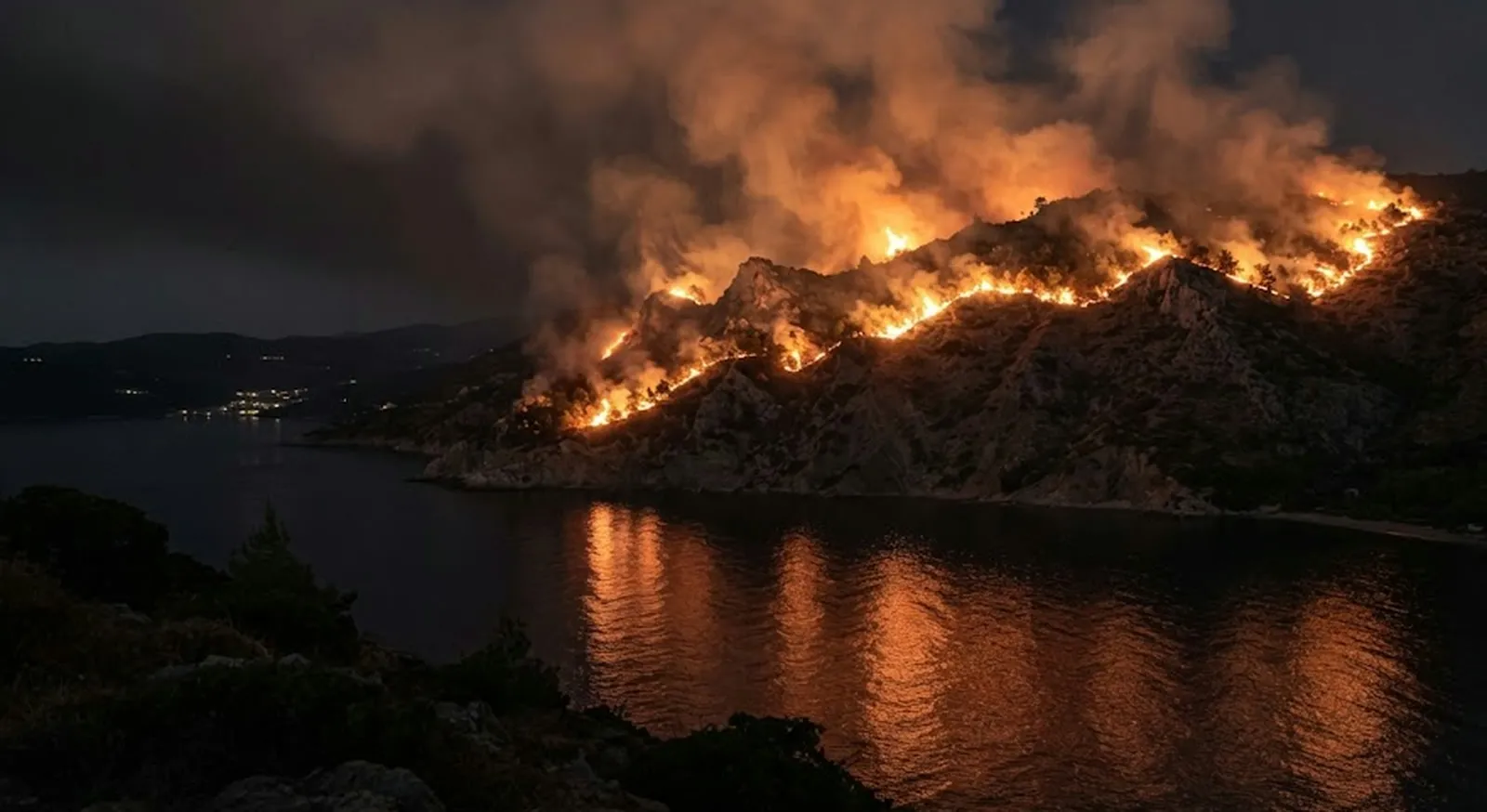
Bijela and Baošići lost power and water while the fire spread along the power line. The number two - that...
This site uses cookies - is that okay? Learn more
Be the first to know when Metla launches something new
Leave your email and we will write when there is a new guide or something new on Metla.
