
Kratovo man stabs police officer mid-intervention: prosecutors want the 40-year-old detained
15.09.2026


15.09.2026

15.09.2026
15.09.2026
15.09.2026
15.09.2026
15.09.2026
15.09.2026
14.09.2026
13.09.2026

15.09.2026

15.09.2026
14.09.2026
15.09.2026
15.09.2026

15.09.2026
15.09.2026
14.09.2026
13.09.2026
15.09.2026

15.09.2026
15.09.2026

15.09.2026

15.09.2026

14.09.2026

09.03.2026

27.02.2026

19.02.2026

15.09.2026
14.09.2026
14.09.2026

23.04.2026

23.04.2026

12.04.2026

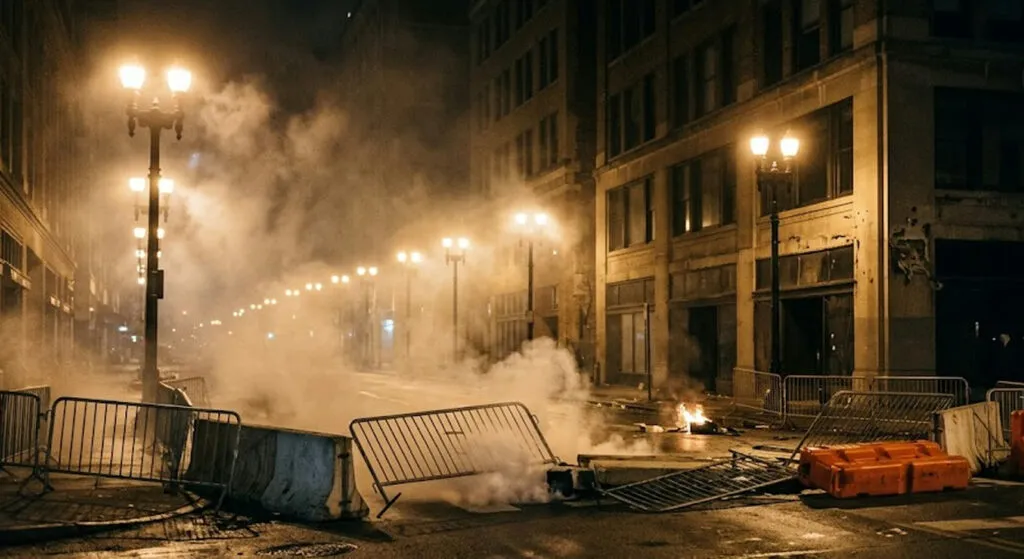
Tirana is on fire - literally. On Friday evening, in front of the Albanian parliament, police clashed with demonstrators from the opposition Democratic Party, who are demanding the resignation of Prime Minister Edi Rama. The split is no longer just political - Molotov cocktails, flares and torches flew at the gendarmerie lines, while water cannon and tear gas opened the crowd up.
The trigger is summed up in one line by one of the demonstrators: "This government has integrated crime into power. Look how many mayors, ministers and MPs have been indicted." A question that in Albania is no longer rhetorical - it's a statistic.
The crisis escalated in December when the prosecutor's office indicted Belinda Balluku, a close adviser to Rama, for tender fraud. Parliament blocked the lifting of her immunity, and that cemented the public impression that the political class protects its own. Rather than fall before justice, those with immunity hide behind the institutions they control.
For the Balkan viewer, this is a film we've already seen. Skopje 2016, Belgrade 2024, Sarajevo 2018 - different countries, same structure. A corrupt elite shielded by parliamentary arithmetic, an opposition forced into the streets, police standing in the middle. The question citizens are asking in every language is the same: "If we're the ones paying tax, then who answers for us when nobody thinks about us?"
Albania is supposed to be in the EU by 2030. This is the test: will Brussels be satisfied with formal box-ticking, or will it force them to find a way to deal with the hidden networks of power. The question in Tirana is being asked now, in the street, with burning bottles. The question in Skopje and Belgrade is being asked more quietly - but it's the same one.
The latest 10 news from this category
The domestic regulator found the irregularities first, and then the story stopped. It took crossing a border for the same...
Two million people stood against twenty-seven states and the text never came out. A reminder that EU membership does not...
A lorry stopped in the hard shoulder with a breakdown, a car with five passengers and one impact in the...
Forty-two tonnes of water per flight and one well-organised welcome on the runway in Niš. The fire in the Deliblato...
Seven times since 2015, and one trip ended less than two months before the invasion of Ukraine. SOVA says it...
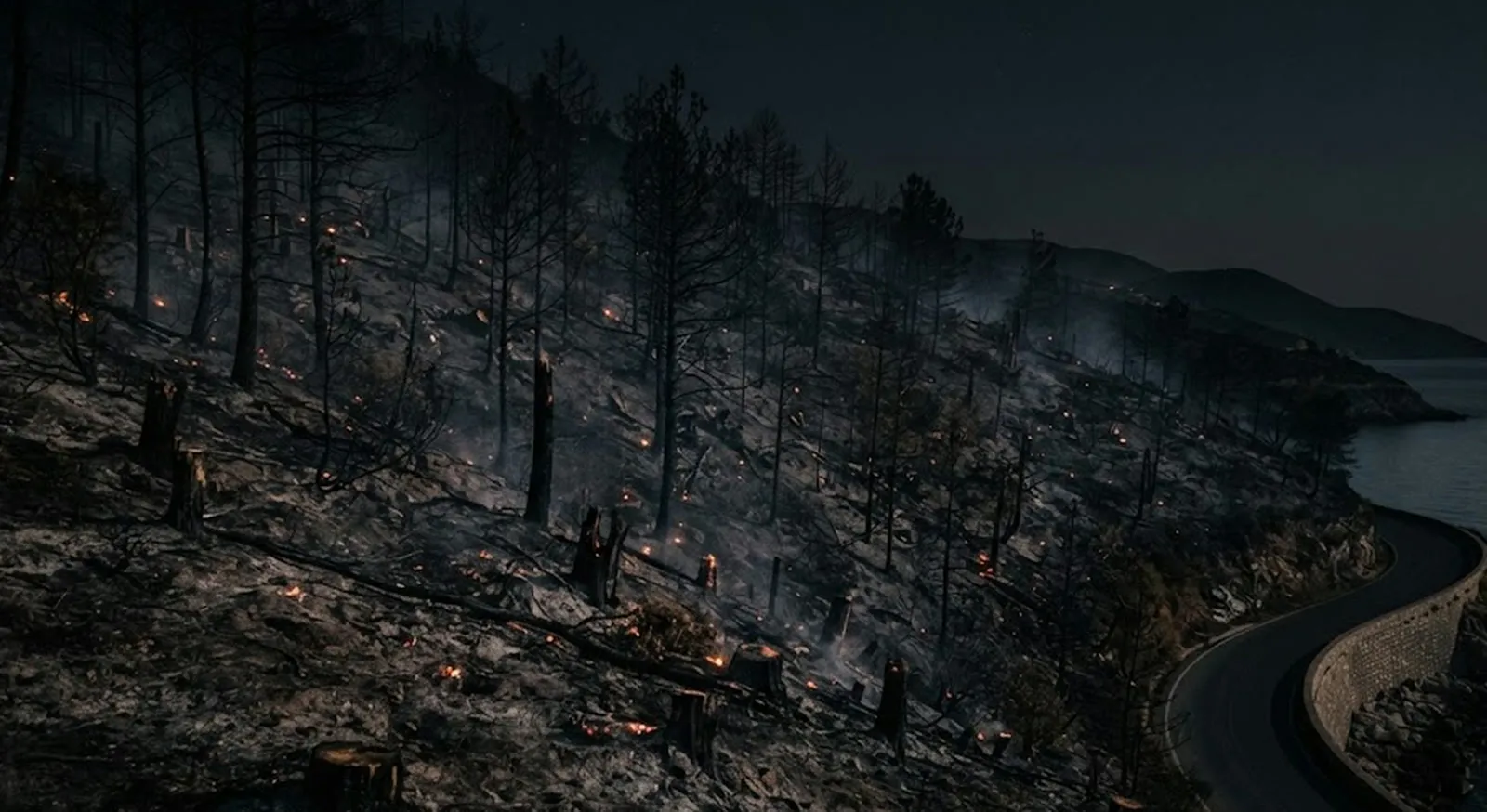
194 people evacuated by boat, 36 injured, one body found in the burnt area. Mobile phones in the zone stayed...
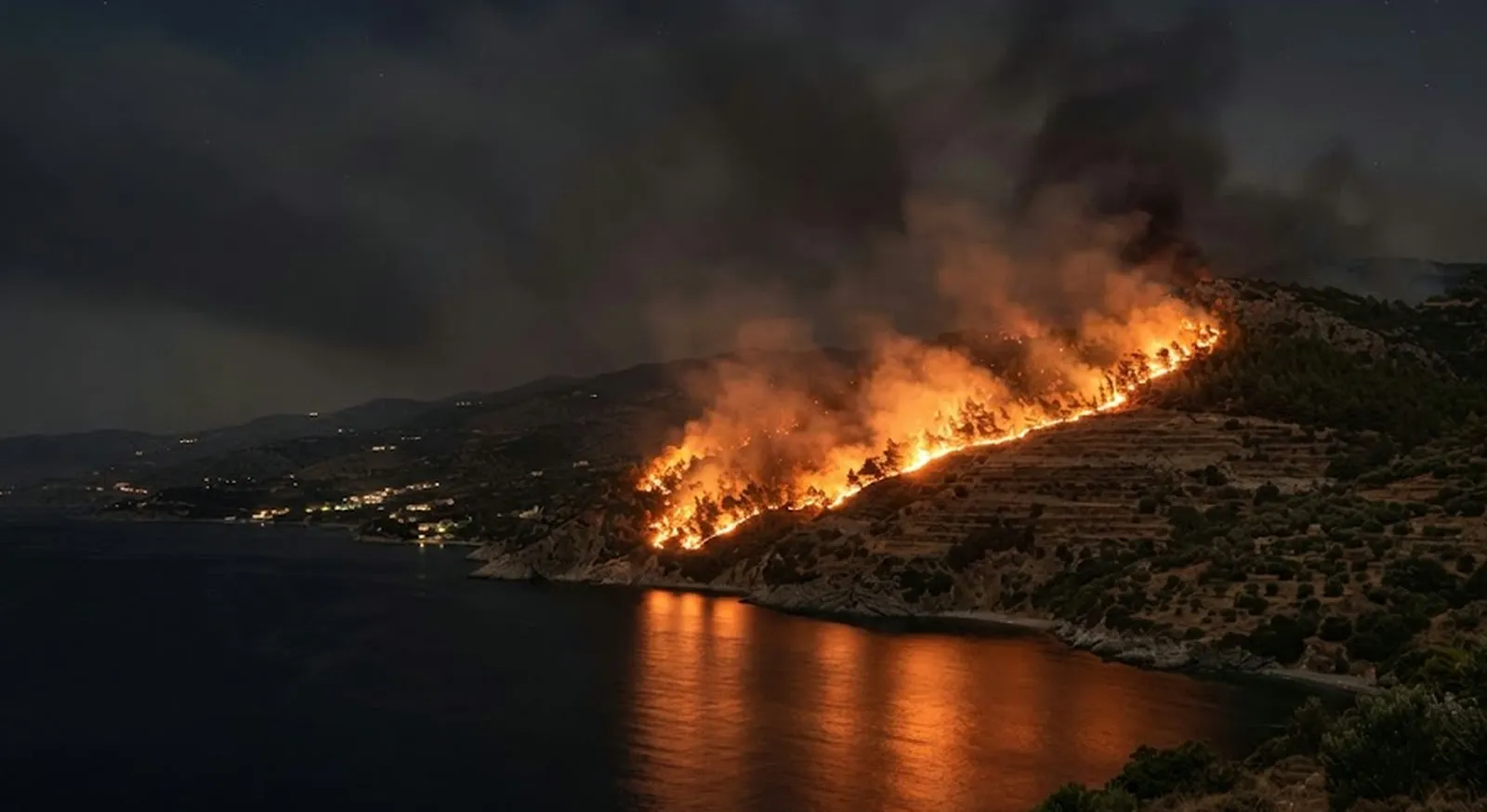
Driven by a strong night wind, the flames covered the distance from Mimice to Omiš in two hours. The question...
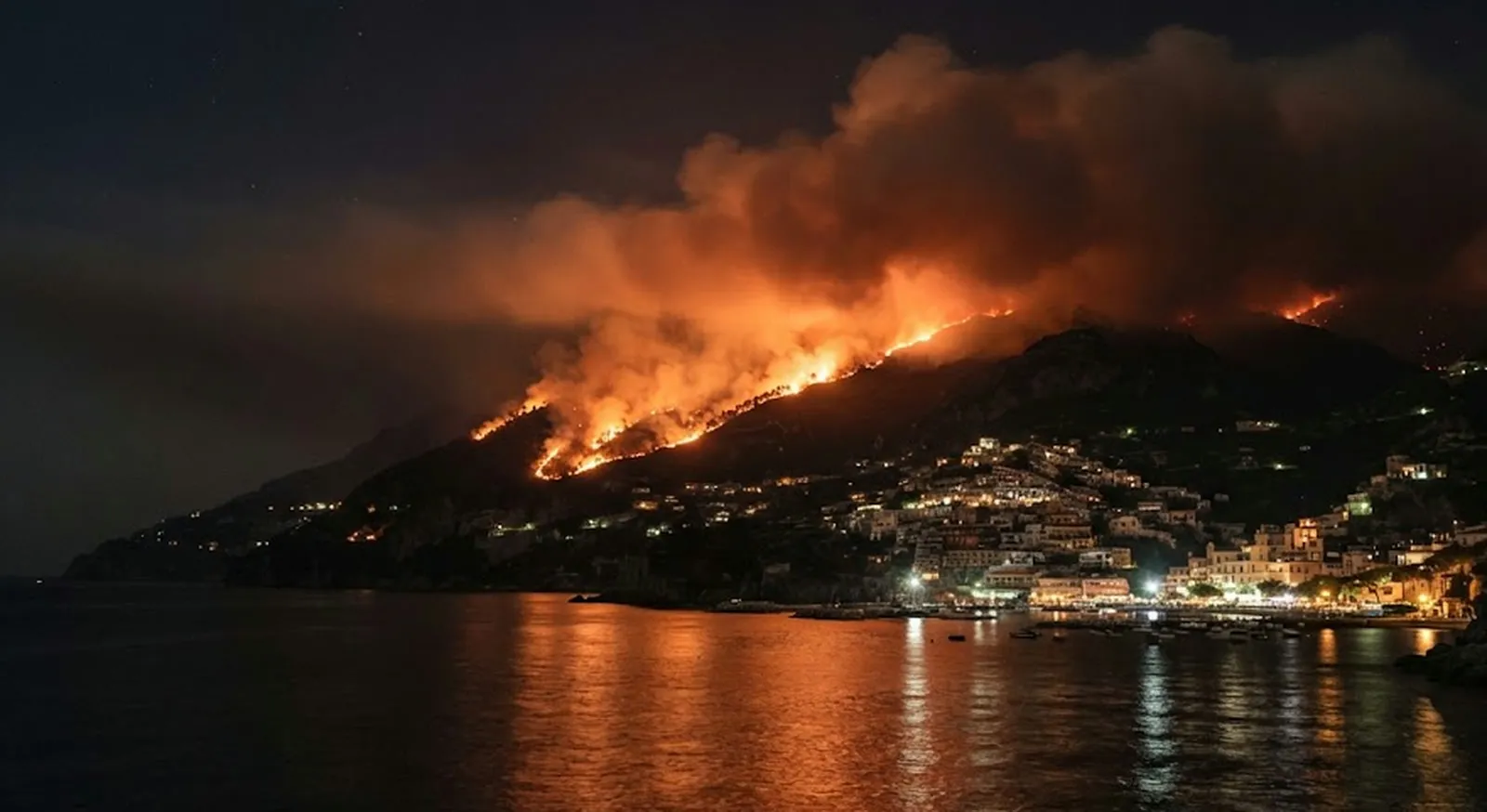
The flames reached fifty metres from the centre and people fled by boat because the coastal road was shut. A...
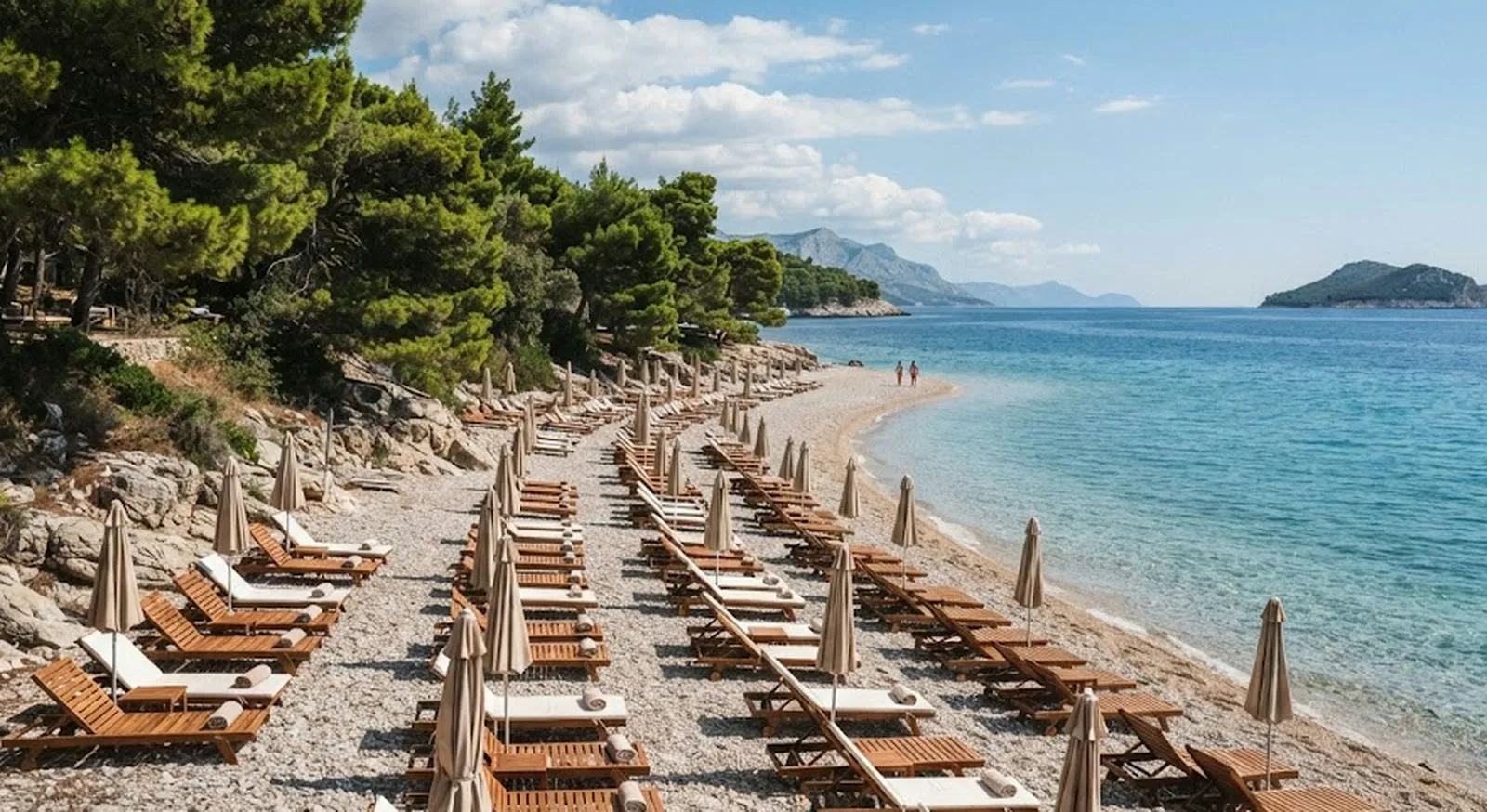
Croatian statistics record a 6.6 percent drop in June, and nearly a third fewer overnight stays from its most important...
Bijela and Baošići lost power and water while the fire spread along the power line. The number two - that...
This site uses cookies - is that okay? Learn more
Be the first to know when Metla launches something new
Leave your email and we will write when there is a new guide or something new on Metla.
