


Over 20 shops burned down in Suto Orizari: 15 firefighters and three and a half hours fighting the blaze at 3am
12.09.2026


12.09.2026

12.09.2026

12.09.2026

12.09.2026

12.09.2026

12.09.2026

12.09.2026

11.09.2026

10.09.2026

12.09.2026

12.09.2026

11.09.2026

12.09.2026

12.09.2026

12.09.2026

12.09.2026

11.09.2026

10.09.2026

12.09.2026

12.09.2026

12.09.2026

12.09.2026

12.09.2026

11.09.2026

09.03.2026

27.02.2026

19.02.2026

12.09.2026

11.09.2026

10.09.2026

23.04.2026

23.04.2026

12.04.2026

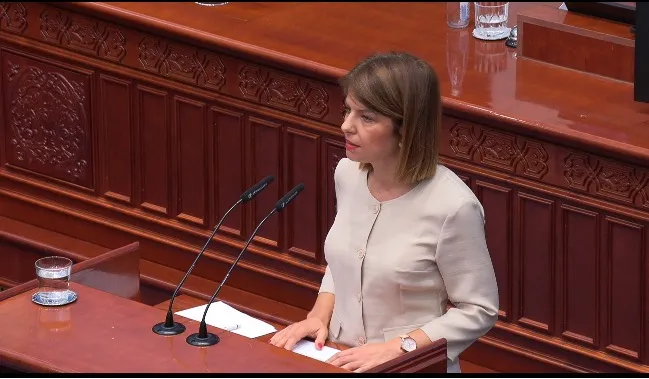
One summer, 58 confirmed cases and 8 deaths. From 2011 to 2025, fourteen years combined - 54 cases and 5 deaths. Those are the figures MP Sanja Lukarevska took into parliament when she put her first question to Health Minister Saso Klekovski.
One summer has outstripped the entire previous decade and a half. That is not a statistical detail - it is a change in reality.
The question was about children
Lukarevska asked whether urgent inspections had been carried out in school yards and their surroundings, whether standing water where mosquitoes breed had been removed, whether the public health institute and the municipalities had inspected and treated school premises, whether there are screens on windows and doors, and whether parents and pupils have been informed about periods of risk.
She pointed out that the protocol for the start of the school year contains no specific measures against mosquito-borne transmission, and that the five municipalities with a declared epidemic - Aerodrom, Kisela Voda, Butel, Gazi Baba and Ilinden - are acting inconsistently.
The answer was about age
Klekovski replied that all necessary measures had been taken in good time, including emergency disinsection in the municipalities with a declared epidemic. The key sentence was: "The youngest infected patient was 25 years old and we have not had a single case under 25, and accordingly no special protective measures were taken." Pupils, according to the minister, are not a risk group. The focus is on citizens over 60, where the risk is highest.
The minister added that the virus is unpredictable and the number of cases cannot be tied directly to the intensity of spraying alone.
Six patients are currently hospitalised in serious condition, two of them on ventilators.
The logic that does not hold all the way
The minister's argument is epidemiologically correct - severe cases really do hit older people. But he is answering a question that was not asked. Lukarevska did not ask whether children would end up on ventilators. She asked whether there is a protocol for when the building in which they spend six hours a day sits in a municipality with a declared epidemic.
Removing standing water from a school yard is not a measure to protect pupils - it is a measure to reduce the mosquito population in a neighbourhood where those same over-60s live, the group the minister called the most at risk. The yard is not sealed off from the neighbourhood.
Eight people dead in one summer. That is a figure that calls for a plan, not an explanation of why no plan was needed.
The latest 10 news from this category
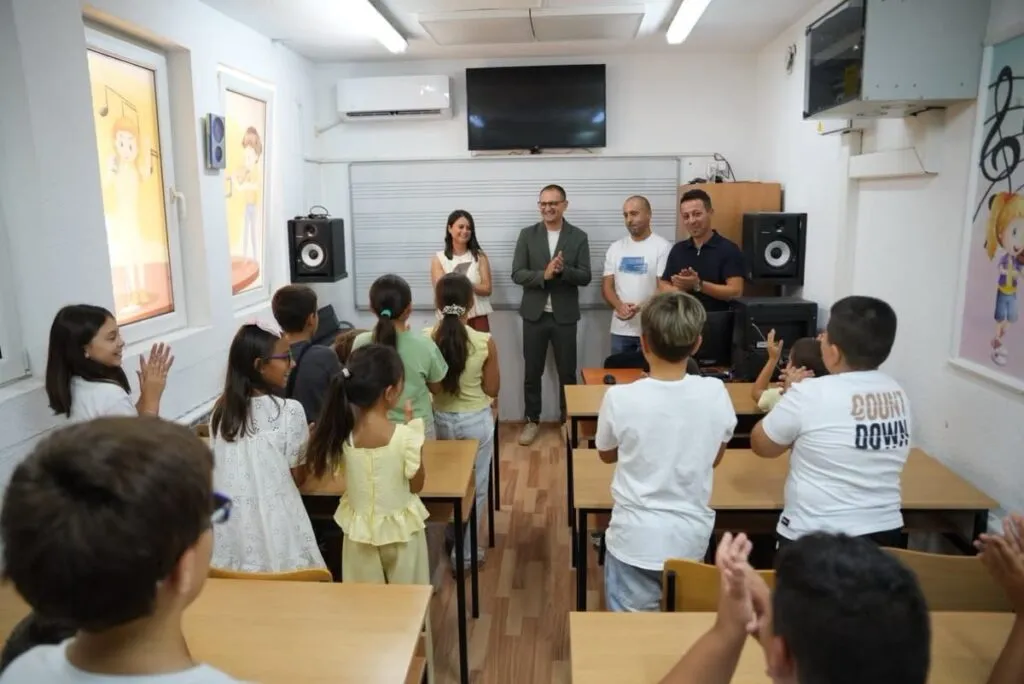
Eighty children do not simply appear out of nowhere. The question no ceremony answers is whether there are enough instruments...
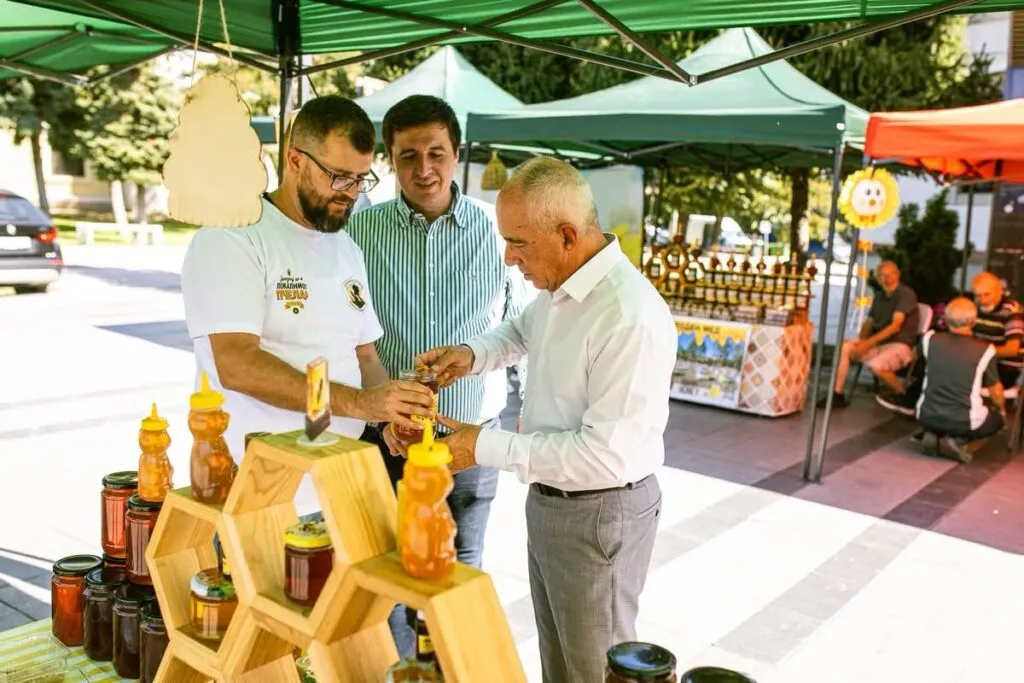
When you buy honey from the man who tells you which village it came from, you bypass the entire trade...
Any citizen can submit a nomination. That is exactly where these competitions either come alive or become an internal affair...
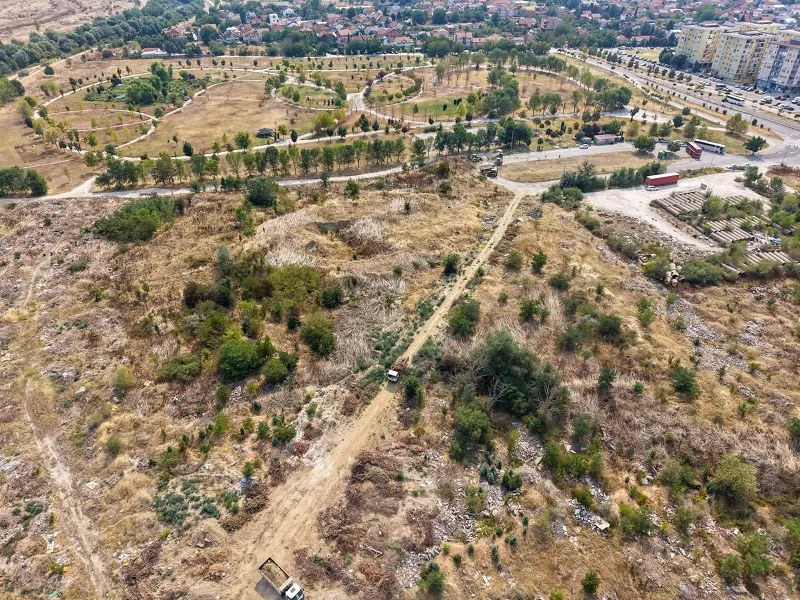
For five years after the promise, the dump stayed a dump. The two neighbouring parks tell the story that comes...
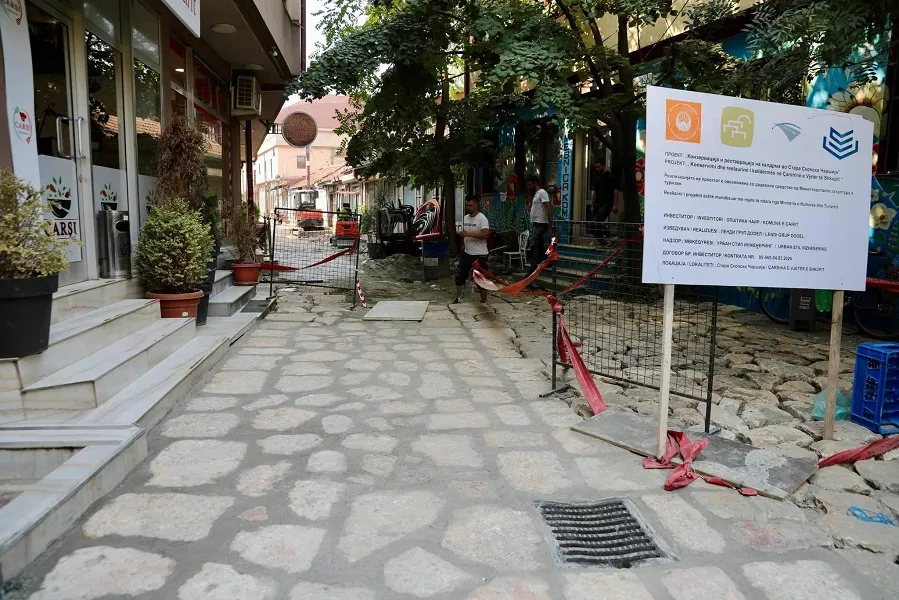
The most visited historic space in Skopje waited fifty years for someone to replace the pipe under the cobblestones. The...

There is a route, there is a presentation and there is agreement that the road is needed. There is no...

The awards are not handed out by institutions alone - associations and ordinary citizens can nominate too. If nobody writes...

The children at "Gjorgji Sugarev" got better conditions and that counts. But when inclusion depends on a foreign fund, the...

The village kept the stone slabs above the altar and lit candles there for decades, even though not a single...

From 2011 to the end of 2025, 54 confirmed cases in total. In 2026 alone - 58, with eight deaths....
This site uses cookies - is that okay? Learn more
Be the first to know when Metla launches something new
Leave your email and we will write when there is a new guide or something new on Metla.
