
Six Years of Fake Licence Categories Issued From an Interior Ministry Desk: Six Charged, 21 More Under Investigation
21.09.2026


21.09.2026

21.09.2026

21.09.2026

21.09.2026

21.09.2026

21.09.2026

21.09.2026

20.09.2026

20.09.2026

21.09.2026

21.09.2026

20.09.2026

21.09.2026
21.09.2026

21.09.2026

21.09.2026

20.09.2026

19.09.2026

21.09.2026

21.09.2026

21.09.2026

21.09.2026

21.09.2026

21.09.2026

09.03.2026

27.02.2026

19.02.2026

21.09.2026

21.09.2026

20.09.2026

23.04.2026

23.04.2026

12.04.2026


Every summer, the same scene: someone slathers on self-tanner to look like they're back from holiday, and wakes up the next morning with a strange orange shade more like a carrot than a tan. It's not magic, and it's not bad luck - behind it is concrete chemistry, and once you understand it, the mistake is easy to avoid.
The active ingredient in almost all self-tanners is DHA (dihydroxyacetone). According to one cosmetologist, it reacts with the amino acids in the skin's surface layer through the so-called Maillard reaction - the same one that makes bread brown when baking - creating brown pigments. The color develops gradually, between 4 and 24 hours, and lasts until the skin naturally renews itself, usually five to seven days.
So why does it sometimes come out orange? The culprit is a few factors: too high a concentration of DHA, especially on fair skin; a poor-quality formula; and the most common mistake - uneven application on dry skin or where there are old, flaking cells. The product "grabs" more strongly in those spots, and that's where the blotches come from.
The solution is in the preparation, not the product. Exfoliate the skin gently a day or two earlier, but not right before applying. Avoid retinoids and strong acids before use, and make sure the skin is well hydrated. Apply evenly, to all areas equally. And finally - not every self-tanner is the same: the good ones combine DHA with hydrating ingredients and pH regulators. A tan without the sun is possible; it just takes a bit more care than the ads admit.
The latest 10 news from this category

Three days in a lab coat with colorimetry scientists to produce a collection in lime and tangerine. The design director...
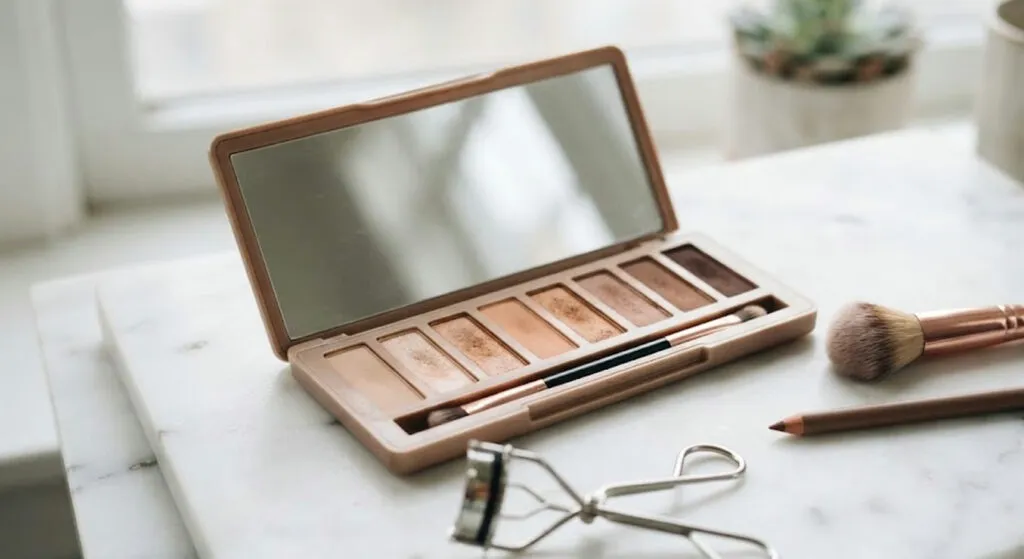
Cream concealer instead of powder, a brown pencil instead of black eyeliner, and a curler before the mascara. Not one...
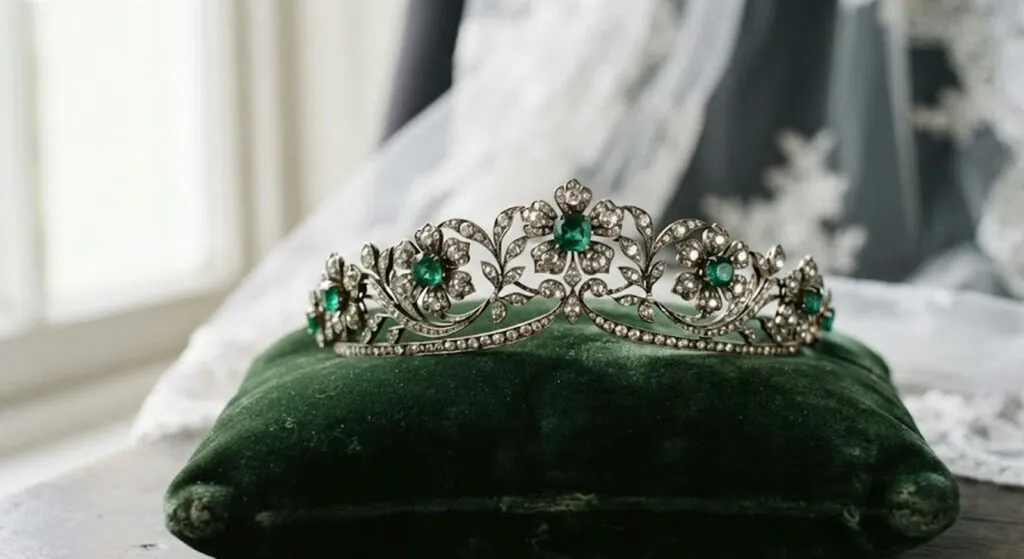
A boat-neck gown and wildflowers that deliberately refuse to compete with the jewellery. A fourth generation under the same diadem,...
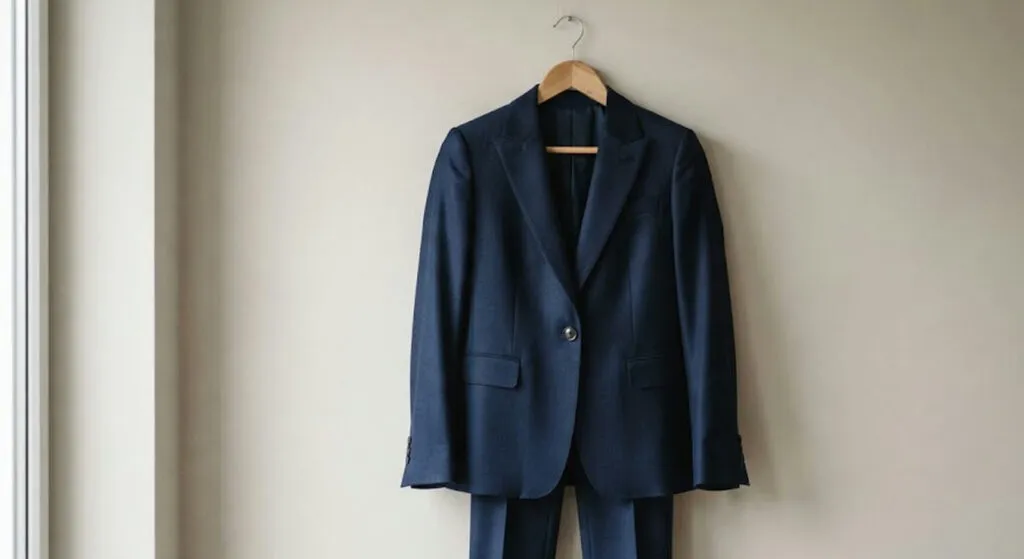
A communications expert says the trouser suit sidesteps sexist readings of hemlines and necklines. The same expert warns that the...

Dermatologists explain why the shedding arrives with a two to three month delay and why iron and vitamins do not...
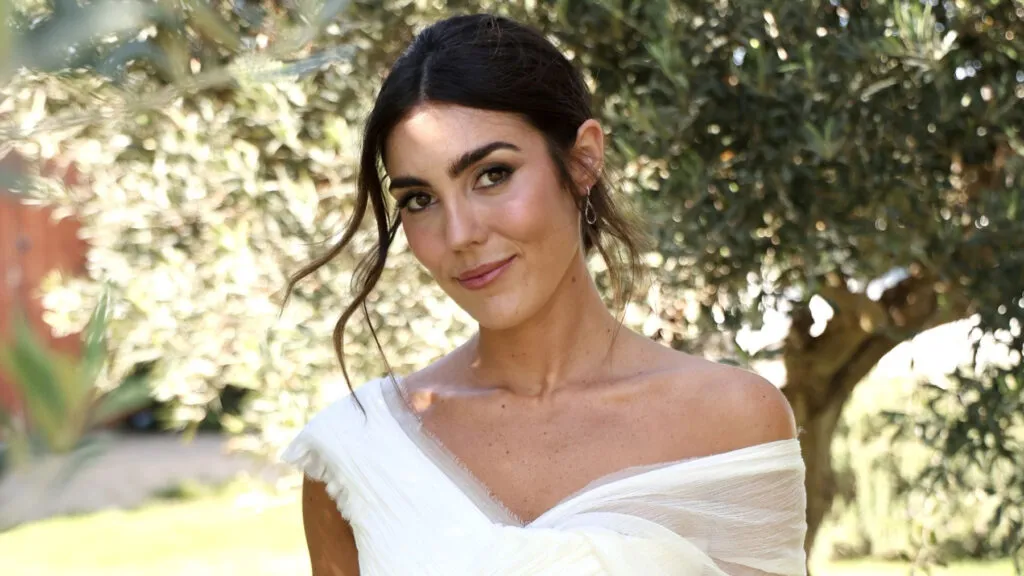
Silk bambula muslin, a hand-draped waist and a veil of crystal organza. The wedding was held in Cadiz, where the...

An industry that spent decades selling a flawless illusion is suddenly showing the shoot itself. That is not candour -...

The classic bob promised one perfect day. This version works against the salon business model - and that alone is...

The crowns were held by four men who would all later sit on thrones of their own. Nobody in that...

Kate Middleton dropped the beige and the same cut suddenly looked twice as expensive. The industry sells a new silhouette...
This site uses cookies - is that okay? Learn more
Be the first to know when Metla launches something new
Leave your email and we will write when there is a new guide or something new on Metla.