"Being careful" is Macedonia's most-used contraceptive: 43.9% of couples, against 14% using a modern method
28.09.2026


28.09.2026

28.09.2026

28.09.2026

28.09.2026
28.09.2026

28.09.2026

28.09.2026

27.09.2026

27.09.2026

28.09.2026

28.09.2026

27.09.2026

28.09.2026

28.09.2026

28.09.2026
28.09.2026

27.09.2026
26.09.2026

28.09.2026
28.09.2026

28.09.2026

09.03.2026

27.02.2026

19.02.2026
28.09.2026
27.09.2026
27.09.2026

23.04.2026

23.04.2026

12.04.2026

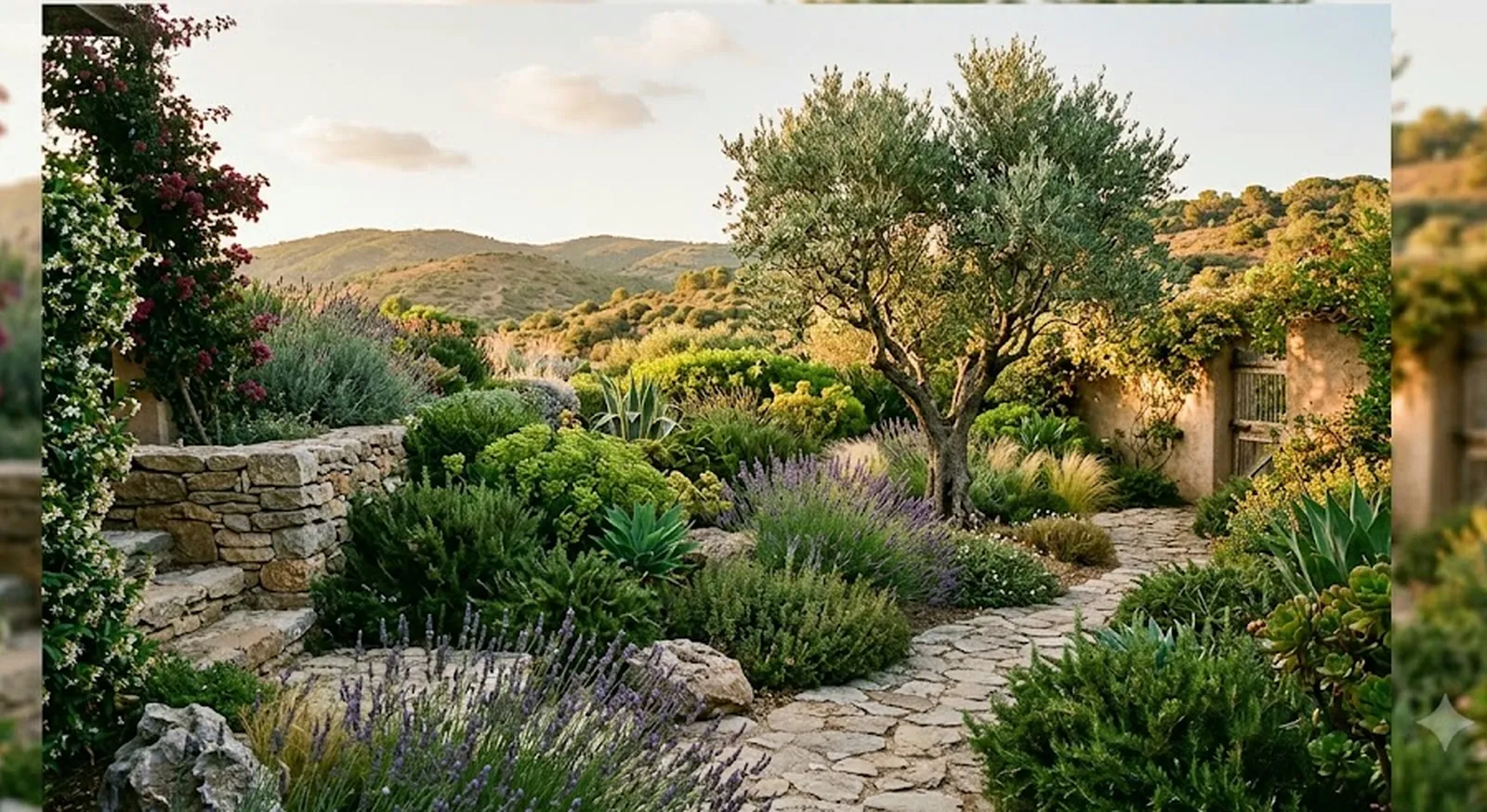
A garden looks like the easiest thing in the world - you buy plants, you plant them, and you're done. And that very ease is the first trap. The Spanish landscape architect Ignacio Ribera, founder of the Landscape Academy, lists a long string of mistakes people make - and most happen before a single plant is even in the ground.
The most common mistake is buying plants with no plan. You go to a nursery, something catches your eye, you take it - and so on, by impulse and by trends. „The result is a sum of impulses, not a place with coherence," Ribera says. Before you pick a single plant, you have to know what the garden is for and what you want it to be.
The second mistake is wiping out everything that's already there. People level slopes, rip out old vegetation and destroy the natural character of the terrain just to make something brand new. And, as Ribera says, „what already exists can be the best foundation to work from." The slope, the old tree, the natural incline - those are advantages, not obstacles.
The third misconception is that a lawn and clipped hedges are maintenance-free. Quite the opposite - they demand a lot of water, constant mowing and trimming. Climate-adapted plants are far more sustainable than a perfect green carpet that needs constant care. And artificial grass is an even worse idea: it overheats, breaks down faster than natural materials and has no ecological benefit. „The garden should be the place where we give back what the city takes from us," the architect reminds us.
Many also go wrong when they reach for oversized, already-grown plants to get a quick effect. Younger saplings adapt better, develop stronger roots and look better in the long run. A garden is patience, not an instant result.
Tied to patience is the mistake of orienting everything toward summer. If you choose plants that flower and look interesting only in the warm months, the garden looks dead nine months a year. Ribera advises spreading out the bloom times, textures and moments of interest so the garden has something to offer in every season.
Common too is the trap of copying someone else's style without adapting it. An English or Mediterranean garden transplanted regardless of the local climate, terrain and house rarely succeeds. „The place always wins," Ribera says. Inspiration is good, but it has to be translated to your own conditions - sun exposure, the winds, the soil type.
Related to this is poor plant selection in general. When you pick species that don't suit the climate and conditions, you get higher water use, more pests and constant maintenance headaches. The right choice reduces every one of those troubles.
When it comes to trees, the mistake is twofold: people either plant them too close to the house, or avoid them entirely out of fear. Ribera explains that the volume of the roots usually matches the volume of the canopy - so you should calculate how big the tree will grow and leave an appropriate distance, rather than blindly believing every root will destroy the foundations.
Lurking below the surface are drainage and soil behaviour - something almost nobody plans for. How the water flows, where it pools, what happens to the terrain in ten years - all of it should be studied in advance. Related is the irrigation mistake: frequent, shallow watering by old farming habit creates shallow roots. Less frequent but deeper watering is better, making plants drought-resistant.
Even lighting has its pitfalls. Lights that are too strong and too many create harsh shadows and light pollution. „The night has its own beauty; excessive lighting simply destroys it," Ribera says. Subtle, distributed light that marks the paths and highlights individual elements is better.
But the costliest mistake of all is the most invisible: skimping on design. When you cut corners at the planning stage - on drainage, on hidden infrastructure, on the concept itself - the bill comes later, and higher. Repairing buried pipes and systems requires digging up and replanting, which costs many times more. As the architect concludes: „The worst mistake in making a garden is skimping on design, because in the end you pay for it through maintenance." A garden, like everything else, gives back the money you didn't invest at the start - with interest.
The latest 10 news from this category
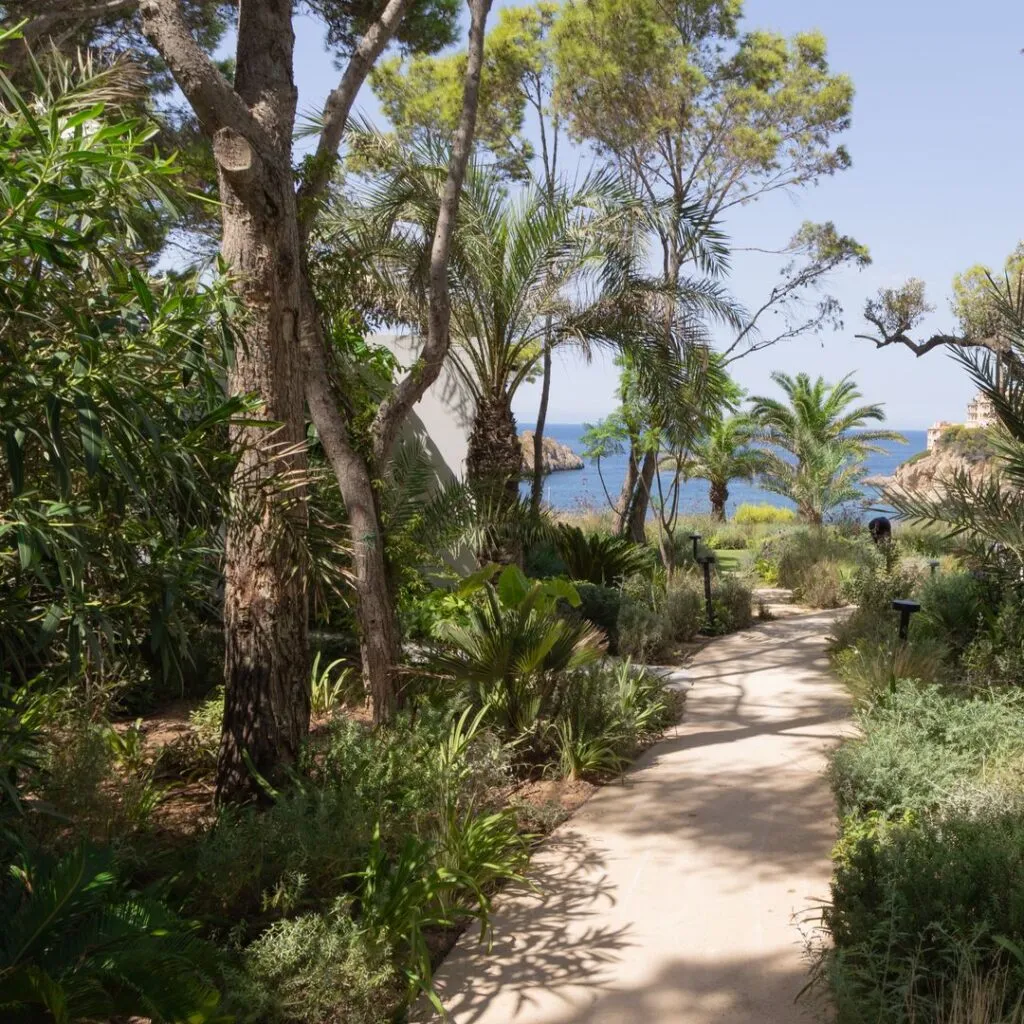
All the gardens in one neighbourhood together form a network that feeds birds and bees. The question is whether yours...
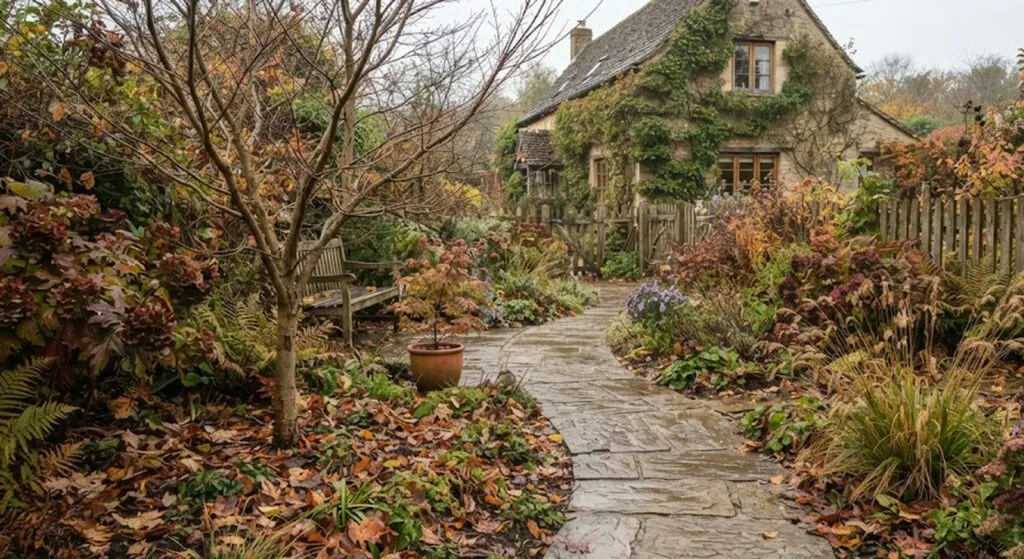
The answer to the heat is not turning the garden into cacti. Twelve steps for autumn, and the first is...
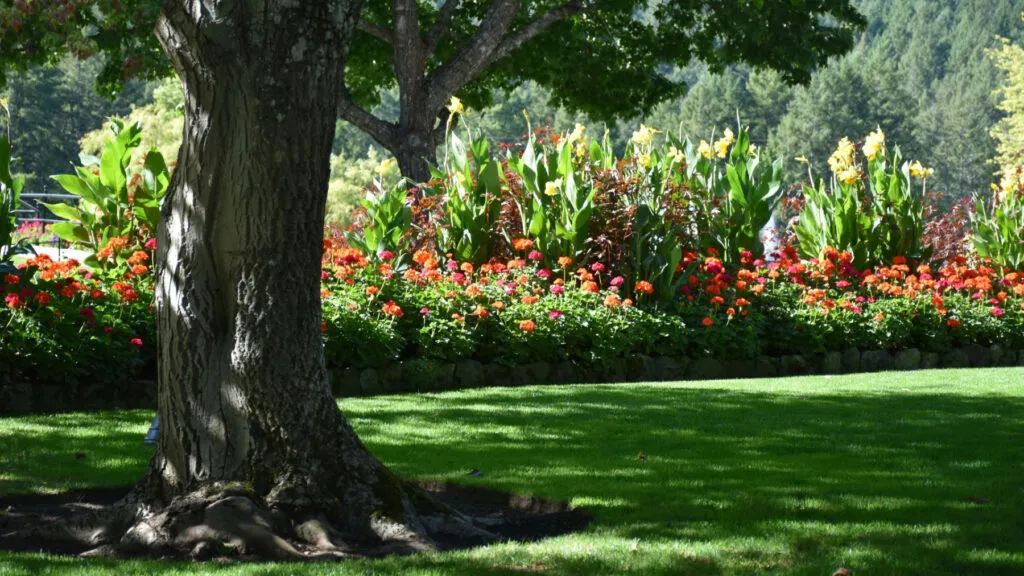
The most common mistake with a freshly planted plant is not the variety or the soil, but the water. The...
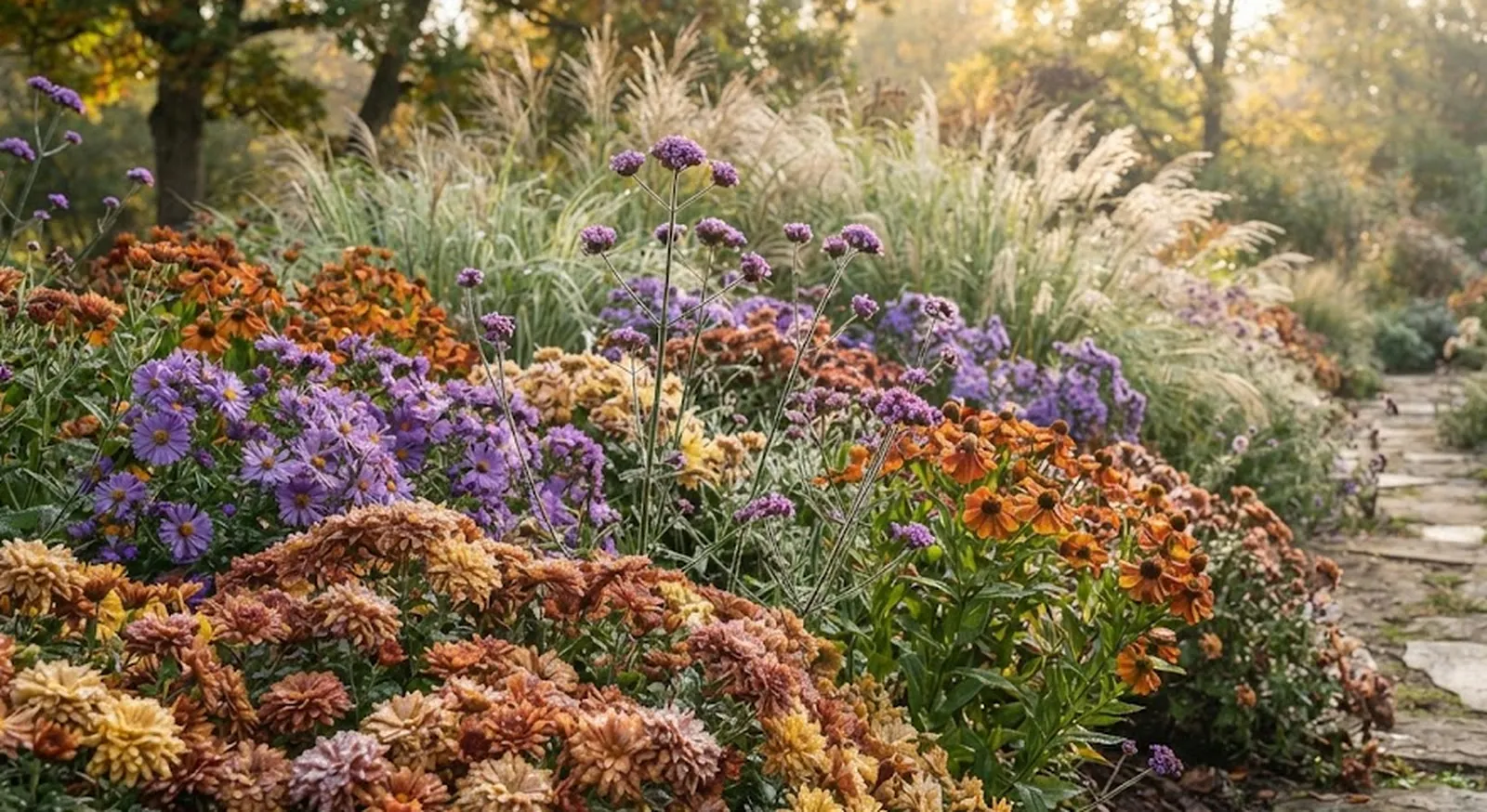
The assumption that August is followed by three brown months of waiting is not true - it is the consequence...
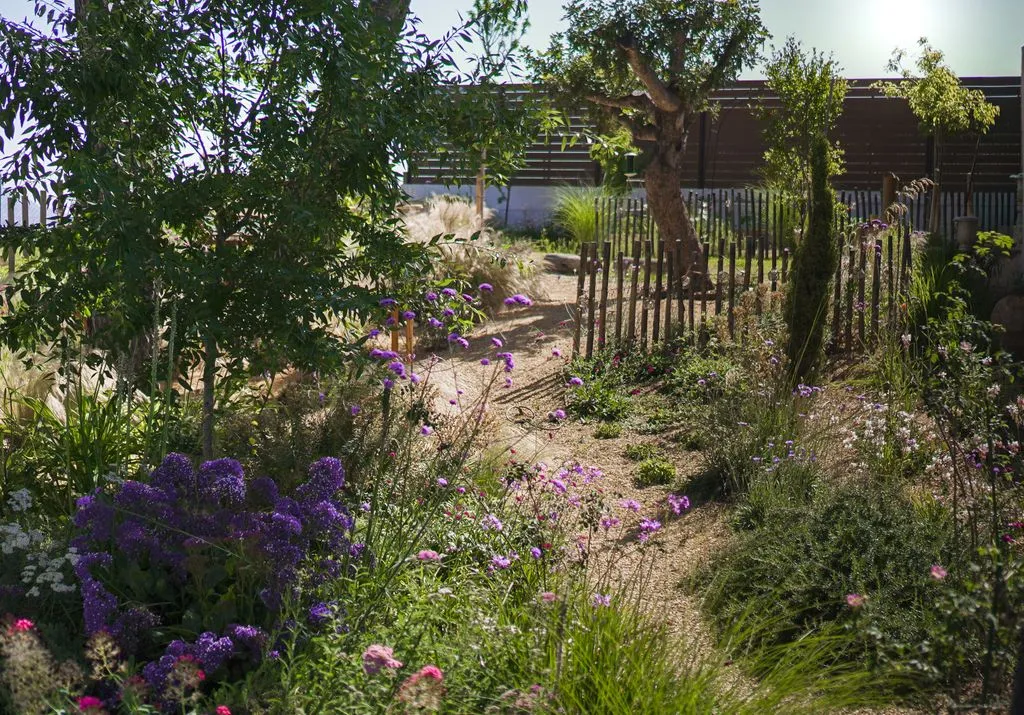
The garden stops being an ornament and becomes infrastructure. What is a Valencian experiment today is an ordinary back yard...
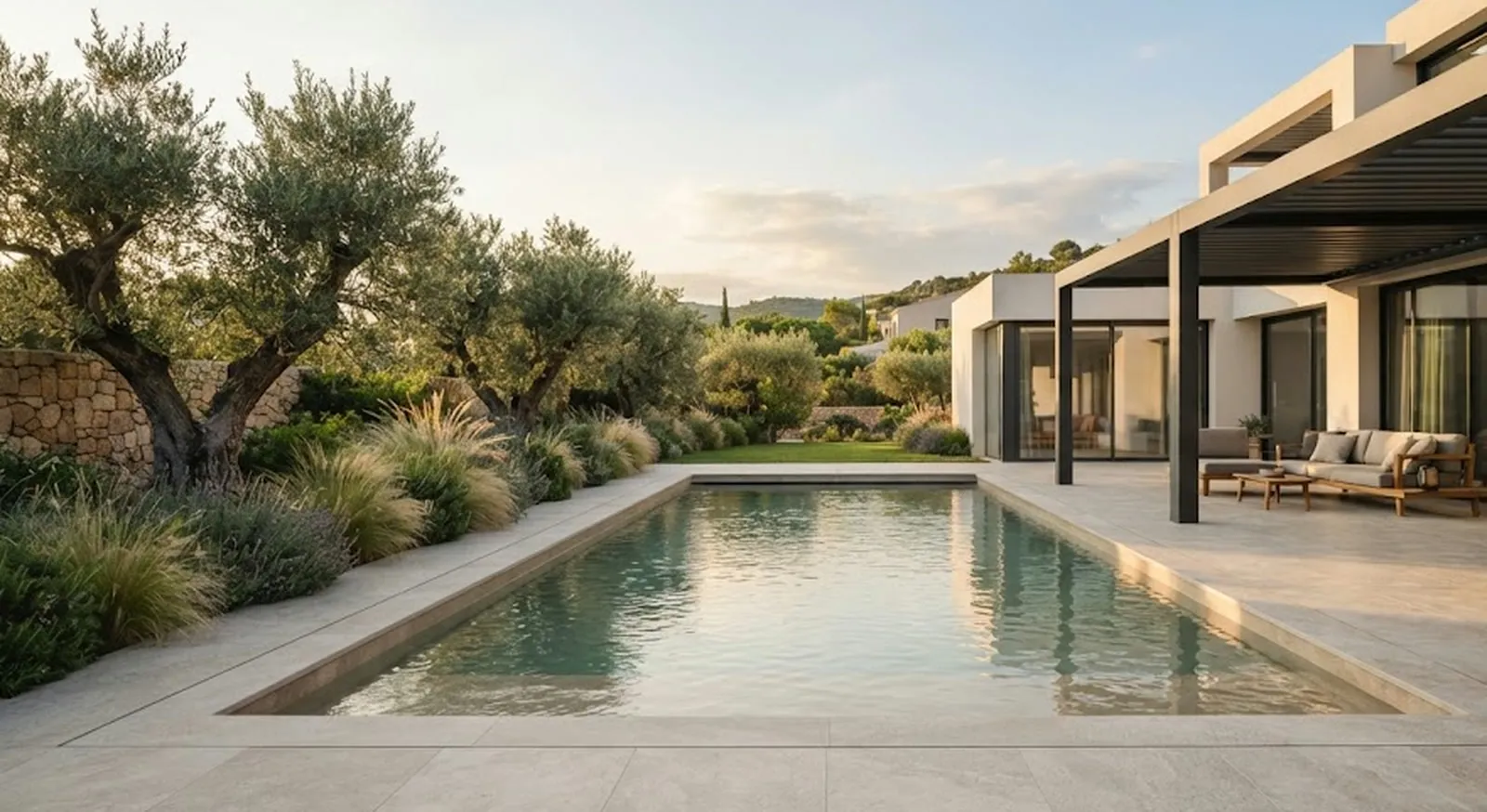
The blue rectangle in the corner of the garden is no longer the law, but the real mistake is not...

That explosion of colour spilling over Mediterranean walls asks for just two things - sun and a little thirst. And...
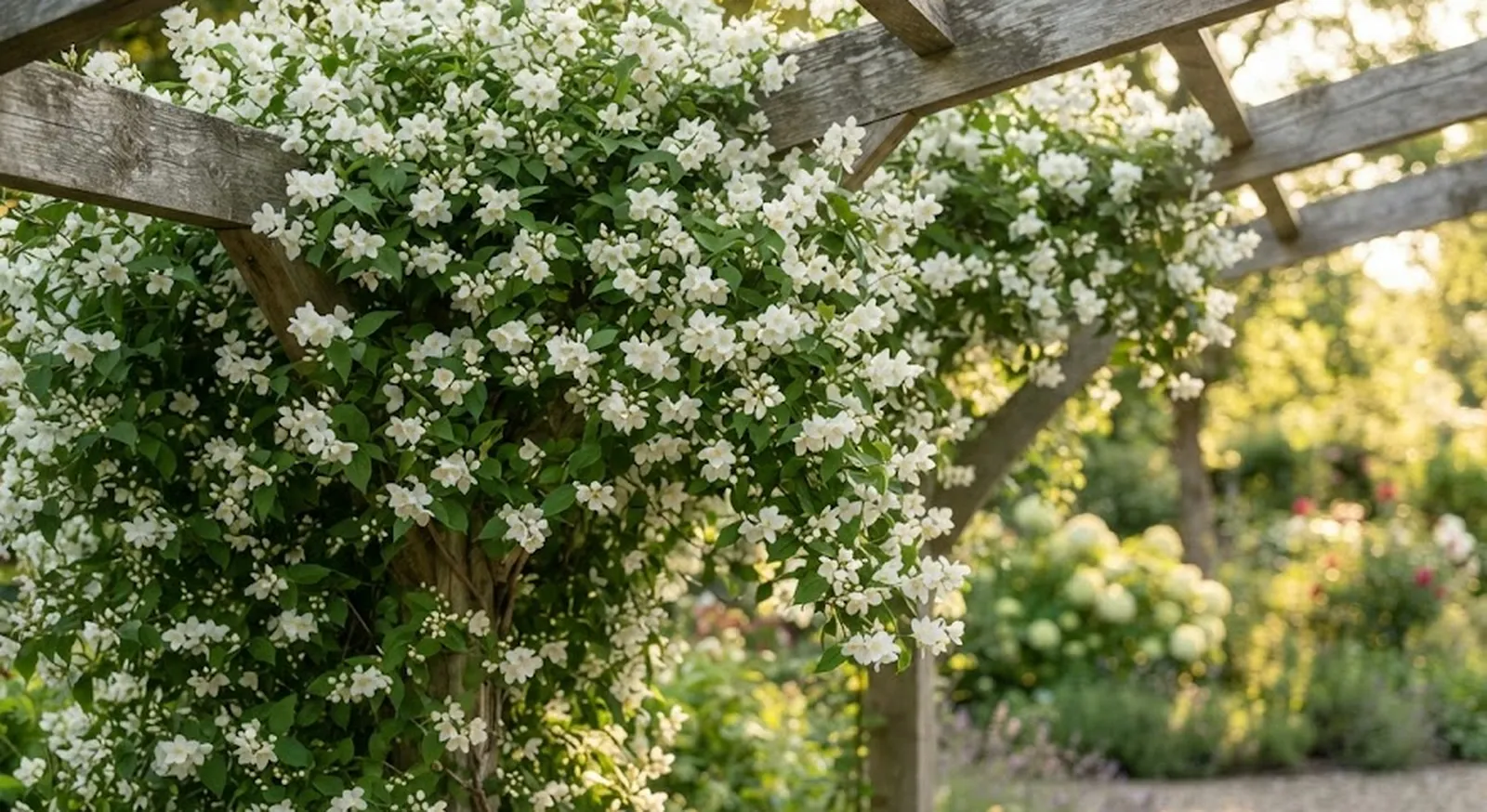
For months of flowers and that heady scent, common jasmine asks you to do a few things right. The most...

Not a scent from a spray can, but something alive that calms you. Sometimes the freshest home is the one...
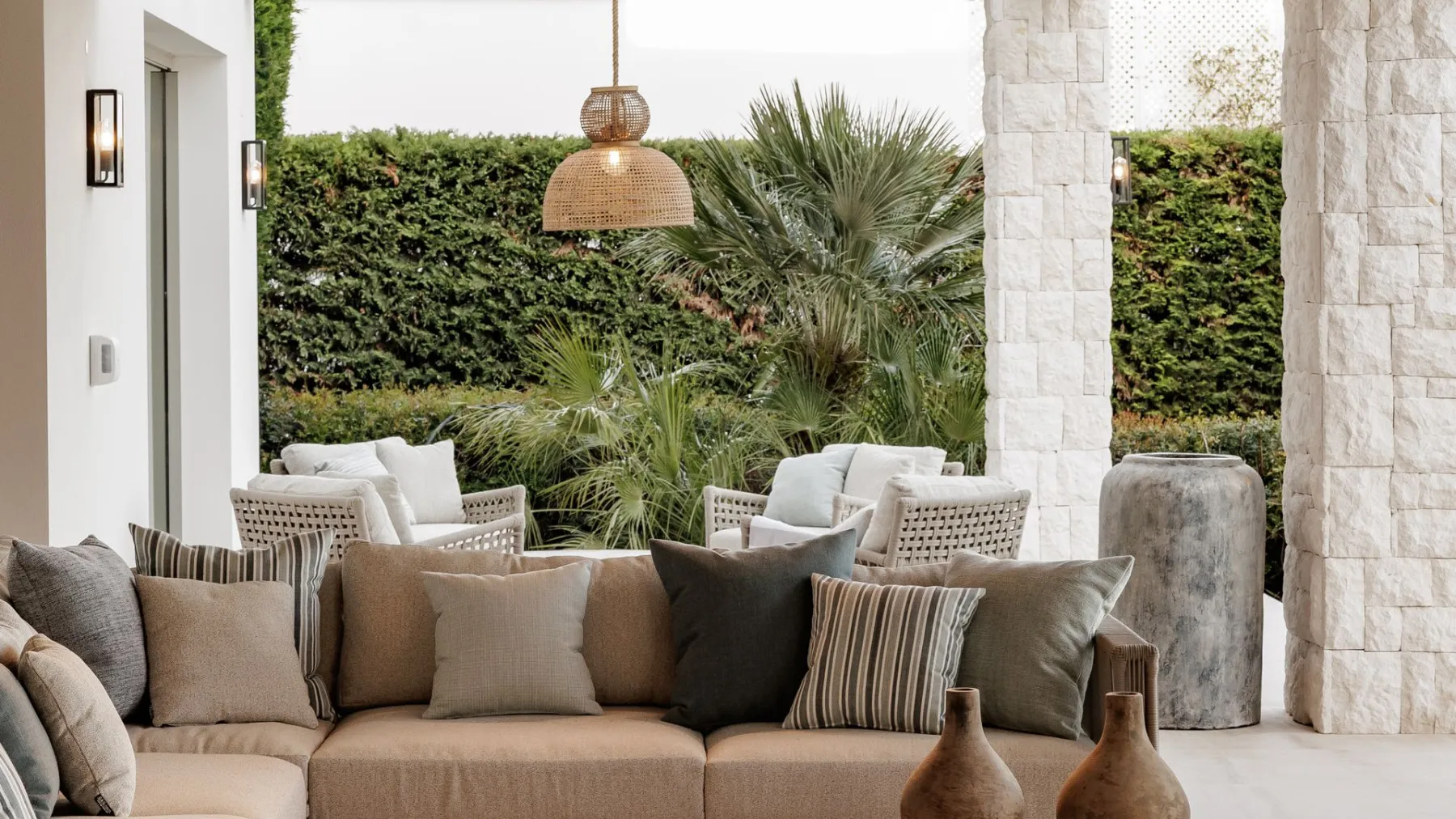
The difference between a terrace that collects plants and a terrace where you stay lies in a few decisions that...
This site uses cookies - is that okay? Learn more
Be the first to know when Metla launches something new
Leave your email and we will write when there is a new guide or something new on Metla.