Double Billing for Eye Surgery: Court Takes Nine Suspects' Passports, While Up to 4,000 Patients Still Don't Know Who Pays Them Back
31.10.2026


31.10.2026
31.10.2026
31.10.2026
31.10.2026
31.10.2026
31.10.2026
31.10.2026
30.10.2026

29.10.2026

31.10.2026

31.10.2026

30.10.2026

31.10.2026

31.10.2026
31.10.2026

31.10.2026
30.10.2026

29.10.2026

31.10.2026

31.10.2026

31.10.2026
31.10.2026

31.10.2026

31.10.2026

23.04.2026

23.04.2026

12.04.2026


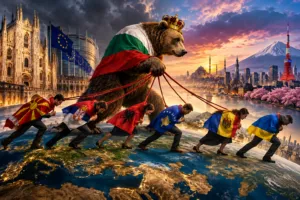
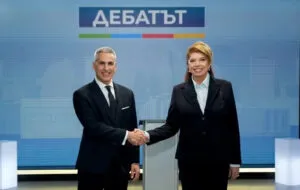
In the only TV debate before the run-off, Bulgaria's presidential candidates clashed over Macedonia. Except the dispute wasn't about whether the Bulgarian position is right. It was about who deserves more credit for it.
Asked what Bulgaria's strategy should be, Iliana Yotova answered briefly: "To carry on as it has been." Then she added the line that will be remembered: in her you see a person who "will not yield a single centimetre from what has already been agreed". On relations with Skopje she claims "nothing has improved" since the signing of the Friendship Treaty, on hate speech or on what she called the persecution of people with Bulgarian roots, and she cited the case of Hristijan Pendikov as proof.
She credited the protection of the national interest to the intervention of then-President Rumen Radev. She accused former Prime Minister Kiril Petkov of being ready to give up the position. Petkov rejected the accusations and announced a legal response.
Andrey Gyurov didn't head in the opposite direction. He took a different frame. According to him, the French proposal made Bulgarian demands part of the European position and so gave Sofia more weight. He too mentions writing Bulgarians into the Macedonian Constitution as a condition for continuing the process.
So the choice is between a candidate who promises to defend the French proposal and a candidate who is proud of it. Bulgarian journalist Rumen Skrinski says that during the campaign he didn't hear either of the main pairs change the state position and that he doesn't expect any particular shift, whoever wins. In Bulgaria, he adds, the campaign failed to answer even the basic question worrying citizens: rising prices.
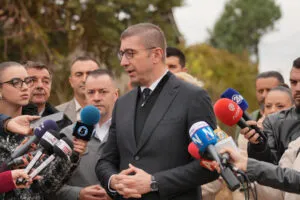
On the Macedonian side, Hristijan Mickoski's "two-way street" thesis stands: no further step without assurance that the problem will be closed for good. Brussels for now stays tied to the negotiating framework. The Balkans know this scene well: candidates change, statements are sharpened for domestic use, and the condition stays on the table like an old tablecloth.
What will change after 1 November? Probably the tone of the person across the table. As for whether anyone in Sofia will offer something different from the French proposal, no candidate has said so yet.
The latest 10 news from this category
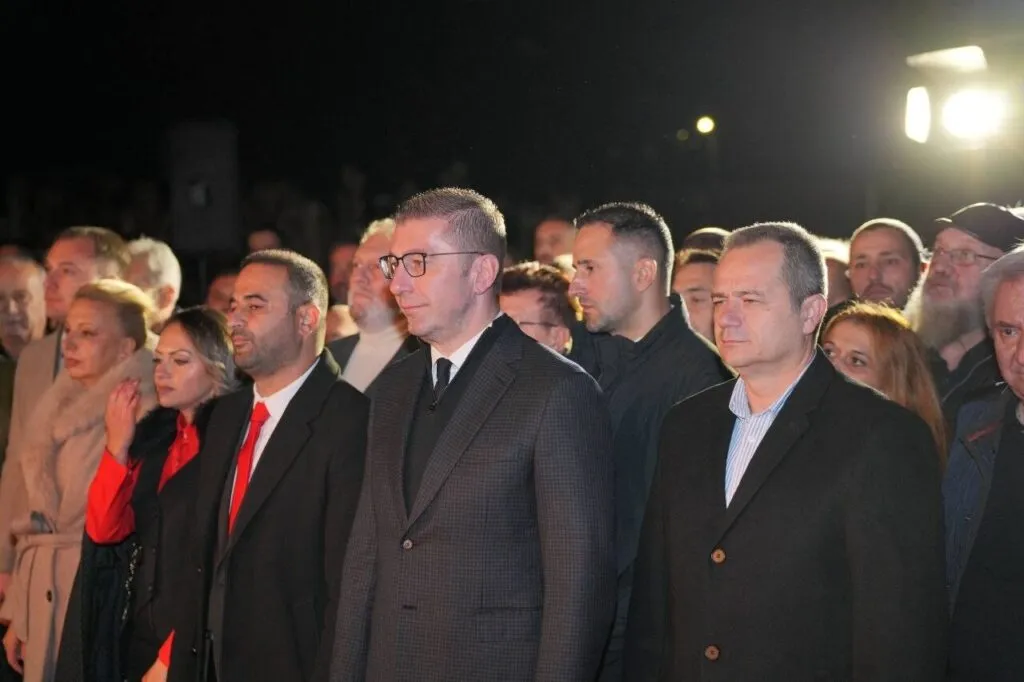
At his closing rally he talked about unity and institutions that serve the citizen. Then, from the stage, he pointed...

On television, a bishop wished one party the longevity of a president for life and accused journalists of financial interest....
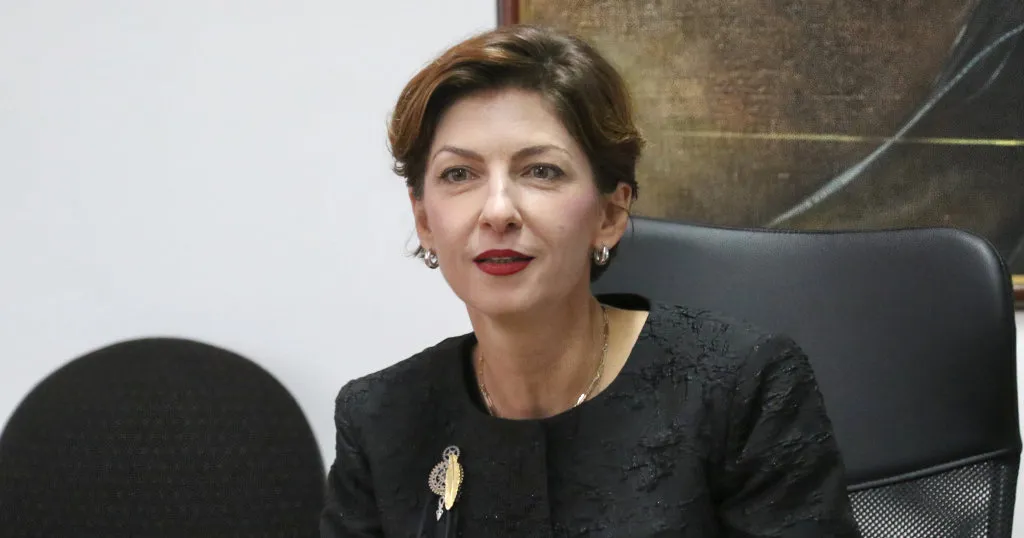
Iskra Hadži Vasileva is the new head of the Organized Crime Prosecutor's Office, chosen by her colleagues rather than by...
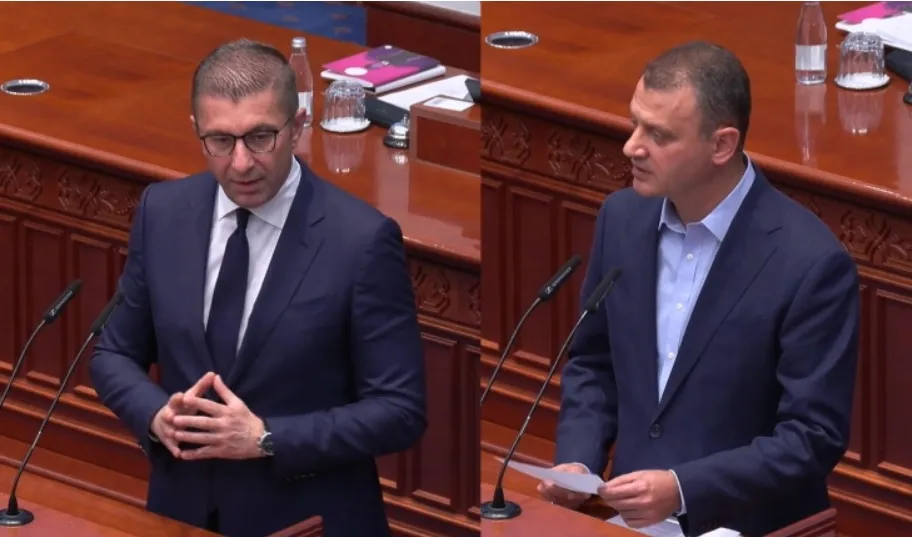
The prime minister promises a public debate and parliamentary oversight of the merged agency. The opposition brings up the wiretapping...
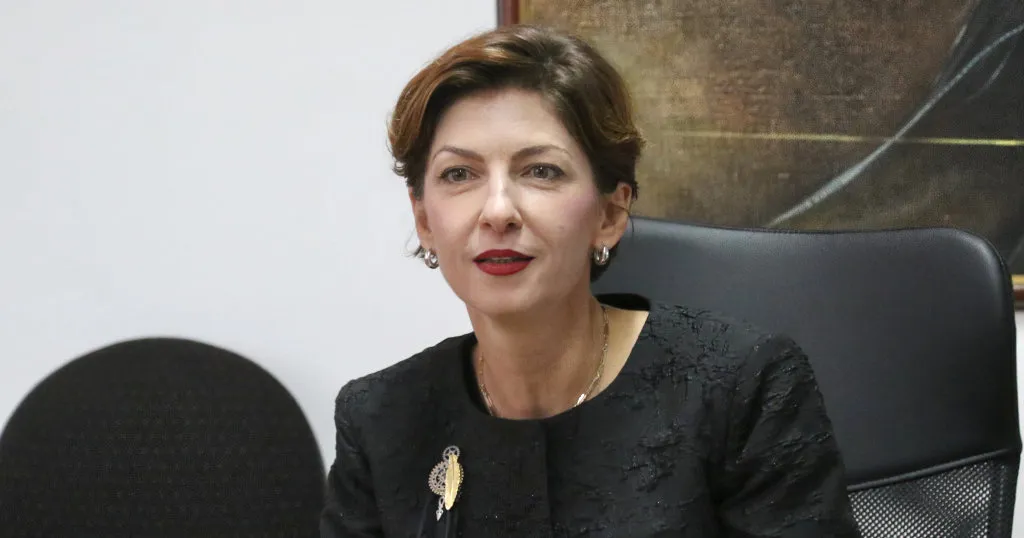
64 votes to 57, in an election where only prosecutors vote, not the ruling majority. A rare procedure in which...
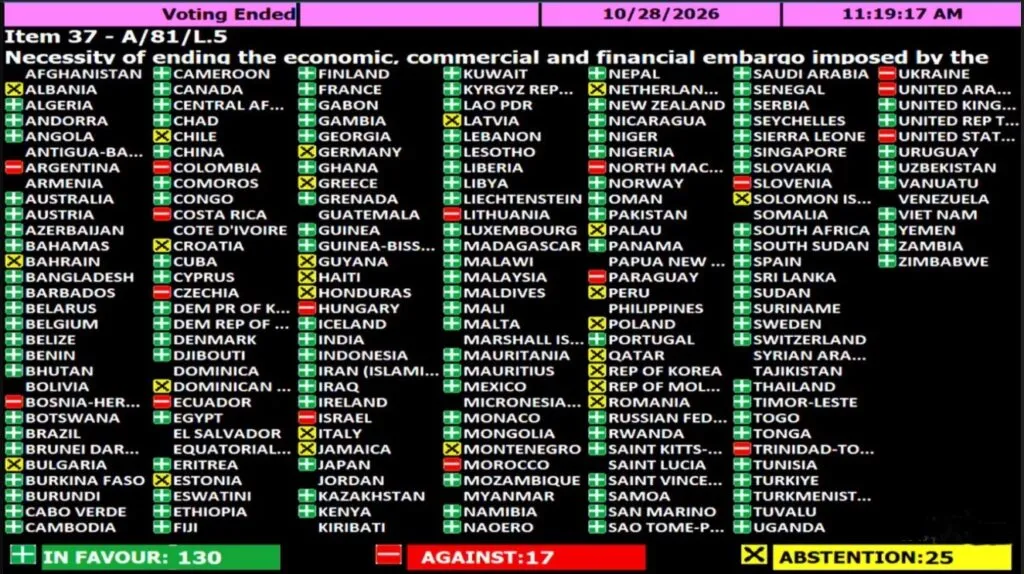
130 countries voted to lift the US embargo, 17 against. Macedonia is among those 17 for the second year running,...
Filipče says that after Vučić and Orbán, Mickoski is next. VMRO-DPMNE answers with footage from parties and a shared favourite...
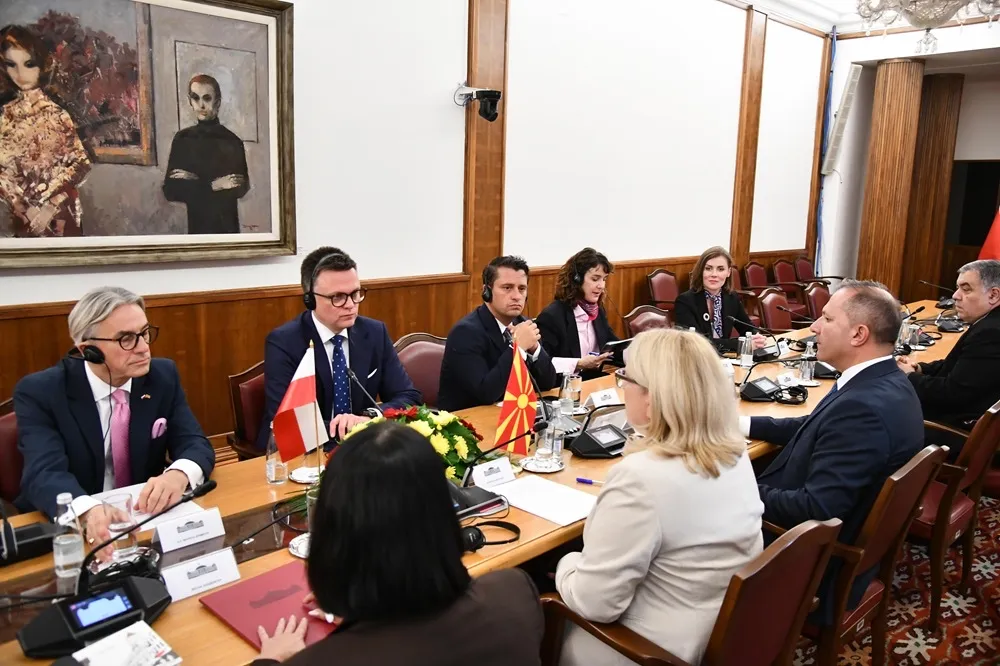
The deputy speaker of Poland's Sejm, Szymon Hołownia, spoke in Skopje about support and his hope that the open issues...
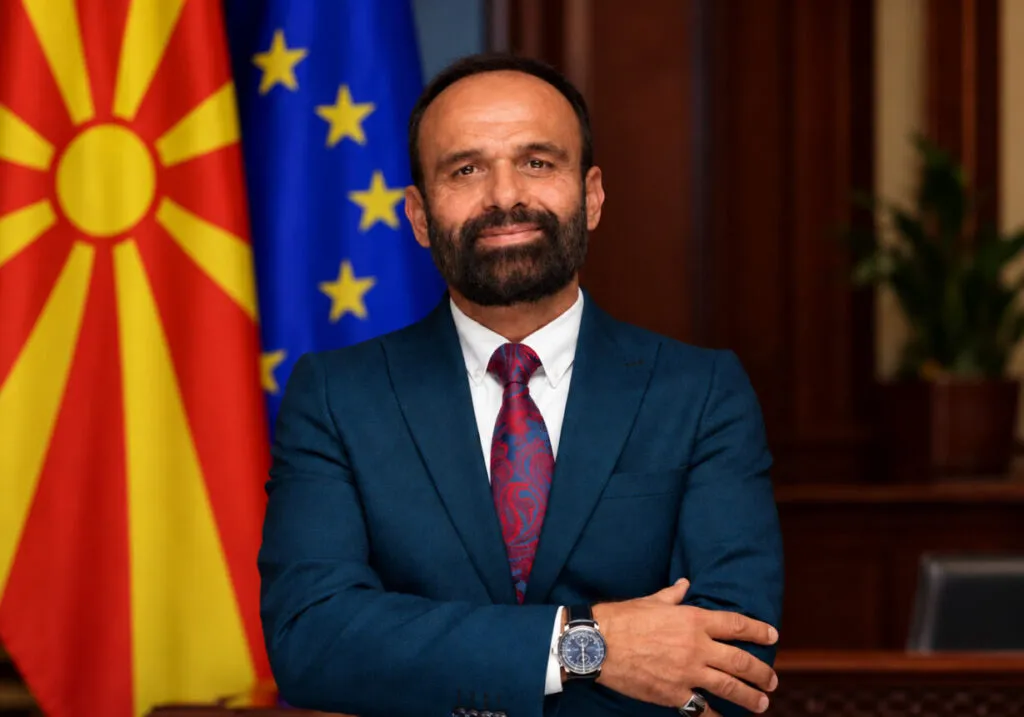
The justice minister wants an independent judiciary and non-selective prosecutors. Meanwhile, the European Commission records that the share of citizens...
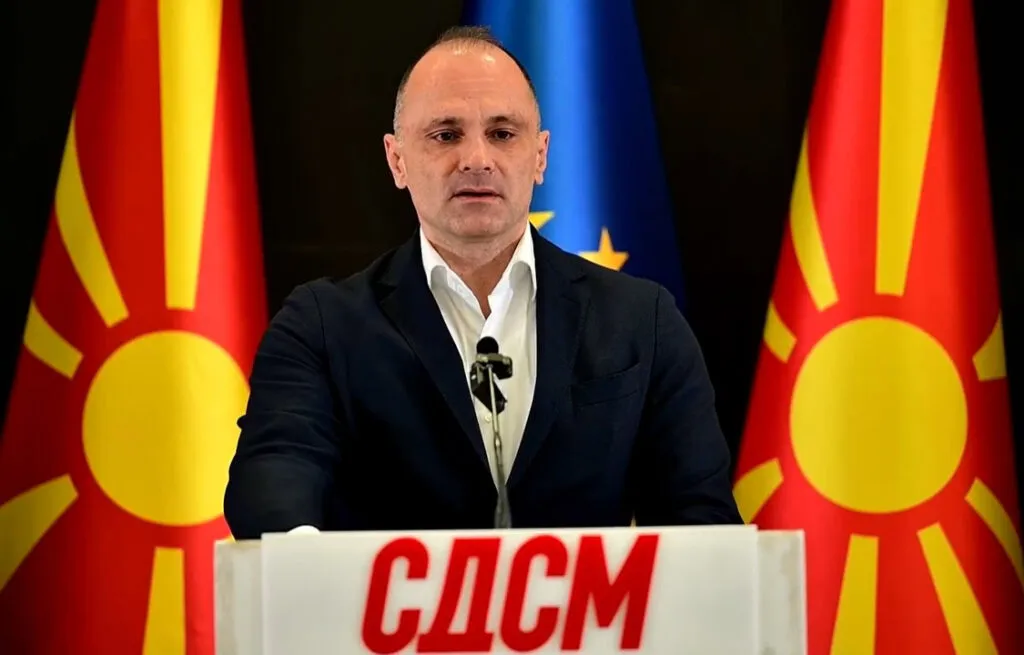
In Serbia the students won, and the leader of Macedonia's SDSM is already counting which government should fall next. No...
This site uses cookies - is that okay? Learn more
Be the first to know when Metla launches something new
Leave your email and we will write when there is a new guide or something new on Metla.