
Eye Surgeries Billed Twice, Up to 4,000 Patients Hit: The Violations Were Known, the Fines Never Came
30.10.2026


30.10.2026

30.10.2026

30.10.2026

30.10.2026

30.10.2026

30.10.2026

30.10.2026

29.10.2026

29.10.2026
30.10.2026

30.10.2026

29.10.2026

30.10.2026

30.10.2026

30.10.2026

30.10.2026

29.10.2026

28.10.2026

30.10.2026

30.10.2026

30.10.2026

30.10.2026

30.10.2026

30.10.2026

30.10.2026

29.10.2026

28.10.2026

23.04.2026

23.04.2026

12.04.2026


For years, protein was the star of the diet world. Now it's fibre's turn. Trends like "fibremaxxing" - loading your plate with as much fibre as possible - have crowned it "the new protein". And like every fad, this one has its casualties: people who ramp up the dose overnight and then wonder why their stomach feels like a balloon.
Nutritionist Clau Gago, who specialises in mindful eating and psychoneuroimmunoendocrinology, explains what's going on. Some fibre feeds the bacteria in the large intestine, which ferment it and produce gas in the process. "It's a normal process, but if we increase the amount a lot from one day to the next, we can feel more bloating and discomfort," she says.
How much is enough? Dietitian Patricia Ortega, who works with the World Avocado Organization, cites the recommendation of the Spanish Heart Foundation: 25 to 30 grams of fibre a day for adults, mainly from plant foods. Yes, an avocado organisation has an interest in us listening when it talks about plant foods - but the number comes from cardiologists. Enough fibre, according to Ortega, helps keep energy more stable, is linked to feeling full for longer, and is being studied for its role in weight control and heart and metabolic health.
Not all fibre is the same. Inulin, added to some supplements and "fortified" products, ferments very easily and can cause more gas. Portion size matters too. "With food, quantity matters. A small amount can agree with us, while a larger one can sit heavy," Gago says. "High in fibre" on the box means someone added something - not that your gut will thank you.
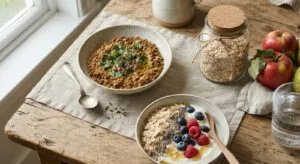
The recipe is slow and boring, and that's exactly why it works. Start with small portions spread across meals - say, a few spoonfuls of cooked lentils in your rice and vegetables. Stick with that amount for a few days and only increase it if it agrees with you. Drain and rinse canned legumes, because that removes some of the compounds that cause gas. Add a few oat flakes to your breakfast yogurt, have a piece of fruit as a snack, and drink water regularly. "If discomfort appears, I'd reduce the portion or try another source of fibre before continuing to increase the amount," Gago advises.
Bloating isn't necessarily fibre's fault. Gago points out that it can also come from eating more than we should, eating in a hurry or drinking fizzy drinks. Stress changes the rhythm of the gut and makes normal gas more noticeable, and for people with irritable bowel syndrome, poor sleep can bring more pain, inflammation or reflux.
And one line you don't cross on your own. If bloating is frequent, getting worse or doesn't go away after changing your diet, you need a professional. The same goes if you start cutting out foods for fear of discomfort: a doctor can find the cause, and a nutritionist can adjust your diet without unnecessary bans. Severe, sudden stomach pain calls for urgent medical help, not a new trick from the internet.
The latest 10 news from this category

Before "trick or treat" there were soul cakes: spiced biscuits with raisins, baked for 15 to 20 minutes at 180...
It sounds like an ad for the lazy, but the number only covers the intense intervals. The rest of the...

The best way to rescue apples that have started going soft. It works for breakfast, in a cake and -...

The British psychiatrist discovered gardening through her husband and now argues that greenery lowers cortisol. The garden doesn't replace medication...

One of the cheapest side dishes usually gets ruined in the most banal way: crammed into the tray, the potatoes...

A tidy living room, an unmade bed. You're not lazy - you just know who's looking at what. Mess becomes...

Not kebab, not falafel: a Lebanese spinach-and-sumac pie that anyone who grew up on burek will recognise from the first...

The pain doesn't have to pass completely before you can enjoy life again. Acceptance is not surrender, and growth after...

Crispy outside, soft inside - and the secret is to pull them out of the oven while they still look...

In a chat there's no look, no tone, no hug, only words, and the brain fills in the gaps on...
This site uses cookies - is that okay? Learn more
Be the first to know when Metla launches something new
Leave your email and we will write when there is a new guide or something new on Metla.